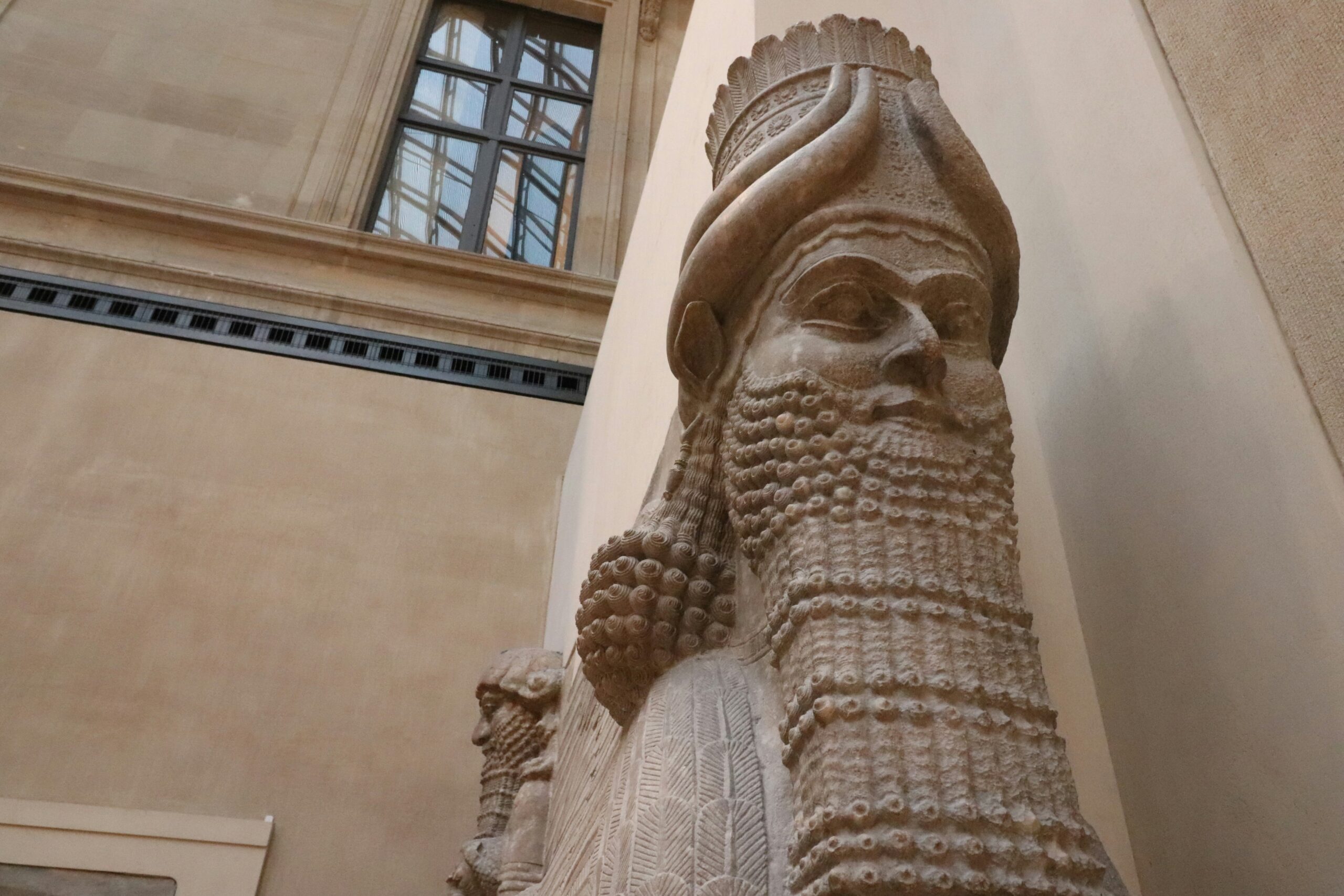
The sands of time in Egypt conceal a rich tapestry of human history, a narrative that begins long before the monumental pyramids and the iconic pharaohs. While Pharaonic Egypt stands as a beacon of ancient civilization, its roots are deeply embedded in a complex and vibrant prehistory, a period characterized by evolving societies, remarkable technological advancements, and the nascent formation of cultural identities. Understanding these ancient cultures that preceded the dynastic era is crucial to appreciating the full scope of Egyptian civilization, revealing a dynamic and innovative foundation upon which the glories of the pharaohs were built.
The story of human settlement in the Nile Valley stretches back into the Paleolithic, a time when nomadic hunter-gatherer groups traversed the landscape, leaving behind the earliest traces of human activity. These early inhabitants were intrinsically linked to the rhythm of the Nile, its annual inundation shaping their migratory patterns and providing essential resources for survival.
Paleolithic Nomads: Adapting to a Changing Landscape
The earliest evidence of human presence in Egypt dates back to the Middle Paleolithic, with archaeological sites yielding stone tools and faunal remains that offer glimpses into the lives of these ancient peoples. These were not settled communities in the modern sense, but rather mobile groups who followed game and exploited seasonal plant resources. Their toolkits, characterized by handaxes and scrapers, demonstrate a sophisticated understanding of their environment and the materials available to them. The climate of this era was significantly different from today, with more rainfall and a greener landscape, supporting a greater diversity of flora and fauna that these early humans relied upon.
The Neolithic Revolution: Cultivation and Sedentary Life
The transition from a nomadic hunter-gatherer lifestyle to settled agriculture marked a profound turning point in human history, and Egypt was no exception. The Neolithic period witnessed the domestication of plants and animals, leading to the development of permanent settlements and a significant increase in population density.
The Emergence of Agriculture in the Nile Valley
While the exact origins of agriculture in Egypt are debated, evidence suggests a gradual adoption of farming practices, likely influenced by developments in the neighboring Levant. The cultivation of cereals like emmer wheat and barley, along with pulses and legumes, provided a more reliable and abundant food source, freeing up human labor and allowing for the development of more complex social structures. The Nile’s fertile floodplains, enriched by silt deposited during the annual inundation, proved to be exceptionally well-suited for agriculture.
Early Settlements and Village Life
As agriculture took hold, small villages began to dot the landscape along the Nile. These settlements, often characterized by simple dwellings constructed from mudbrick and thatch, represented a significant shift towards sedentary life. Archaeological excavations have revealed communal storage pits, grinding stones, and early forms of pottery, indicating the development of specialized crafts and the emergence of more organized community living. These villages were not isolated units but were likely connected through trade and social networks, exchanging goods and ideas.
Before the rise of pharaonic Egypt, ancient cultures such as the Sumerians and the Indus Valley civilization laid the groundwork for many technological advancements that shaped human history. These societies developed complex systems of writing, architecture, and trade, showcasing their ingenuity and influence. For those interested in exploring the innovations of these early cultures, a fascinating article can be found at this link, which delves into the suppressed technologies and lost innovations that predate the Egyptian civilization.
The Predynastic Period: Forging Identity and Social Complexity
The Predynastic period, spanning roughly from the 6th to the 4th millennium BCE, is a crucial era of development that laid the groundwork for the unification of Egypt. This long span of time witnessed the gradual evolution of distinct cultural groups, the emergence of social stratification, and the development of early forms of political organization.
Naqada I (Amratian) Culture: The Early Foundations
The Naqada I period, also known as the Amratian culture, marks a significant step forward in Predynastic development. Characterized by distinct pottery styles, with polished red ware decorated with white geometric designs, this period saw the establishment of more permanent settlements and a growing sense of cultural identity. Burial practices became more elaborate, with individuals interred in rectangular pits accompanied by grave goods, suggesting emerging social distinctions and beliefs about the afterlife.
Naqada II (Gerzean) Culture: Expansion and Increasing Sophistication
The Naqada II period, or Gerzean culture, witnessed a notable expansion of influence and a rise in social complexity. Pottery became more refined, with incised decorations and the depiction of figures and boats, hinting at early forms of narrative and symbolic representation. During this period, significant advancements were made in metallurgy, with the production of copper tools and ornaments. Evidence of trade networks extending beyond the Nile Valley also emerges, indicating increased interaction with neighboring regions. Hierakonpolis, a major Predynastic center, saw substantial growth and the development of monumental architecture, suggesting the emergence of powerful local rulers.
Naqada III (Protodynastic) Culture: The Road to Unification
The Naqada III period, also referred to as the Protodynastic period, is characterized by the increasing political consolidation and the growing evidence of state formation. The distinctive black-topped red ware continued to be produced, but new forms of pottery and more elaborate tomb structures emerged. The development of early hieroglyphic writing can be observed on artifacts from this period, indicating the nascent stages of a sophisticated administrative and symbolic system. The famous Narmer Palette, dating to the very end of this period, is a pivotal artifact that depicts the unification of Upper and Lower Egypt under a single ruler, King Narmer, widely considered the first pharaoh. This marks the transition from Predynastic fragmentation to the dynastic era.
Pre-Dynastic Religious Beliefs and Ritual Practices

The spiritual landscape of Predynastic Egypt was rich and evolving, with the development of complex beliefs and rituals that would profoundly influence the religious traditions of Pharaonic Egypt. While definitive evidence is scarce, archaeological findings offer tantalizing clues into their cosmological understandings and ritualistic practices.
Early Forms of Worship and Totemism
Evidence from Predynastic settlements suggests a reverence for natural forces and animal spirits. Many early settlements were located near natural features that held significance, such as fertile plains or prominent rock formations. The presence of animal bones and figurines in burials and settlements points towards an early form of totemism, where certain animals were revered or associated with specific groups or deities. The worship of animals as embodiments of divine power or as protective spirits likely played a significant role in their spiritual lives.
The Significance of Burial Practices and the Afterlife
The evolving nature of burial practices throughout the Predynastic period offers crucial insights into their beliefs about death and the afterlife. Early burials, often simple pits with a few grave goods, gradually evolved into more elaborate tombs with richer offerings. The inclusion of food, tools, and personal adornments in these graves suggests a belief that the deceased would continue to exist in some form after death and would require these items in the next world. The orientation of the body and the types of grave goods could also indicate nascent beliefs about a journey or transition into the afterlife.
The Role of Sacred Spaces and Early Shrines
While no grand temples existed in the Predynastic era, archaeological evidence suggests the existence of sacred spaces and early forms of shrines. Certain areas within settlements or distinct locations in the landscape may have been designated for ritual activities. The discovery of offerings, such as pottery and beads, at specific sites indicates that these places held religious importance and were visited for devotional purposes. These early sacred spaces would have been the precursors to the magnificent temples that would define Pharaonic Egypt.
Technological Innovations and Material Culture
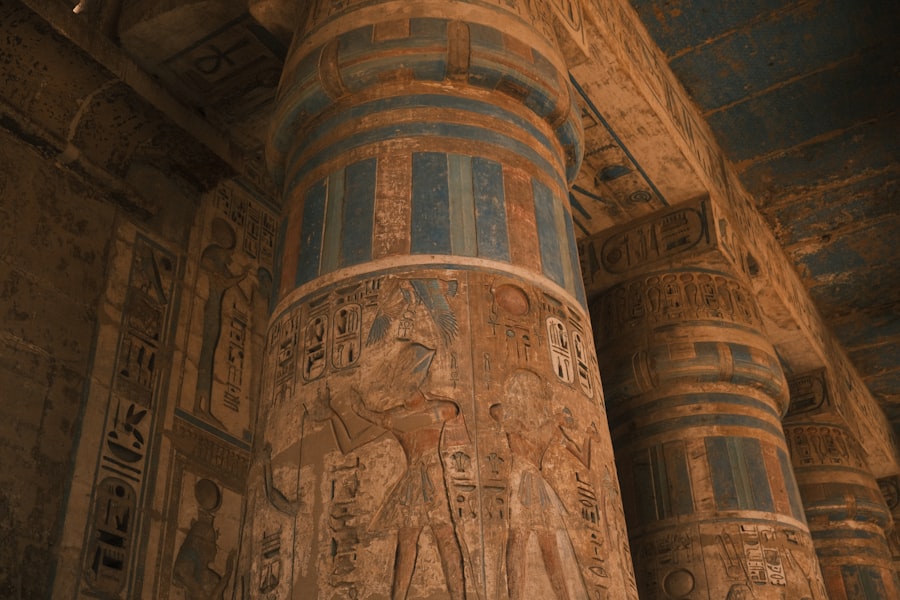
The Predynastic Egyptians were not simply passive recipients of their environment; they were active innovators who developed and refined technologies that enabled their societies to thrive and advance. Their material culture reflects a growing mastery over their resources and a burgeoning artistic sensibility.
Advancements in Stone Tool Technology
From the simple handaxes of the Paleolithic to the finely crafted blades of the Predynastic, stone tool technology saw continuous improvement. The Neolithic period witnessed the development of polished stone axes and adzes, essential for clearing land and shaping wood. By the Predynastic era, flint knapping reached a high level of artistry, producing razor-sharp knives, projectile points, and other specialized tools. The quarrying of harder stones for specific purposes also became more common.
The Dawn of Metallurgy: Copper and Its Applications
The advent of metallurgy marked a significant technological leap in Predynastic Egypt. The discovery and exploitation of copper ore allowed for the production of tools, weapons, and decorative items. Early copper objects were often hammered into shape, but later techniques involved smelting and casting, leading to more complex forms. Copper chisels and drills facilitated woodworking and stone carving, while copper knives and daggers offered improved weaponry. The production of copper ornaments also indicates a growing appreciation for aesthetic embellishment and social status.
The Evolution of Pottery and Its Significance
Pottery played a vital role in the daily lives of Predynastic Egyptians, serving for storage, cooking, and serving food. The evolution of pottery styles throughout the Predynastic period is a key marker for archaeologists in distinguishing different cultural phases. From the rudimentary, hand-molded pots of the early Neolithic to the finely crafted, decorated wares of the Naqada periods, the development of pottery reflects increasing skill, specialization, and artistic expression. The distinct decorative motifs, such as geometric patterns and later figurative representations, also provide insights into their cultural symbolism and worldview.
Before the rise of pharaonic Egypt, ancient cultures such as the Sumerians and the Indus Valley civilization laid the groundwork for complex societies. These early civilizations made significant advancements in writing, architecture, and trade, which would influence future cultures across the globe. Interestingly, the exploration of ancient maps, like the Piri Reis map, sheds light on the navigational skills and geographical knowledge of these early societies. For a deeper understanding of this topic, you can read more in the article about the Piri Reis map controversy here.
The Transition to Statehood: Unification and the Rise of Pharaohs
| Culture | Time Period | Notable Achievements |
|---|---|---|
| Sumerians | 4000 – 2000 BCE | Developed the first known writing system, cuneiform |
| Indus Valley Civilization | 3300 – 1300 BCE | Had advanced urban planning and sewage systems |
| Minoan Civilization | 2600 – 1100 BCE | Known for their elaborate palaces and vibrant frescoes |
| Olmec Civilization | 1400 – 400 BCE | Created colossal stone heads and had a complex society |
The final centuries of the Predynastic period witnessed a dramatic shift towards political centralization, culminating in the unification of Upper and Lower Egypt and the establishment of the First Dynasty. This momentous transition was a complex process shaped by warfare, diplomacy, and the growing power of emergent elites.
The Emergence of Chiefdoms and Early Kingdoms
As Predynastic societies grew in complexity, they began to coalesce into larger political entities. Evidence from sites like Hierakonpolis and Abydos suggests the presence of powerful chiefdoms or early kingdoms, ruled by individuals who commanded significant resources and manpower. These proto-states likely engaged in both conflict and cooperation, vying for control over territory, trade routes, and vital resources. The construction of fortified settlements and the presence of weaponry in burials hint at the military nature of these early political formations.
The Role of Warfare and Consolidation of Power
While the exact details of the unification process remain somewhat debated, warfare undoubtedly played a significant role. The Narmer Palette, for example, vividly depicts King Narmer smiting his enemies and wearing the crowns of both Upper and Lower Egypt. This suggests a period of conquest and subjugation, where a dominant power from the south gradually extended its control over the northern regions. The consolidation of power likely involved the subjugation of rival chiefdoms and the establishment of a centralized authority.
The Birth of the Egyptian State and the First Dynasty
The unification of Egypt under a single ruler marked the end of the Predynastic era and the dawn of the dynastic period. The establishment of the First Dynasty, with its capital at Memphis, signaled the creation of a unified Egyptian state. This new political entity possessed a centralized administration, a developing bureaucracy, and a nascent legal system. The pharaoh emerged as the supreme ruler, a divine or semi-divine figure responsible for maintaining cosmic order (Ma’at), protecting the land, and ensuring the prosperity of his people. The foundations of Egyptian civilization, with its distinctive art, religion, and political structure, were firmly laid during this transformative period, a testament to the ingenuity and resilience of the ancient cultures that preceded Pharaonic Egypt. The legacy of these early inhabitants, their innovations, and their evolving societies form an integral part of the grand narrative of one of the world’s most enduring civilizations.

260 Ancient Graves Were Hiding in This “Empty” Desert
FAQs
What are some examples of ancient cultures before pharaonic Egypt?
Some examples of ancient cultures before pharaonic Egypt include the Predynastic period, the Naqada culture, and the Badarian culture.
What were some key characteristics of these ancient cultures?
These ancient cultures were known for their development of agriculture, pottery, and trade. They also had complex social structures and religious beliefs.
How did these ancient cultures contribute to the development of pharaonic Egypt?
These ancient cultures laid the foundation for the development of pharaonic Egypt by establishing the agricultural practices, social structures, and religious beliefs that would later become integral to Egyptian civilization.
What archaeological evidence exists for these ancient cultures?
Archaeological evidence for these ancient cultures includes pottery, tools, artwork, and burial sites. These artifacts provide insight into the daily lives and beliefs of these early societies.
What impact did these ancient cultures have on later civilizations?
The ancient cultures before pharaonic Egypt had a significant impact on later civilizations, influencing the development of Egyptian art, architecture, and religious practices. Their innovations in agriculture and trade also laid the groundwork for the prosperity of ancient Egypt.