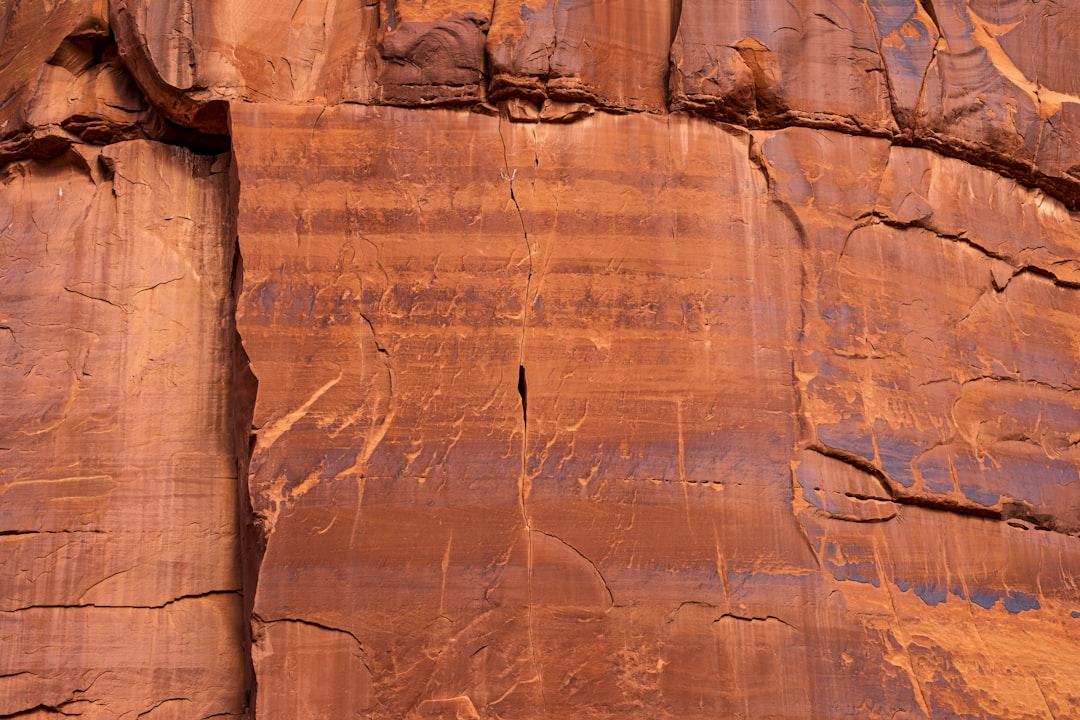
The sun-baked plains of eastern Sudan hold secrets etched in stone, a silent testament to millennia of human presence. For centuries, these ancient rock art sites have been a source of fascination, offering glimpses into the beliefs, daily lives, and spiritual practices of early Sudanese societies. Exploring these remarkable engravings and paintings is not merely an archaeological endeavor; it is a journey back in time, a profound connection with our ancestral past.
Eastern Sudan, a region characterized by its vast deserts, rugged mountains, and the life-giving Nile River, boasts an extraordinary concentration of prehistoric rock art. These open-air galleries, scattered across desolate landscapes, are a treasure trove of human expression. The artistry, ranging from sophisticated engravings to vibrant rock paintings, spans a vast chronological period, with some sites dating back as far as the Neolithic era, over 8,000 years ago. The sheer scale and diversity of these sites underscore the rich cultural tapestry of the region’s ancient inhabitants.
The Significance of Rock Art
Rock art, as a form of prehistoric communication and expression, provides invaluable insights into societies that left no written records. In eastern Sudan, these markings serve as a visual diary, chronicling shifts in environment, subsistence strategies, and social structures.
Understanding Ancient Beliefs and Rituals
The recurring motifs and symbols within the rock art offer a window into the spiritual world of its creators. Depictions of animals, humans, and abstract patterns likely held deep symbolic meaning, related to cosmology, fertility, shamanic practices, and community rituals. Analyzing these elements allows researchers to reconstruct aspects of ancient Sudanese belief systems, revealing a worldview deeply intertwined with the natural environment.
Documenting Subsistence and Lifestyle
Beyond the spiritual, the rock art also provides practical information. Hunting scenes, depictions of livestock, and representations of tools and dwellings offer crucial evidence about the subsistence strategies employed by these ancient peoples. The presence of certain animals, for example, can indicate changes in climate and available resources over time.
The Diverse Typologies of Eastern Sudan’s Rock Art
The rock art of eastern Sudan is not monolithic. It encompasses a remarkable variety of styles, techniques, and subject matter, reflecting different cultural groups and periods.
Engravings: The Enduring Marks of Time
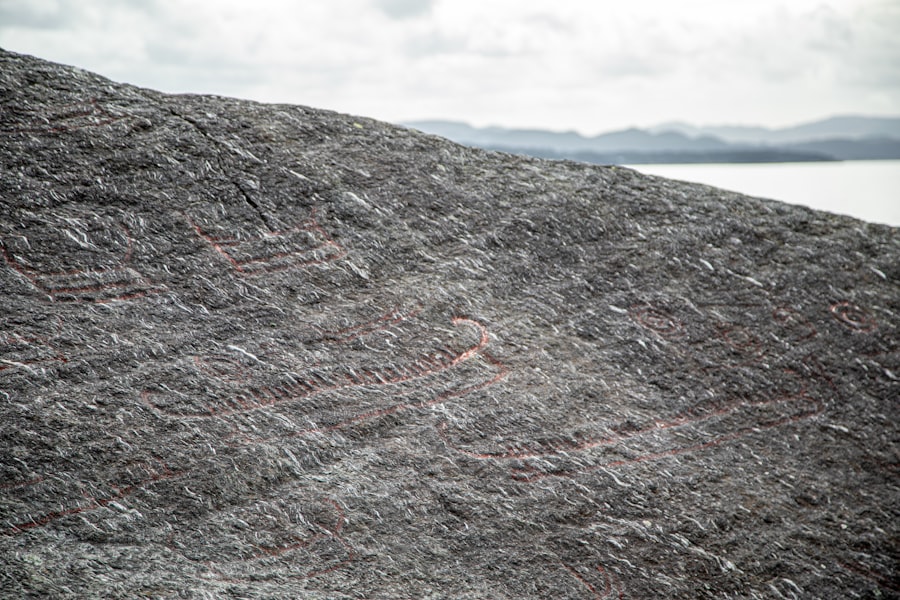
Engravings, often referred to as petroglyphs, are created by incising or pecking into the rock surface. These durable artworks have survived the ravages of time and weather, offering a tangible link to the distant past.
Geometric Patterns and Abstract Designs
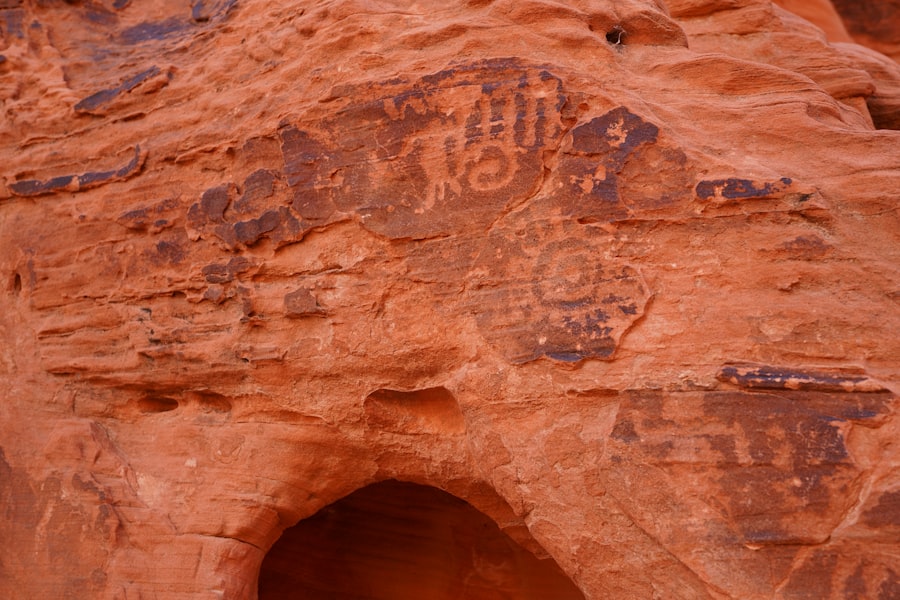
A significant portion of the engraved art consists of abstract geometric designs. These include circles, spirals, grids, and cross-hatching, often arranged in complex patterns. The meaning of these abstract forms remains a subject of debate, with theories ranging from astronomical observations to symbolic representations of social structures or spiritual concepts.
Zoomorphic and Anthropomorphic Figures
While abstract designs are prevalent, engraved representations of animals (zoomorphic) and humans (anthropomorphic) are also common. These figures are often stylized and may convey specific meanings related to hunting prowess, animal symbolism, or mythological narratives.
Paintings: Fleeting Colors, Enduring Messages
Rock paintings, or pictographs, are created by applying pigments to the rock surface. While often more fragile than engravings, these paintings offer a vibrant glimpse into the artistic sensibilities of ancient Sudanese peoples.
Vivid Depictions of Fauna
The animal kingdom features prominently in the rock paintings. Herds of cattle, wild animals like antelopes and elephants, and even birds are depicted with remarkable detail and dynamism. These paintings likely served multiple purposes, from recording successful hunts to symbolizing the importance of livestock in pastoralist societies.
Human Figures and Social Scenes
Human figures are also a common subject, often shown engaged in activities such as dancing, hunting, or warfare. These scenes offer valuable insights into the social dynamics, rituals, and daily lives of the ancient communities. The style of human representation can vary significantly, from simple stick figures to more detailed and expressive forms.
Ancient rock art in eastern Sudan offers a fascinating glimpse into the lives and beliefs of early human societies in the region. This art, often depicting animals and human figures, serves as a vital connection to the past, revealing the cultural and environmental contexts of the time. For those interested in exploring the broader implications of ancient cultures and their challenges, a related article can be found at Tuvalu’s Future: Challenges and Opportunities Ahead, which discusses how historical perspectives can inform contemporary issues faced by nations today.
Key Archaeological Sites and Their Discoveries
Eastern Sudan is dotted with numerous rock art sites, each with its unique characteristics and contributions to our understanding of the past. While extensive archaeological work is ongoing, several key locations have yielded particularly significant discoveries.
The Mesolithic and Neolithic Foundations
The earliest evidence of human activity in eastern Sudan, and by extension, the earliest rock art, can be traced back to the Mesolithic and Neolithic periods. These periods mark crucial transitions in human history, from hunter-gatherer lifestyles to the beginnings of agriculture and settled communities.
The Jebel Al-Awliya Findings
The area around Jebel Al-Awliya, south of Khartoum, has yielded important Mesolithic rock engravings. These findings, though less visually striking than later paintings, are crucial for understanding the earliest human presence and artistic expression in the region. They often feature simple animal tracks and geometric motifs, hinting at a nascent artistic sensibility.
The Importance of Cattle in Neolithic Art
The Neolithic period witnessed a significant shift with the domestication of cattle. This development is clearly reflected in the rock art, with an increasing number of depictions of cattle, often portrayed in large herds. These artworks highlight the central role of livestock in the economy, social status, and spiritual beliefs of Neolithic Sudanese societies. The famous “cattle cult” of this era is strongly evidenced by the sheer volume and prominence of bovine imagery.
Post-Neolithic Developments and Distinctive Styles
As human societies evolved, so too did their artistic expressions. The post-Neolithic periods saw the emergence of new styles, techniques, and thematic preoccupations in eastern Sudan’s rock art.
The Kassala Region: A Canvas of Expression
The region around Kassala, in eastern Sudan, is particularly renowned for its rich rock art sites. Here, a diverse range of styles and periods are represented, offering a comprehensive overview of the region’s artistic heritage.
The “Kassala Style” and its Characteristics
Archaeologists have identified a distinct “Kassala style” characterized by specific artistic conventions and recurring motifs. This style often features dynamic human figures, elaborate headdresses, and intricate geometric patterns, suggesting a sophisticated cultural tradition.
Evidence of Trade and Interaction
The presence of certain materials or stylistic influences at Kassala sites can also provide clues about ancient trade networks and interactions with neighboring cultures. Analyzing these connections helps paint a broader picture of regional dynamics in antiquity.
The Enduring Legacy of the Butana Steppe
The vast expanse of the Butana Steppe, a semi-arid region in eastern Sudan, is another critical area for rock art research. Its open landscapes have preserved numerous sites, many of which are still being explored.
Hunting Scenes and Wild Fauna
The rock art of the Butana Steppe often depicts scenes of hunting, showcasing a variety of wild animals. These depictions are not merely illustrative but often convey a sense of movement, skill, and perhaps even ritualistic significance associated with the hunt. The variety of fauna represented can also offer insights into past environmental conditions.
Early Evidence of Warfare and Social Conflict
Some sites in the Butana Steppe contain depictions that are interpreted as scenes of warfare or social conflict. These include representations of armed figures and confrontational interactions, providing rare visual evidence of inter-group relations and potential territorial disputes in prehistoric times.
Methodologies and Challenges in Rock Art Research
Studying ancient rock art presents a unique set of challenges and requires specialized methodologies. Preserving these fragile artworks while also deciphering their meanings demands a careful and interdisciplinary approach.
Archaeological Excavation and Contextualization
While the rock art itself is the primary focus, associated archaeological excavations are crucial for understanding the context in which it was created. Digging at the base of rock shelters or in nearby settlements can reveal artifacts, such as pottery, tools, and human remains, that help date the art and provide insights into the lives of its creators.
Radiocarbon Dating and Chronological Frameworks
Radiocarbon dating of organic materials found in association with rock art provides a scientific basis for establishing chronological frameworks. This allows researchers to place the art within specific historical periods and track stylistic developments over time.
Stratigraphy and Sediment Analysis
The layers of sediment at a rock art site can also provide chronological information. Stratigraphic analysis helps understand the sequence of deposition and the relative age of different artistic phases. Sediment analysis can reveal environmental conditions at the time of the art’s creation.
Art Historical Analysis and Interpretation
Beyond scientific dating, a significant aspect of rock art research involves art historical analysis. This involves studying the style, iconography, and composition of the artworks to interpret their meaning and cultural significance.
Iconographic Studies and Symbolism
Deciphering the symbolic language of rock art is a complex but rewarding endeavor. Iconographic studies focus on identifying recurring motifs and understanding their potential meanings within the cultural context of the artists. This often involves comparing symbols across different sites and periods.
Stylistic Comparisons and Cultural Affiliations
Comparing the stylistic features of rock art from different regions and periods can help identify cultural connections and influences. This comparative approach can reveal patterns of migration, trade, and cultural exchange among ancient populations.
Conservation and Preservation Efforts
The long-term survival of these invaluable cultural heritage sites is a paramount concern. Rock art is vulnerable to natural erosion, vandalism, and the impacts of climate change.
Environmental Factors and Deterioration
Exposure to wind, rain, and temperature fluctuations can cause the rock surface to degrade, leading to the loss of engravings and paintings. Understanding these natural processes is essential for developing effective conservation strategies.
Human Impact and Mitigation Strategies
Human activities, including tourism, graffiti, and the collection of artifacts, can also pose a threat to rock art sites. Implementing protective measures, educating local communities, and developing sustainable tourism practices are crucial for mitigating these impacts.
The Future of Eastern Sudan’s Rock Art Exploration
Despite significant discoveries, the exploration of eastern Sudan’s rock art heritage is far from complete. Ongoing research promises to unlock further secrets and deepen our understanding of this ancient legacy.
Emerging Technologies and Innovative Approaches
The application of new technologies is revolutionizing rock art research, offering novel ways to document, analyze, and interpret these sites.
Remote Sensing and Digital Documentation
Satellite imagery and drone technology can help identify potential rock art sites in remote and inaccessible areas. High-resolution digital photography and 3D scanning allow for detailed documentation and virtual reconstruction of artworks, aiding in preservation and analysis.
Advanced Pigment Analysis and Imaging Techniques
Scientific techniques such as spectroscopy can analyze the composition of pigments used in rock paintings, providing insights into ancient trade networks and technological knowledge. Infrared and ultraviolet imaging can reveal hidden details or faded elements within the art.
Collaborative Research and International Partnerships
The vastness and complexity of eastern Sudan’s rock art necessitate collaborative efforts between local and international researchers. Such partnerships foster knowledge exchange, provide access to specialized expertise, and ensure the long-term preservation of these cultural treasures.
Engaging Local Communities and Stakeholders
Involving local communities in the research and preservation process is essential for ensuring the sustainability of these sites. Empowering local populations with knowledge and economic opportunities related to heritage tourism can foster a sense of ownership and stewardship.
The Role of Universities and Research Institutions
Universities and research institutions play a vital role in conducting scientific research, training future generations of archaeologists and art historians, and disseminating findings to a wider audience.
Recent studies have shed light on the fascinating world of ancient rock art in eastern Sudan, revealing insights into the lives and beliefs of early civilizations. These artworks not only depict daily activities but also provide a glimpse into the environmental conditions of the time. For a deeper understanding of how climate influenced these ancient societies, you can explore an insightful article that discusses the connection between paleoclimate data and the development of civilizations. This article can be found here.
Connecting with the Past: The Enduring Appeal of Ancient Art
| Location | Number of Sites | Age | Themes |
|---|---|---|---|
| Bayuda Desert | Over 100 | Approximately 5,000 years old | Animals, humans, and geometric patterns |
| Atbara River | Around 50 | Estimated to be 7,000 years old | Wild animals, hunting scenes, and cattle |
| Red Sea Hills | More than 200 | Dating back to 3,000-5,000 years ago | Animals, boats, and human figures |
Exploring ancient rock art in eastern Sudan is more than an academic pursuit; it is an experience that resonates deeply with the human spirit. Standing before these millennia-old creations, one cannot help but feel a profound connection to the individuals who meticulously etched and painted them, their hopes, fears, and their place in the world.
The Power of Visual Storytelling
Rock art is a powerful form of visual storytelling, transcending the limitations of language and time. It offers a direct, visceral connection to the past, allowing us to imagine the lives and thoughts of our ancestors in a way that written accounts often cannot.
Experiencing the Landscapes of Our Forebears
Visiting these remote and often breathtaking locations allows for an immersive experience. One walks the same landscapes, breathes the same air, and sees the world through a similar, albeit ancient, lens. This connection to place is an integral part of understanding the art itself.
Inspiring Future Generations
The ongoing exploration and preservation of eastern Sudan’s rock art heritage are crucial for ensuring that future generations can also experience this remarkable legacy. These ancient artworks serve as a constant reminder of our shared human history and the enduring capacity for creativity and expression that defines us. The silent stones of eastern Sudan continue to speak, inviting us to listen, to learn, and to marvel at the ingenuity and spirit of those who came before.

260 Ancient Graves Were Hiding in This “Empty” Desert
FAQs
What is ancient rock art in eastern Sudan?
Ancient rock art in eastern Sudan refers to the prehistoric drawings and carvings found on the rocks and caves in the region. These artworks are believed to date back thousands of years and provide valuable insights into the lives and beliefs of ancient civilizations.
Where is ancient rock art found in eastern Sudan?
Ancient rock art can be found in various locations across eastern Sudan, including the regions of Kassala, Red Sea, and Gedarif. The art is often located in remote and rugged landscapes, such as rocky outcrops and caves.
What do the ancient rock art in eastern Sudan depict?
The ancient rock art in eastern Sudan depicts a wide range of subjects, including human figures, animals, symbols, and geometric patterns. These artworks are thought to have served various purposes, such as religious or ceremonial significance, storytelling, and recording of daily life.
What is the significance of ancient rock art in eastern Sudan?
The ancient rock art in eastern Sudan holds significant cultural, historical, and archaeological importance. It provides valuable evidence of the region’s ancient civilizations, their artistic expressions, and their connections to other cultures. The art also offers insights into the beliefs, lifestyles, and activities of the people who created it.
How is ancient rock art in eastern Sudan being preserved and studied?
Efforts are being made to preserve and study the ancient rock art in eastern Sudan. This includes documenting and recording the artworks, conducting archaeological research, and implementing conservation measures to protect the sites from natural and human-induced threats. Additionally, collaborations between local communities, researchers, and government agencies are helping to raise awareness and promote the significance of these cultural treasures.