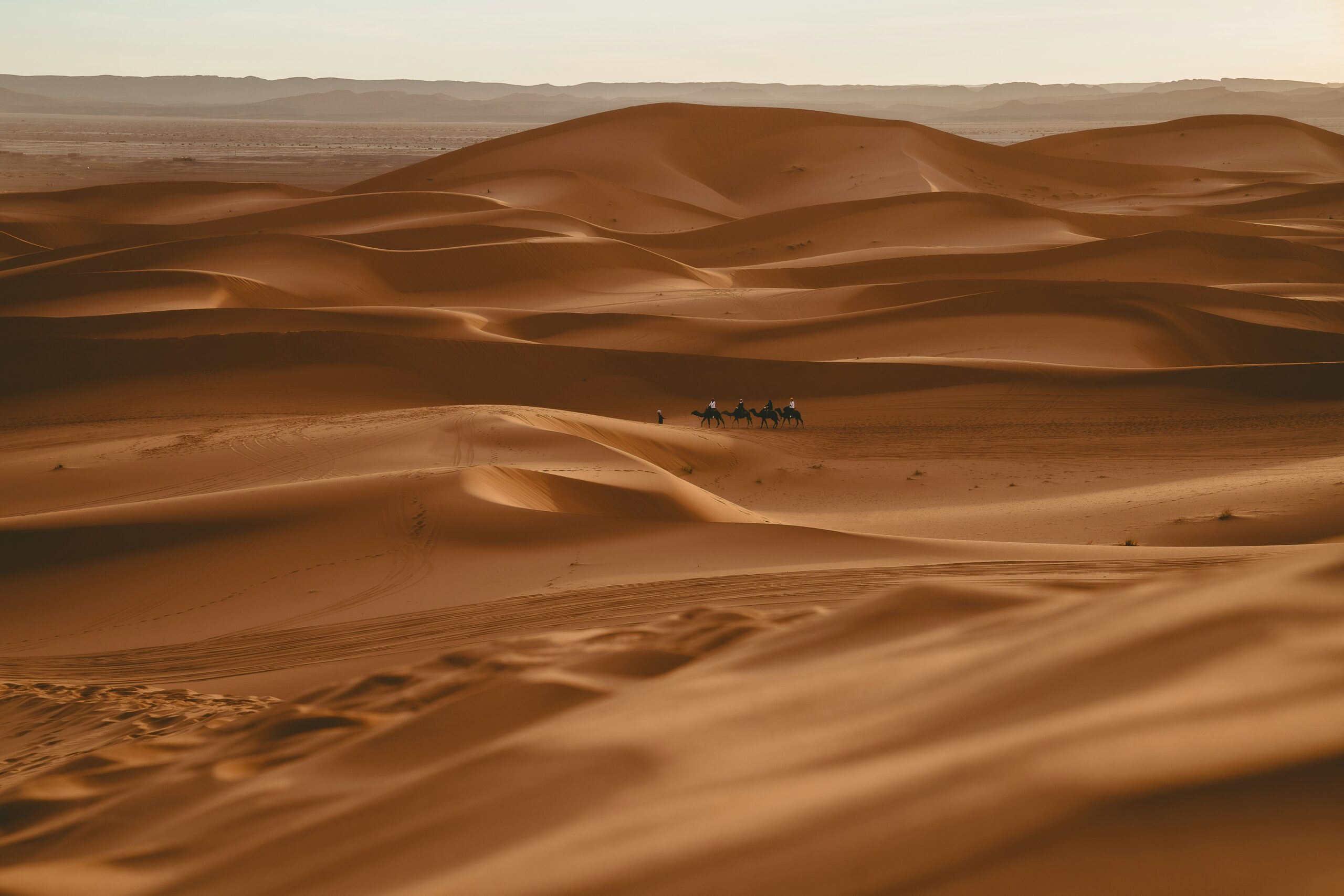
The Ancient Sahara: A Desert Unchanged
For millennia, the Sahara Desert has stood as a stark testament to the enduring power of nature. While civilizations rise and fall, empires crumble to dust, and the very landscape of the world shifts with the relentless march of time, the Sahara’s core remains stubbornly, magnificently, unchanged. This vast expanse of sand, rock, and an almost unimaginable emptiness has witnessed epochs of human history, yet it retains an aura of primal stillness, a monumental indifference to the fleeting dramas of humanity. It is a place where time itself seems to stretch and warp, where the whispers of ancient winds carry tales of a world that once was, and a present that feels as eternal as the stars overhead. To speak of the ancient Sahara is to speak of a desert that, in its essence, is still the desert of our ancestors, a canvas upon which the immensity of geological and climatic forces has painted an indelible masterpiece.
The popular image of the Sahara is one of relentless aridity, a desolate wasteland stretching as far as the eye can see. However, this perception, while accurate for the present day, paints an incomplete picture of its long and dynamic history. The Sahara was not always the arid expanse we know today. Geological evidence and archaeological discoveries paint a vivid portrait of a significantly different past, a time when this formidable desert was a verdant and life-sustaining landscape, a cradle for early human development.
The African Humid Period: A Lush Transformation
The most significant period of change in the Sahara’s recent geological past was the African Humid Period, also known as the Green Sahara. This phase, which occurred intermittently over thousands of years, most notably between roughly 11,000 and 5,000 years ago, witnessed a dramatic transformation of the region. Prevailing monsoon patterns, driven by shifts in Earth’s orbital cycles (Milankovitch cycles), brought significantly more rainfall to North Africa.
Monsoonal Rains and Flourishing Ecosystems
Instead of scorching winds and endless dunes, the Sahara during these periods was characterized by savannas, grasslands, lakes, and even rivers. Vast inland seas, such as the Mega-Chad, formed, supporting a rich biodiversity. The landscape teemed with life: herds of wildebeest, antelopes, and elephants roamed freely, while hippopotamuses wallowed in the lakes. The skies were alive with birds, and the waters teemed with fish. This was not a barren land; it was a vibrant ecosystem capable of supporting human populations.
The Impact on Early Human Migration
This lush environment played a crucial role in the early migration of humans out of Africa. The Sahara, far from being a barrier, served as a migratory corridor. Early hunter-gatherer societies could traverse the region, following game and water sources. Archaeological evidence, such as rock art found in remote cave systems, provides compelling testimony to this era. These ancient depictions showcase a diverse array of animals, including giraffes, lions, and crocodiles, creatures that are now entirely absent from the modern Sahara. They also depict scenes of daily life, of hunting, herding, and communal gatherings, painting a picture of vibrant human communities thriving in an environment that seems fantastical to us today. The discovery of these artifacts is a poignant reminder that the Sahara’s arid present is a mere chapter in a much longer, more complex story.
The Desertification Process: A Gradual Receding
The transition from the Green Sahara to the hyperarid desert we recognize today was not an abrupt event but a gradual process. As the Earth’s orbital cycles shifted, the monsoonal rains began to recede, and the once-lush landscape slowly succumbed to drought. This desertification was a slow, inexorable process, but its effects were profound. Lakes dried up, rivers dwindled, and vegetation withered. The once-fertile plains transformed into barren steppes, and eventually, the iconic sand dunes began to form and expand, shaping the Sahara into the formidable desert it is today.
The Role of Climate Cycles
The primary driver of this transformation was the natural variation in Earth’s climate. The Milankovitch cycles, which influence the amount of solar radiation reaching Earth at different latitudes, played a significant role. When the tilt of the Earth and its orbital eccentricity aligned in a way that increased summer insolation in the Northern Hemisphere, it amplified the Indian Ocean monsoon, bringing rain to the Sahara. As these cycles shifted, the monsoonal rains weakened, leading to the arid conditions. Understanding these past climate fluctuations provides a valuable perspective on the Sahara’s dynamic nature and its potential for future changes.
Human Influence and Exacerbation
While climate cycles were the primary drivers, human activities may have also played a role in exacerbating the desertification process once it began. Overgrazing by livestock and unsustainable agricultural practices in fringe areas could have contributed to soil degradation and erosion, making the land more vulnerable to the effects of drought. This interplay between natural climate change and human impact is a recurring theme in environmental history, and the Sahara’s past offers a powerful case study.
Thousands of years ago, the Sahara Desert was not the arid expanse we see today; it was a lush and vibrant landscape teeming with life. This transformation from a fertile region to a vast desert is a subject of great interest among researchers. For those intrigued by ancient civilizations and their monumental achievements, an insightful article on the construction of massive stones at Baalbek can be found here: The Mystery of Baalbek’s Massive Stones. This piece explores the engineering marvels of the past and offers a glimpse into the cultures that once thrived in regions that are now inhospitable.
The Unyielding Terrain: A Sculptural Masterpiece
The Sahara is not merely a flat expanse of sand. Its topography is a complex and varied masterpiece, sculpted by the relentless forces of wind, water (in its historical context), and time. The sheer scale and diversity of its geological features are awe-inspiring, revealing a landscape that has been shaped over millions of years.
The Grand Erg Suites: Oceans of Sand
Perhaps the most iconic features of the Sahara are its vast sand seas, known as ergs. These are immense areas covered by undulating sand dunes, some reaching hundreds of meters in height. The largest of these are the Grand Erg Oriental and the Grand Erg Occidental, stretching across swathes of Algeria and Tunisia.
Dune Formation and Dynamics
The formation and movement of these dunes are a continuous, dynamic process. Winds, often bearing sand particles, constantly sculpt and reshape the landscape. Different wind directions and strengths create a variety of dune forms: crescent-shaped barchans, linear seifs, and star dunes, each with its own unique characteristics. The constant shifting of sand means that the Sahara is a landscape in perpetual motion, albeit on a geological timescale. Studying these dune systems provides insights into aeolian geomorphology and the powerful forces that shape arid environments.
The Barren Beauty of the Sands
Despite their apparent emptiness, the ergs possess a stark, captivating beauty. The play of light and shadow across the dunes, the subtle color variations of the sand, and the sheer, overwhelming scale create a sense of profound solitude and awe. For those who traverse them, the ergs represent a test of endurance and a journey into a primal, elemental landscape.
Rocky Plateaus and Mountains: Ancient Giants
Beyond the sandy ergs, the Sahara is also characterized by vast, stony plains known as regs, and imposing mountain ranges that rise dramatically from the desert floor. These rocky landscapes reveal the deeper geological history of the region, bearing the scars of ancient geological activity.
The Hoggar and Tibesti Massifs
The Hoggar Mountains in Algeria and the Tibesti Mountains in Chad are prime examples of these majestic formations. These ancient massifs are volcanic in origin, with rugged peaks, deep canyons, and dramatic rock formations. They are remnants of a geologically active past, now weathered and eroded by millennia of wind and occasional flash floods.
Wadi Systems: Ghosts of Rivers Past
Wadis, or dry riverbeds, crisscross the Sahara, remnants of wetter periods. These channels, carved by ancient rivers, wind their way through the rocky plains and down from the mountain ranges. While they are dry for most of the year, they can be transformed into raging torrents during rare, intense rainfall events, a stark reminder of the desert’s potential for sudden, violent change. These wadi systems are also crucial ecological niches, harboring sparse vegetation and providing water sources for nomadic peoples.
Salt Flats and Oasis: Pockets of Life
Amidst the vastness of sand and rock, the Sahara also harbors unique features like salt flats (chotts and sebkhas) and the life-giving oases. These areas, often the result of specific geological and hydrological conditions, represent crucial points of interaction between the desert and its inhabitants.
Chotts and Sebkhas: Arid Playgrounds
Chotts and sebkhas are ephemeral lakes that form in depressions where water collects after rainfall. As the water evaporates, it leaves behind a crust of salt and minerals, creating vast, shimmering plains that are a stark contrast to the surrounding desert. These environments, though harsh, support specialized plant and animal life adapted to saline conditions.
Oases: Lifeblood of the Desert
The oases are perhaps the most vital features of the Sahara. These are areas where underground water sources come to the surface, creating pockets of lush vegetation and providing essential resources for human settlements and wildlife. From small, palm-fringed springs to larger, more extensive wetland areas, oases are the lifeblood of the desert, sustaining communities and acting as crucial stopovers for migratory birds and desert animals. They are testament to the resilience of life in the face of extreme aridity.
The Wind’s Eternal Sculptor: The Aeolian Force
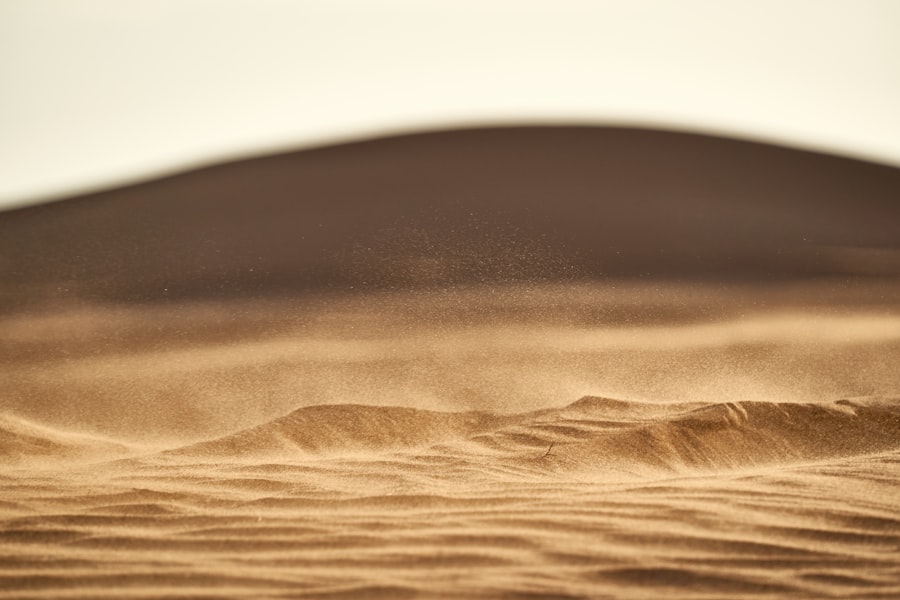
The wind is the primary sculptor of the modern Sahara, a relentless artisan that continuously reshapes its surface. Its power is evident in the ever-moving dunes, the polished rocks, and the fine dust that blankets the landscape. The aeolian processes are fundamental to understanding the Sahara’s ever-changing, yet ancient, face.
The Power of Aeolian Erosion
The wind’s erosive power is immense. As it sweeps across the desert, it carries sand grains, which act like sandpaper, abrading and wearing down rock formations. This process, known as abrasion, can create smooth, polished surfaces and distinctive wind-carved features. The sheer force of the wind can also dislodge and transport vast quantities of sand, leading to the formation and migration of dunes.
Sandblasting and Ventifacts
Sandblasting is a common phenomenon in the Sahara, where airborne sand particles relentlessly scour any exposed surfaces. This constant bombardment can create unique geological formations known as ventifacts – rocks that have been shaped and polished by the wind. The intricate patterns and smooth surfaces of these ventifacts are a testament to the wind’s prolonged and persistent work.
The Creation of Dunes
As mentioned earlier, the wind is the architect of the Sahara’s iconic dunes. The ceaseless movement of sand, driven by prevailing wind patterns, leads to the formation of a vast array of dune types. These sandy structures are not static; they migrate across the landscape, a slow but inexorable movement that can engulf ancient settlements and alter the very topography of the desert.
Aeolian Deposition: Building the Sands
While erosion shapes the landscape by removing material, aeolian deposition is the process by which the wind builds up new landforms, most notably the vast sand seas. The wind carries sand particles over long distances, and when the wind speed decreases or encounters an obstacle, it drops its load, leading to the accumulation of sand.
Dune Migration and Landscape Change
The continuous process of aeolian deposition causes dunes to migrate. This migration can be significant, with some dunes moving several meters per year. This constant flux means that the Sahara is a dynamic landscape, with features that are always changing. Ancient routes and settlements can be buried by sand, only to be revealed again centuries later as the sands shift.
The Fine Dust of the Sahara
Beyond the dunes, the wind also transports and deposits fine dust particles over vast distances. This Saharan dust, rich in minerals, is carried across the Atlantic Ocean, fertilizing rainforests in the Amazon and contributing to marine ecosystems. This interconnectedness highlights how the Sahara, despite its remoteness, plays a significant role in global environmental processes.
The Resilience of Life: Adapting to Extremes
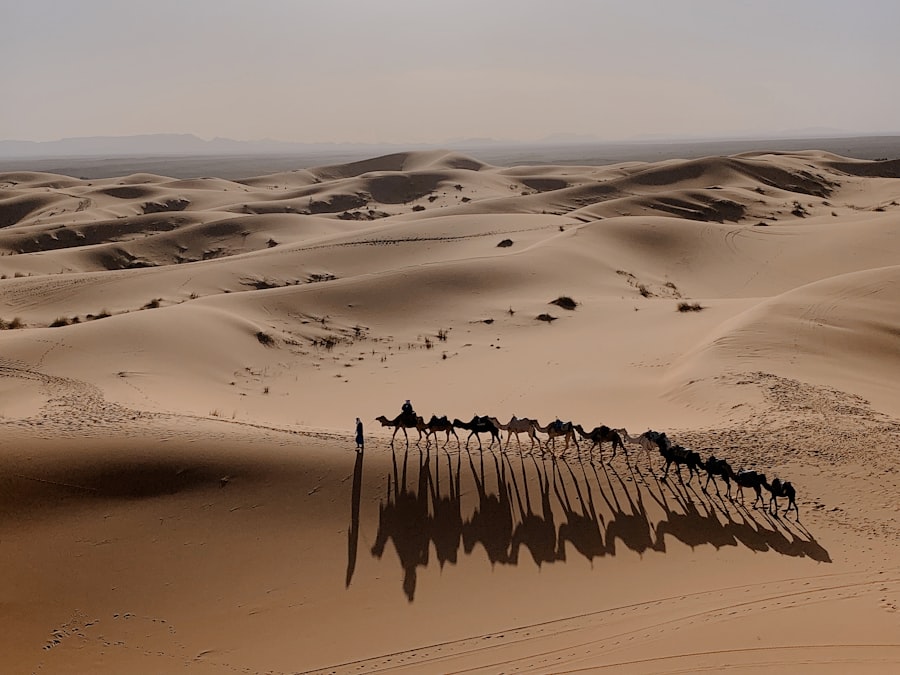
Despite its harsh conditions, the Sahara is not devoid of life. A remarkable array of flora and fauna has evolved to survive and even thrive in this extreme environment, showcasing the incredible adaptability of life on Earth.
Desert Flora: Masters of Survival
The plant life of the Sahara is a testament to ingenuity and resilience. Plants have developed a variety of strategies to cope with extreme heat, drought, and nutrient-poor soils.
Xerophytes: Thirst-Quenching Strategies
Many Saharan plants are classified as xerophytes, meaning they are adapted to arid conditions. These adaptations include deep taproots that reach underground water sources, small leaves or spines to minimize water loss through transpiration, and waxy coatings on leaves and stems to further reduce evaporation. Succulents, like various species of Euphorbia, store water in their fleshy tissues.
Ephemeral Plants: The Desert Bloom
During the infrequent periods of rainfall, the Sahara can experience a spectacular transformation as ephemeral plants burst into bloom. These plants have seeds that can remain dormant for years, waiting for the opportune moment to germinate. They grow rapidly, flower, and produce new seeds, completing their life cycle in a matter of weeks before the desert dries out once more. This “desert bloom” is a fleeting but breathtaking display of life’s tenacity.
Desert Fauna: Enduring the Heat and Scarcity
The animal kingdom of the Sahara is equally remarkable in its ability to adapt to the extreme conditions.
Adaptations for Heat and Water Conservation
Many Saharan animals are nocturnal, becoming active during the cooler night hours to avoid the intense daytime heat. They have evolved efficient kidneys to produce concentrated urine, minimizing water loss. Some animals, like the Fennec fox, have large ears that help dissipate body heat. Camels, the iconic desert dwellers, are renowned for their ability to survive for extended periods without water, storing fat in their humps which can be metabolized for energy and water.
Specialized Habitats and Survival
From the hardy desert reptiles, like the thorny devil lizard, to the swift gazelles and the elusive Saharan cheetah, each species has carved out a niche for itself within this challenging ecosystem. Insects, such as the dung beetle, play vital roles in nutrient cycling, while birds, like the desert lark, have adapted to forage for scarce food sources. The survival of these creatures highlights the intricate web of life that persists even in the most desolate environments.
The Sahara Desert, known today for its vast stretches of sand and arid climate, was once a lush and vibrant region thousands of years ago, teeming with life and vegetation. This transformation is explored in depth in an intriguing article that discusses ancient megalithic engineering and its connection to the changing landscapes of our planet. For those interested in understanding how civilizations adapted to their environments, the article can be found here, shedding light on the remarkable ingenuity of our ancestors in the face of climatic shifts.
The Sahara’s Enduring Legacy: A Timeless Landscape
| Aspect | Details |
|---|---|
| Time Period | Thousands of years ago |
| Climate | Wetter and greener |
| Vegetation | Grasslands, lakes, and rivers |
| Animal Life | Megalithic animals like elephants and hippos |
| Human Presence | Early human settlements and rock art |
The ancient Sahara, with its vastness, its dramatic landscapes, and its resilient life, continues to hold a profound fascination for humanity. It is a place that evokes a sense of awe and wonder, a reminder of the raw power of nature and the enduring cycles of time.
A Source of Inspiration and Mystery
For centuries, the Sahara has been a source of inspiration for explorers, artists, writers, and filmmakers. Its seemingly boundless horizons and its stark beauty have captured the imagination, fueling tales of adventure, hardship, and discovery. The desert’s vastness and its isolation have also lent themselves to a sense of mystery, inviting speculation about hidden treasures and ancient secrets.
The Importance of Preservation
As our understanding of the Sahara’s ecological significance and its unique biodiversity grows, so too does the importance of its preservation. Threats such as climate change, resource extraction, and unsustainable tourism practices pose potential risks to this fragile ecosystem. Protecting the Sahara means safeguarding not only its natural wonders but also the invaluable lessons it holds about adaptation, resilience, and the long, unyielding history of our planet.
The Unchanging Heart of a Changing World
In a world characterized by rapid change, the ancient Sahara stands as a powerful symbol of endurance. While human endeavors may transform the surface of the Earth, the fundamental essence of this colossal desert remains, echoing the vast geological and climatic forces that have shaped it over millennia. It is a place that reminds us of our place within the grand tapestry of time, a testament to the profound and enduring power of a desert that, in its heart, remains remarkably unchanged.

260 Ancient Graves Were Hiding in This “Empty” Desert
FAQs
1. What was the climate of the Sahara desert thousands of years ago?
The Sahara desert was not always the arid, dry landscape it is today. Thousands of years ago, the Sahara experienced a much wetter and more hospitable climate, with evidence of rivers, lakes, and vegetation.
2. What evidence supports the idea of a wetter Sahara in the past?
Evidence such as ancient rock art, fossils, and geological studies indicate that the Sahara was once a much greener and more habitable environment. Fossils of aquatic animals and plants have been found in the region, along with rock art depicting animals that are not found in the desert today.
3. What caused the shift from a wetter Sahara to the arid desert it is today?
The shift from a wetter Sahara to the arid desert it is today is believed to be due to changes in the Earth’s orbit and tilt, as well as natural climate cycles. These changes led to a gradual drying of the region over thousands of years.
4. How did the change in climate impact human populations in the Sahara?
As the Sahara became drier, human populations in the region were forced to adapt to the changing environment. Some migrated to more hospitable areas, while others developed new strategies for survival in the desert, such as relying on trade routes and oases for resources.
5. What can the study of the Sahara’s past climate tell us about climate change today?
Studying the Sahara’s past climate can provide valuable insights into how natural climate cycles and environmental changes can impact a region. It can also help scientists and researchers better understand the potential long-term effects of climate change on arid and semi-arid regions around the world.