
The arid plains of Sudan, a landscape often characterized by its vast emptiness, hold within them echoes of civilizations long past. For archaeologists and historians, these seemingly desolate expanses are teeming with the untold stories of ancient peoples, and among the most profound are the secrets held by their final resting places. Recent discoveries have brought to light remarkable clusters of ancient cemeteries, offering unprecedented insights into the social structures, beliefs, and daily lives of communities that flourished thousands of years ago. These unearthed necropolises are not merely collections of tombs; they are intricate tapestries woven from human remains, grave goods, and the very earth that has preserved them, waiting to be deciphered.
The discovery and study of ancient cemeteries in Sudan are of paramount importance for understanding the trajectory of human civilization in Northeast Africa. Sudan, historically known as Nubia, was a crossroads of cultures, a nexus where influences from the Mediterranean, the Nile Valley, and Sub-Saharan Africa converged. The burial practices of its ancient inhabitants served as a direct reflection of these interactions, providing tangible evidence of their beliefs about the afterlife, their social hierarchies, and their connections to the wider world. Unlike the monumental architecture of the pharaohs of Egypt, which often overshadows its southern neighbor, the cemeteries of Sudan offer a more intimate and granular view of everyday life and death among a broader spectrum of society.
Unveiling Social Hierarchies Through Grave Goods
The arrangement of artifacts within tombs and the types of objects interred alongside the deceased are invaluable indicators of social standing. In many of these ancient Sudanese cemeteries, a clear stratification is discernible. Wealthier individuals or those of higher status were often buried with an abundance of grave goods, including finely crafted pottery, ornate jewelry made from gold, faience, and semi-precious stones, weapons, and even imported luxury items. The sheer quantity and quality of these possessions suggest a system of wealth accumulation and a recognized social hierarchy that dictated who received such elaborate funerary treatment. The presence of foreign goods, such as beads from the Mediterranean or pottery styles not originating from the immediate region, further hints at established trade networks and the social capital associated with access to these external resources.
Insights into Religious and Spiritual Beliefs
The act of burial itself is deeply intertwined with spiritual beliefs. The orientation of the body, the specific placement of grave goods, and the construction of the tombs all speak to ancient understandings of the cosmos and the journey of the soul. In many Sudanese cemeteries, bodies are found in a contracted or semi-contracted position, often facing east, a direction frequently associated with the rising sun and rebirth. The inclusion of items believed to be useful in the afterlife, such as food vessels, personal adornments, and tools, underscores a belief in continued existence beyond earthly life. Certain cemeteries exhibit evidence of ritualistic practices, such as animal sacrifices or the burning of offerings, providing a glimpse into the complex religious ceremonies performed to ensure the deceased’s safe passage.
The Evolution of Burial Practices Over Time
The remarkable thing about these cemetery clusters is their longevity. Many span centuries, if not millennia, allowing archaeologists to trace the evolution of burial customs. As different cultures and kingdoms rose and fell in Sudan, their burial traditions also transformed. For instance, early hunter-gatherer burials might be simple pit graves, while later periods, influenced by Egyptian or Meroitic culture, might feature more elaborate rock-cut tombs or constructed mausoleums. Examining these changes over time allows researchers to understand the diffusion of ideas, the impact of conquest and cultural exchange, and the development of distinct regional identities. This diachronic perspective is crucial for constructing a nuanced history of the region.
Recent studies have shed light on the ancient cemetery clusters in Sudan, revealing significant insights into the burial practices and social structures of past civilizations. For a deeper understanding of how environmental factors may have influenced ancient societies, you can explore the article titled “The Bronze Age Collapse: Climate’s Role” which discusses the impact of climate on historical events. This article can be found at this link.
Early Discoveries and Pioneering Research
The systematic exploration of Sudan’s ancient past, particularly its burial grounds, has a rich history, marked by the dedication of numerous scholars and archaeologists. Early expeditions, often driven by a desire to emulate the grandeur of Egypt, gradually turned their attention southwards, revealing a civilization of equal, albeit different, historical significance. These pioneering efforts laid the groundwork for our current understanding of Sudanese archaeology, highlighting the importance of its extensive cemeteries.
Sir Flinders Petrie’s Contributions
The renowned Egyptologist Sir Flinders Petrie, though primarily focused on Egypt, also conducted significant work in Nubia during the late 19th and early 20th centuries. His meticulous excavation methods and his emphasis on pottery typology were instrumental in establishing chronological sequences for ancient sites. Petrie’s investigations, while limited in scope compared to later projects, hinted at the vast potential of Sudanese burial sites for understanding prehistoric and proto-historic periods. He recognized that the seemingly simpler remains in Nubia held crucial keys to understanding the broader Nile Valley civilization.
The German and British Expeditions
The early to mid-20th century saw a surge in archaeological activity in Sudan, with significant contributions from German and British expeditions. These teams, often working in challenging conditions, meticulously surveyed vast areas and conducted extensive excavations of prominent burial mounds and cemeteries. Their work brought to light key sites such as those at Meroe, Napata, and various sites along the Nile. The discoveries from these expeditions, including the identification of royal pyramids and the wealth of artifacts unearthed, firmly established Nubia’s place as a major ancient civilization. The detailed recording of strata and artifact associations by these teams, though sometimes constrained by the technology of their time, remains a valuable resource.
The Impact of the Aswan High Dam
The construction of the Aswan High Dam in the 1960s posed a dual challenge and opportunity for Sudanese archaeology. The rising waters of Lake Nasser threatened to inundate countless ancient sites, prompting an international rescue effort. This UNESCO-led initiative, known as the “Campaign to Save the Monuments of Nubia,” brought together archaeologists from around the world. While the primary focus was on relocating temples, the campaign also led to the extensive excavation of numerous cemeteries that would have otherwise remained undisturbed. This period of intensive fieldwork provided an unprecedented wealth of data, significantly expanding our knowledge of Nubian history and culture.
Notable Ancient Cemetery Clusters
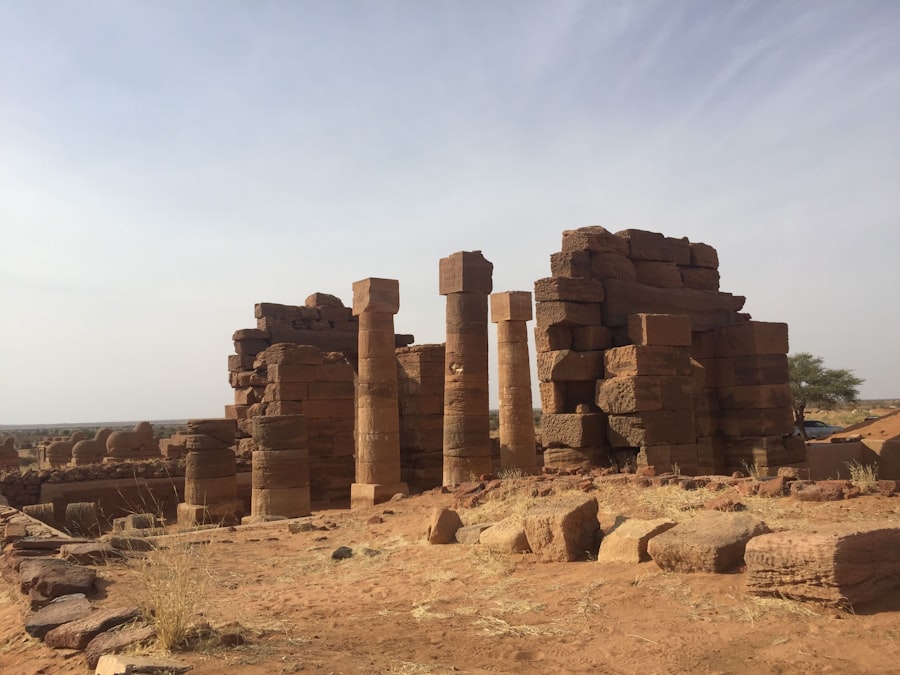
Sudan is home to a remarkable concentration of ancient burial sites, each offering a unique window into the past. These cemetery clusters, often spanning vast swathes of land and encompassing numerous individual burials, are testament to the enduring presence of human communities in these regions over millennia. Their study is central to understanding the development of Nubian civilization.
The Royal Necropolis of Meroe
Perhaps the most famous of Sudan’s ancient burial sites, the Royal Necropolis of Meroe is renowned for its impressive array of pyramids. These structures, distinct from their Egyptian counterparts in their steeper pitch and smaller scale, housed the tombs of Meroitic rulers. Excavations here have revealed a wealth of information about the Meroitic Kingdom, which flourished from around the 300 BCE to 350 CE. The pyramids themselves are elaborate constructions, often with underground burial chambers and chapels for offerings.
The Architecture of Meroitic Pyramids
The pyramids at Meroe are a defining feature of the landscape and a testament to the Meroitic architectural and engineering skills. Unlike the smooth-sided pyramids of Egypt, Meroitic pyramids are characterized by their stepped design and the presence of horizontal courses of stone. The steep angle of their sides is believed to have been influenced by earlier Kushite pyramid styles. The construction typically involved a core of rubble and mudbrick, faced with dressed stone. Elaborate relief carvings and inscriptions, often depicting the king and queen in religious or military scenes, adorned the chapels adjoining the pyramids.
Royal Burials and Associated Artifacts
The tombs within the Meroitic pyramids contained the remains of kings and queens, often accompanied by lavish grave goods. These included gold jewelry, bronze and iron weapons, finely crafted pottery, glass vessels, and imported luxury items such as Roman coins and Greek pottery. The presence of these foreign artifacts highlights Meroe’s extensive trade connections with the Mediterranean world and its position as a major power. The sarcophagi found within the chambers were often made of stone and bore inscriptions in the Meroitic script, a language that continues to pose a challenge for full decipherment.
The Royal Cemeteries of Napata
Prior to the Meroitic period, the Napatan Kingdom (c. 1070-350 BCE) was centered around the city of Napata, located further north on the Nile. This kingdom, which at one point even ruled Egypt as the 25th Dynasty, also possessed its own distinct royal necropolises, most notably at El-Kurru and Nuri. These sites predate the pyramids of Meroe and offer crucial insights into the development of Kushite royal burial traditions.
El-Kurru: The Earliest Royal Burials
El-Kurru is particularly significant as it contains the earliest known royal tombs of the Kushite dynasty. The burials here are characterized by rock-cut chambers and tumuli (burial mounds). The tomb of Piye, a powerful Kushite king who conquered Egypt, is located at El-Kurru. His tomb, though extensively plundered in antiquity, contained evidence of a grand burial, including granite sarcophagi and remnants of precious materials. The paintings that once adorned the walls of these tombs, some of which are still preserved, provide valuable iconographic information about Kushite religious beliefs and royal regalia.
Nuri: A Transition to Pyramid Building
The cemetery at Nuri represents a transition in Kushite royal burial practices, with the construction of pyramids becoming more common. Many of the rulers buried here were the successors to Piye. The pyramids at Nuri are generally larger than those at El-Kurru and exhibit a more developed architectural style. Excavations have yielded rich collections of grave goods, including pottery, bronze vessels, and jewelry, further illuminating the wealth and sophistication of the Napatan rulers. The inscriptions found at Nuri are also important for reconstructing the genealogy and achievements of these kings.
The Vast Cemeteries of the Lower Nubian Region
Beyond the royal burials, the Lower Nubian region, stretching from Aswan southwards to the Second Cataract, is dotted with an immense number of non-royal cemeteries. These sites, often dating from prehistoric times through the Christian era, represent the burial grounds of ordinary people – farmers, artisans, and soldiers. The sheer scale and diversity of these cemeteries are invaluable for understanding the social fabric of ancient Nubia.
Prehistoric and Early Dynastic Burials
The earliest human settlements in Nubia are evidenced by their burial practices. Prehistoric cemeteries, such as those found at sites like Jebel Sahaba, reveal early hunter-gatherer communities. These burials are often simple, with bodies interred in shallow graves, sometimes accompanied by basic tools or personal ornaments. The Jebel Sahaba cemetery, in particular, is notable for the evidence of violence, with numerous projectile points embedded in the skeletal remains, suggesting inter-group conflict.
The Kerma Culture Cemeteries
The Kerma period (c. 2500-1500 BCE) witnessed the rise of a powerful indigenous Nubian civilization. The main center of this culture was at Kerma, which boasted extensive cemeteries alongside its impressive city. The burials of the Kerma people range from simple graves to elaborate elite burials, including the “Defuffa West” burial, which contains the remains of a powerful ruler interred with numerous retainers and animals. The pottery and other artifacts found in these cemeteries are distinctive and provide a clear marker for this important period.
Later Nubian and Christian Period Burials
As Nubian history progressed, so too did its burial customs. The cemeteries from the Middle Kingdom, New Kingdom, and later periods reflect changing political landscapes and cultural influences. The Christian period in Nubia (roughly 6th to 15th centuries CE) also left behind a wealth of cemeteries, often featuring burials in simple graves adorned with Christian amulets and pottery. The architectural styles of tombs and the types of grave goods provide a chronological framework for understanding the continuity and change in Nubian societies.
Methodologies for Uncovering and Analyzing Cemeteries
The work of uncovering and understanding ancient cemetery clusters in Sudan is a complex and multidisciplinary endeavor. It requires meticulous excavation techniques, sophisticated analytical methods, and a deep understanding of the archaeological and historical context. The challenges are significant, from the vastness of the terrain to the preservation issues posed by the arid environment.
Remote Sensing and Geophysical Survey
Before any excavation begins, modern archaeological practice often employs remote sensing and geophysical survey techniques. These methods allow archaeologists to identify potential burial sites without disturbing the ground. Satellite imagery, aerial photography, and LiDAR (Light Detection and Ranging) can reveal subtle topographical features that might indicate the presence of ancient structures or mounds. Geophysical surveys, such as ground-penetrating radar (GPR) and magnetometry, can detect anomalies beneath the surface, such as buried walls, pits, or even human remains, helping to map out the extent and density of cemeteries.
Excavation and Stratigraphic Recording
When a potential site is identified, careful excavation is undertaken. Archaeologists meticulously remove layers of soil (strata) to reveal the buried remains. Each layer is documented, noting its composition, color, and any artifacts found within it. The principle of stratigraphy is fundamental: lower layers are generally older than upper layers, providing a chronological sequence for the site. Detailed drawings, photographs, and notes are made at every stage of the excavation to ensure that the spatial relationships between burials, artifacts, and geological features are preserved for future analysis.
Osteological and Bioarchaeological Analysis
Once human remains are exhumed, they are subjected to detailed osteological and bioarchaeological analysis. This involves studying the bones themselves to determine age, sex, health status, and any evidence of disease or trauma. Bioarchaeology also looks at isotopic analysis of teeth and bones, which can reveal dietary habits and geographical origins, providing insights into migration patterns and trade. The study of ancient DNA (aDNA) is increasingly being used to understand kinship, population movements, and genetic relationships between individuals and groups.
Artifact Analysis and Chronological Dating
The artifacts recovered from cemeteries are crucial for dating the burials and understanding the lives of the people buried there. Pottery, metalwork, jewelry, and other objects are analyzed for their style, material, and manufacturing techniques. This allows archaeologists to compare them with known types from other sites and periods. Radiocarbon dating (¹⁴C dating) of organic materials, such as bone or charcoal found in association with burials, provides absolute dates, helping to establish a more precise chronological framework for the cemetery clusters.
Recent studies have shed light on the ancient cemetery clusters in Sudan, revealing fascinating insights into the burial practices and cultural significance of these sites. Researchers have noted that these cemeteries not only serve as a testament to the rich history of the region but also face threats from environmental changes. For a deeper understanding of how rising sea levels can impact archaeological sites around the world, you can read more in this article about the threat of rising sea levels.
Challenges and Future Directions
| Location | Number of Clusters | Period |
|---|---|---|
| Northern Sudan | 20 | Neolithic period |
| Central Sudan | 15 | Meroitic period |
| Eastern Sudan | 10 | Christian period |
Despite the remarkable progress made in uncovering and understanding ancient Sudanese cemeteries, significant challenges remain, and exciting avenues for future research are emerging. The vastness of the Sudanese landscape, coupled with ongoing political and economic instability in some regions, can hinder extensive fieldwork. However, technological advancements and a growing understanding of the importance of these sites are paving the way for new discoveries and deeper insights.
Preservation and Conservation Concerns
The fragile nature of ancient remains and artifacts, particularly in the harsh desert climate, poses a constant threat. Dust storms, erosion, and the impact of human activity (both intentional and unintentional) can lead to the degradation of burial sites. Effective conservation strategies are crucial to protect these invaluable resources for future generations. This includes stabilizing structures, protecting exposed remains, and implementing responsible tourism practices where applicable.
Deciphering the Meroitic Script and Language
One of the most significant ongoing challenges is the full decipherment of the Meroitic script and language. While progress has been made, a complete understanding of the written records from Meroe remains elusive. The ability to fully read and comprehend Meroitic inscriptions would unlock a wealth of information about Meroitic history, religion, administration, and daily life, revolutionizing our understanding of this ancient kingdom. Ongoing efforts by linguists and epigraphers are crucial in this regard.
The Potential of Advanced Technologies
The future of Sudanese cemetery research lies in the continued integration of advanced technologies. Portable X-ray fluorescence (pXRF) can allow for on-site elemental analysis of artifacts, reducing the need to transport fragile items. Drones equipped with advanced imaging sensors can provide detailed aerial surveys and 3D models of sites. Virtual reality (VR) and augmented reality (AR) technologies hold promise for reconstructing and visualizing ancient burial landscapes, making them accessible to a wider audience. Furthermore, the application of advanced bioinformatics and population genetics studies will continue to shed light on the complex demographic history of Nubia.
The ancient cemetery clusters of Sudan are not merely silent repositories of the dead; they are vibrant archives waiting to be read. Each unearthed grave, each analyzed artifact, and each reconstructed ritual offers a fragment of a complex and compelling human story. As research continues, and as new technologies unlock deeper levels of analysis, these remarkable necropolises will undoubtedly continue to redefine our understanding of African history and the interconnectedness of ancient civilizations. The arid plains of Sudan hold their secrets close, but with each careful excavation, they yield more of their profound legacy.

260 Ancient Graves Were Hiding in This “Empty” Desert
FAQs
What are ancient cemetery clusters in Sudan?
Ancient cemetery clusters in Sudan are groups of burial sites that date back to ancient times, often containing a large number of graves and artifacts. These clusters provide valuable insight into the burial practices, social structures, and cultural traditions of ancient Sudanese societies.
Where are the ancient cemetery clusters located in Sudan?
The ancient cemetery clusters in Sudan are located in various regions across the country, including the Nile Valley, Nubia, and other areas with historical significance. Some of the well-known sites include the ancient city of Meroe, the royal cemetery of Nuri, and the pyramids of Jebel Barkal.
What do the ancient cemetery clusters reveal about ancient Sudanese societies?
The ancient cemetery clusters in Sudan reveal important information about the religious beliefs, social hierarchies, and funerary practices of ancient Sudanese societies. The artifacts and inscriptions found in these burial sites provide valuable clues about the cultural and historical significance of these ancient civilizations.
What are some of the artifacts found in the ancient cemetery clusters?
Artifacts found in the ancient cemetery clusters in Sudan include pottery, jewelry, weapons, tools, and funerary objects. These artifacts offer insights into the material culture, craftsmanship, and trade networks of ancient Sudanese societies.
Why are the ancient cemetery clusters in Sudan important for archaeological research?
The ancient cemetery clusters in Sudan are important for archaeological research because they provide a wealth of information about the ancient civilizations that once thrived in the region. Studying these burial sites helps archaeologists and historians piece together the history and cultural development of ancient Sudanese societies.