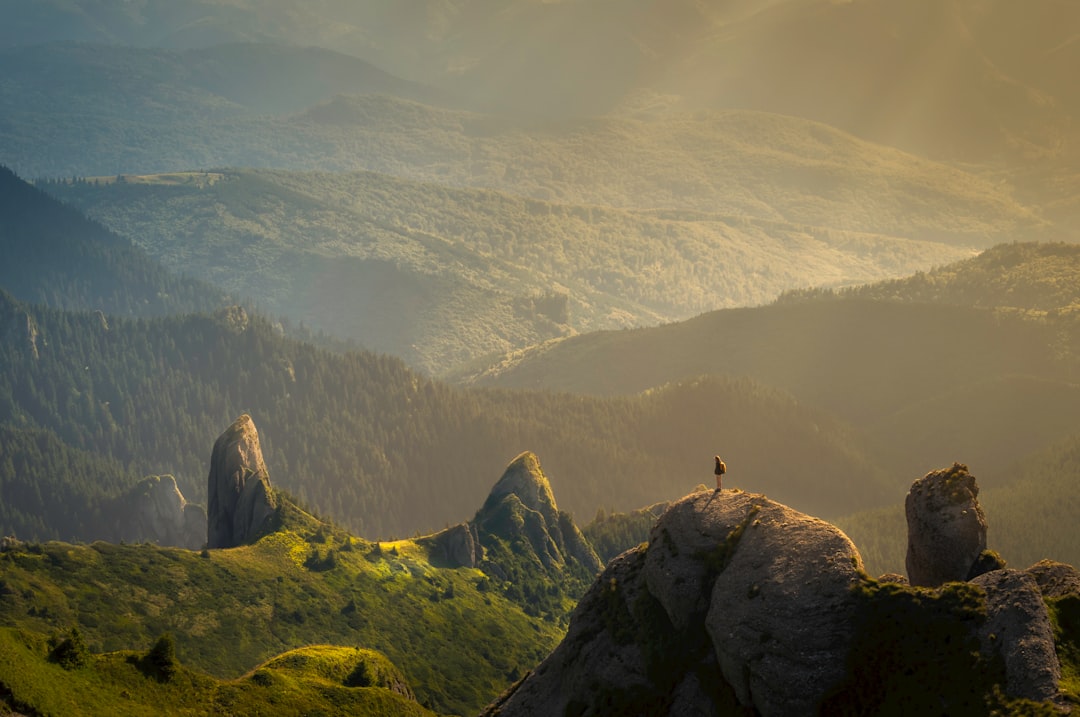
The Atbai Desert, a vast and largely unexplored expanse of stark beauty and unforgiving terrain, cradles within its ochre embrace a silent testament to millennia of human presence: its ancient rock art. These petroglyphs and pictographs, etched and painted onto the weathered surfaces of sandstone cliffs and boulders, offer a captivating glimpse into the lives, beliefs, and artistic expressions of peoples long vanished. To embark on an exploration of Atbai’s ancient rock art is to step back in time, to decode a visual language whispered across the ages, and to connect with the enduring human spirit that has thrived and adapted in this seemingly desolate landscape.
The Atbai Desert, a geological and historical mosaic, is characterized by its dramatic geological formations, its extreme climate, and its rich, though often hidden, archaeological record. Understanding the context of the rock art requires an appreciation for the land that birthed it.
Defining the Atbai Landscape
The Atbai is not a monolithic entity but rather a region encompassing diverse micro-environments. It is defined by sweeping plains of sand and gravel, punctuated by dramatic rock outcrops, wadis (dry riverbeds that can flash flood), and occasional oases that have sustained life for eons. The stark contrast between the arid expanses and the life-sustaining pockets creates a dynamic landscape that has shaped human settlement patterns and, consequently, the distribution of rock art. The geological history of the Atbai is written in its rock layers, evidence of ancient seas, volcanic activity, and millennia of erosion that have sculpted the land into its current form.
Climatic Resilience and Human Adaptation
The climate of the Atbai is defined by its extreme aridity and significant diurnal temperature variations. Summers are scorching, while winters can be surprisingly cold. Rainfall is scarce and erratic, often arriving in torrential downpours that can reshape the landscape. This harsh environment has necessitated incredible resilience and ingenuity from its human inhabitants. Early populations would have relied on a deep understanding of the environment, tracking game, identifying water sources, and navigating the vast distances. The rock art, in many ways, reflects this deep connection to and dependence on the natural world.
Archaeological Significance Beyond the Art
While the rock art is a primary draw, the Atbai Desert is also a repository of broader archaeological significance. Evidence of early human presence can be found in stone tools, pottery shards, and remnants of ancient settlements, often unearthed by the persistent winds that sweep across the desert. These artifacts, when studied in conjunction with the rock art, provide a more comprehensive understanding of the cultural evolution of the region. The rock art, therefore, is not an isolated phenomenon but an integral part of a larger historical narrative.
The Atbai Desert is renowned for its ancient rock art, which provides a fascinating glimpse into the lives and beliefs of early civilizations. This intriguing subject is further explored in a related article that discusses the catastrophic effects of lost innovations throughout history. To learn more about how ancient technologies have shaped human development and the potential consequences of their disappearance, you can read the article here: Apocalyptic Ancient Tech: Catastrophic Effects of Lost Innovations.
Unveiling the Petroglyphs: Whispers on Stone
The most prevalent form of rock art in the Atbai are the petroglyphs, images pecked, incised, or abraded into the rock surface. These enduring markings have survived the relentless forces of wind and sand, acting as silent storytellers.
Techniques of Creation: The Art of the Engraver
The creation of petroglyphs involved a meticulous and labor-intensive process. Artists would have used harder stones to strike and chip away at the patinated surface of the rock, revealing the lighter rock beneath. Different tools, varying in size and shape, would have been employed to create fine lines, bold outlines, and textured areas. The skill and patience required to produce these images, often on vertical or challenging surfaces, speak volumes about the importance placed on their creation. The choice of rock type also played a role; softer, more easily workable stones were favored for detailed work, while harder surfaces might have been used for more durable, simpler designs.
Motifs and Meanings: A Diverse Visual Lexicon
The subject matter of Atbai petroglyphs is remarkably diverse, reflecting the world as perceived by their creators. Common motifs include:
Animal Representations: The Fauna of the Past
Perhaps the most striking and abundant petroglyphs are depictions of animals. These often include species that are no longer prevalent or have gone extinct in the region, offering valuable insights into past ecosystems. We find representations of:
- Desert Antelope and Gazelles: Swift and elusive, these animals were likely a crucial food source and were undoubtedly observed with great detail and respect. Their graceful forms are often captured with dynamism, suggesting movement.
- Wild Cattle and Bovids: Evidence of larger, now absent, ungulates points to a time when the Atbai might have supported a richer biomass. Their powerful build and imposing presence are often conveyed.
- Canids and Felids: Depictions of wolves, foxes, or even large cats hint at the predator-prey relationships and the dangers and opportunities these animals presented.
- Avian Life: Birds, though often more abstractly represented, are also present, signifying the importance of aerial observation and perhaps migratory patterns.
Human Figures: Glimpses into Society
Human figures are another significant element, offering clues about social organization, activities, and beliefs. These figures can range from simple stick-like forms to more elaborately depicted individuals. We see:
- Hunting Scenes: Dynamic portrayals of humans with spears, bows, or other hunting implements, engaged in the pursuit of game, underscore the vital role of hunting in their sustenance.
- Ceremonial and Ritualistic Representations: Some figures appear to be engaged in dance or other ritualistic activities, often adorned with headdresses or other regalia, suggesting the presence of complex spiritual or social practices.
- Anthropomorphic Figures: The merging of human and animal characteristics in some figures hints at shamanistic beliefs or the attribution of animalistic qualities to human beings.
Abstract and Geometric Designs: The Language of Symbolism
Beyond representational imagery, the Atbai rock art also features a wealth of abstract and geometric patterns. These can include:
- Circles and Spirals: These universal symbols often carry meanings related to the sun, the moon, cycles of life, or journeys.
- Lines and Grids: Such patterns could represent pathways, boundaries, or even astronomical observations.
- Unidentified Symbols: Many geometric forms remain enigmatic, defying easy interpretation and inviting speculation about their symbolic or perhaps even practical purposes.
Chronological Layers: A Tapestry of Time
The petroglyphs are not all of the same age. Through stylistic analysis, superposition (where newer carvings are placed over older ones), and contextual archaeological evidence, researchers can discern different chronological layers. This allows for a broader understanding of how artistic styles and subject matter evolved over thousands of years. Some of the earliest engravings may date back to the Neolithic period or even earlier, while others might be more recent, reflecting the persistence of certain traditions.
The Enigmatic Pictographs: Colors from the Earth
Alongside the engraved images, the Atbai Desert also preserves a scattering of pictographs – paintings created with pigments derived from natural sources. These vibrant (though often faded) additions offer another dimension to the desert’s ancient artistic heritage.
Pigment Sources and Application: Artistry with Natural Dyes
The creation of pictographs involved a sophisticated understanding of local resources. Artists would have gathered mineral pigments from the earth, such as:
- Iron Oxides: Providing a range of reds, oranges, and yellows, derived from ochres and hematite.
- Manganese Dioxide: Used to create blacks and dark browns.
- Clays: Employed for white or lighter earth tones.
These pigments were then ground into fine powders and mixed with a binder, such as animal fat, plant sap, or water, to create a paint. Application methods varied, likely involving fingers, brushes made from animal hair or plant fibers, or even blowing pigment through hollow reeds for stenciled effects. The choice of application often dictated the resulting texture and appearance of the painted figures.
Themes and Styles: A More Ephemeral Expression
Pictographs in the Atbai often share thematic similarities with petroglyphs, but their execution can sometimes appear more fluid and less permanent. We frequently find:
Animal Depictions in Color: Bringing Life to the Walls
Similar to petroglyphs, animals feature prominently in pictographs. The use of color can lend a sense of vitality and realism, even in faded forms. However, the palette is often limited by the available natural pigments, resulting in a characteristic earthy tone.
Human Forms in Motion: Dynamic and Expressive
Human figures are also common, and the application of paint can sometimes emphasize movement and dynamism. Handprints, both human and possibly animal, are also found, which could signify presence, ownership, or ritualistic markings.
Symbolic and Abstract Imagery in Paint: A Palette of Meaning
Abstract designs and geometric patterns are also rendered in paint, sometimes in bold contrast to the rock surface. These could have served similar symbolic purposes as their engraved counterparts, or perhaps carried distinct meanings specific to painted art.
The Challenge of Preservation: Fading Legacies
Unlike the more durable petroglyphs, pictographs are inherently more vulnerable to the elements. Sunlight, rain, and wind can cause pigments to fade, flake, and eventually disappear. This makes the surviving examples incredibly precious and highlights the urgent need for their documentation and protection. The specific micro-environments where pictographs are found – often sheltered overhangs or rock shelters – play a crucial role in their longevity.
Interpretations and Theories: Decoding the Messages
The interpretation of ancient rock art is a complex and often speculative endeavor. While definitive meanings may remain elusive, researchers employ various methodologies to gain insights into the purpose and significance of these ancient markings.
Functional Interpretations: Art with a Purpose
Several theories propose practical functions for the rock art:
Hunting Magic and Rituals: Ensuring Success
Many scholars believe that depictions of animals, particularly in hunting scenes, were linked to sympathetic magic. By depicting successful hunts, the artists may have hoped to influence the spirits of animals and ensure good fortune in actual hunts. The act of creating the art itself could have been a ritualistic practice.
Territorial Markers and Clan Symbols: Defining Space
The placement of rock art in specific locations, often near water sources or along ancient travel routes, suggests a possible territorial function. Certain symbols or stylistic elements might have served as markers for different clans or groups, communicating ownership or passage rights.
Educational Tools and Storytelling: Passing Down Knowledge
The detailed depictions of animals, their behaviors, and hunting techniques could have served as educational tools for younger generations, teaching them about the natural world and essential survival skills. The art could also have been used for storytelling, recounting myths, legends, or important historical events.
Symbolic and Spiritual Interpretations: The Realm of Belief
Beyond practical functions, rock art is widely believed to have held deep symbolic and spiritual significance:
Shamanism and Trance States: Visions and Connections
Some scholars propose that certain figures and motifs, particularly those with altered or fantastical forms, could be representations of shamanistic visions experienced during trance states. The act of creating art might have been part of a spiritual journey or a way to commune with the spirit world.
Cosmological Representations: Understanding the Universe
The geometric patterns and celestial depictions may have served as representations of the cosmos, the movements of the sun, moon, and stars, and the ancient peoples’ understanding of their place within the universe.
Ancestor Worship and Totemism: Honoring the Past
The portrayal of human ancestors or animal totems could indicate beliefs related to ancestor worship or totemism, where certain animals were revered as spiritual guides or ancestors.
The Challenge of Ethnographic Analogy: Bridging the Gap
Interpreting ancient rock art often relies on ethnographic analogy – comparing the art to the practices and beliefs of contemporary or historically documented indigenous groups in similar environments. However, this approach must be used with caution, as cultural contexts can change significantly over millennia.
The ancient rock art of the Atbai Desert offers a fascinating glimpse into the lives of early civilizations, showcasing their cultural expressions and beliefs. For those interested in understanding the broader implications of historical artifacts on modern economies, a related article discusses how tangible assets like gold and real estate can serve as a hedge against dollar devaluation. You can read more about this intriguing connection in the article found here.
Conservation and Future Exploration: Protecting a Fragile Heritage
| Location | Atbai Desert |
|---|---|
| Age | Ancient |
| Art Type | Rock Art |
| Significance | Historical and Cultural |
| Preservation | Challenges due to natural elements |
The Atbai Desert’s ancient rock art is a priceless heritage that faces numerous threats. Ensuring its survival for future generations requires dedicated conservation efforts and responsible exploration.
Threats to the Art: The Ravages of Time and Human Impact
Several factors endanger the survival of the rock art:
Natural Erosion and Weathering: The Slow Dissolution
The relentless forces of wind, sand, and water are the primary agents of natural erosion. Over millennia, these forces can wear away the rock surface, obscuring or destroying the art. Extreme temperature fluctuations can also cause rock to crack and fragment.
Vandalism and Illicit Removal: The Scars of Greed
Unfortunately, human impact poses a significant threat. Vandalism, including graffiti and deliberate damage, can mar the artwork. The illicit removal of rock art fragments for private collections or commercial purposes is also a serious concern, leading to the irreparable loss of context and cultural heritage.
Uncontrolled Tourism: The Tread of Footsteps
While tourism can foster appreciation and generate support for conservation, uncontrolled access can lead to increased foot traffic, accidental damage from touching or leaning on rock surfaces, and the disturbance of delicate ecosystems surrounding the art sites.
Conservation Strategies: Safeguarding the Past
Effective conservation requires a multi-pronged approach:
Documentation and Research: The Foundation of Preservation
Thorough documentation through high-resolution photography, 3D scanning, and detailed mapping is crucial. Ongoing research helps to understand the art’s context, age, and significance, which informs conservation priorities.
Site Management and Protection: Creating Safe Havens
Implementing protective measures, such as fencing off particularly vulnerable sites, establishing designated viewing areas to minimize visitor impact, and employing local guides to educate visitors, can help safeguard the art. patrols and surveillance can deter vandalism.
Community Engagement and Education: Guardians of Heritage
Engaging local communities as guardians of their heritage is essential. Educational programs for both local populations and tourists can foster a sense of responsibility and appreciation for the cultural significance of the rock art.
The Future of Exploration: Responsible Discovery
The Atbai Desert still holds many secrets. Future exploration must be conducted with the utmost respect and a commitment to conservation:
Ethical Exploration Practices: Minimizing Impact
Exploration should prioritize minimal impact, avoiding disturbance of the natural environment and archaeological sites. Researchers must adhere to strict protocols for excavation and artifact handling.
Technological Advancements: New Tools for Discovery
Emerging technologies, such as drone surveys and advanced remote sensing techniques, offer new ways to discover and map rock art sites without disturbing the landscape.
Collaborative Efforts: Uniting for Preservation
International collaboration between archaeologists, conservationists, and local authorities is vital to pool resources, share expertise, and ensure the long-term preservation of this extraordinary cultural treasure.
The ancient rock art of the Atbai Desert is more than just a collection of images; it is a window into the past, a testament to human creativity, and a reminder of our shared heritage. As we continue to explore and learn from these silent witnesses, we gain a deeper understanding of the enduring spirit of humanity and the profound connection between people and the landscapes they inhabit. The ochre pigments and etched lines of the Atbai whisper stories of survival, belief, and artistic expression, inviting us to listen and to protect these invaluable echoes of our ancestors.
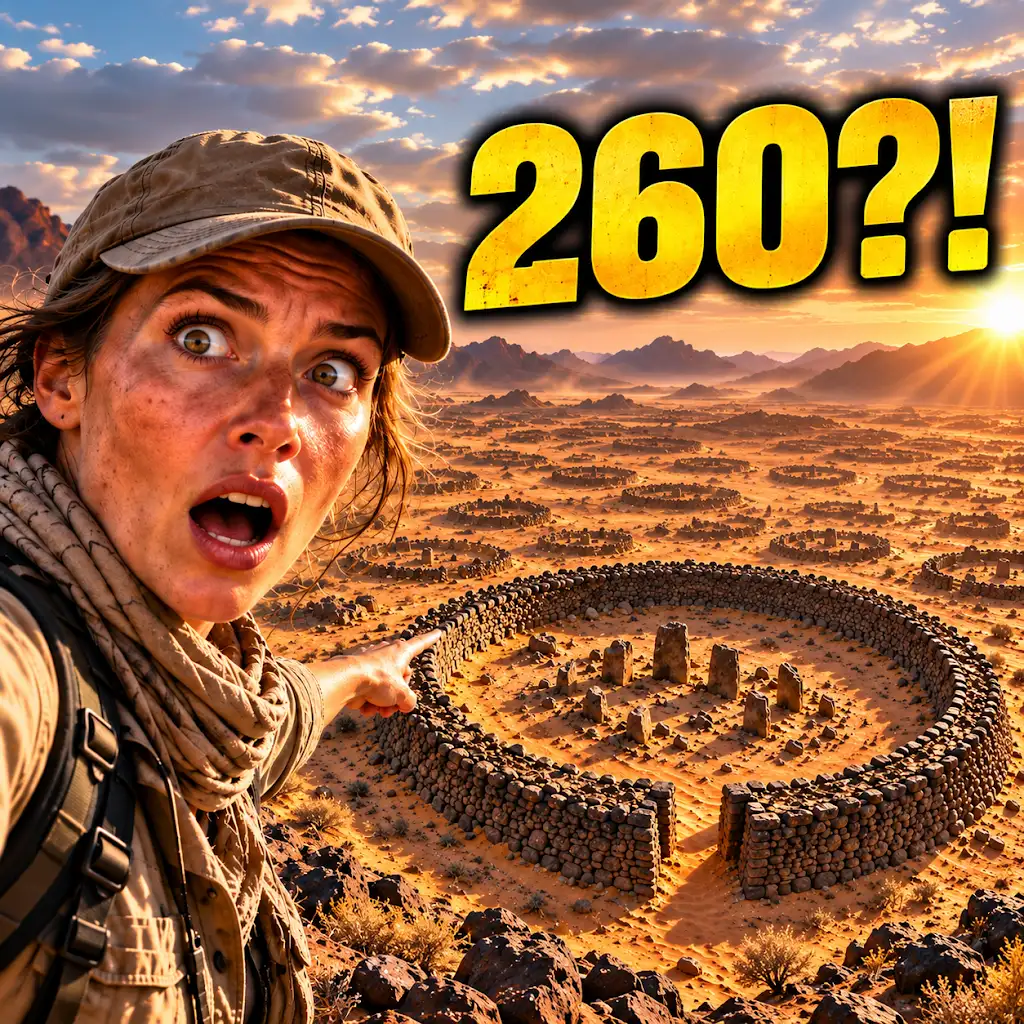
260 Ancient Graves Were Hiding in This “Empty” Desert
FAQs
What is the Atbai Desert?
The Atbai Desert is a desert region located in the central part of the Arabian Peninsula, primarily in Saudi Arabia. It is known for its arid climate and vast stretches of sand dunes.
What is ancient rock art?
Ancient rock art refers to prehistoric drawings, paintings, and carvings found on natural rock formations. These artworks are created by ancient civilizations and provide valuable insights into their culture, beliefs, and way of life.
Where is the Atbai Desert ancient rock art located?
The Atbai Desert ancient rock art is located in the Atbai region of the Arabian Peninsula, specifically in the rocky outcrops and cliffs of the desert. These rock art sites are scattered throughout the desert and are believed to date back thousands of years.
What do the Atbai Desert ancient rock art depict?
The Atbai Desert ancient rock art depicts a variety of subjects, including human figures, animals, hunting scenes, and geometric patterns. These artworks provide a glimpse into the daily lives, rituals, and beliefs of the ancient inhabitants of the region.
Why is the Atbai Desert ancient rock art significant?
The Atbai Desert ancient rock art is significant because it offers valuable insights into the cultural and artistic practices of ancient civilizations in the Arabian Peninsula. It also contributes to our understanding of human history and the development of art and symbolism.