The land of Egypt, a cradle of civilization and a tapestry of ancient wonders, owes its enduring identity to a profound and dynamic geological history. From the vast primordial oceans that once submerged its future soil to the sculpted deserts and fertile Nile Valley of today, Egypt’s landscape is a testament to eons of tectonic forces, sedimentation, erosion, and the slow, persistent work of water. Understanding this geological journey is crucial to appreciating not only the natural beauty of the nation but also the very foundations upon which its iconic civilizations were built, from the quarrying of stone for pyramids to the agricultural bounty of the Nile.
Egypt’s geological narrative begins not with pharaohs and pyramids, but with the very formation of the Earth’s crust. During the Precambrian Eon, the landmass that would eventually become Egypt was part of ancient supercontinents, undergoing periods of mountain building and erosion. These early eras are recorded in the oldest rock formations, primarily found in the Eastern Desert and the Sinai Peninsula. These rocks, largely igneous and metamorphic, tell a story of intense heat, pressure, and volcanic activity.
The Precambrian Basement: The Foundation of Egypt
The Precambrian basement rocks represent the ancient foundation upon which all subsequent geological history in Egypt was laid. These rocks are incredibly diverse, ranging from granite and gneiss to schists and volcanic rocks. The geological processes that formed them, such as continental collisions and periods of crustal extension, sculpted the early landscape. These formations are significant not only for their geological age but also for their mineral wealth, providing resources that would be exploited by ancient Egyptians for tools and ornaments. The precise dating of these rocks, through radiometric methods, allows geologists to reconstruct the tectonic events that shaped the supercontinents during this vast and formative period. The erosion of these ancient mountains would have contributed sediments to surrounding basins, beginning the cycle of deposition that would characterize much of Egypt’s future geological history.
Early Volcanic Activity and Mountain Building
The Precambrian was a period of intense geological activity globally, and Egypt was no exception. Large-scale volcanic eruptions contributed to the formation of thick layers of igneous rocks. Tectonic forces, including the collision of ancient continental plates, led to the uplift and folding of the Earth’s crust, creating mountain ranges that have long since been eroded into the more subdued hills and plateaus seen today. These mountain-building events, known as orogenies, are preserved in the structural deformation of the basement rocks, evidenced by folds, faults, and metamorphic textures. The presence of these ancient igneous and metamorphic rocks highlights the deep time geological processes that were at play long before any life, let alone complex civilizations, emerged.
The geological history of Egypt is a fascinating subject that reveals the ancient processes that shaped the landscape and contributed to the formation of its rich natural resources. For those interested in exploring how geological elements influence economic prospects, a related article discusses the economic value of lunar helium-3, which highlights the potential benefits of geological resources beyond Earth. You can read more about it in this article: The Economic Value of Lunar Helium-3.
The Mesozoic Era: The Rise of the Seas and the Age of Dinosaurs
As the Earth’s crust continued to evolve, Egypt’s geological story took a dramatic turn with the expansion of the Tethys Sea. During the Mesozoic Era, spanning from approximately 252 to 66 million years ago, this vast ocean covered large parts of what is now North Africa, including Egypt. This period is characterized by extensive marine sedimentation, laying down thick layers of sandstones, limestones, and shales. These sedimentary rocks are a treasure trove of information about ancient marine life and the environmental conditions of the time.
The Jurassic Period: Marine Incursions and Reef Building
During the Jurassic period, the Tethys Sea deepened and expanded, leading to the deposition of extensive marine sediments. In some areas, warm, shallow waters fostered the growth of coral reefs. The fossilized remains of these reefs, found in Jurassic limestones, provide evidence of the rich marine ecosystems that thrived in these ancient seas. The deposition of carbonates from marine organisms, such as corals and shells, formed thick sequences of limestone, which are a prominent geological feature in many parts of Egypt. These Jurassic rocks also contain valuable hydrocarbon resources, making them economically significant for modern Egypt.
The Cretaceous Period: A Time of Diverse Sediments and Dinosaur Encounters
The Cretaceous period witnessed a continued presence of the Tethys Sea, with varying sea levels and depositional environments. In some regions, clastic sediments like sandstones and shales were deposited, indicating riverine or near-shore marine influences. In others, the continued accumulation of carbonates formed thick limestone sequences, often rich in marine fossils. Importantly, this period is also known for the presence of dinosaurs. While direct fossil evidence for large dinosaurs is not as abundant in Egypt as in some other parts of the world, discoveries of dinosaur footprints and bone fragments in Cretaceous strata confirm their existence. The depositional environments of the Cretaceous are key to understanding the distribution of oil and gas reserves in Egypt, as many of these formations are excellent source and reservoir rocks.
The Cenozoic Era: Uplift, Erosion, and the Birth of the Nile
The close of the Mesozoic and the dawn of the Cenozoic Era, beginning about 66 million years ago, marked a period of significant tectonic upheaval. The collision between the African and Eurasian plates intensified, leading to widespread uplift and the formation of new mountain ranges, including those that would eventually frame the Nile Valley. This uplift played a crucial role in shaping drainage patterns and initiating the erosion processes that would define Egypt’s modern landscape.
The Eocene and Oligocene: The Impact of Tectonic Uplift
The Eocene and Oligocene epochs were characterized by substantial tectonic activity. The northward movement of the African plate against the Eurasian plate caused crustal deformation, leading to the uplift of large areas of Egypt. This uplift affected the sedimentary basins, tilting and folding rock layers. The formation of the Afro-Arabian plate, a consequence of this continental collision, also played a role in shaping the regional geology. The uplift generated topographic relief, which in turn influenced the development of drainage systems. This period is also marked by the deposition of significant fossiliferous limestones, particularly in the Fayoum Depression, which holds a remarkable record of early mammalian evolution.
The Miocene and Pliocene: The Genesis of the Nile Drainage System
As the landscape continued to be sculpted by uplift and erosion, the groundwork was laid for the emergence of the mighty Nile River. During the Miocene and Pliocene epochs, drainage systems began to consolidate, carving valleys into the elevated terrain. The exact origin and evolution of the Nile are complex and still debated, but it is understood to have developed as a consequence of regional tectonics and climatic shifts. Early iterations of the Nile may have flowed in different directions, but eventually, the forces of erosion and deposition, driven by the geological context, channeled its waters northward, creating the iconic river system. The erosion of the Ethiopian Highlands, a volcanic plateau, provided the sediment load that would eventually form the Nile Delta.
The Quaternary Period: The Reign of the Nile and Desertification
The last 2.6 million years, the Quaternary Period, have been dominated by the Nile River and the alternating cycles of aridity and humidity that have shaped Egypt’s deserts and its fertile lifeline. This period has seen dramatic climatic fluctuations, impacting both the river’s flow and the extent of the Sahara Desert.
The Pleistocene Epoch: Cycles of Flooding and Aridity
The Pleistocene epoch, characterized by glacial and interglacial periods in higher latitudes, led to significant fluctuations in global sea levels and precipitation patterns in Africa. During wetter interglacial periods, the Nile flowed more powerfully, depositing vast quantities of fertile silt, creating the fertile floodplains that would sustain ancient Egyptian agriculture. Conversely, during drier glacial periods, the Nile’s flow diminished, and the Sahara Desert expanded, encroaching on formerly vegetated areas. These cycles of inundation and desiccation are recorded in the layered deposits along the Nile Valley and in the formation of desert landforms. Evidence of ancient human settlements is often found in association with these paleo-river terraces.
The Holocene Epoch: The Modern Nile and the Arid Landscape
The Holocene epoch, from roughly 11,700 years ago to the present, has seen a more stable, albeit generally arid, climate. The Nile River, while its flow has been influenced by human intervention in recent centuries, has continued to be the primary source of water and life in Egypt. The construction of the Aswan High Dam has fundamentally altered the natural flood cycle, controlling the river’s discharge and preventing the annual deposition of silt. The surrounding landscape, however, remains largely arid, with vast expanses of sand dunes, rocky plateaus, and gravel plains characteristic of the Sahara Desert. The geological processes of wind erosion continue to shape these desert environments, creating iconic landforms.
The geological history of Egypt is a fascinating subject that reveals the intricate relationship between the land and its ancient civilizations. For those interested in exploring how environmental factors have influenced societal development, a related article discusses the broader implications of geological changes on human society. You can read more about this topic in the article titled “The Rise of Artificial Intelligence and Societal Collapse,” which can be found here. Understanding these connections can provide valuable insights into how ancient Egyptians adapted to their environment over millennia.
Geological Resources and Human Civilization
| Geological Period | Time Frame | Key Events |
|---|---|---|
| Pre-Cambrian | From 4.6 billion years ago to 541 million years ago | Formation of the Arabian-Nubian Shield |
| Phanerozoic | From 541 million years ago to present | Deposition of sedimentary rocks in the Nile Delta |
| Cenozoic | From 66 million years ago to present | Uplift of the Red Sea Rift |
Egypt’s geological history is inextricably linked to the rise and development of its ancient civilizations. The availability of specific rock types and mineral resources directly influenced the technological advancements and monumental achievements of these societies.
Building Materials: From Limestone to Granite
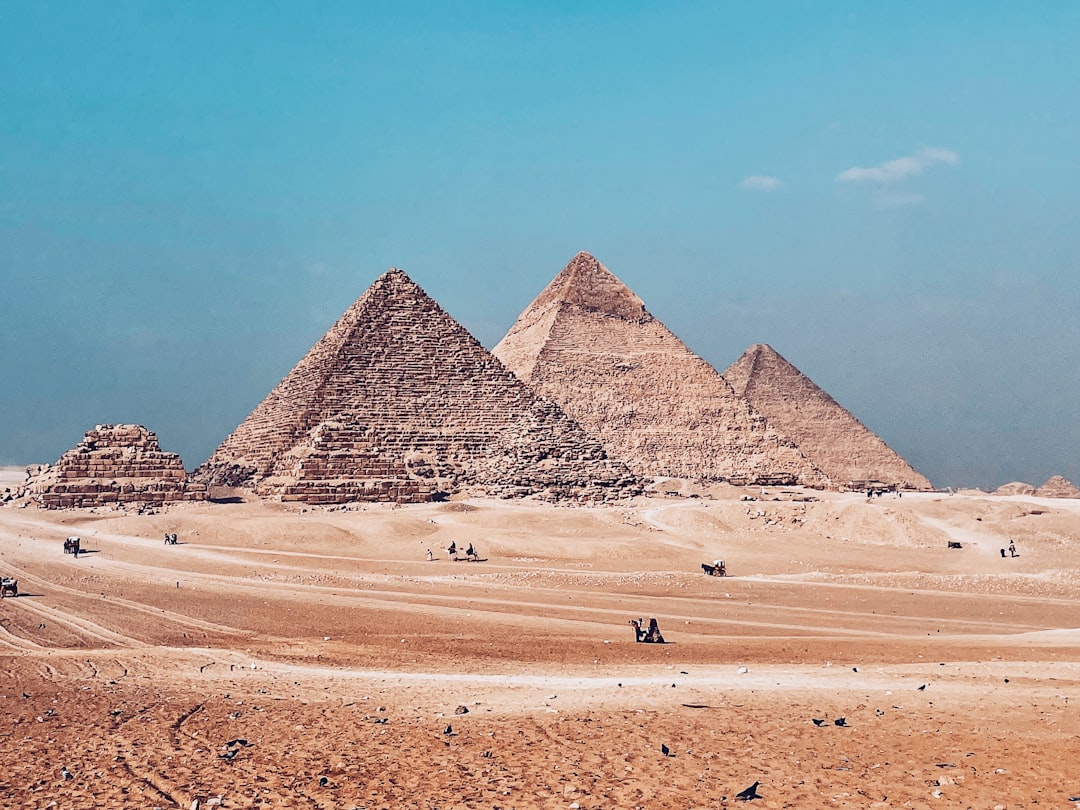
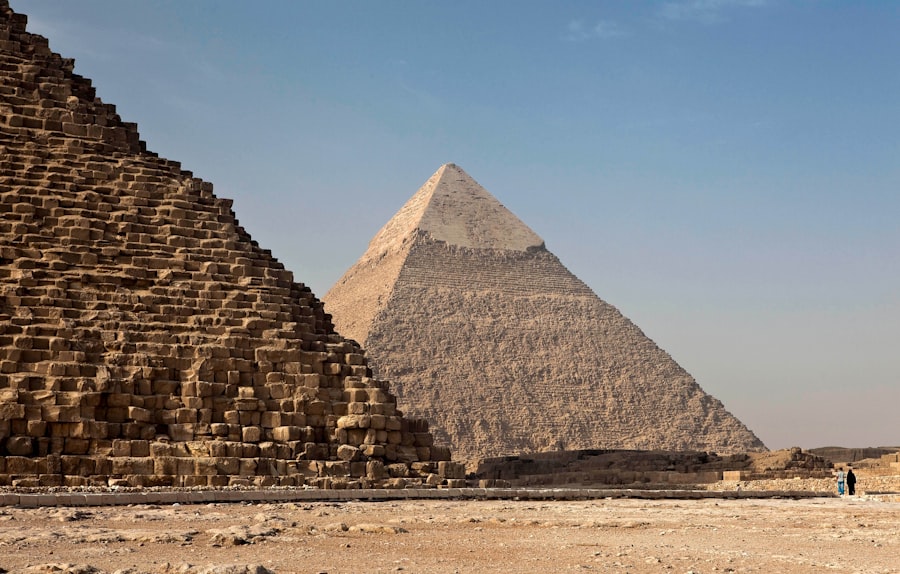
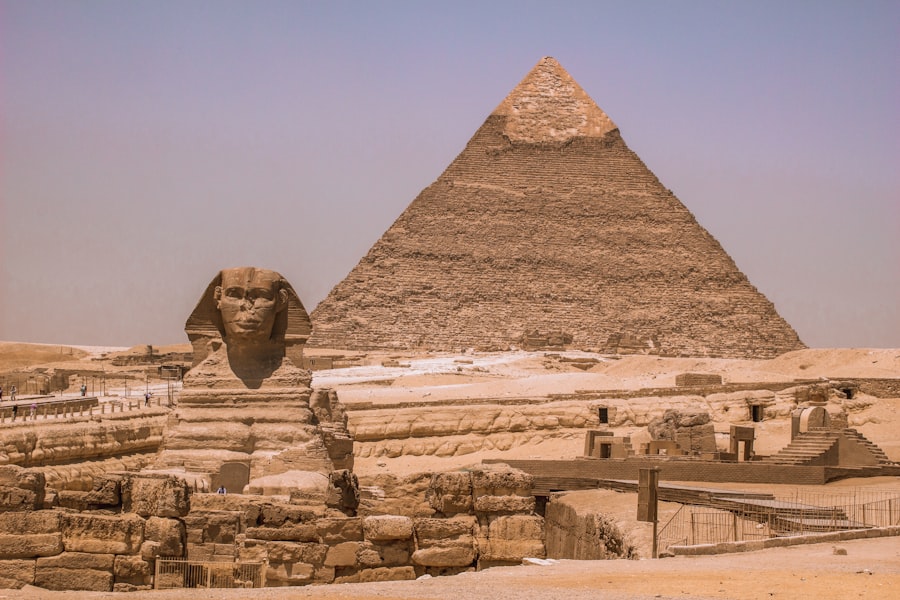
The abundant limestone deposits, particularly from the Eocene and Cretaceous periods, provided the primary building material for countless ancient Egyptian structures, including the pyramids of Giza, temples, and tombs. The ease with which limestone could be quarried and shaped made it ideal for construction. For more durable and monumental works, such as obelisks and sarcophagi, ancient Egyptians utilized harder igneous and metamorphic rocks like granite, quarried from areas like Aswan. The geological knowledge required to locate, extract, and transport these massive stones is a testament to the ingenuity of ancient engineers. The distinctive reddish-pink granite from Aswan, famous for its durability and aesthetic appeal, was a prized material.
Mineral Wealth: Gold, Copper, and Semi-Precious Stones
Beyond building materials, Egypt’s geological makeup provided a wealth of valuable minerals that fueled its economy and artistic traditions. Gold deposits, primarily found in the Eastern Desert in Precambrian rocks, were a source of immense wealth and prestige for the pharaohs. Copper was also extracted and utilized for tools, weapons, and ornaments. Semi-precious stones, such as turquoise, amethyst, and carnelian, found in various geological settings, were used for jewelry and decorative items. The exploitation of these mineral resources required considerable geological understanding, from identifying promising veins to developing extraction techniques. This mineral wealth played a significant role in Egypt’s trade networks and its economic power.
The Nile’s Gift: Fertile Soil and Sediment Transport
The geological role of the Nile River cannot be overstated. The annual flooding, a natural geological process driven by rainfall in the Ethiopian Highlands and the river’s gradient, brought nutrient-rich silt from distant volcanic regions. This silt, deposited on the floodplains, created exceptionally fertile soil, the foundation of Egypt’s agricultural prosperity and the sustained growth of its civilization for millennia. The geological understanding of sedimentation and erosion along the Nile has been vital for managing its water resources and for agricultural planning throughout history, even before the advent of modern irrigation techniques. The cyclical deposition of these fine sediments has built up the rich alluvial plains that define the Nile Valley.
Hydrocarbon Resources: A Modern Legacy
While ancient civilizations relied on surface geological resources, modern Egypt also benefits from its deep geological history in the form of hydrocarbon reserves. The sedimentary basins, formed during the Mesozoic Era and influenced by the tectonic activity of the Cenozoic, have trapped significant deposits of oil and natural gas. The exploration and extraction of these resources are a crucial part of Egypt’s contemporary economy, further underscoring the enduring importance of its geological heritage. The understanding of subsurface stratigraphy and the geological conditions that favor hydrocarbon formation is essential for the continued development of this vital sector.
The geological history of Egypt is a grand narrative written in stone, sediment, and the slow, inexorable forces of nature. From the fiery origins of its basement rocks to the fertile embrace of the Nile and the vast expanse of its deserts, each epoch has left an indelible mark. This profound geological journey has not only shaped the awe-inspiring landscapes that draw millions to Egypt but has also provided the very foundation upon which one of the world’s most enduring and influential civilizations was built and continues to thrive. To truly understand Egypt is to understand the millennia of geological evolution that have sculpted its past, defined its present, and will continue to shape its future.

They Found a Shark Graveyard in the Egyptian Desert
FAQs
What is the geological history of Egypt?
Egypt’s geological history dates back to over 600 million years ago when the region was covered by ancient seas and experienced tectonic activity. Over time, the landmass shifted and underwent various geological processes, leading to the formation of its current landscape.
What are the major geological features of Egypt?
Egypt is characterized by its diverse geological features, including the Nile River and its fertile delta, the Eastern and Western deserts, the Sinai Peninsula, and the Red Sea. These features have been shaped by geological processes such as erosion, sedimentation, and tectonic movements.
How has the geological history of Egypt influenced its natural resources?
The geological history of Egypt has played a significant role in the formation of its natural resources. The country is rich in mineral deposits such as gold, iron ore, and phosphates, which are a result of geological processes over millions of years. Additionally, the Nile River and its fertile soil have supported agriculture for millennia.
What impact has the geological history of Egypt had on its civilization?
The geological history of Egypt has had a profound impact on its civilization. The Nile River, which is a product of geological processes, has been crucial for the development of ancient Egyptian civilization, providing water for agriculture and transportation. The country’s geological resources have also influenced its economy and trade throughout history.
How is the geological history of Egypt studied and preserved?
Geologists and researchers study the geological history of Egypt through fieldwork, mapping, and analysis of rock formations and fossils. Efforts are also made to preserve Egypt’s geological heritage through the protection of important geological sites and the promotion of geological education and awareness.