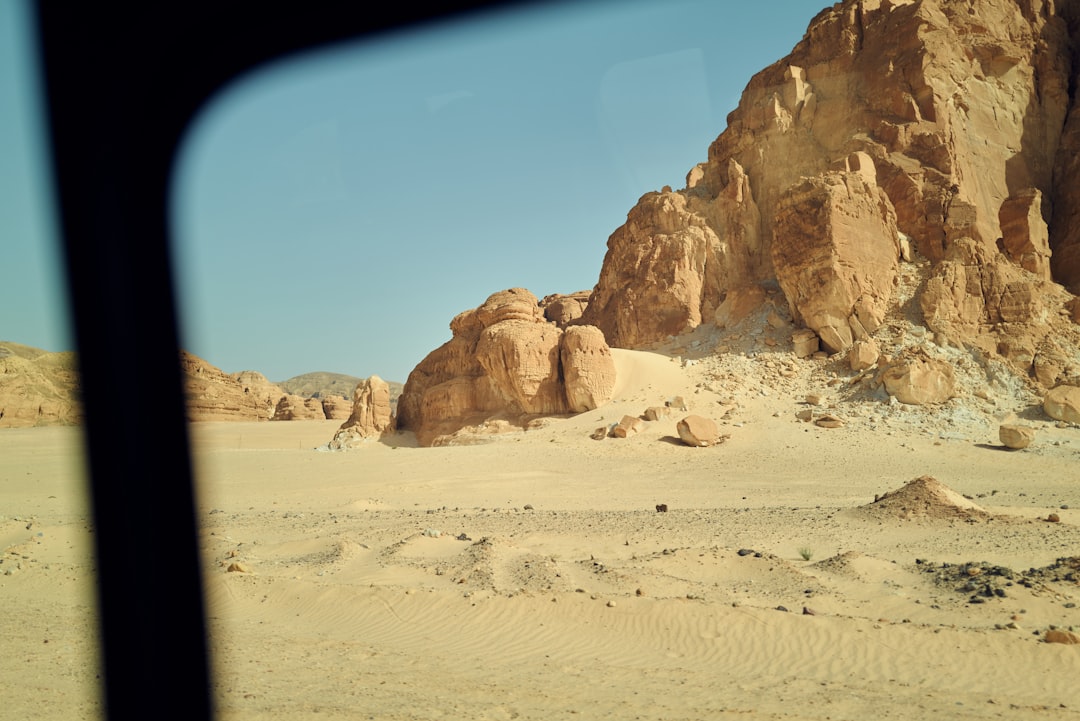
The documentary “Unveiling Egypt’s Geological Wonders” embarks on a visually stunning and intellectually stimulating journey through the rich and often overlooked geological tapestry of Egypt. Eschewing the well-trodden paths of pharaonic history, this film delves deep into the Earth’s ancient secrets, revealing how millennia of geological forces have shaped not only the landscape but also the very foundations of Egyptian civilization. Through a captivating blend of cutting-edge CGI, expert interviews, and breathtaking cinematography, the documentary offers a fresh perspective on a land most commonly associated with pyramids and deserts, illuminating its dramatic origins and the profound impact of its geology on its human history and future.
The film begins by transporting viewers back to the primordial era, to a time when the landmasses we now know as continents were mere fragments adrift on a molten Earth. “Unveiling Egypt’s Geological Wonders” meticulously traces the tectonic ballet that led to the formation of the African continent, with Egypt occupying a pivotal position at the crossroads of several ancient geological plates.
The Arabian-Nubian Shield: A Foundation of Fire
A significant portion of the documentary is dedicated to explaining the formation of the Arabian-Nubian Shield, the ancient Precambrian basement rock that forms the bedrock of Egypt’s eastern and southern regions. This shield, the filmmakers illustrate, is composed of igneous and metamorphic rocks, remnants of colossal volcanic activity and mountain-building processes that occurred over a billion years ago.
Volcanic Genesis and Continental Collisions
The documentary vividly reconstructs the intense tectonic forces that characterized this period. Viewers witness animated sequences depicting the immense pressure and heat that melted and fused rock, creating the foundational granite and basalt that characterize much of Egypt’s desert landscape. Expert geologists explain how continents collided, crumpling and thickening the Earth’s crust to form vast mountain ranges, now long eroded, but whose signatures are indelibly etched in the rock formations.
The Timeless Echoes in the Rocks
The film emphasizes that these ancient geological events are not mere historical footnotes. The mineral composition of these rocks, the documentary explains, directly influences the fertility of the soil in certain regions, the availability of precious resources like gold and gemstones, and even the stability of the land upon which modern cities are built. The visual representations of magma flows and seismic upheavals serve as a stark reminder of the dynamic and often violent forces that sculpted this land.
The Tethys Sea: A Vast Ancient Ocean
As the Earth’s crust settled, a new chapter in Egypt’s geological story began with the emergence of the Tethys Sea, a vast epicontinental sea that once covered much of North Africa and the Middle East. “Unveiling Egypt’s Geological Wonders” uses stunning underwater CGI to bring this lost ocean to life.
The Deposition of Sedimentary Layers
The documentary details how the Tethys Sea acted as a giant sedimentary basin. Over millions of years, rivers carried sediment from the surrounding landmasses, depositing layers of sand, silt, and clay on the seabed. These layers, the film explains, are the direct precursors to the sedimentary rocks that form large swathes of Egypt’s territory, including the iconic limestone cliffs and the fertile Nile Delta.
Marine Life and Fossil Treasures
The film highlights the rich marine biodiversity that once thrived in the Tethys Sea. Through the examination of fossil records, geologists featured in the documentary showcase the remains of ancient marine creatures – ammonites, belemnites, and early vertebrates – that are now embedded within the Egyptian rock strata. These fossils not only provide a glimpse into past ecosystems but also offer crucial clues for dating rock formations and understanding ancient climate conditions. The visual juxtaposition of the vibrant, animated marine life with the stark beauty of today’s desert landscape is particularly striking.
In the fascinating realm of Egypt’s geological history, the documentary delves into the intricate relationship between the ancient landscapes and the civilizations that thrived there. For those interested in exploring further, a related article titled “Exploring the Forbidden Room: Ancient City Ruins” provides an in-depth look at the archaeological findings that reveal the secrets of Egypt’s past. You can read more about these captivating discoveries by visiting this link.
The Nile: A Geological Artery of Life
No exploration of Egypt’s geological wonders would be complete without a profound examination of the Nile River. “Unveiling Egypt’s Geological Wonders” moves beyond its role as a historical and cultural lifeline to reveal its deep geological significance.
The River’s Genesis and Evolution
The documentary traces the Nile’s origins, explaining how its current course is a product of complex geological processes, including tectonic uplift and erosion over millions of years. Geologists discuss the various theories surrounding the Nile’s establishment and its remarkable ability to persist through changing climatic conditions.
Tectonic Influences on Drainage Patterns
The film delves into how subtle shifts in the Earth’s crust have influenced the Nile’s drainage basin. Areas of uplift have diverted ancient riverbeds, while areas of subsidence have created new channels. The documentary uses topographical maps and animated simulations to illustrate how these tectonic forces have sculpted the landscape, guiding the Nile’s flow towards the Mediterranean Sea.
The Power of Erosion and Sedimentation
A significant focus is placed on the erosive power of the Nile and its tributaries. The filmmakers showcase how the river has carved its valley, sculpting canyons and depositing vast amounts of sediment that have created the fertile land essential for agriculture. The visual impact of ancient river terraces, now high and dry, serves as a testament to the Nile’s dynamic and ever-changing nature.
The Nile Delta: A Geological Masterpiece
The documentary dedicates a substantial segment to the Nile Delta, a marvel of geological engineering crafted by the river’s sediment-carrying capacity.
The Accumulation of Fertile Alluvium
The film meticulously details how the Nile’s annual floods, before the construction of the Aswan High Dam, carried immense quantities of nutrient-rich silt from the Ethiopian Highlands. This alluvium was deposited across the delta, creating the exceptionally fertile soil that has sustained agriculture in Egypt for millennia. The visual representations of vast sediment plumes being carried downstream are both informative and awe-inspiring.
Coastal Dynamics and Sea-Level Change
“Unveiling Egypt’s Geological Wonders” also addresses the ongoing geological processes shaping the Nile Delta today. The documentary discusses the impact of sea-level rise and coastal erosion on this low-lying region. Experts explain the delicate balance between sediment deposition and erosion, highlighting the vulnerability of this vital agricultural hub to future geological and climatic changes. The film underscores the importance of understanding these geological dynamics for the region’s future sustainability.
The Sahara Desert: More Than Just Sand
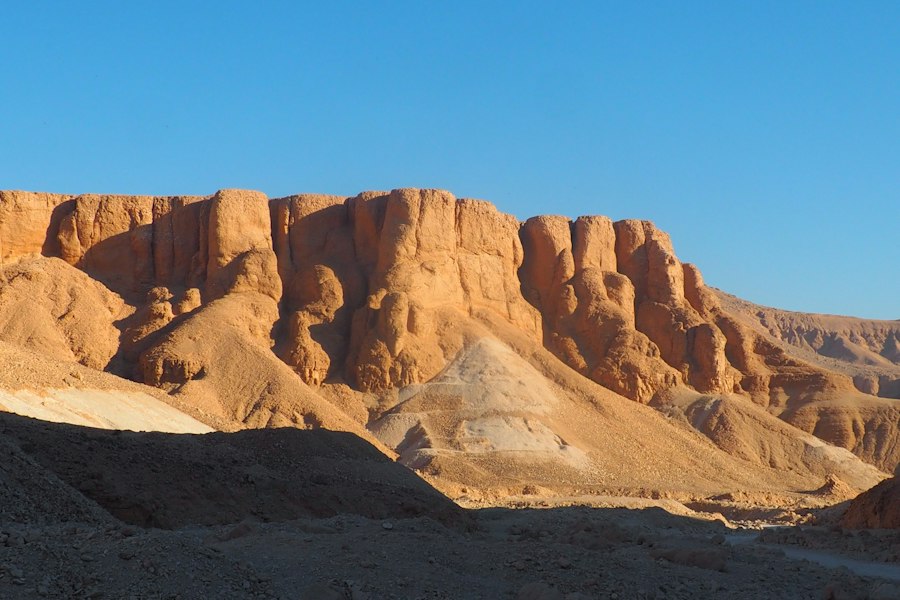
The vast expanse of the Sahara Desert, often perceived as a barren wasteland, is revealed in the documentary to be a land of hidden geological treasures and a testament to dramatic climate shifts.
Ancient Landscapes Beneath the Sands
The film employs advanced ground-penetrating radar and satellite imagery to reveal the ancient landscapes buried beneath the Sahara’s dunes. Geologists discuss how evidence of ancient river systems, lakes, and even lush vegetation points to a very different climate in Egypt’s past.
The “Green Sahara” Period
“Unveiling Egypt’s Geological Wonders” vividly reconstructs the “Green Sahara” period, a time when the desert was a savanna teeming with life. Animated sequences depict abundant rainfall, expansive grasslands, and diverse wildlife, a stark contrast to the arid conditions of today. This segment emphasizes how geological factors, such as changes in atmospheric circulation patterns influenced by continental drift and orbital variations, led to these dramatic climatic transformations.
Desertification and Its Geological Drivers
The documentary explores the geological processes that led to the Sahara’s desertification. The filmmakers explain how long-term climatic cycles, coupled with geological factors like changes in albedo (the reflectivity of the Earth’s surface) due to vegetation loss, contributed to the aridification of the region. The visual narrative of the encroaching sands and the gradual drying up of ancient water sources is both educational and poignant.
Mineral Wealth of the Desert
Beyond its ancient landscapes, the Sahara is also a repository of immense mineral wealth, a fact brought to light by the documentary.
Sandstone Formations and Quarries
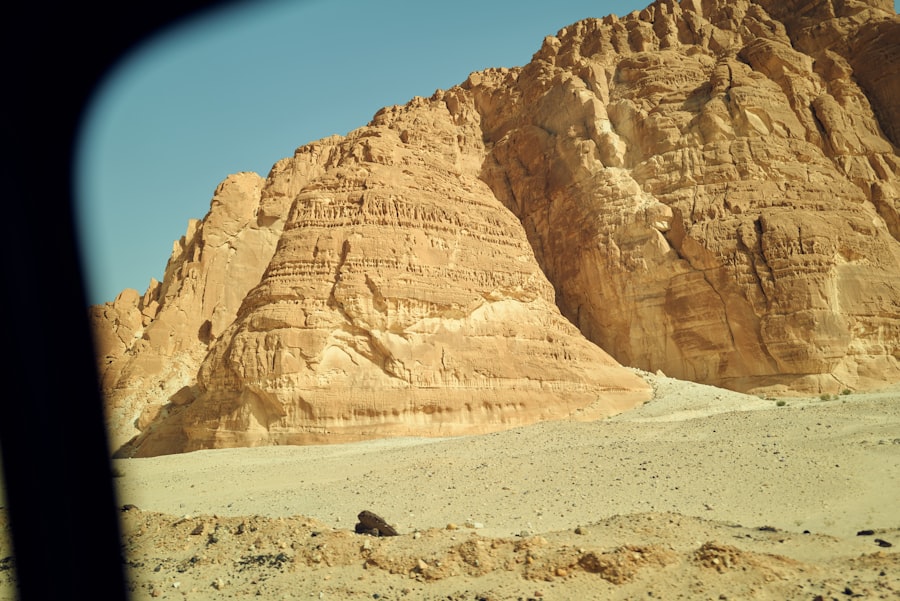
The film showcases the ubiquitous sandstone formations of the Sahara, highlighting their geological formation and their historical significance as a source of building material for ancient Egyptian monuments. The documentary visits ancient quarries, illustrating the immense effort and ingenuity of the early Egyptians in extracting and transporting these massive stone blocks, their efforts intrinsically linked to the geological availability of the material.
Precious Metals and Groundwater Reserves
“Unveiling Egypt’s Geological Wonders” also sheds light on the geological exploration for precious metals, such as gold, which have been mined in Egypt for millennia. The film explains how geological surveys identify promising mineral deposits, often associated with ancient volcanic and metamorphic rock formations. Furthermore, the documentary touches upon the critical role of subterranean groundwater reserves, aquifers hidden beneath the desert sands, which represent a vital, albeit finite, geological resource for communities in arid regions.
Egypt’s Coastline: A Frontier Shaped by the Sea
The documentary extends its geological exploration to Egypt’s diverse coastline, examining the interplay between geological forces and the Mediterranean and Red Seas.
The Mediterranean Coast: Erosion and Deposition
The filmmakers focus on the Mediterranean coastline, illustrating how wave action, currents, and sediment transport are continuously reshaping the shore. The documentary features dramatic footage of coastal erosion, highlighting the geological vulnerability of coastal communities to these ongoing processes.
Limestone Cliffs and Coastal Formations
The documentary explores the prominent limestone cliffs that characterize parts of the Mediterranean coast, explaining their geological formation from ancient marine sediments. The formation of sea caves, arches, and sea stacks through differential erosion is vividly depicted, showcasing the artistry of geological processes on a grand scale.
The Impact of Human Activity on Coastal Geology
The film also addresses the anthropogenic impacts on coastal geology. The construction of ports, seawalls, and other infrastructure, as well as the extraction of sand and gravel, can alter natural sediment flow and accelerate erosion. Experts discuss the geological implications of these human interventions and the need for sustainable coastal management practices.
The Red Sea: Tectonic Activity and Coral Reefs
The Red Sea, a geological marvel in its own right, is another significant focus of the documentary.
The Rift Valley and Seafloor Spreading
“Unveiling Egypt’s Geological Wonders” explains the geological origins of the Red Sea as a nascent ocean basin, formed by the ongoing rifting and separation of the Arabian Plate from the African Plate. Animated visualizations of seafloor spreading and volcanic activity along the rift axis provide a compelling insight into this dynamic geological process.
Coral Reefs: Living Geological Structures
The documentary celebrates the breathtaking coral reefs that fringe the Red Sea coast. While often viewed as purely biological wonders, the film emphasizes their geological significance. It explains how corals, through the secretion of calcium carbonate, are effectively building geological structures, creating complex reef systems that provide habitats for marine life and protect the coastline. The intricate growth patterns and the sheer scale of these “living geological structures” are a testament to the slow but powerful work of natural processes.
In exploring the fascinating world of Egypt’s geology, one can gain deeper insights into the ancient civilization’s development and its relationship with the environment. A related article that delves into the broader implications of archaeological findings is available at Unearthing the Archaeology of Social Collapse, which discusses how geological factors can influence societal changes. This connection between geology and archaeology highlights the importance of understanding the physical landscape in shaping human history.
The Future of Egypt’s Geological Heritage
| Metrics | Data |
|---|---|
| Documentary Title | Egypt Geology Documentary |
| Duration | 60 minutes |
| Release Year | 2021 |
| Location Filmed | Egypt |
| Main Topics | Geological formations, ancient landscapes, natural resources |
The concluding segment of “Unveiling Egypt’s Geological Wonders” shifts its focus to the future, exploring how a deeper understanding of Egypt’s geology is crucial for its sustainable development and for mitigating future geological risks.
Geohazards and Risk Mitigation
The documentary highlights the geological hazards that Egypt faces, including seismic activity in certain regions, the risk of landslides, and the ongoing challenges posed by coastal erosion and rising sea levels. The film showcases the work of geologists in monitoring these hazards and developing strategies for risk mitigation.
Seismic Monitoring and Building Resilience
The film discusses the importance of seismic monitoring networks to understand earthquake risks. Experts explain how geological data informs building codes and urban planning to enhance resilience in earthquake-prone areas. The documentary emphasizes that while geological forces cannot be controlled, their impact can be significantly mitigated through informed geological understanding.
Climate Change and Coastal Vulnerability
The documentary underscores the intersection of geological processes and climate change, particularly concerning the Nile Delta and other coastal areas. The filmmakers present data on sea-level rise and its projected impact on these low-lying regions, emphasizing the urgent need for adaptation strategies informed by geological research. The film implicitly calls for a proactive approach to safeguarding Egypt’s geological heritage and its vital ecosystems.
Sustainable Resource Management and Geo-tourism
Finally, “Unveiling Egypt’s Geological Wonders” advocates for the sustainable management of Egypt’s geological resources, including minerals, water, and fossil fuels. The documentary also champions the potential of geo-tourism as a means of appreciating and protecting Egypt’s geological heritage.
Responsible Extraction and Conservation
The film stresses the importance of responsible mining practices that minimize environmental impact and ensure the long-term availability of resources. It also highlights the scientific and educational value of Egypt’s unique geological sites, advocating for their preservation and responsible exploration.
Educating for a Geo-Aware Future
The documentary concludes with a powerful message about the importance of geological literacy. By unveiling Egypt’s geological wonders, the film aims to inspire a new generation of geologists, engineers, and policymakers who can leverage this deep understanding of the Earth’s processes to ensure a prosperous and sustainable future for Egypt, a future intrinsically linked to the ancient, yet ever-evolving, geological foundation upon which its civilization is built. The film leaves viewers with a profound appreciation for the dynamic, powerful, and often unseen forces that have shaped, and continue to shape, the land of the Pharaohs.

They Found a Shark Graveyard in the Egyptian Desert
FAQs
What is the geology of Egypt?
Egypt’s geology is characterized by its diverse landscapes, including deserts, mountains, and the Nile River. The country is situated on the northeastern corner of the African continent and is part of the larger Arabian-Nubian Shield, which is known for its rich mineral deposits.
What are some notable geological features in Egypt?
Some notable geological features in Egypt include the Sinai Peninsula, which is home to the rugged mountain range of the same name, and the Western Desert, which is known for its vast sand dunes and rock formations. The Nile River, the longest river in the world, has also played a significant role in shaping Egypt’s landscape.
What can we learn from a geology documentary about Egypt?
A geology documentary about Egypt can provide insights into the country’s geological history, including how its landscapes were formed over millions of years. It can also showcase the diverse range of minerals and resources found in Egypt, as well as the impact of geological processes on the country’s environment and people.
Are there any active geological processes in Egypt?
Yes, there are active geological processes in Egypt, including seismic activity along the Red Sea Rift and the Gulf of Aqaba. These processes have contributed to the formation of the region’s unique geological features and continue to shape the landscape today.
How does Egypt’s geology impact its people and economy?
Egypt’s geology has a significant impact on its people and economy. The country’s rich mineral deposits, such as gold and phosphates, contribute to its mining industry, while the fertile soils along the Nile River support agriculture. Additionally, understanding the geology of Egypt is crucial for managing natural resources and mitigating geological hazards.