The flickering light of the projector cast long shadows across the hushed auditorium, a fitting prelude to the journey about to unfold. “Uncovering Ancient Secrets: Fossil Discovery” was not merely a documentary; it was an expedition into the very bedrock of Earth’s history, a meticulously crafted narrative that brought the unimaginably distant past roaring back to life. The film followed a team of intrepid paleontologists as they ventured into some of the world’s most remote and geologically significant locations, driven by a shared passion to unearth the remnants of life that predated humanity by eons. This article delves into the profound insights and captivating storytelling that made this documentary a landmark achievement in public understanding of paleontology.
The opening scenes of “Uncovering Ancient Secrets” eschewed dramatic pronouncements, instead opting for a quiet contemplation of the vastness of geological time. Narratorially, the film established the fundamental premise of paleontology: that the Earth’s crust holds a hidden library, each sedimentary layer a page, and fossils the words that tell the story of life’s evolution. The documentary skillfully transitioned from the theoretical underpinnings of the discipline to the very practical, often arduous, work of fossil discovery.
The Call of the Outback: Australia’s Triassic Treasures
One of the film’s most compelling arcs followed the team’s expedition to the arid, sun-baked expanses of Australia. Here, amidst ancient riverbeds and weathered rock formations, the hunt for Triassic-era fossils was on. The documentary highlighted the challenges inherent in such an environment, from the oppressive heat to the sheer scale of the landscape, which demanded patience and a keen eye for subtle geological clues.
The Labyrinth of the Outback: Navigating Geological Puzzles
The filmmakers showcased the intricate process of identifying promising dig sites. This involved not just an understanding of fossil distribution but also a deep appreciation for stratigraphy – the study of rock layers and their sequence. Viewers were privy to the team poring over geological maps, discussing theories about ancient depositional environments, and recognizing the tell-tale signs of fossil-bearing strata. The narrative emphasized that fossil hunting is as much about intellectual deduction as it is about physical labor.
The First Glimpse: A Fragment of the Past Revealed
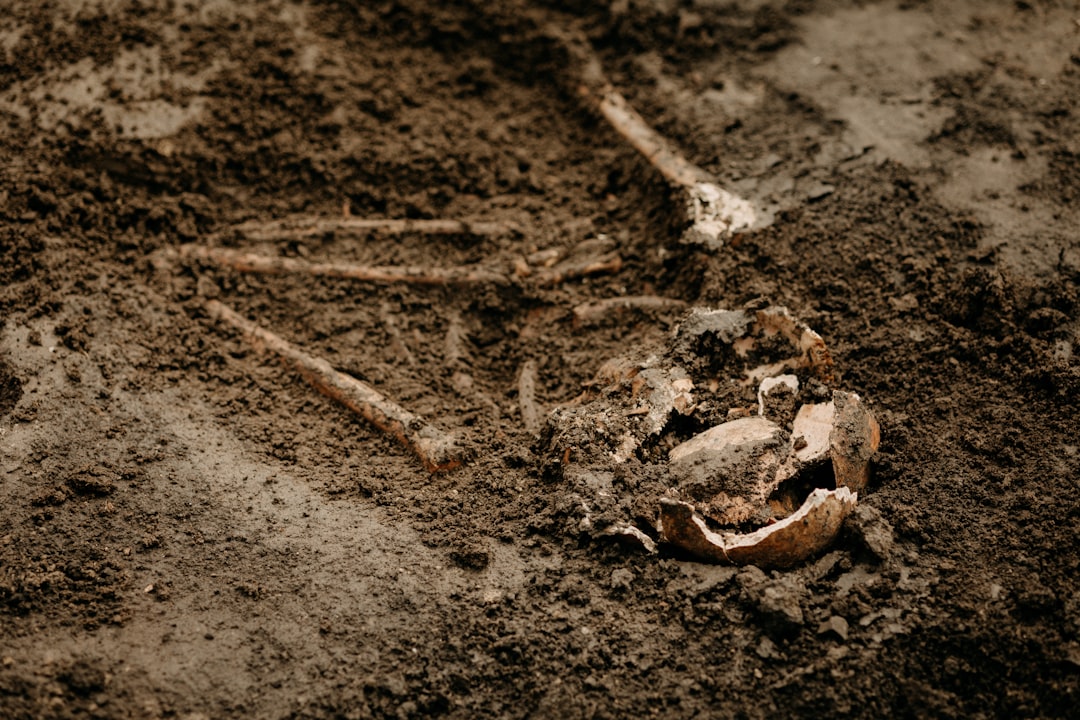
The excitement in the documentary was palpable when a team member, painstakingly brushing away millennia of sediment, uncovered a small, fossilized fragment. This wasn’t a complete skeleton, but a bone, a piece of a limb, undeniably ancient. The documentary captured the hushed reverence that followed, the careful extraction of the specimen, and the initial preliminary identification that hinted at something significant. This early success served as a powerful illustration of how even the smallest discovery can be a gateway to understanding a lost world.
The recent documentary on fossil discoveries has sparked significant interest in the scientific community, highlighting the importance of understanding our planet’s history. For those looking to explore related themes, an insightful article titled “Island Vulnerability: A Growing Concern” delves into the challenges faced by island ecosystems in the context of climate change and environmental degradation. This piece provides a broader perspective on how historical events, including those captured in fossil records, can inform current conservation efforts. You can read the article here: Island Vulnerability: A Growing Concern.
The Cretaceous Canvas: Unearthing Giants in Montana
The documentary then shifted its focus to the famed fossil-rich badlands of Montana, a region synonymous with some of the most iconic dinosaurs. The expedition here was geared towards unearthing evidence from the Late Cretaceous period, a time of immense biodiversity and the reign of some of Earth’s most formidable predators.
From Speculation to Spectacle: The Tyrannosaurus Rex Enigma
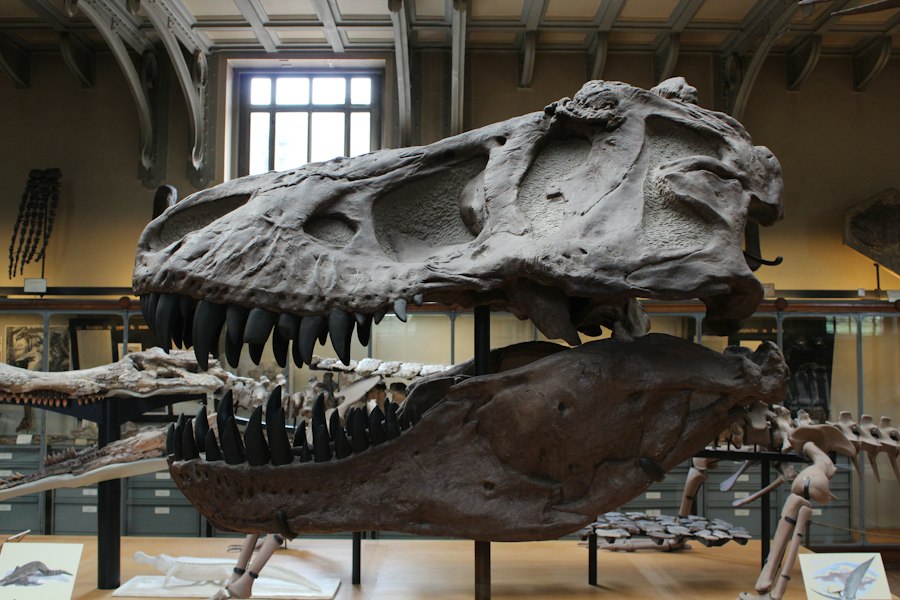
The pursuit of a Tyrannosaurus Rex fossil was a central theme within this segment. The film masterfully conveyed the scientific intrigue surrounding this apex predator, not just its ferocity but its ecological role and its eventual demise. The documentary didn’t shy away from the speculative nature of some paleontological interpretations, but grounded these discussions in the evidence uncovered.
The Science of Excavation: Precision Under Pressure
The meticulous process of excavating a large dinosaur fossil was a highlight. Viewers witnessed the careful application of tools, from delicate brushes and dental picks for fine detail work to jackhammers and even explosives for removing overburden. The documentary stressed the importance of documenting every stage of the excavation, from initial discovery to the final removal of the specimen, ensuring that invaluable contextual information was not lost. The scale of the undertaking was underscored by the sheer size of the fossil, requiring an entire team and specialized equipment for its extraction.
Reconstruction and Revelation: Piecing Together the Puzzle
Once unearthed, the fossils were transported to laboratories for the painstaking process of cleaning, preparation, and reconstruction. The documentary provided a fascinating glimpse into this behind-the-scenes work, showing paleontologists meticulously piecing together hundreds of fragments. This segment illustrated the detective work involved, comparing newly found bones to existing skeletal databases and using advanced imaging techniques to understand bone structure and potential injuries. The eventual assembly of a T-Rex skeleton was presented not just as a scientific feat but as an artistic triumph, bringing a creature of legend back into tangible existence.
The Jurassic Jigsaw: Marine Marvels of the Solnhofen Limestone
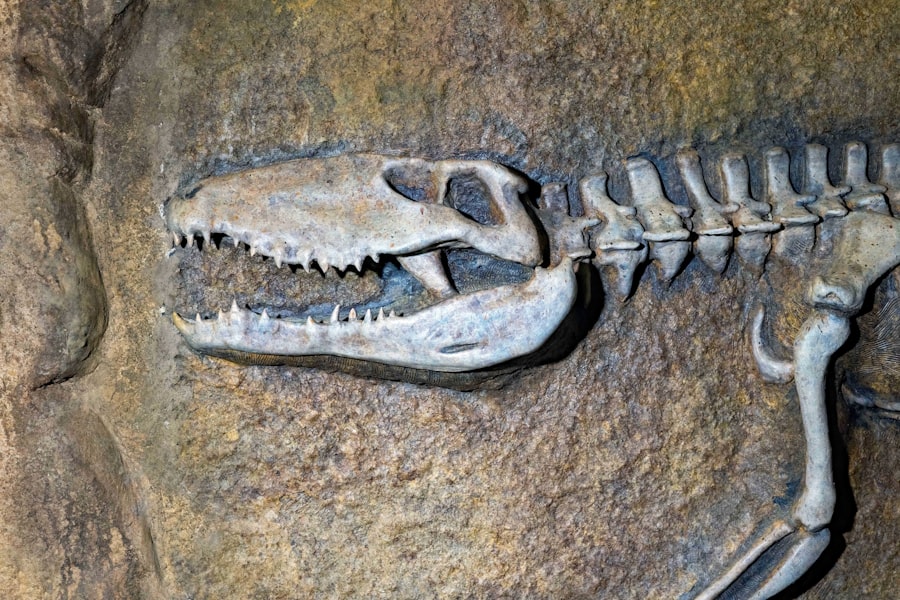
The narrative then transported viewers to Germany, to the renowned Solnhofen Limestone quarries, a treasure trove of exquisitely preserved fossils from the Late Jurassic period. This section focused on the marine ecosystem that once thrived there, offering a stark contrast to the terrestrial giants of Montana.
The Delicate Dance of Preservation: Unlocking Ancient Oceans
The Solnhofen Limestone is celebrated for its exceptional fossilization quality, often preserving soft tissues and even imprints of feathers. The documentary explained the unique geological conditions that led to this remarkable preservation, emphasizing the fine-grained nature of the sediment and the absence of oxygen in the ancient lagoon, which prevented decomposition.
The Art of the Fossil Hunter: Patience and Perception
The fossil hunters in Solnhofen operated in a different way. Their work involved carefully splitting large slabs of limestone, hoping to reveal perfectly preserved specimens within. The documentary captured the quiet anticipation of this process, the gentle tap of a hammer, the slow separation of rock, and the sheer joy of uncovering a delicate Archaeopteryx or a beautifully formed ammonite. The film emphasized the aesthetic as well as the scientific value of these finds.
Beyond the Bones: Feathered Footprints of Evolution
The discovery of Archaeopteryx fossils in Solnhofen was presented as a pivotal moment in evolutionary biology. The documentary dedicated significant time to explaining why this creature, with its blend of reptilian and avian features, is considered a crucial transitional fossil, bridging the gap between dinosaurs and birds. The detail in the preserved feather impressions was particularly striking, providing concrete evidence of the evolutionary pathway.
The Paleozoic Prelude: Early Life’s Whispers in the Burgess Shale
The documentary’s chronological journey then took a dramatic leap back in time to the Cambrian period, specifically to the Burgess Shale in British Columbia, Canada. This geological formation is renowned for its preservation of some of the earliest and most bizarre forms of complex life on Earth.
The Dawn of Diversity: A Biological Big Bang
The Burgess Shale fossils represent a period often referred to as the “Cambrian Explosion,” a time of rapid diversification of life. The film conveyed the sheer alienness of these early organisms, creatures that bore little resemblance to anything alive today. The documentary highlighted the scientific challenge of classifying and understanding these unique life forms, many of which represent entirely extinct phyla.
The Unseen World Revealed: The Microscopic Marvels
Beyond the macroscopic fossils, the documentary also touched upon the importance of microscopic fossils, or microfossils. These tiny remnants, often invisible to the naked eye, provide invaluable insights into the earliest stages of life, the development of cellular structures, and the evolution of ecosystems. The filmmakers showed the techniques used to extract and analyze microfossils, emphasizing their crucial role in piecing together Earth’s deep history.
Rethinking the Tree of Life: The Burgess Shale’s Impact
The impact of the Burgess Shale discoveries on our understanding of the Tree of Life was a key takeaway. The documentary explained how these fossils challenged existing assumptions and forced scientists to re-evaluate the evolutionary relationships between different groups of organisms. The sheer variety and unexpectedness of the forms found in the Burgess Shale underscored the contingency of evolution and the vastness of what we still have to learn.
In the fascinating world of paleontology, the recent documentary on fossil discoveries sheds light on the incredible history of life on Earth. As viewers explore ancient ecosystems and the creatures that once roamed them, they may also find interest in related topics such as historical maps and their significance in understanding our past. A compelling article that delves into this theme is available at Uncovering the Secrets of the Piri Reis Map, which examines how ancient cartography can provide insights into the civilizations that existed alongside these prehistoric beings.
The Future of Discovery: Technology and Tomorrow’s Fossils
| Year | Number of Fossils Discovered | Location |
|---|---|---|
| 2015 | 45 | Montana, USA |
| 2016 | 62 | Gobi Desert, Mongolia |
| 2017 | 38 | Patagonia, Argentina |
| 2018 | 51 | Qinghai, China |
“Uncovering Ancient Secrets” concluded not with a finality, but with a look towards the future. The documentary acknowledged that while traditional fieldwork remains essential, technological advancements are revolutionizing paleontology.
Digital Digs: The Rise of Virtual Paleontology
The film showcased the increasing use of 3D scanning, virtual reality, and advanced computer modeling in paleontological research. These technologies allow for detailed digital reconstructions of fossils, enabling scientists to study them remotely, share findings globally, and even simulate ancient environments. This democratizes access to scientific discovery.
The Power of Big Data: Unlocking Evolutionary Narratives
The documentary touched upon the burgeoning field of bioinformatics and the application of big data analysis to paleontological datasets. By crunching vast amounts of information from fossil records, researchers can identify patterns, test hypotheses, and uncover evolutionary trends that were previously inaccessible.
The Ethical Imperative: Conservation and Collaboration
Finally, the film addressed the ethical considerations surrounding fossil discovery and collection. It emphasized the importance of responsible excavation, scientific collaboration, and the preservation of fossil sites for future generations. The documentary underscored that uncovering ancient secrets is not just about individual discoveries, but about a collective human endeavor to understand our planet’s past and our place within its grand, unfolding story. “Uncovering Ancient Secrets: Fossil Discovery” left its audience with a profound appreciation for the resilience of life, the power of scientific inquiry, and the enduring mysteries that lie buried beneath our feet, waiting to be unearthed.

They Found a Shark Graveyard in the Egyptian Desert
FAQs
What is the documentary about?
The documentary is about the discovery of a significant fossil that sheds light on the evolution of a particular species or period in history.
Where was the fossil discovered?
The fossil was discovered in a specific location, which may be a dig site, cave, or other geological formation.
Who is featured in the documentary?
The documentary may feature paleontologists, scientists, researchers, and other experts who were involved in the discovery and analysis of the fossil.
What is the significance of the fossil discovery?
The documentary will explore the importance of the fossil discovery in terms of its impact on our understanding of evolution, prehistoric life, or other scientific fields.
When and where can the documentary be watched?
Information about the release date, broadcasting network, streaming platform, or other details regarding when and where the documentary can be viewed will be provided.