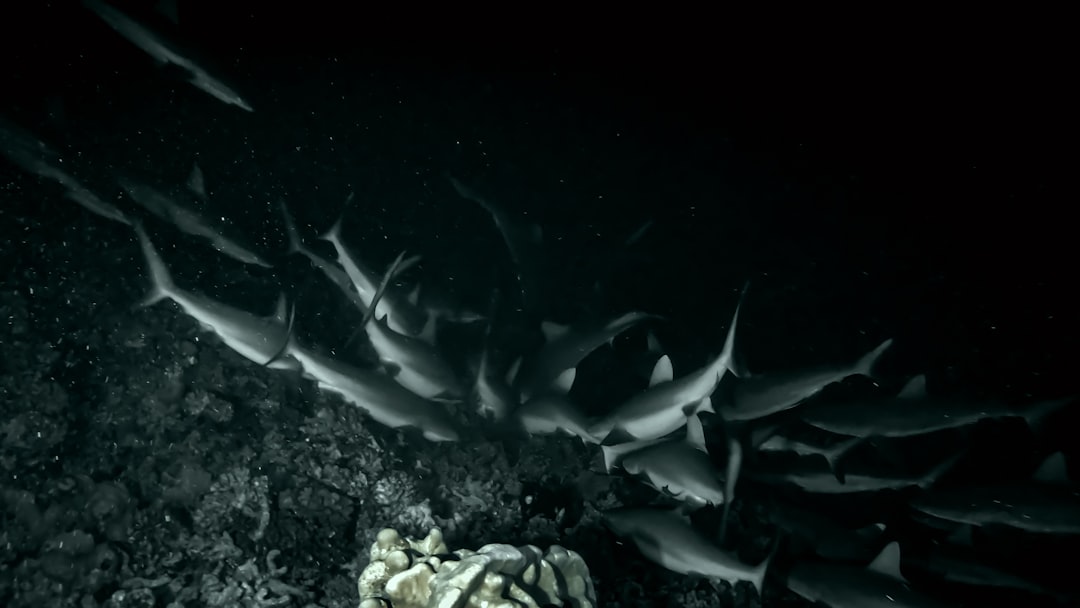
The silver screen recently transported audiences back to a world teeming with life, a world far removed from the familiar landscapes of today: the prehistoric oceans. “Exploring Prehistoric Oceans: A Fascinating Documentary” is not merely a cinematic endeavor; it is a meticulously crafted journey through epochs of oceanic evolution, bringing to life creatures that have long since vanished and ecosystems that shaped our planet. This documentary offers a breathtaking glimpse into the deep past, revealing the astonishing diversity and often brutal realities of life beneath the waves millennia ago.
The documentary begins its grand narrative at the very genesis of marine life, a period often shrouded in mystery due to the ephemeral nature of early organisms. It skillfully employs cutting-edge CGI and scientific reconstruction to depict the primordial soup, the crucible where life first ignited.
The Ediacaran Explosion: A Mysterious Radiation of Life
One of the most captivating segments delves into the Ediacaran biota, a peculiar collection of soft-bodied organisms that flourished during the late Neoproterozoic Era. The filmmakers painstakingly illustrate the alien forms of these creatures, such as Dickinsonia with its quilted appearance and Charnia with its fern-like fronds. The documentary doesn’t shy away from the ongoing scientific debate surrounding these enigmatic life forms, posing questions about their evolutionary placement and their relationship to modern animal phyla. Viewers are left to ponder whether these were early animals, a separate kingdom of life, or something entirely different. The visuals are crucial here, showcasing the sheer scale of their presence on the seafloor, creating vast, alien gardens. The narrative carefully explains the geological context, the oxygen levels, and the absence of predators that likely allowed for such a unique evolutionary burst.
The Cambrian Explosion: A Revolution in Diversity
The transition to the Cambrian period marks a dramatic acceleration in evolutionary innovation, and the documentary vividly portrays this “explosion.” The focus shifts to the emergence of hard parts – shells, exoskeletons, and skeletons – a pivotal moment that left a richer fossil record for us to study.
The Reign of Trilobites: Ancient Arthropod Lords
The documentary dedicates significant screen time to the iconic trilobites. Through detailed animation, their segmented bodies, complex eyes, and varied lifestyles are brought to life. Viewers witness trilobites scuttling across the seafloor, burrowing into the sediment, and even swimming through the water column. The filmmakers highlight the incredible diversity within this group, showcasing everything from tiny, delicate forms to monstrous predators. The narrative explains their evolutionary success, their eventual extinction, and their importance as index fossils for dating rock layers.
The Arrival of Jawed Fish: A New Predatory Paradigm
A monumental shift occurs with the introduction of jawed vertebrates. The documentary presents the earliest jawed fish, such as Cladoselache, as formidable predators, fundamentally altering the dynamics of the marine food web. The power and efficiency of their jaws are emphasized, demonstrating a new level of predation that would drive further evolutionary adaptations in their prey. The visual depiction of hunting sequences is both thrilling and educational, illustrating the biological advantages of jaws.
In exploring the fascinating world of prehistoric oceans, one can gain deeper insights into the evolution of marine life and ecosystems by examining how ancient maps have shaped our understanding of these environments. A related article that delves into this topic is “Navigating the Future: The Evolution of Maps,” which discusses the significance of cartography in uncovering historical landscapes and seascapes. For more information, you can read the article here: Navigating the Future: The Evolution of Maps.
The Paleozoic Seas: A World of Giants and Oddities
As the documentary progresses into the Paleozoic Era, the scale and strangeness of marine life reach new heights. This period, characterized by vast continental seas and dramatic environmental shifts, birthed some of the most awe-inspiring and bizarre creatures ever to grace the planet.
The Devonian Period: The Age of Fishes
The Devonian is rightly lauded as the “Age of Fishes,” and the documentary immerses viewers in this vibrant aquatic landscape. It showcases the astonishing array of fish that dominated the oceans, from armored placoderms to early cartilaginous fish.
Dunkleosteus: The Armored Terror of the Seas
The legendary Dunkleosteus, with its massive size and formidable bony plates, is a particular highlight. The filmmakers meticulously reconstruct its fearsome appearance and its immense biting power, painting a picture of an apex predator that would have instilled terror in any creature unfortunate enough to cross its path. The visual effects are crucial in conveying the sheer destructive force of its bite, which could likely crush bone and shell with ease. The documentary explores the evolutionary pressures that led to such extreme armor and weaponry.
The Rise of Sharks: Ancient Predators Evolve
The emergence of early sharks is also a significant focus. The documentary depicts their cartilaginous skeletons, their rows of sharp teeth, and their streamlined bodies, highlighting their evolutionary success as efficient hunters that have endured for hundreds of millions of years. It contrasts them with the placoderms, showing the ongoing evolutionary arms race and specialization within the predatory niches.
The Carboniferous Seas: Coastal Swamps and Early Amphibians
While the documentary primarily focuses on the oceans, it also touches upon the interconnectedness of marine and terrestrial environments. The Carboniferous period, with its vast swamp forests, is depicted as influencing coastal marine ecosystems.
Early Amphibians: A Tentative Step onto Land
The documentary briefly explores the transition of some life forms from water to land, showcasing the early amphibians that emerged from the shallow seas. This serves to illustrate the dynamic nature of evolution and the constant exploration of new ecological niches. While not strictly oceanic, it provides context for the broader evolutionary story.
In exploring the depths of prehistoric oceans, one can gain fascinating insights into the ancient world and its civilizations. A related article that delves into the innovative practices of early societies is available at Uncovering Lost Ancient Metallurgy Techniques, which highlights how these early cultures harnessed natural resources to create tools and artifacts. This connection between oceanic exploration and metallurgy reveals the intricate relationship between humans and their environment throughout history.
The Permian Period: The Great Dying and its Aftermath
The Permian period is marked by the most devastating extinction event in Earth’s history, the Permian-Triassic extinction, or “The Great Dying.” The documentary unflinchingly depicts the cataclysmic changes that ravaged marine ecosystems.
Life Before the Collapse: A Glimpse of Abundance
Before detailing the extinction, the film offers a poignant glimpse of the rich and diverse life that characterized the Permian oceans, creating a stark contrast with what was to come. This includes showcasing groups that would be heavily impacted, such as fusulinid foraminifera and various types of ammonoids. The narrative emphasizes the delicate balance of these ecosystems.
The Extinction Event: Unveiling the Catastrophe
The documentary tackles the science behind the Great Dying, exploring the leading theories such as massive volcanic activity and resulting climate change. The visual representation of dying oceans, depleted oxygen levels, and widespread mortality is stark and impactful. It underscores the fragility of life and the profound consequences of major environmental shifts.
The Mesozoic Marine Revolution: Age of Reptiles and Beyond
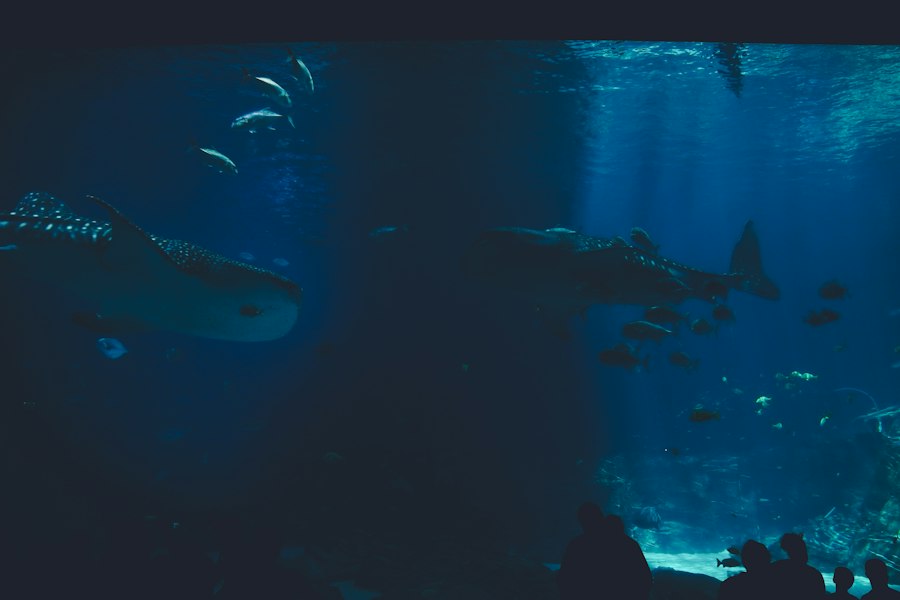
The Mesozoic Era, often referred to as the “Age of Reptiles,” witnessed the rise of iconic marine reptiles and a dramatic reshaping of ocean life. The documentary vividly brings these prehistoric giants and their watery domains to life.
The Triassic Seas: Recovering from the Brink
Following the Permian extinction, the Triassic oceans were a world of recovery and adaptation. The documentary highlights the emergence of new lineages and the gradual rebuilding of biodiversity.
Early Marine Reptiles: The Dawn of a New Era
The emergence of marine reptiles like ichthyosaurs and early plesiosaurs is a key focus. The filmmakers illustrate their adaptations for marine life, their streamlined bodies, and their predatory prowess. The ichthyosaurs, in particular, are presented as highly specialized marine hunters, often likened to dolphins in their appearance and agility, demonstrating convergent evolution.
The Jurassic and Cretaceous Seas: Apex Predators and Evolutionary Arms Races
These periods represent the zenith of marine reptile evolution, and the documentary spares no effort in showcasing these magnificent creatures.
Plesiosaurs: The Long-Necked Giants
The documentary brings the graceful yet formidable plesiosaurs to life, with their characteristic long necks and paddle-like limbs. Various species are depicted, illustrating their diverse hunting strategies and their dominance in many marine environments. The filmmakers emphasize their adaptations for both speed and maneuverability, allowing them to hunt effectively in diverse oceanic zones.
Ichthyosaurs: Masters of the Deep
The ichthyosaurs, though appearing earlier, continued to thrive and diversify. The documentary showcases their incredible speed and their ability to dive to great depths in pursuit of prey. Visualizations of their likely hunting behaviors, including chasing down fish and ammonites, are particularly engaging. The complex reproductive strategies, such as giving birth to live young, are also explored, further highlighting their complete adaptation to aquatic life.
Mosasaurs: The Ultimate Marine Predators of the Cretaceous
The reign of the mosasaurs in the Late Cretaceous is presented as a period of intense predatory power. These giant marine lizards, apex predators of their time, are depicted with terrifying realism. The documentary explores their evolutionary origins and their rapid diversification, highlighting their fearsome jaws and powerful tails. The hunting scenes, with mosasaurs preying on large fish, ammonites, and even other marine reptiles, are both awe-inspiring and a stark reminder of the brutal realities of prehistoric ecosystems.
The Ammonites and Belemnites: Abundant and Diverse Invertebrates
While the focus often falls on the large vertebrates, the documentary also celebrates the incredible success of invertebrate groups like ammonites and belemnites. Their fossilized shells are ubiquitous in Mesozoic rocks, and the film animates their vibrant existence, showcasing their diverse shapes, sizes, and probable lifestyles. Their role as a primary food source for many predators is clearly illustrated.
The Cenozoic Seas: A World Reborn
The end of the Mesozoic and the dawn of the Cenozoic marked another significant transition, with the extinction of the non-avian dinosaurs and the rise of mammals. The documentary explores the subsequent recovery and diversification of marine life in the Cenozoic oceans.
The Paleogene and Neogene: Rise of Marine Mammals
The Cenozoic is characterized by the gradual evolution and diversification of marine mammals. The documentary charts their journey from terrestrial ancestors back into the sea.
Whales and Dolphins: From Land Dwellers to Ocean Navigators
The evolutionary lineage of whales and dolphins is a fascinating narrative. The filmmakers trace their transformation from small, land-dwelling mammals to the diverse array of cetaceans we see today. Early forms like Pakicetus and Ambulocetus are depicted, illustrating their transitional features and their gradual adaptation to aquatic life. The documentary highlights the evolutionary pressures that drove this remarkable transition, including the abundance of food in the oceans.
Seals and Sea Lions: Adaptations for a Marine Lifestyle
The evolution of pinnipeds – seals, sea lions, and walruses – is also explored. The documentary showcases their anatomical adaptations for swimming, diving, and hunting in marine environments, emphasizing their success in exploiting coastal and polar regions.
Modern Marine Ecosystems: A Legacy of Prehistoric Life
The documentary concludes by connecting the ancient past to the present, illustrating how the evolutionary journeys of prehistoric life have shaped the marine ecosystems we observe today. It emphasizes the interconnectedness of all life and the importance of understanding our planet’s deep history to appreciate and protect its future. The film serves as a powerful reminder that the oceans have always been a dynamic and ever-changing frontier, a testament to the resilience and creativity of life on Earth. The concluding segments often inspire a sense of wonder and a renewed appreciation for the biodiversity that currently inhabits our planet’s vast watery expanses.
“Exploring Prehistoric Oceans: A Fascinating Documentary” is more than just entertainment; it is an educational odyssey that ignites curiosity, fosters a deeper understanding of evolutionary processes, and instills a profound respect for the ancient, magnificent life that once swam in our planet’s seas. Through its stunning visuals and compelling narrative, it offers a unique window into a lost world, reminding us of the incredible journey life has taken and the enduring power of the ocean.
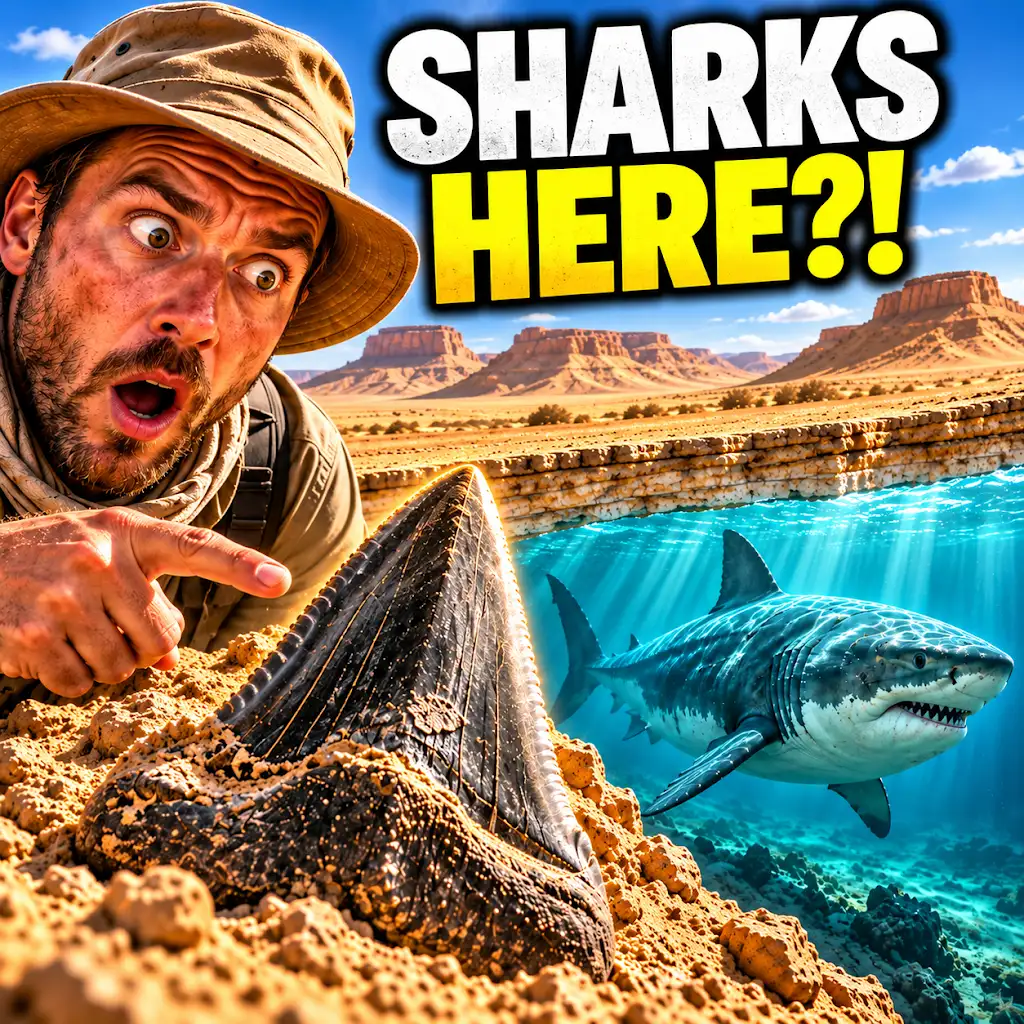
They Found a Shark Graveyard in the Egyptian Desert
FAQs
What is a prehistoric ocean documentary?
A prehistoric ocean documentary is a film or television program that explores the ancient oceans and the creatures that lived in them during prehistoric times. These documentaries often use scientific research and computer-generated imagery to recreate the prehistoric ocean environment.
What topics are typically covered in a prehistoric ocean documentary?
Prehistoric ocean documentaries often cover a wide range of topics, including the geological history of the oceans, the evolution of marine life, the extinction events that shaped the oceans, and the interactions between different prehistoric ocean creatures.
How are prehistoric ocean documentaries created?
Prehistoric ocean documentaries are created through a combination of scientific research, computer-generated imagery, and expert interviews. Filmmakers work closely with paleontologists, marine biologists, and other experts to ensure the accuracy of the information presented in the documentary.
What are some popular prehistoric ocean documentaries?
Some popular prehistoric ocean documentaries include “Walking with Dinosaurs,” “Blue Planet,” “Planet Dinosaur,” “The Blue Planet: Seas of Life,” and “Prehistoric Park.” These documentaries have gained widespread acclaim for their stunning visuals and informative content.
Where can I watch prehistoric ocean documentaries?
Prehistoric ocean documentaries can be found on streaming platforms such as Netflix, Amazon Prime, and Disney+, as well as on television channels that specialize in nature and science programming. Additionally, many documentaries are available for purchase or rental on DVD and Blu-ray.