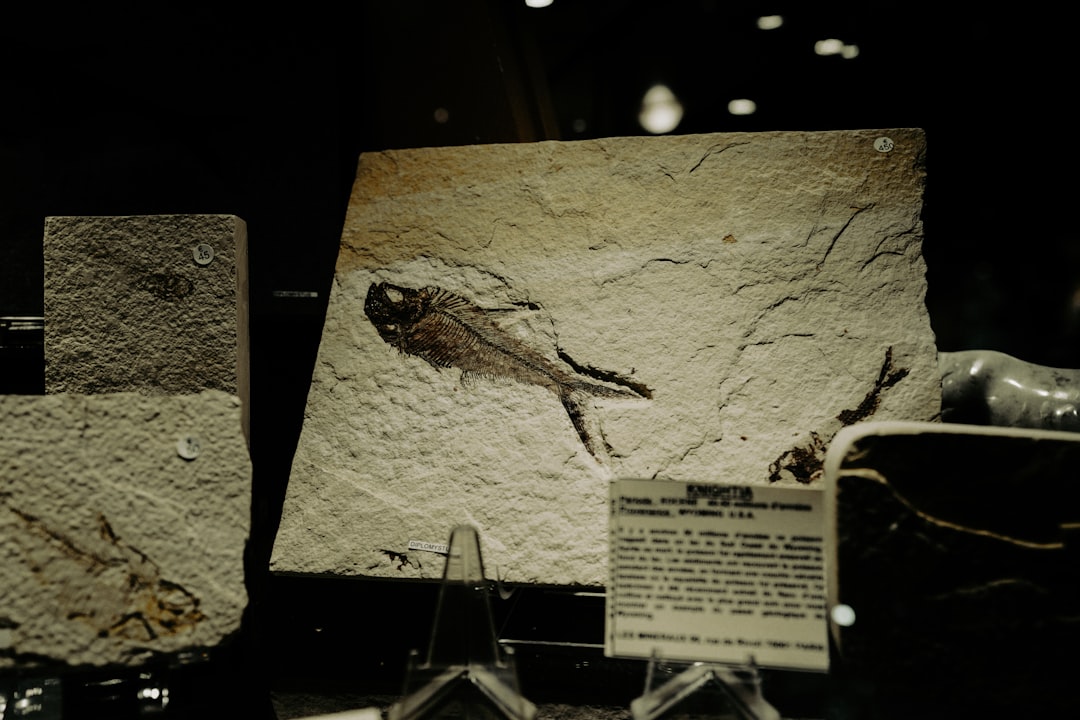
The sun beat down relentlessly on the arid landscape, a stark and ancient theatre where time itself seemed to have been preserved in stone. This was Abu Tartur, a plateau in Egypt’s Western Desert, a place whose name, whispered by paleontologists and geologists with a mixture of reverence and excitement, held the promise of revealing secrets from a world long submerged. Here, beneath the relentless desert sky, lay a treasure trove of prehistoric life, waiting to be unearthed: the fossilized remains of sharks, remnants of an ocean that once covered this now-arid expanse.
The story of Abu Tartur’s shark fossils is intrinsically linked to the dramatic geological transformations of Egypt. Millions of years ago, the region we know today as the Western Desert was not a parched wasteland but a vibrant marine ecosystem. During the Eocene epoch, roughly 56 to 33.9 million years ago, vast shallow seas, part of the Tethys Ocean, stretched across much of North Africa, including the area that would eventually become Abu Tartur. These ancient waters teemed with life, a biodiversity that is now exquisitely preserved in the sedimentary rocks of the plateau.
The Tethys Ocean: A Cradle of Life
The Tethys Ocean was a significant geological feature, a superocean that existed for hundreds of millions of years. Its presence in North Africa during the Eocene created ideal conditions for a rich and diverse marine fauna to flourish. These warm, shallow seas provided ample food sources and protected nurseries for a multitude of species, including the formidable sharks that would later become the stars of Abu Tartur’s paleontological narrative. The geological strata at Abu Tartur, specifically the formations like the Thebes Formation, are a testament to this ancient marine environment, offering a window into a world vastly different from the one that exists today.
Unraveling Geological History Through Sedimentary Layers
The rocks of Abu Tartur are not mere stone; they are a geological diary, each layer a page detailing different chapters of Earth’s history. Paleontologists and geologists meticulously study these sedimentary layers to understand the environmental conditions, the depositional processes, and the timeline of events that shaped the region. The presence of specific rock types, the orientation of fossils, and the composition of the sediments all provide crucial clues. At Abu Tartur, the chalky limestones and marls are indicative of a relatively calm, shallow marine environment, where fine sediments accumulated over long periods, gently burying the remains of its inhabitants.
The Significance of Marine Fossils in Arid Landscapes
The discovery of marine fossils in a desert environment is always a striking revelation. It highlights the dynamic nature of our planet and the profound geological changes that can occur over vast timescales. For Abu Tartur, these marine fossils, especially the shark teeth, are not just curiosities; they are irrefutable evidence of a past oceanic environment. They help reconstruct ancient coastlines, understand past climates, and provide insights into the evolution of marine life. The sheer abundance and preservation quality of the shark fossils at Abu Tartur make it a particularly important site for studying Eocene marine ecosystems.
The discovery of Abu Tartur shark fossils has provided significant insights into the prehistoric marine ecosystems that once thrived in ancient seas. These fossils not only highlight the diversity of shark species but also contribute to our understanding of evolutionary processes. For those interested in exploring more about the history of exploration and the scientific discoveries related to ancient marine life, a related article can be found at Explorers of Antarctica Before 1820, which discusses the early expeditions that paved the way for modern paleontological studies.
The Lords of the Ancient Seas: Identifying Abu Tartur’s Shark Fauna
The most striking discoveries at Abu Tartur are undoubtedly the fossilized teeth of sharks. These durable remnants, often the only preserved parts of these cartilaginous fish, offer a remarkable insight into the diversity and characteristics of the sharks that patrolled the Eocene seas. The collection of teeth found at Abu Tartur represents a fascinating cross-section of shark evolution, with species ranging from formidable predators to more specialized feeders, each leaving its stony mark on geological history.
The King of the Eocene: Otodus Oblíquus
Among the most iconic and frequently found shark fossils at Abu Tartur is the formidable Otodus obliquus. This extinct mackerel shark was a true titan of the Eocene seas, estimated to have reached lengths of up to 15 meters. Its impressive size and powerful bite are reflected in its distinctive teeth. These teeth are large, triangular, and possess a prominent cusp, often with smaller cusplets on the sides. The sheer volume of Otodus obliquus teeth found at Abu Tartur indicates that this apex predator was a common and successful inhabitant of these ancient waters.
Distinctive Dental Morphology of Otodus Oblíquus
The teeth of Otodus obliquus are instantly recognizable to experienced paleontologists. Their robust structure and sharp edges were perfectly adapted for seizing and tearing flesh. The broad base of the tooth provided anchorage, while the pointed crown could penetrate prey effectively. The presence of these teeth in large numbers allows scientists to infer not only the presence of the shark but also its feeding habits and its position at the top of the food chain in the Abu Tartur ecosystem.
Ecological Role and Evolutionary Significance
Otodus obliquus played a crucial role in maintaining the balance of the Eocene marine food web. As an apex predator, it would have preyed on a variety of marine life, including other fish and potentially marine mammals. Its evolutionary lineage is also significant, with Otodus obliquus being a direct ancestor of the even more famous Megalodon. Studying its fossils at Abu Tartur helps researchers trace the evolutionary trajectory of these giant sharks.
The Versatile Lamniforms: More Than Just Teeth
The Lamniformes order, which includes modern sharks like the Great White and Mako, is well-represented in the Abu Tartur fossil record. Beyond Otodus obliquus, other lamniforms have left their mark, showcasing a variety of adaptations and ecological niches. These sharks, generally characterized by their streamlined bodies and large, powerful jaws, were highly successful hunters in the Eocene oceans.
Other Notable Lamniform Species
While specific identification of every lamniform species can be challenging based solely on teeth, the general morphology observed at Abu Tartur suggests the presence of various genera. These might include ancestors of modern makos or other fast-swimming predators. The diversity within this order points to a healthy and complex predatory ecosystem.
Adaptations for Predation in Open Waters
The lamniforms found at Abu Tartur likely possessed adaptations for efficient swimming and hunting in open marine environments. Their torpedo-shaped bodies and powerful tails would have allowed for swift pursuit of prey, while their sharp teeth were designed for delivering killing bites. The presence of these sharks indicates that the Eocene seas of Abu Tartur were not stagnant but were dynamic environments with active predation.
The Smaller but Significant: Odontaspididae and Other Families
It wasn’t just the giants that inhabited these ancient seas. The fossil record at Abu Tartur also includes teeth belonging to smaller, perhaps more specialized shark families. The Odontaspididae family, which includes the Sand Tiger Sharks, is another group whose fossilized teeth have been discovered. These sharks often have longer, more slender teeth, adapted for grasping and holding slippery prey like fish.
Insights into Dietary Diversity
The presence of teeth from different shark families like Odontaspididae suggests a considerable dietary diversity within the Abu Tartur ecosystem. This indicates a well-developed food web with various trophic levels, where different predators occupied distinct ecological niches, consuming different prey items.
Evolutionary Links to Modern Species
Studying the teeth of these smaller shark families helps paleontologists draw connections to modern shark species. Understanding how these ancient forms relate to their living descendants provides crucial data for evolutionary biology and helps us appreciate the long and continuous history of shark diversification.
The Art of Discovery: Excavation and Preservation at Abu Tartur
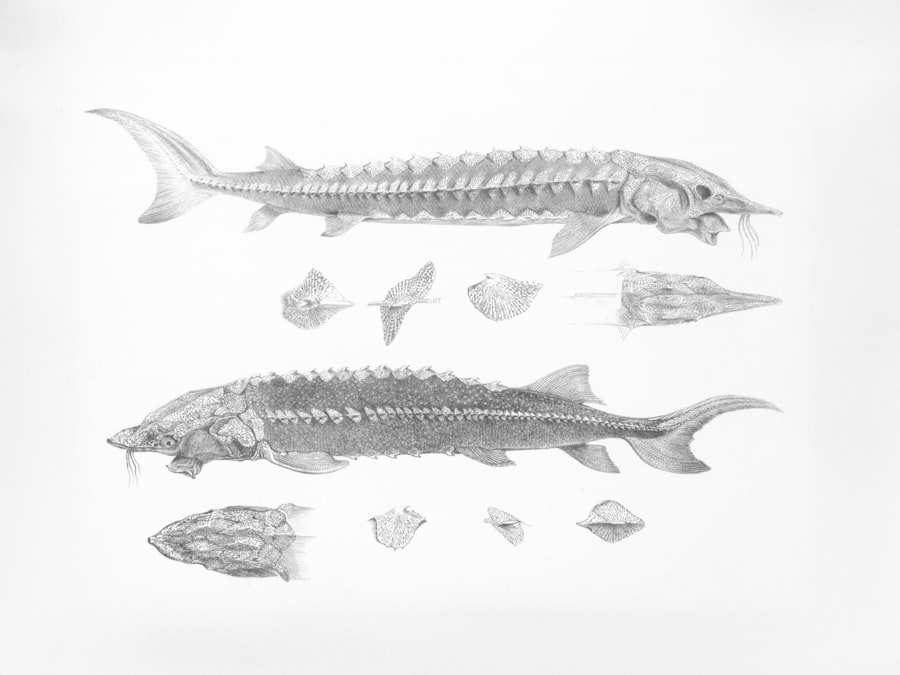
Unearthing these ancient treasures from the desert sands is a meticulous and challenging undertaking. The harsh environment and the delicate nature of fossilized remains require specialized techniques and a deep understanding of paleontological methodology. The process of discovery at Abu Tartur is a testament to the dedication and scientific rigor of the researchers involved.
Locating Promising Fossil Sites
The initial phase of any paleontological expedition involves identifying areas with a high probability of fossiliferous deposits. Geologists and paleontologists use their knowledge of stratigraphy, previous discoveries, and sometimes even satellite imagery to pinpoint promising locations. At Abu Tartur, the geological formations known to be of Eocene age are the primary targets.
Geological Surveys and Reconnaissance
Before any digging begins, extensive geological surveys are conducted. These involve mapping rock formations, identifying areas of erosion that might expose fossils, and collecting preliminary samples. These reconnaissance efforts are crucial for optimizing excavation efforts and minimizing wasted time and resources.
The Role of Surface Finds
Often, the first indication of rich fossil deposits comes from surface finds. Weathering and erosion can expose fossilized material, making it visible to the keen eye of an experienced paleontologist. Discovering a single shark tooth on the surface can lead to the systematic exploration of the surrounding area, uncovering a wealth of buried treasures.
Excavation Techniques: Gentle Extraction of Ancient Remains
Once a promising site is identified, the painstaking process of excavation begins. The goal is to carefully remove the surrounding rock and sediment without damaging the fragile fossils. This often involves the use of specialized tools and techniques.
The Precision of Brushes and Picks
For delicate work, paleontologists employ small brushes, dental picks, and even fine-tipped scalpels. These tools allow for the precise removal of sediment grain by grain, exposing the fossil without causing any fractures or abrasions. The process is slow and methodical, requiring immense patience and a steady hand.
The Use of Consolidants and Adhesives
Sometimes, fossils are found in a friable state, meaning they are prone to crumbling. In such cases, paleontologists will carefully apply consolidants or adhesives to stabilize the fossil in situ before extraction. These materials penetrate the fossil and bind its particles together, preventing disintegration.
Documentation and Site Management
Every step of the excavation process is meticulously documented. This includes detailed notes, photographs, and measurements of the fossil’s position and orientation within the rock. Proper site management is crucial for ensuring the scientific integrity of the findings.
Mapping and Stratigraphic Context
Accurate mapping of the excavation site is essential. Understanding the stratigraphic context – the position of the fossil within the sequence of rock layers – provides vital information about its age and the ancient environment in which it was deposited.
Field Notebooks and Digital Records
Paleontologists maintain detailed field notebooks, recording observations, measurements, and any challenges encountered. In modern expeditions, digital photography and GPS technology further enhance the documentation process, creating a comprehensive record of the discovery.
Beyond the Teeth: Other Fossils Unearthed at Abu Tartur
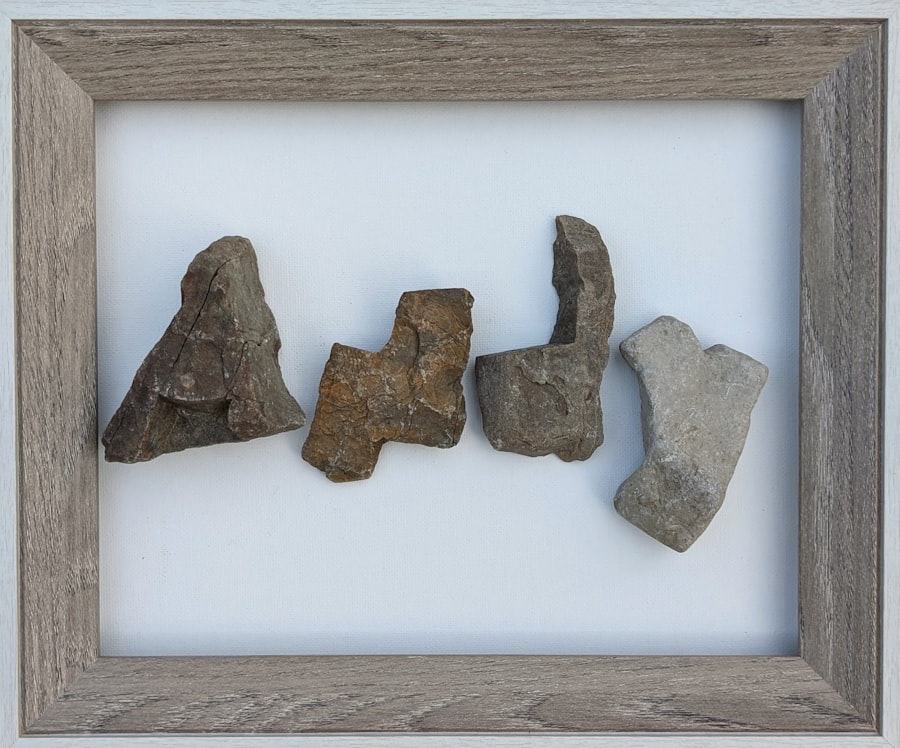
While shark teeth are the most prominent fossils at Abu Tartur, the ancient seabed held other secrets. The rich sedimentary layers preserve evidence of a diverse marine community, offering a more holistic picture of the Eocene ecosystem. Discovering these associated fossils provides crucial context for understanding the sharks themselves and the environment they inhabited.
Marine Vertebrates: Fish and Other Contemporaries
The ancient seas of Abu Tartur were not exclusively ruled by sharks. Fossilized remains of various fish species have also been discovered. These include bony fish, which shared the waters with their cartilaginous counterparts, and potentially even the remains of early marine mammals.
Fossilized Fish Remains
The discovery of fish otoliths (ear bones), scales, and even articulated skeletons, though less common than shark teeth, provides valuable information about the prey of the sharks and the overall fish fauna of the Eocene. These discoveries help reconstruct the food web and understand the ecological interactions within the Abu Tartur ecosystem.
Evidence of Early Marine Mammals
While rarer, there have been occasional findings that hint at the presence of early marine mammals. These could include the remains of primitive whales or other marine mammals that were beginning to adapt to life in the oceans during the Eocene. Such discoveries are incredibly significant for understanding the early evolution of these groups.
Invertebrates: The Unsung Inhabitants of the Ancient Seabed
The seabed at Abu Tartur was also home to a multitude of invertebrates, many of which have been preserved in the fossil record. These often overlooked creatures played vital roles in the Eocene marine ecosystem and provide further clues about the environmental conditions.
Shells of Mollusks and Echinoderms
Fossilized shells of mollusks, such as gastropods and bivalves, are commonly found. Similarly, the remains of echinoderms, like sea urchins and starfish, are also part of the Abu Tartur fossil assemblage. These shells, often remarkably intact, offer insights into the seafloor environment and the diversity of benthic life.
The Importance of Microfossils
Beyond macroscopic fossils, microscopic organisms also contribute significantly to our understanding of Abu Tartur. Foraminifera and ostracods, tiny marine invertebrates with calcareous shells, are abundant in the sedimentary rocks. Their presence and the types of species found can indicate water depth, salinity, and temperature, providing a detailed paleoenvironmental reconstruction.
Trace Fossils: Footprints of Past Life
Trace fossils, such as burrows and tracks, offer a unique perspective on the behavior of ancient organisms. While not the direct remains of the animals themselves, they provide evidence of their movement and interaction with the seafloor.
Evidence of Bioturbation
The presence of burrows dug by worms and other infaunal organisms, a process known as bioturbation, is evident in the sedimentary layers. These activities helped mix the sediment and aerate the seafloor, influencing the depositional environment.
Tracks and Other Behavioral Clues
Occasionally, more complex trace fossils might be found, offering glimpses into the movement patterns of larger invertebrates or even small fish. These discoveries, though less common, add another layer of understanding to the dynamic life that once existed at Abu Tartur.
Recent discoveries of Abu Tartur shark fossils have shed light on the ancient marine ecosystems that once thrived in Egypt. These fossils provide valuable insights into the evolutionary history of sharks and their adaptations over millions of years. For those interested in exploring more about how ancient creatures connect to modern narratives, you can read a fascinating article about the lore of the Elder Scrolls, which delves into the rich history and mythology of Tamriel. Check it out here.
The Scientific and Educational Impact of Abu Tartur’s Shark Fossils
| Location | Abu Tartur |
|---|---|
| Age | 50 million years |
| Species | Various shark species |
| Discovery | 1989 |
| Significance | Provides insight into ancient marine ecosystems |
The discoveries at Abu Tartur are more than just ancient curiosities; they hold immense scientific and educational value. They contribute to our understanding of evolution, paleontology, geology, and the history of life on Earth. Furthermore, they serve as powerful tools for engaging the public and inspiring future generations of scientists.
Advancing Paleontological Knowledge
The vast collection of shark fossils from Abu Tartur provides an unparalleled dataset for paleontologists. These fossils allow for detailed studies on shark morphology, growth patterns, evolutionary relationships, and paleoecology. The exceptional preservation at Abu Tartur enables researchers to conduct analyses that would be impossible with less well-preserved specimens.
Research on Shark Evolution and Diversification
Abu Tartur’s fossils are crucial for tracing the evolutionary pathways of various shark lineages, particularly the lineage leading to Megalodon. By studying the transitional forms and ancestral species found at this site, scientists can gain a deeper understanding of how these magnificent creatures evolved and diversified over millions of years.
Understanding Ancient Marine Ecosystems
The assemblage of fossils at Abu Tartur allows for the reconstruction of complex Eocene marine ecosystems. By analyzing the predator-prey relationships, the dietary habits of various species, and the environmental conditions indicated by the associated fossils, paleontologists can create detailed models of these ancient worlds.
Educational Outreach and Public Engagement
The allure of prehistoric sharks is undeniable, and the discoveries at Abu Tartur offer a fantastic opportunity for public engagement and education. These fossils can spark curiosity and a passion for science in people of all ages.
Museum Exhibitions and Public Displays
The fossilized shark teeth and other specimens from Abu Tartur are often displayed in museums, providing the public with a tangible connection to Earth’s deep past. These exhibitions can educate visitors about prehistoric life, geological processes, and the importance of paleontological research.
Inspiring Future Scientists
By showcasing the exciting work of paleontologists and the incredible discoveries made at sites like Abu Tartur, educational programs can inspire young minds to pursue careers in science, technology, engineering, and mathematics (STEM). The wonder of unearthing ancient creatures from beneath the desert sands can be a powerful motivator.
Contributions to Geological Studies
Beyond paleontology, the geological context of the Abu Tartur fossils is equally important. The study of the sedimentary rocks themselves provides valuable insights into the regional geological history of Egypt and the broader geological events that shaped the planet.
Reconstruction of Ancient Paleogeography
The marine fossils at Abu Tartur are key to reconstructing the paleogeography of North Africa during the Eocene. By understanding where these marine animals lived and in what conditions, geologists can map out the extent of ancient seas, coastlines, and oceanic currents, providing a more accurate picture of Earth’s past configurations.
Understanding Climate Change Through Geological Records
The sedimentary layers and the fossils they contain can also act as proxies for past climate conditions. Analyzing the composition of the rocks and the types of organisms present can reveal information about ancient temperatures, sea levels, and atmospheric conditions, offering valuable context for understanding long-term climate change.
The story of Abu Tartur’s shark fossils is a testament to the enduring power of nature’s archives. Beneath the seemingly barren desert lies a vibrant testament to an oceanic past, a world teeming with life that, through the slow and steady work of geological time and the persistent efforts of human curiosity, continues to reveal its ancient wonders. Each fossilized tooth, each preserved shell, is a whisper from a bygone era, urging us to listen, to learn, and to marvel at the incredible journey of life on our planet.

They Found a Shark Graveyard in the Egyptian Desert
FAQs
What are Abu Tartur shark fossils?
Abu Tartur shark fossils are ancient shark remains that have been discovered in the Abu Tartur area of Egypt. These fossils provide valuable information about the prehistoric marine life in the region.
How old are the Abu Tartur shark fossils?
The Abu Tartur shark fossils are estimated to be around 50 million years old, dating back to the Eocene epoch. This makes them an important source of information for researchers studying the evolution of sharks and other marine life during this time period.
What species of sharks are represented in the Abu Tartur shark fossils?
The Abu Tartur shark fossils represent a variety of shark species, including ancient relatives of modern sharks such as the mako shark and the sand tiger shark. These fossils provide insight into the diversity of shark species that inhabited the region millions of years ago.
What can we learn from studying the Abu Tartur shark fossils?
Studying the Abu Tartur shark fossils can provide valuable information about the ancient marine ecosystem in the region, including the types of sharks that lived there, their behavior, and their interactions with other marine life. This information can help researchers better understand the evolution and diversity of sharks over time.
Where can the Abu Tartur shark fossils be found?
The Abu Tartur shark fossils have been found in the Abu Tartur area of Egypt, which is known for its rich deposits of marine fossils from the Eocene epoch. These fossils are often studied by paleontologists and researchers interested in the history of marine life in the region.