Unearthing Ancient Treasures: Fossils of Egypt’s Western Desert
The vast, sun-baked expanse of Egypt’s Western Desert, a realm of shifting sands and timeless silence, holds secrets far older than the pharaohs who once commanded its oases. For millennia, it has been a land of mystery, a place where the very ground whispers tales of forgotten worlds. Within its geological strata, a remarkable narrative of life’s ancient journey is meticulously preserved, waiting for the keen eye and dedicated hand of the paleontologist to reveal it. The Western Desert is not merely a landscape of arid beauty; it is a colossal graveyard, a repository of some of the most significant fossil discoveries ever made in Africa, offering an unparalleled glimpse into epochs when giant marine reptiles dominated ancient seas and colossal terrestrial mammals roamed verdant plains.
The Cradle of Giants: A Prehistoric Ocean’s Legacy
For millions of years, long before the deserts we know today took shape, much of Egypt’s Western Desert was submerged beneath the vast, warm waters of the Tethys Sea. This ancient ocean, a precursor to the Mediterranean, teemed with an astonishing diversity of life, and its sediments have since been uplifted and exposed, creating a treasure trove for paleontologists. The fossil record here is exceptionally rich, providing irrefutable evidence of the marine ecosystems that once thrived in this region. From the smallest plankton to the apex predators of the prehistoric deep, the sedimentary layers act as a natural archive, meticulously recording the ebb and flow of life across geological timescales. The sheer abundance and remarkable preservation of these marine fossils have made the Western Desert a focal point for understanding the evolution of marine life in Africa and its connections to global marine faunas.
Whales of the Ancient Seas: Basilosaurus and its Kin
Perhaps the most iconic and breathtaking discoveries from the Western Desert are the fossilized remains of ancient whales. The Wadi Al-Hitan, or “Valley of the Whales,” a UNESCO World Heritage site, is a testament to this. Here, in a relatively small area, thousands of fossilized skeletons of archaeocetes – the earliest whales – have been unearthed. These creatures, once terrestrial mammals that returned to the sea, offer a crucial window into the evolutionary transition from land to water.
The Enigmatic Basilosaurus
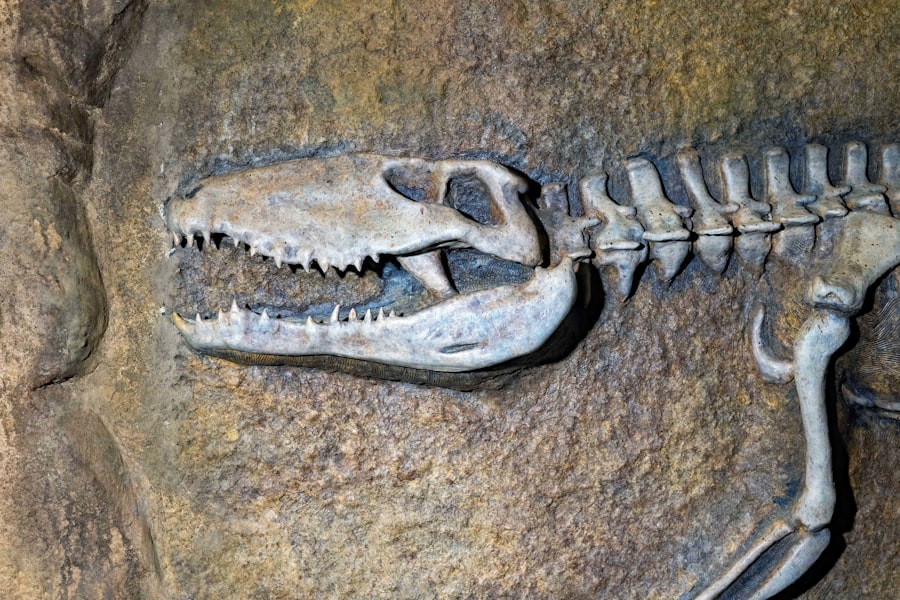
The star of Wadi Al-Hitan is undoubtedly Basilosaurus. This colossal marine serpent, reaching lengths of up to 18 meters, was a formidable predator of the ancient Tethys. Its elongated, serpentine body, small hind limbs, and powerful jaws paint a picture of a creature perfectly adapted to its aquatic environment. The fossil discoveries have revealed remarkable anatomical details, including well-preserved skulls, vertebrae, and even tiny, vestigial hind limbs, providing definitive proof of its mammalian ancestry and evolutionary journey back to the sea. The sheer number of Basilosaurus specimens found in Wadi Al-Hitan suggests that this area may have been a breeding ground or a particularly rich feeding territory for these ancient leviathans.
Other Archaic Cetaceans
Beyond Basilosaurus, Wadi Al-Hitan has yielded a diverse array of other archaic whale species. Fossils of Dorudon, a slightly smaller and more streamlined whale, are also abundant. Dorudon is often found in close proximity to Basilosaurus, leading to speculation about their ecological interactions, perhaps predator and prey or even competitors for resources. The discovery of multiple genera and species within this single locality highlights the significant evolutionary radiation of cetaceans during the Eocene epoch. These fossils are crucial for piecing together the phylogenetic relationships between different early whale groups and understanding the tempo and mode of their diversification.
The Reign of Sharks and Rays: Predators of the Tethys
The ancient Tethys Sea was also a domain ruled by formidable sharks and rays. Fossilized teeth, vertebrae, and dermal denticles – small, tooth-like scales – are frequently found scattered throughout the desert’s sedimentary layers, a testament to their widespread presence and ecological importance. These discoveries offer insights into the diversity of elasmobranchs that inhabited these waters and their role in the ancient food web.
Gigantic Predatory Sharks
The sheer size of some of the discovered shark teeth suggests the presence of truly gigantic predatory species. While complete skeletons are rare, individual teeth, some as large as a human hand, indicate the existence of sharks comparable to, if not exceeding, the size of modern great white sharks. These teeth are invaluable for identifying species and estimating their size and diet. Researchers analyze the morphology and wear patterns on these teeth to understand what these ancient predators consumed and how they hunted.
The Diversity of Rays
Fossilized remains of rays, including cartilaginous skeletons and dental plates, also contribute to our understanding of the Western Desert’s ancient marine life. The discovery of various ray species indicates a complex ecosystem with different niches occupied by these flattened, cartilaginous fish. Their presence further underscores the richness and biodiversity of the Tethys Sea in this region.
Recent discoveries of fossils in Egypt’s Western Desert have shed light on the region’s rich prehistoric past, revealing a diverse array of ancient life forms that once thrived in this arid landscape. These findings not only enhance our understanding of the evolutionary history of the area but also provide insights into the environmental changes that have occurred over millions of years. For more information on related archaeological trends, you can read the article on the abandonment of ancient cities, which discusses how environmental factors influenced human settlement patterns. Check it out here: Uncovering Ancient City Abandonment Trends.
Land Before the Sands: Terrestrial Giants of the Oligocene
As the Tethys Sea gradually receded, the landscape of the Western Desert began to transform. The Oligocene epoch, a period of significant geological and climatic change, saw the emergence of vast terrestrial ecosystems. These environments, though alien to our modern sensibilities, were home to a unique assemblage of large mammals, and their fossilized remains are now being brought to light. These discoveries are reshaping our understanding of African mammal evolution and migration patterns.
The Enigmatic Fayum Mammals
The Fayum Depression, a geologically distinct but geographically adjacent region to the deeper Western Desert, has been a focal point for Oligocene mammal discoveries. While not strictly within the classic “Western Desert” of shifting dunes, its paleontological significance is inextricably linked. Here, some of the earliest and most important fossil mammals in Africa have been found.
Early Primates: Ancestors in the Trees
The Fayum is renowned for its exceptionally well-preserved fossils of early primates. Species like Aegyptopithecus and Propliopithecus represent critical transitional forms in primate evolution, offering insights into the ancestry of apes and humans. These arboreal creatures, with their ape-like teeth and monkey-like bodies, lived in lush forests that once covered the area. Their discovery has been instrumental in reconstructing the primate family tree and understanding the early stages of primate diversification.
The Titan of the Fayum: Paraptenomys
Among the most striking terrestrial fossils from the Fayum is Paraptenomys, an enormous rodent that dwarfed its modern relatives. This giant rat, reaching the size of a buffalo, roamed the Oligocene landscape, feeding on vegetation. Its discovery challenges our preconceptions about the size and diversity of ancient rodents and highlights the unique evolutionary pressures that shaped life in this prehistoric African environment.
Ancestral Proboscideans: The Dawn of Elephants
The Fayum is also a crucial site for understanding the early evolution of proboscideans, the order that includes elephants. Fossils of species like Moeritherium and Phiomia represent some of the earliest known ancestors of modern elephants. Moeritherium, a pig-like animal with a trunk, and Phiomia, a larger, more elephant-like creature, provide essential links in the evolutionary lineage, demonstrating the gradual development of key proboscidean features.
The Legacy of Exploration: Pioneers of Paleontology
The discovery of these ancient treasures has not been a serendipitous event. It is the result of decades of meticulous fieldwork, scientific curiosity, and the dedication of numerous paleontologists who have braved the harsh desert conditions. From early expeditions to modern, technologically advanced research, the story of fossil discovery in Egypt’s Western Desert is as compelling as the fossils themselves.
Early Expeditions and Their Contributions
The late 19th and early 20th centuries saw the first systematic paleontological explorations of Egypt. Pioneers like Markos W. Hughes and his Egyptian Geological Survey team laid the groundwork, identifying promising fossiliferous areas. Later expeditions, such as those led by American paleontologists like Henry Fairfield Osborn and his colleagues from the American Museum of Natural History, made groundbreaking discoveries in the Fayum, bringing many of the early primate and proboscidean fossils to international attention. These early explorers often faced immense challenges, including extreme heat, limited resources, and vast, uncharted territories.
Modern Paleontological Research: Technology and Collaboration
Contemporary paleontological research in the Western Desert benefits from advanced technologies such as satellite imagery, GPS, and sophisticated dating techniques. These tools allow for more efficient surveying, precise mapping of fossil sites, and more accurate dating of the discovered specimens. International collaborations between Egyptian institutions and universities worldwide have been instrumental in pooling resources, expertise, and knowledge, accelerating the pace of discovery and research. The integration of geological and paleontological data provides a more holistic understanding of the ancient environments and the evolutionary processes that occurred within them.
Preservation and Protection: Safeguarding Our Past
The invaluable fossils unearthed from the Western Desert are not just scientific curiosities; they are irreplaceable pieces of Earth’s history. Ensuring their preservation and protection is paramount for future research and for sharing this heritage with the world. The delicate nature of many fossil finds, coupled with the potential threats of erosion, looting, and environmental damage, necessitates robust conservation efforts.
The Importance of Site Management
Protecting fossil sites in the vastness of the Western Desert is a significant logistical challenge. Establishing protected areas, implementing monitoring systems, and controlling access to sensitive locations are crucial steps. The collaborative efforts between government agencies, research institutions, and local communities are vital for effective site management. Educating local populations about the importance of these fossils and involving them in conservation initiatives can foster a sense of stewardship and deter illegal activities.
The Role of Museums and Research Institutions
Museums and research institutions play a critical role in the long-term preservation, study, and exhibition of these ancient treasures. Properly curated and conserved fossil collections provide researchers with the resources to conduct ongoing studies, make new discoveries, and develop innovative analytical techniques. The careful preparation and stabilization of fragile fossils are essential for their longevity. Furthermore, these institutions are vital for educating the public through exhibitions and outreach programs, fostering an appreciation for paleontology and the rich history of life on Earth.
Recent discoveries of fossils in Egypt’s Western Desert have shed light on the region’s ancient ecosystems, revealing a wealth of information about prehistoric life. These findings not only enhance our understanding of the area’s geological history but also connect to broader archaeological themes, such as the exploration of ancient civilizations. For those interested in the intersection of history and archaeology, an intriguing article discusses the remnants of an ancient city found nearby, which can be explored further in this related article.
Unveiling the Future: Ongoing Discoveries and Future Potential
The story of fossil discovery in Egypt’s Western Desert is far from over. The sheer scale of the unexplored regions, combined with the immense potential for new finds, promises an exciting future for paleontology in this remarkable land. As technology advances and our understanding of geological processes deepens, we can anticipate uncovering even more extraordinary insights into the planet’s ancient past.
Emerging Fossil Sites and New Species
While Wadi Al-Hitan and the Fayum are well-established fossil hotspots, paleontologists continue to explore new areas within the Western Desert, revealing previously unknown fossiliferous deposits. These ongoing explorations hold the promise of discovering new species, filling gaps in our understanding of evolutionary lineages, and shedding light on previously unrepresented ecosystems. Each new dig has the potential to rewrite chapters of evolutionary history.
Reconstructing Ancient Ecosystems and Environments
The ultimate goal of paleontological research in the Western Desert is to reconstruct the ancient ecosystems and environments in vivid detail. By studying the diversity of fossils, their geological context, and the associated environmental indicators, scientists can paint a comprehensive picture of what these landscapes were like millions of years ago. Understanding these ancient worlds provides crucial context for comprehending the long-term drivers of biodiversity, climate change, and evolutionary adaptation, offering valuable lessons for our present and future. The fossils of Egypt’s Western Desert are not just remnants of the past; they are vital keys to understanding the grand narrative of life on Earth.

They Found a Shark Graveyard in the Egyptian Desert
FAQs
What are the fossils found in Egypt Western Desert?
The fossils found in Egypt Western Desert include ancient marine creatures such as ammonites, bivalves, gastropods, and shark teeth. These fossils provide valuable insights into the prehistoric marine life that existed in the region.
Where in Egypt Western Desert were the fossils discovered?
The fossils were discovered in the Bahariya Oasis, which is located in the Western Desert of Egypt. This area is known for its rich fossil deposits and has been the site of numerous paleontological discoveries.
What time period do the fossils from Egypt Western Desert date back to?
The fossils found in the Egypt Western Desert date back to the Late Cretaceous period, which occurred approximately 100 million years ago. This time period was characterized by the presence of diverse marine life in the region.
What significance do the fossils hold for paleontologists and researchers?
The fossils found in the Egypt Western Desert provide important information about the ancient marine ecosystems that existed in the region during the Late Cretaceous period. They also contribute to our understanding of the evolutionary history of marine creatures and the geological processes that shaped the area.
Are the fossils found in Egypt Western Desert accessible to the public?
Some of the fossil sites in the Egypt Western Desert are accessible to the public, and guided tours are available for those interested in exploring the area and learning about the paleontological discoveries. However, it is important to respect the sites and follow any regulations in place to preserve the fossils for future generations.