The relentless sun beat down on the Egyptian desert, a vast expanse of sand and rock that has held its secrets for millennia. For centuries, explorers and archaeologists have meticulously sifted through the sands, unearthing fragments of pharaonic glory and whispers of forgotten civilizations. Yet, beneath the arid surface, a far older, grander narrative lay hidden, a story written not in hieroglyphs, but in the very bones of creatures that once roamed a vibrant, ancient ocean. This is the tale of a journey into the deep past, a scientific expedition that has begun to unveil the astonishing reality of a prehistoric sea that once dominated the land now known as the Egyptian desert.
The conventional image of Egypt is inextricably linked to its desert landscape, a stark and beautiful testament to aridity. However, geological evidence and paleontological discoveries are rapidly rewriting this perception, revealing a history far more dynamic and aqueous. For vast stretches of geological time, the very ground beneath the modern Egyptian desert was submerged under a shallow, warm sea, teeming with life. This lost world, known as the Tethys Ocean, was a colossal body of water that once stretched across much of the globe, and Egypt was a vital part of its ancient coastline. The current arid conditions are a relatively recent geological phenomenon, a stark contrast to the vibrant marine ecosystems that characterized this region for millions of years.
The Tethys Ocean: A Global Marine Marvel
The Tethys Ocean was not a fleeting body of water; it was a defining feature of Earth’s paleogeography for an immense period, from the late Paleozoic Era through the Mesozoic and into the early Cenozoic. Imagine a sea that connected what are now Europe, Asia, Africa, and even parts of the Americas. This vast super-ocean was a cradle of biodiversity, hosting an incredible array of marine life, from microscopic plankton to colossal marine reptiles. Its currents influenced global climate patterns, and its sediments laid the foundations for mountain ranges and sedimentary basins that shape our modern world. Understanding the Tethys is crucial to understanding the geological and biological history of a significant portion of our planet.
Reconstructing the Past Through Sedimentary Layers
The primary evidence for the existence of the Tethys Ocean in Egypt lies embedded within the rock formations. Geologists and paleontologists meticulously study sedimentary layers, each representing a distinct period of deposition. These layers, like pages in a geological history book, contain the fossilized remains of ancient organisms, mineral compositions, and evidence of environmental conditions. By analyzing the types of rocks – sandstone, limestone, shale – and the fossils they contain, scientists can reconstruct the paleobathymetry (depths of the ancient sea), the salinity, temperature, and even the prevailing currents of the Tethys.
The Unveiling of Ancient Marine Life: Fossils as Storytellers
The desert’s apparent barrenness belies its extraordinary paleontological riches. Scattered across the landscape, often unearthed by wind and erosion, lie the fossilized remnants of a vibrant marine ecosystem that once thrived here. These ancient creatures, preserved for millions of years, offer a tangible connection to a world vastly different from our own. Their discovery is not merely an academic pursuit; it provides crucial insights into the evolution of life, the interconnectedness of ancient ecosystems, and the dramatic environmental shifts that have shaped our planet.
Whales of the Desert: A Surprising Discovery
Perhaps the most striking and widely recognized discoveries in the Egyptian desert relate to prehistoric whales. The Fayoum Oasis, in particular, has become a globally renowned site for the abundance and diversity of ancient cetacean fossils. Here, amidst the sand dunes, scientists have unearthed the skeletal remains of some of the earliest known whales, providing irrefutable evidence of their terrestrial origins and their transition to a fully aquatic lifestyle. These fossils are not just bones; they are chapters in the evolutionary story of one of Earth’s most iconic marine mammals.
The Evolution of the Whale: From Land to Sea
The fossils found in Egypt are instrumental in tracing the evolutionary journey of whales. For decades, paleontologists debated the origins of cetaceans. However, the discovery of fossils like Basilosaurus and Dorudon in the Fayoum provided crucial missing links. These ancient whales, while clearly adapted to an aquatic existence, still retained features that hinted at their land-dwelling ancestors, such as small hind limbs. Studying the anatomy of these fossils, including the structure of their skulls, ears, and vertebral columns, allows scientists to reconstruct their locomotion, sensory capabilities, and feeding strategies, painting a vivid picture of their adaptation to marine life.
Analyzing Skeletal Structures for Evolutionary Clues
Detailed analysis of fossilized whale skeletons is paramount. Paleontologists meticulously measure bone lengths, examine muscle attachment points, and compare the cranial morphology with that of modern whales and their terrestrial relatives. For instance, the presence of a pelvic bone, even if vestigial, in early whales is a powerful indicator of their evolutionary lineage. Furthermore, the structure of the inner ear in these fossils provides insights into their hearing capabilities, a crucial adaptation for underwater communication and navigation.
Other Marine Inhabitants: A Diverse Ecosystem
The ancient Egyptian seas were not just populated by whales. The fossil record reveals a rich tapestry of marine life, including sharks, dolphins, manatees, turtles, and a bewildering array of invertebrates. The discovery of their fossilized remains provides a comprehensive understanding of the food webs, ecological interactions, and the overall health of these ancient marine environments. Each fossil, no matter how small, contributes to the grand mosaic of prehistoric life.
Sharks and Rays: Ancient Predators of the Tethys
The presence of numerous shark and ray fossils highlights the apex predator role these cartilaginous fish played in the Tethys. Discoveries of fossilized teeth, jaws, and even complete skeletons offer insights into their diversity, size, and feeding habits. Some of these ancient sharks were enormous, predating on large marine vertebrates, while others were smaller, feeding on invertebrates. Understanding their distribution and abundance helps scientists reconstruct the structure of the ancient food web.
Examining Tooth Morphology for Diet Reconstruction
Shark teeth are particularly informative fossils. Their shape, size, and serrations provide direct clues about the shark’s diet. For example, broad, crushing teeth indicate a diet of hard-shelled prey like mollusks, while sharp, serrated teeth suggest a diet of fish and other marine animals. The discovery of different types of shark teeth within the same fossiliferous layers allows paleontologists to infer the presence of multiple shark species, each occupying a different ecological niche.
Marine Reptiles and Invertebrates: The Broader Picture
Beyond the vertebrates, the ancient seas were populated by a vast array of other organisms. Fossilized remains of sea turtles, with their distinctive shells, have been found, indicating their presence in these warm waters. The Tethys also teemed with invertebrates, from the shells of ammonites and belemnites – ancient cephalopods that are now extinct – to the skeletons of corals and the exoskeletons of crustaceans. These fossils are invaluable for dating rock layers and understanding the paleoenvironment.
Ammonites and Belemnites: Timekeepers of the Past
Ammonites, with their coiled shells, and belemnites, with their bullet-shaped internal structures, are particularly important index fossils. Their rapid evolution and widespread distribution mean that specific species can be used to pinpoint the age of rock layers with remarkable accuracy. The abundance and variety of ammonite and belemnite fossils found in Egypt are critical for dating the sedimentary formations that contain the whale fossils, thus establishing a timeline for the Tethys’ presence and subsequent disappearance.
Recent discoveries have shed light on the ancient ocean that once existed beneath the Egyptian desert, revealing fascinating insights into the region’s geological history and its impact on early civilizations. This intriguing topic is further explored in an article that delves into the engineering marvels of ancient societies, showcasing how they adapted to their environments. For more information, you can read the article here: Unlocking the Secrets of Ancient Megalithic Engineering.
Geological Evidence: The Land Under the Waves
The fossilized remains are the charismatic stars of this discovery, but the underlying geological evidence is equally compelling. The very rocks that make up the desert landscape tell a story of ancient sedimentation, of deposition in marine environments that have long since vanished. Scientists analyze the composition of these rocks, their stratification, and their structural features to understand the geological processes that occurred when the Tethys Ocean covered this region.
Stratigraphy and Sedimentology: Reading the Earth’s Layers
The study of stratigraphy, the ordering of rock layers according to their age, and sedimentology, the study of sedimentary rocks and the processes of their formation, are fundamental to understanding ancient marine environments. In Egypt, thick sequences of limestone, often rich in marine fossils, are prime indicators of prolonged periods of submergence. The presence of specific minerals and sedimentary structures, such as cross-bedding in sandstones formed in shallow marine environments or ripple marks, further helps to reconstruct the paleogeography and the dynamics of the ancient ocean.
Identifying Marine Sedimentary Formations
Geologists meticulously map out these sedimentary formations, tracing their extent and thickness. For instance, the Gebel El-Dist Formation, near Cairo, is a well-known example of a marine sedimentary sequence that has yielded numerous whale fossils. Understanding the geographic distribution of these formations provides a clearer picture of the ancient shoreline and the extent of the Tethys in what is now Egypt.
The Importance of Limestone Deposits
Limestone, a sedimentary rock composed primarily of calcium carbonate, is often formed from the accumulation of marine organisms’ shells and skeletons, such as corals, mollusks, and foraminifera. The extensive limestone deposits found in the Egyptian desert are a powerful testament to the biological productivity of the ancient Tethys. These rocks are essentially the calcified remains of a vast, ancient ecosystem.
Analyzing the Microfossils Within Limestone
Beyond macroscopic fossils, microscopic fossils, known as microfossils, play a critical role. Foraminifera, tiny single-celled organisms with shells, are particularly abundant in marine limestones. Their diversity and distribution are highly sensitive to environmental conditions, allowing paleontologists to reconstruct detailed paleoenvironmental maps. Analyzing these microfossils within the Egyptian limestones provides precise information about water depth, temperature, and salinity.
Paleobathymetry: Depths of the Lost Ocean
By studying the types of marine organisms found and the sedimentary structures, scientists can infer the depths of the ancient Tethys Ocean in different areas of Egypt. Certain fossils are indicators of shallow, sunlit waters, while others are adapted to deeper, darker environments. This allows for the creation of paleobathymetric maps, illustrating the underwater topography of the ancient landscape.
Indicators of Shallow vs. Deep Water Environments
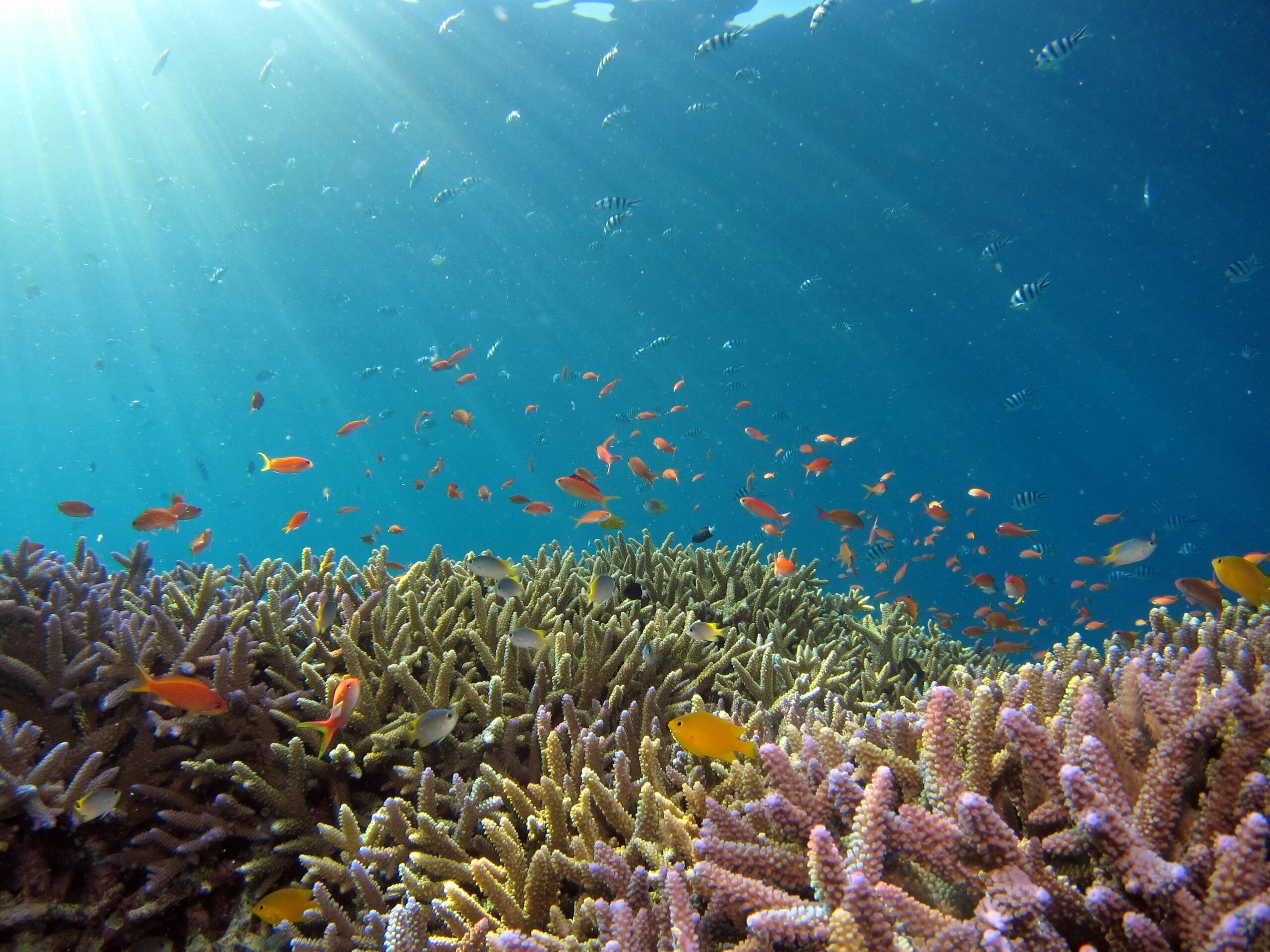
The presence of coral reefs, for instance, strongly suggests shallow, warm, and clear waters. Conversely, the discovery of fossils from organisms that thrive in low-oxygen or high-pressure environments would indicate deeper sections of the ocean. The careful analysis of fossil assemblages allows for a nuanced understanding of the varying depths and conditions within the Tethys.
Reconstructing Ancient Coastlines and Continental Shelves
The transition zones between terrestrial and marine environments are also preserved in the geological record. The presence of nearshore sediments, such as beach sands and tidal flat deposits, alongside shallow marine fossils, helps geologists reconstruct the ancient coastlines and continental shelves. This helps to delineate the precise areas that were once submerged and the landmasses that bordered the Tethys.
The Mystery of Disappearance: Why Did the Ocean Recede?

The existence of a vast ocean in what is now a desert raises a fundamental question: what happened? The disappearance of the Tethys Ocean from this region is a testament to the dynamic nature of Earth’s geology, driven by tectonic forces and global climate shifts. Understanding this transition provides crucial insights into the geological processes that have shaped our planet over millions of years.
Recent discoveries have revealed the existence of an ancient ocean beneath the Egyptian desert, shedding light on the region’s geological history and its transformation over millions of years. This fascinating topic is intricately connected to the study of isostatic rebound and the changing landscapes of our planet, as explored in a related article. For more insights into how these geological processes shape our world, you can read about it here.
Plate Tectonics: The Engine of Change
The primary driver behind the Tethys Ocean’s eventual closure and the emergence of land in Egypt was plate tectonics. The slow but relentless movement of Earth’s lithospheric plates caused continental landmasses to collide and oceans to shrink. The northward drift of the African plate played a significant role in the closure of the Tethys.
Collisions and Mountain Building
As the African and Eurasian plates converged, the ocean basin between them was squeezed. This process led to the formation of immense mountain ranges, such as the Alps and the Himalayas, as the crust buckled and folded. In the region of Egypt, this tectonic activity caused the seabed to uplift, eventually leading to the retreat of the ocean.
The Role of the African Plate’s Northward Drift
The continuous northward movement of the African plate over tens of millions of years exerted immense pressure on the Tethys Ocean. This pressure resulted in the subduction of oceanic crust and the eventual collision of continental margins, effectively closing off sections of the ocean and causing its waters to retreat from landmasses like Egypt.
Climate Change and Sea Level Fluctuations
Beyond tectonic forces, global climate change and subsequent sea level fluctuations also contributed to the Tethys’ disappearance. Periods of glaciation, for instance, lead to a significant drop in global sea levels, exposing vast areas of continental shelves. Conversely, warmer interglacial periods would see sea levels rise.
Evidence of Past Glaciations and Interglacials
While direct evidence of ancient glaciation within the desert might be scarce, the geological record of surrounding regions and global climate models provide context. The cyclical nature of ice ages and warmer periods would have caused significant and repeated inundation and recession of shallow seas, including the Tethys.
The Gradual Emergence of the Modern Desert Landscape
The transition from a marine environment to a desert was not an instantaneous event. It was a gradual process, likely spanning millions of years, characterized by periods of shallow seas, then brackish lagoons, and finally, arid desert conditions. The geological strata record this transition, with marine fossils giving way to terrestrial ones, and eventually, to the wind-blown sands that characterize the modern landscape.
The Significance of These Discoveries: Why Does it Matter?
The unearthing of an ancient ocean beneath the Egyptian desert is far more than a collection of old bones and rocks. It is a profound scientific endeavor with far-reaching implications for our understanding of evolution, Earth’s history, and the dynamic processes that shape our planet. These discoveries rewrite textbooks, inspire future research, and connect us to a deep past that is both alien and intimately ours.
Understanding Evolution in Action
The fossils of prehistoric whales, in particular, offer a vivid, tangible demonstration of evolution. They show the gradual adaptation of terrestrial mammals to a fully aquatic life, providing undeniable evidence for Darwin’s theory of evolution by natural selection. Each discovery helps to fill in the gaps in our understanding of the evolutionary tree.
Tracing the Evolutionary Pathway of Cetaceans
The Egyptian desert has become a treasure trove for tracing the evolutionary pathway of whales. The fossils found here are crucial for understanding the transitional forms between land-dwelling ancestors and modern whales. This has revolutionized our understanding of cetacean evolution, demonstrating a clear and compelling lineage.
Comparative Anatomy and Molecular Evidence
The insights gained from studying the skeletal structures of these ancient whales are further corroborated by comparative anatomy and, where possible, molecular evidence from more recent fossil finds. By comparing the anatomical features of ancient and modern whales, scientists can identify homologous structures and trace their modifications over time, reinforcing the evolutionary narrative.
Reconstructing Past Ecosystems and Climate
The wealth of fossil evidence allows scientists to reconstruct the complex ecosystems that once existed in the Tethys Ocean. By studying the diversity of species, their interactions, and the environmental conditions indicated by the rocks, they can build detailed models of ancient marine life and food webs. This also sheds light on past climate patterns and how they have changed over geological time.
Insights into Biodiversity and Extinction Events
The fossil record from Egypt provides valuable data on past biodiversity and the patterns of extinction events. Understanding which species thrived, which disappeared, and why, offers crucial insights into the resilience and vulnerability of ecosystems to environmental change. This knowledge is vital for predicting the impacts of current and future environmental challenges.
Paleoenvironmental Reconstruction for Climate Modeling
By piecing together the environmental clues from the sedimentary rocks and fossils, scientists can create detailed paleoenvironmental reconstructions. This data is invaluable for refining climate models and understanding how Earth’s climate has fluctuated over millions of years, providing a long-term perspective on current climate change.
The Economic and Cultural Value of Paleontological Heritage
Beyond pure scientific pursuit, the discoveries in the Egyptian desert hold significant economic and cultural value. Paleontological sites can become major tourist attractions, drawing visitors interested in natural history and evolution. Furthermore, the preservation and study of this heritage contribute to Egypt’s rich cultural identity and its place in the global scientific community.
Promoting Paleotourism and Scientific Education
The readily accessible and remarkably preserved fossils in Egypt offer a unique opportunity for paleotourism. Designated sites and visitor centers can educate the public about prehistoric life and the ongoing scientific work, fostering a greater appreciation for natural history and inspiring the next generation of scientists.
Contributing to Egypt’s Scientific and Cultural Landscape
The ongoing paleontological research in Egypt not only enriches the global scientific understanding but also significantly contributes to Egypt’s own scientific infrastructure and cultural landscape. It highlights the country’s immense natural heritage and its potential for groundbreaking scientific discovery.
The Egyptian desert, once perceived as a symbol of desolation, is now revealing itself as a cradle of ancient life, a testament to the profound and often surprising transformations our planet has undergone. The whispers of the Tethys Ocean, once drowned out by the howling winds, are now being amplified by the persistent efforts of scientists, revealing a story as vast and awe-inspiring as the lost sea itself. The journey to uncover this ancient world is far from over, promising even more revelations from the sands of time.

They Found a Shark Graveyard in the Egyptian Desert
FAQs
What is the ancient ocean beneath the Egyptian desert?
The ancient ocean beneath the Egyptian desert is a large body of water that existed millions of years ago during the time of the dinosaurs. It is believed to have covered a significant portion of North Africa.
How was the ancient ocean discovered?
The ancient ocean was discovered through the analysis of seismic data collected by researchers. This data revealed the presence of a massive underground reservoir of water beneath the Egyptian desert.
What significance does the ancient ocean hold?
The ancient ocean holds significant scientific and historical significance as it provides insights into the geological history of the region. It also has the potential to provide valuable freshwater resources for the surrounding areas.
What impact does the ancient ocean have on the environment and local communities?
The ancient ocean has the potential to impact the environment and local communities by providing access to freshwater resources. However, it also raises concerns about potential environmental and ecological impacts from accessing and utilizing the water.
What are the future implications of the discovery of the ancient ocean?
The discovery of the ancient ocean has the potential to impact future research and exploration in the region. It may also lead to further studies on the geological history of North Africa and the potential for sustainable water resources in the area.