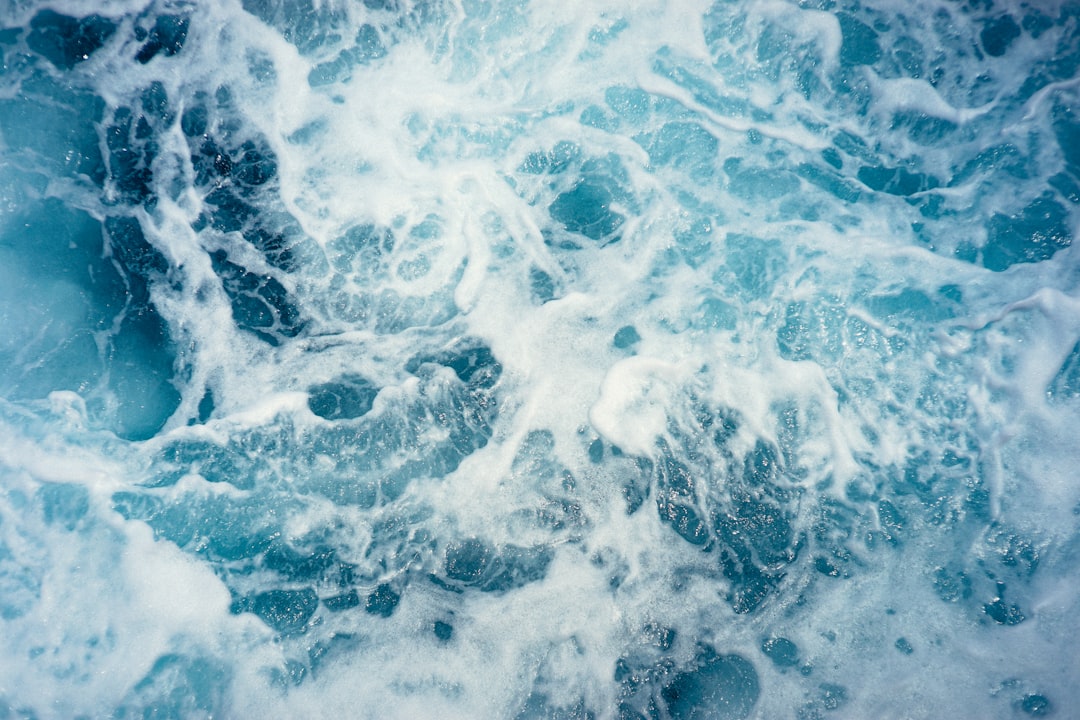
Beneath the seemingly endless expanse of the Sahara Desert, a colossal secret lies hidden – the ghost of a once-thriving ocean. For millennia, these arid plains have been a symbol of desolation, a stark testament to nature’s power to transform landscapes. Yet, geological evidence paints a dramatically different picture, revealing a forgotten aquatic world that once teemed with life and sculpted the very foundations of the present-day desert. The Sahara, far from being an eternal wasteland, is a land of profound geological memory, a testament to the dynamic forces that have shaped our planet over vast stretches of time. Unearthing the story of this lost ocean is not merely an academic exercise; it offers a unique lens through which to understand Earth’s climate history, the resilience of life, and the potential for drastic environmental change.
The notion of a vast ocean swallowing what is now the Sahara is not the fanciful speculation of a poet, but a scientifically grounded hypothesis supported by a wealth of paleontological and geological data. The most prominent architect of this ancient aquatic realm was the Tethys Ocean, a prehistoric superocean that, at its peak, stretched from what is now the Mediterranean Sea to Southeast Asia, encompassing large swathes of what is now North Africa and the Middle East. Its existence is not a new revelation, but its precise reach and the profound impact it had on the Sahara are subjects of ongoing and exciting research.
The Geological Imprint of the Tethys
The Sahara’s arid surface may appear featureless to the casual observer, but beneath the sand lie geological strata that whisper tales of submerged lands. Sedimentary rocks, formed from the accumulation of ancient marine sediments, are the primary evidence. These rocks, when analyzed, reveal the presence of fossils that could only have existed in a marine environment.
Fossils as Time Capsules
Among the most compelling evidence are the fossils found embedded within the Saharan rock formations. These include the skeletal remains of marine organisms such as ammonites, belemnites, and various types of ancient fish. Ammonites, spiral-shelled cephalopods that thrived in ancient seas, are particularly abundant in many Saharan regions. Their presence in such profusion in an area now defined by extreme aridity is a direct indicator of past marine inundation. Similarly, the discovery of fossilized coral reefs, typically found in warm, shallow marine environments, points to a very different climate and geography than that of the present day. These are not isolated finds; entire rock layers are replete with these marine fossils, indicating prolonged periods of oceanic presence.
Marine Sediments Tell a Story
Beyond individual fossils, the very composition of the rocks provides crucial insights. Layers of limestone, formed primarily from the shells and skeletons of marine organisms, are widespread across the Sahara. These limestones are indicative of deposition in calm, shallow, and warm waters, conditions characteristic of the Tethys Ocean. Furthermore, the presence of evaporite deposits, such as gypsum and halite (rock salt), suggests periods when the ocean waters receded or were enclosed in lagoons, leading to high rates of evaporation and the precipitation of salts. These salty layers are a stark reminder of the cyclical nature of Earth’s geological and climatic processes.
The Paleogeographic Reconstruction
Mapping the extent of the Tethys Ocean and its fluctuations over geological time has been a monumental undertaking. Paleogeographers, using the geological and paleontological evidence, have painstakingly reconstructed the ancient shorelines and depths of this lost sea. These reconstructions reveal that at its greatest extent, the Tethys Ocean covered vast portions of what is now the Sahara Desert, transforming it into a vibrant marine ecosystem.
Shifting Continents and Ocean Basins
The formation and eventual demise of the Tethys Ocean are intrinsically linked to the grand dance of plate tectonics. The movement of continents, the opening and closing of ocean basins, and the collision of landmasses all played a crucial role in shaping the Tethys. Initially, it formed as a result of the separation of the supercontinent Pangaea. As the African and Eurasian plates drifted apart, a vast sea emerged in between. Later, as these plates began to converge, the Tethys Ocean gradually shrank and eventually closed, leading to the uplift of mountain ranges and the formation of the landscapes we see today. The Sahara’s journey from seabed to desert is a direct consequence of these colossal tectonic shifts.
Climatic Oscillations and Sea Level Changes
The history of the Tethys was not a static one. It experienced periods of expansion and contraction, influenced by global climate changes and fluctuations in sea levels. Throughout the Mesozoic and early Cenozoic eras, the Earth experienced generally warmer climates, which supported higher sea levels and facilitated the expansive reach of the Tethys. During these periods, the Sahara was a shallow, tropical sea, teeming with life. Conversely, periods of global cooling and lower sea levels would have led to the retreat of the Tethys, exposing the seafloor and initiating the slow process of desertification.
The discovery of a lost ocean beneath the Sahara Desert has sparked significant interest in the geological history of our planet. This fascinating topic is further explored in a related article that delves into the mysteries of ancient maps and their implications for our understanding of historical geography. For those intrigued by the connections between ancient cartography and geological phenomena, you can read more about it in this article on the Piri Reis map controversy: Unraveling the Piri Reis Map Controversy.
Life Beneath the Sands: The Biodiversity of the Ancient Saharan Sea
The realization that the Sahara was once a thriving ocean naturally leads to questions about the life that inhabited these waters. The fossil record provides tantalizing glimpses into a remarkably diverse ecosystem that flourished in the warm, shallow seas, a stark contrast to the barrenness that characterizes much of the region today.
Marine Life Forms Discovered
The fossils unearthed from Saharan strata paint a vivid picture of a vibrant marine world. From microscopic plankton to large marine reptiles, the diversity of life was impressive.
Cephalopods and Echinoderms: The Ocean’s Architects
As mentioned earlier, ammonites were a dominant form of life in the Tethys. Their diverse species and rapid evolutionary rates make them excellent index fossils for dating geological formations. Their abundance in the Sahara indicates that these waters were conducive to their prolific reproduction and survival. Alongside ammonites, belemnites, another group of extinct cephalopods resembling squid, also left their mark. Echinoderms, such as starfish and sea urchins, also contributed to the marine sediment accumulation, their fossilized remains found alongside other marine invertebrates.
Ancient Fish and Marine Reptiles
The fossilized remains of ancient fish, some quite large, have also been discovered, indicating a complex food web. More significantly, evidence suggests the presence of marine reptiles, such as mosasaurs and plesiosaurs, which were apex predators in the ancient oceans. The discovery of their remains suggests that the Saharan seas were capable of supporting a rich and varied fauna, including formidable marine predators.
Coral Reefs and Other Ecosystems
The presence of fossilized coral reefs is particularly significant. These structures are built by tiny marine invertebrates and typically thrive in warm, clear, shallow waters. Their existence in the Sahara indicates that at least some parts of the ancient ocean were tropical, supporting vibrant reef ecosystems similar to those found in the Caribbean or the Great Barrier Reef today. These reefs would have provided habitats for a multitude of other marine organisms, further enhancing the biodiversity of the lost ocean.
The Importance of Shallow Marine Environments
The geological evidence strongly points towards shallow marine environments being prevalent in the Saharan region during the Tethys’s existence. These environments are incredibly productive and support a high degree of biodiversity. The vast continental shelves that would have existed where the Sahara now stands would have been ideal for the development of diverse ecosystems, from sandy bottoms to coral gardens.
Microscopic Life: The Foundation of the Food Web
While macroscopic fossils capture the imagination, the role of microscopic marine life cannot be overstated. Foraminifera, tiny single-celled organisms with shells, are incredibly abundant in marine sediments. Their sheer numbers and diverse species provide invaluable information about past ocean conditions, including temperature, salinity, and depth. These microorganisms formed the base of the marine food web, supporting the larger organisms that are more readily preserved as fossils.
From Ocean to Desert: The Transformative Processes
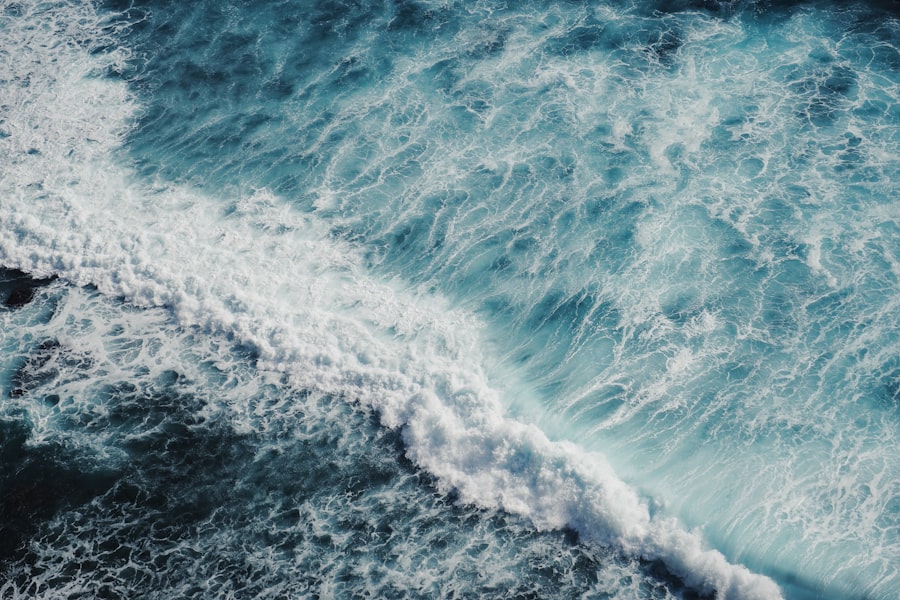
The transition of the Sahara from a vast ocean to a hyper-arid desert is a dramatic illustration of Earth’s dynamic nature. This transformation was not a single, instantaneous event, but a long, complex process driven by a combination of tectonic activity, climate change, and atmospheric circulation patterns.
The Retreat of the Tethys
The most significant factor in the Sahara’s transformation was the gradual closure of the Tethys Ocean. This was driven by the northward movement of the African tectonic plate and its eventual collision with the Eurasian plate. As these massive landmasses converged, the oceanic crust between them was squeezed and subducted, leading to the uplift of mountain ranges such as the Atlas Mountains and the Alps.
Plate Tectonics: The Ultimate Sculptor
The relentless forces of plate tectonics were the ultimate sculptors of the Saharan landscape. The closure of the Tethys Ocean effectively eliminated the source of its vast waters. As the ocean basin was consumed, the marine sediments that had accumulated over millions of years were uplifted and exposed.
Sea Level Fluctuations and Inland Seas
Even before the complete closure of the Tethys, sea levels fluctuated, leading to periods where the ocean retreated, leaving behind vast inland seas or salt pans. These periods of inundation and retreat created complex geological formations and contributed to the eventual aridification of the region.
The Aridification Process: A Slow Draining
As the Tethys retreated, the exposed landmass began to dry out. Several factors contributed to this aridification process.
Atmospheric Circulation Shifts
A crucial element in the Sahara’s transformation was a shift in global atmospheric circulation patterns. As the continents moved and mountain ranges rose, the prevailing wind patterns changed. This led to the formation of high-pressure systems that are characteristic of deserts, blocking moisture-laden air from reaching the region.
The Sahara’s Location on the Globe
The Sahara’s geographical position on Earth plays a significant role in its arid climate. It lies within the subtropical high-pressure belt, a region where descending air inhibits cloud formation and rainfall. This permanent atmospheric condition is a direct consequence of global atmospheric circulation, which itself is influenced by factors like solar radiation and Earth’s rotation.
The Role of Ocean Currents
While the Tethys was present, its waters and associated oceanic currents would have influenced regional climate. As the ocean vanished, so too did these moderating influences. The lack of a nearby large body of water to release moisture into the atmosphere further exacerbated the drying process.
Rediscovering the Lost Ocean: Modern Scientific Exploration
The story of the lost Saharan Ocean is not solely a relic of the distant past; it is a subject of active scientific investigation. Modern geologists, paleontologists, and climatologists are employing sophisticated techniques to further unravel its mysteries and understand its implications.
Advanced Imaging and Geophysical Techniques
Geophysical surveys, including seismic reflection and ground-penetrating radar, are providing unprecedented insights into the subsurface structure of the Sahara. These techniques allow scientists to map buried rock layers, identify ancient water channels, and even detect the presence of underground aquifers that may be remnants of the past ocean.
Satellite Imagery and Remote Sensing
Satellite imagery and remote sensing technologies offer a bird’s-eye view of the vast Saharan landscape. By analyzing variations in land surface temperature, spectral reflectance, and other remotely sensed data, scientists can identify geological formations and geomorphological features that might be indicative of past oceanic influence. This helps in targeting areas for more detailed ground-based investigations.
Core Sampling and Stratigraphic Analysis
Geological core samples, drilled from various locations across the Sahara, provide direct access to the rock layers. Analyzing these cores allows scientists to determine the age of the rock, identify the types of sediments present, and extract fossils for detailed study. This stratigraphic analysis is crucial for reconstructing the timeline of the ocean’s existence and its eventual disappearance.
Paleoclimate Modeling and Reconstruction
Scientists are using advanced computer models to simulate past climate conditions. By incorporating geological data, fossil evidence, and information about Earth’s orbital parameters, these models can reconstruct the temperature, precipitation, and atmospheric circulation patterns of the Tethys era.
Understanding Past Climate Change
Studying the transition from an ocean to a desert provides invaluable data for understanding climate change. By analyzing the factors that led to the Sahara’s aridification, scientists can gain a better understanding of how similar processes might occur in the future under different climate scenarios. This research is crucial for predicting the impact of global warming on arid and semi-arid regions.
The Sahara’s Green Past: Evidence of Past Rainfall
Interestingly, evidence also suggests that even after the Tethys retreated, the Sahara has experienced periods of wetter climates. These “Green Sahara” phases, often linked to orbital cycles that alter monsoon patterns, demonstrate the region’s sensitivity to climatic shifts and hint at the possibility of future transformations. Studying these periods provides further context for understanding the long-term climatic variability of the region.
Recent discoveries have shed light on the fascinating concept of a lost ocean beneath the Sahara Desert, revealing clues about ancient climates and ecosystems. Researchers believe that this hidden body of water may have played a crucial role in shaping the region’s history and biodiversity. For those interested in exploring more about the mysteries of ancient civilizations and their connections to lost technologies, a related article discusses these intriguing topics in depth. You can read more about it here.
Implications and Lessons from the Lost Saharan Ocean
| Location | Area | Depth | Age |
|---|---|---|---|
| Beneath the Sahara Desert | Approximately 1 million square kilometers | Estimated to be several kilometers deep | Believed to have existed for millions of years |
The story of the lost ocean beneath the Sahara Desert is more than just a geological curiosity; it holds profound implications for our understanding of Earth systems, the fragility of ecosystems, and the potential for dramatic environmental change.
Insights into Earth’s Climate History
The existence and subsequent disappearance of the Tethys Ocean offer a remarkable case study in Earth’s long-term climate variability. It demonstrates that the planet’s climate is not static but undergoes significant transformations over geological timescales. Understanding these past changes helps scientists refine models and predictions for future climate scenarios.
The Cyclical Nature of Earth’s Systems
The Sahara’s journey from ocean to desert, and its subsequent brief return to verdant landscapes during Green Sahara periods, highlights the cyclical nature of many of Earth’s systems. This cyclicality is driven by a complex interplay of tectonic forces, orbital variations, and atmospheric dynamics. Recognizing these cycles is crucial for understanding long-term environmental trends.
The Impact of Tectonic Activity on Climate
The closure of the Tethys Ocean serves as a powerful example of how major tectonic events can profoundly influence global climate. The uplift of mountain ranges and the reorganization of ocean basins can alter atmospheric circulation, ocean currents, and ultimately, regional and global temperatures.
Lessons for Modern Environmental Challenges
The dramatic transformation of the Sahara carries significant lessons for contemporary environmental challenges, particularly those related to climate change and desertification.
The Vulnerability of Arid and Semi-Arid Regions
The Sahara’s history underscores the vulnerability of arid and semi-arid regions to climatic shifts. As global temperatures rise, many of these areas are expected to become even drier, exacerbating issues like water scarcity, soil degradation, and biodiversity loss. Understanding the mechanisms behind the Sahara’s aridification can inform strategies for adapting to these challenges.
The Interconnectedness of Earth Systems
The story of the lost ocean emphasizes the interconnectedness of Earth’s systems. Changes in tectonic activity, ocean currents, and atmospheric circulation all contribute to the planet’s overall climate. Disruptions in one part of the system can have cascading effects on others, a principle that is highly relevant to understanding the impacts of human-induced climate change.
The Potential for Environmental Resilience and Transformation
While the Sahara is currently a symbol of extreme aridity, its past as a vibrant ocean and its brief periods as a greener landscape demonstrate the potential for environmental resilience and transformation. This offers a glimmer of hope that even drastic environmental changes can be reversed or mitigated over geological timescales, though the speed and scale of human-induced change present unique challenges. The study of such dramatic transformations serves as a potent reminder of the immense power of natural processes and the profound impact of even subtle shifts in planetary conditions.

They Found a Shark Graveyard in the Egyptian Desert
FAQs
What is the Lost Ocean beneath the Sahara?
The Lost Ocean beneath the Sahara refers to the ancient ocean that existed in the region millions of years ago. It is believed that the Sahara desert was once covered by a vast ocean, and evidence of this can be found in the geological formations and marine fossils discovered in the area.
How did the Lost Ocean beneath the Sahara disappear?
The disappearance of the Lost Ocean beneath the Sahara is attributed to the shifting of tectonic plates and the changing climate over millions of years. As the landmasses shifted and the climate changed, the ocean gradually receded, leaving behind the desert landscape that we see today.
What evidence supports the existence of the Lost Ocean beneath the Sahara?
Evidence of the Lost Ocean beneath the Sahara includes marine fossils, ancient shorelines, and geological formations that indicate the presence of a vast body of water in the region. Scientists have also used satellite imagery and geological surveys to map out the ancient ocean floor beneath the desert.
What impact did the Lost Ocean have on the Sahara region?
The presence of the Lost Ocean beneath the Sahara had a significant impact on the region’s geology, climate, and biodiversity. It is believed that the ancient ocean played a crucial role in shaping the landscape and influencing the development of flora and fauna in the area.
What are the implications of the discovery of the Lost Ocean beneath the Sahara?
The discovery of the Lost Ocean beneath the Sahara has important implications for our understanding of Earth’s geological history and the evolution of landscapes over time. It also provides valuable insights into the potential effects of climate change and tectonic activity on the planet’s surface.