
The whispers of a lost civilization have long echoed through the sands of Egypt, but beneath the shimmering surface of the Mediterranean Sea, an even older narrative lies submerged, a testament to the relentless march of time and the dramatic transformations of our planet. For millennia, the fertile delta of the Nile has been the cradle of Egyptian civilization, a land shaped by its mighty river. Yet, evidence suggests that thousands of years before the pharaohs etched their hieroglyphs onto stone, a sophisticated human landscape once thrived where now only the waves crash. This is the story of Egypt’s underwater history, an ancient land submerged approximately 8,000 years ago, a realm waiting to be unveiled by the curious gaze of modern science.
The very existence of an ancient, submerged Egyptian landscape is intrinsically linked to the Earth’s dynamic geological processes, particularly the dramatic fluctuations in sea levels that have characterized the Holocene epoch. Understanding these shifts is crucial to comprehending how a once-terrestrial domain could now lie beneath the waves.
The Last Glacial Maximum and its Aftermath
Following the last glacial maximum, a period of significant global cooling that ended around 11,700 years ago, the Earth began a protracted warming trend. This warming led to the melting of vast ice sheets and glaciers that had locked away immense volumes of water.
The Influx of Meltwater
As the ice retreated, colossal amounts of freshwater were released into the world’s oceans. This continuous influx of meltwater caused a steady and significant rise in global sea levels. Over the course of several millennia, coastal regions around the globe, including the Nile Delta, were gradually inundated.
The Nile’s Ancient Reach
During the period of falling sea levels prior to the glacial maximum, the Nile River likely extended much further into the Mediterranean than it does today. Its ancient delta would have been a much more expansive and potentially different geographical entity.
The Holocene Transgression
The period of rising sea levels that followed the last ice age is known as the Holocene transgression. This ongoing process continues to shape coastlines, but its most significant impact on ancient Egypt occurred in the millennia after the last glacial maximum.
Gradual Inundation
The transgression was not an instantaneous event. It was a gradual process, with sea levels rising by several meters over thousands of years. This slow but persistent rise would have initially allowed for human adaptation, with communities likely retreating inland as their coastal settlements were encroached upon.
The Critical Threshold
However, there appears to have been a critical threshold beyond which adaptation became impossible. The submergence around 8,000 years ago suggests that the sea level crossed a point where large swathes of previously inhabited land were permanently lost to the ocean.
In exploring the fascinating history of Egypt when it was submerged underwater, one can gain valuable insights into the impact of climate change on ancient civilizations. A related article that delves into this topic is titled “Learning from History: Climate Change Lessons,” which discusses how past events can inform our understanding of current environmental challenges. For more information, you can read the article here: Learning from History: Climate Change Lessons.
Echoes from the Deep: Archaeological Evidence of a Submerged Past
The assertion of an ancient, submerged landmass off the coast of Egypt is not merely speculative. A growing body of archaeological and geological evidence points towards the existence of human settlements and landscapes that predated the pharaonic era and are now found beneath the Mediterranean Sea.
Underwater Surveys and Sonar Mapping
Modern technology has been instrumental in peering into this forgotten realm. Sophisticated sonar systems and underwater mapping techniques allow researchers to detect anomalies on the seabed that suggest the presence of man-made structures and ancient geological features.
Detecting Submerged Structures
These surveys can reveal the outlines of what appear to be ancient walls, foundations, and even entire village layouts. These are not natural formations; their regular shapes and patterns are indicative of human construction.
Identifying Ancient Coastlines
Sonar can also help reconstruct ancient coastlines. By identifying submerged landforms and geological strata, scientists can piece together the topography of the region as it existed thousands of years ago, revealing where the ancient shoreline once lay.
Artifact Discovery and Submerged Sites
Beyond mapping, divers and underwater archaeologists have had direct encounters with artifacts and remnants of these submerged settlements. These discoveries provide tangible links to the people who once inhabited this lost land.
Ceramic Sherds and Tools
The recovery of pottery fragments, stone tools, and other domestic implements from the seabed offers direct evidence of human presence. The style and material of these artifacts can help date the sites and provide insights into the daily lives of these ancient communities.
Submerged Architectural Remains
In some instances, more substantial architectural remains have been found. These might include remnants of stone walls, hearths, or even paved areas, suggesting the existence of more complex settlements than simple temporary camps.
Paleoclimate and Paleoenvironmental Reconstruction
Geological cores and sediment analysis provide crucial context for the archaeological findings. These studies help reconstruct the environmental conditions of the region thousands of years ago and understand why it was so suitable for human habitation.
Ancient River Channels and Lakebeds
The identification of submerged river channels and ancient lakebeds indicates that this area was once part of a thriving terrestrial ecosystem, likely supported by the Nile’s ancient tributaries and abundant freshwater sources.
Evidence of Past Vegetation and Fauna
Analysis of preserved organic matter within sediment cores can reveal the types of plants and animals that once inhabited the region, painting a picture of a fertile and life-sustaining environment.
The Nile Delta: A Dynamic Frontier of Antiquity

The Nile Delta, in its current form, is a relatively young geological feature. However, the land that it now occupies has a much deeper history, one that includes extensive periods of terrestrial habitation before succumbing to the rising sea. The story of Egypt’s submerged past is inextricably linked to the evolution of this vital region.
The Ancient Nile and its Predecessor Rivers
The Nile as we know it today is the result of millennia of geological activity and water flow. Evidence suggests that before the delta reached its current configuration, the Nile and its precursor rivers created a vast and fertile landscape that extended far into what is now the Mediterranean.
Shifting Channels and Tributaries
Over geological time, the Nile’s course has shifted and its tributaries have evolved. These changes, coupled with rising sea levels, contributed to the gradual inundation of earlier inhabited areas.
Riverine Ecosystems and Human Settlement
These ancient river systems would have supported rich ecosystems, attracting early human populations who relied on the abundant water, fertile land, and available fauna for their survival.
The Coastal Plains Before Submergence
Prior to the significant sea-level rise around 8,000 years ago, the coastal plains of Egypt would have presented a very different landscape. These areas were likely crisscrossed by rivers, dotted with lakes, and possessed fertile soils suitable for agriculture and animal husbandry.
Neolithic Settlements and Early Agriculture
The evidence suggests that by the Neolithic period, humans were beginning to establish more permanent settlements and develop early forms of agriculture in these coastal regions. This would have made them particularly vulnerable to any significant environmental changes.
Adaptation and Retreat
As the sea began to advance, these communities would have faced the stark choice of adaptation or migration. The submergence indicates that for many, retreat was ultimately not enough, and their settlements were lost.
The Impact of Sea Level Rise on Human Habitation
The rising sea level acted as a powerful environmental pressure, fundamentally altering the habitability of these coastal plains. The ongoing transgression would have slowly eroded the land and reduced the available space for human activity.
Loss of Arable Land
As the sea advanced, fertile agricultural land would have been lost to saltwater intrusion and inundation, impacting the ability of communities to sustain themselves.
Displacement and Migration
The gradual loss of territory would have inevitably led to the displacement of populations, forcing them to move inland, potentially leading to conflicts over resources or integration with existing inland communities.
Life Before the Pharaohs: Unraveling the Mysteries of the Submerged Population
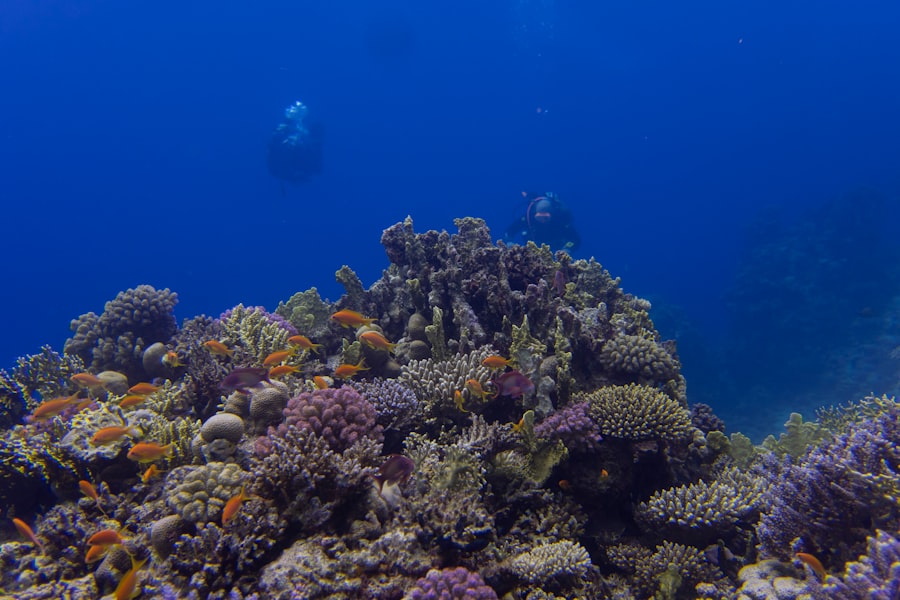
The discovery of submerged settlements off the Egyptian coast opens a window into a period of Egyptian history that predates the iconic dynasties of pharaohs and pyramids. This lost civilization existed during a time of significant environmental change, and understanding their lives offers crucial insights into early human adaptation and resilience.
Pre-Dynastic Cultures and Their Coastal Presence
The inhabitants of these submerged lands were not a unified empire, but rather likely comprised various pre-dynastic cultures that were developing their own unique ways of life. Their presence in coastal areas suggests a deep connection to the sea and its resources.
Hunter-Gatherer Societies
Initially, these communities may have been primarily hunter-gatherers, exploiting the rich marine and terrestrial resources available in the deltaic environment.
Emergence of Early Agriculture
As time progressed, evidence points towards the adoption and development of early agricultural practices, likely utilizing the fertile alluvial soils deposited by the Nile.
Early Trade and Social Networks
The discovery of artifacts that are not local to the immediate find spot can hint at early trade networks and social interactions with other contemporaneous communities.
Daily Life and Subsistence Strategies
What can the remnants of these submerged settlements tell us about the everyday lives of their inhabitants? The recovered artifacts and the layout of the sites offer clues to their subsistence strategies and social organization.
Fishing and Marine Exploitation
Given the proximity to the sea, fishing and the exploitation of marine resources would have undoubtedly been a significant component of their diet and economy. Evidence of fishing tools and marine fauna remains would support this.
Farming and Animal Husbandry
The presence of domesticated plants and animals, even in their early forms, would indicate a move towards more settled agricultural lifestyles.
Housing and Settlement Patterns
The archaeological remains can reveal how these people lived. The size and arrangement of dwellings, the presence of communal spaces, and the overall settlement patterns can offer insights into their social structures and community life.
Spiritual Beliefs and Ritual Practices
While direct evidence of spiritual beliefs from such ancient submerged sites is rare and often inferred, certain discoveries can offer tantalizing glimpses.
Burial Practices
If human remains are found, their burial context can provide information about their beliefs regarding the afterlife and their social status.
Symbolic Artifacts
The discovery of objects with apparent symbolic meaning, even if their exact purpose is unclear, can hint at the spiritual or ritualistic aspects of their lives.
In exploring the fascinating history of ancient civilizations, one intriguing aspect is the time when Egypt was submerged underwater, which has led to various theories about prehistoric human migration. For a deeper understanding of how ancient landscapes have influenced human movement, you can read more about this topic in the article on prehistoric human migration to Antarctica. This connection between geography and migration patterns reveals how environments shape the course of human history. To learn more about this captivating subject, visit prehistoric human migration to Antarctica.
The Future of Underwater Archaeology in Egypt
| Time Period | Depth of Water | Duration |
|---|---|---|
| Late Cretaceous Period | Up to 300 meters | Around 20 million years |
| Eocene Epoch | Varied, but generally shallow | Several million years |
| Miocene Epoch | Varied, but generally shallow | Several million years |
The uncovering of Egypt’s underwater history is an ongoing endeavor, a frontier ripe with the potential for groundbreaking discoveries. As technology advances and our understanding of submerged landscapes deepens, the secrets held by the Mediterranean floor are gradually being revealed.
Advancements in Underwater Technology
The future of this field is intrinsically linked to technological innovation. Improved methods for surveying, excavating, and preserving underwater archaeological sites will unlock new possibilities.
Autonomous Underwater Vehicles (AUVs) and Remotely Operated Vehicles (ROVs)
The development of more sophisticated AUVs and ROVs will allow for more extensive and detailed surveys of larger areas, reaching depths that are challenging for human divers.
3D Photogrammetry and Virtual Reality
Advanced imaging techniques, such as 3D photogrammetry, can create detailed digital models of submerged sites, allowing for virtual exploration and analysis without the need for repeated physical dives. This also facilitates wider dissemination of findings.
Non-Invasive Survey Methods
The focus will increasingly be on non-invasive survey methods that minimize disturbance to fragile underwater environments, ensuring the preservation of these delicate sites for future study.
Interdisciplinary Collaboration and Research
The complex nature of underwater archaeology necessitates a collaborative approach, bringing together experts from a diverse range of fields to interpret the findings effectively.
Marine Geologists and Oceanographers
Their expertise is crucial for understanding the geological processes that led to the submergence and for reconstructing the ancient environment.
Paleoanthropologists and Archaeologists
These specialists are vital for interpreting the human remains and artifacts, providing context for the lives of the submerged populations.
Conservators and Preservation Specialists
Ensuring the long-term preservation of discovered artifacts and structures is paramount, requiring the skills of specialized conservators.
The Potential for Unveiling New Eras of Egyptian History
The continued exploration of Egypt’s underwater heritage promises to rewrite our understanding of its past. The discoveries yet to be made could shed light on previously unknown periods of human settlement and cultural development, enriching the tapestry of Egyptian history.
Filling Gaps in the Historical Record
These submerged sites have the potential to fill significant gaps in our knowledge of pre-dynastic and early dynastic Egypt, providing crucial evidence for periods where terrestrial records are scarce.
Understanding Human Adaptation to Climate Change
The study of how these ancient communities adapted to and were ultimately overcome by rising sea levels offers valuable lessons for understanding human resilience and vulnerability in the face of contemporary climate change.
A Deeper Appreciation of Earth’s Dynamic Past
Ultimately, uncovering Egypt’s underwater history provides a profound reminder of the Earth’s dynamic nature and the ephemeral quality of human civilizations. It encourages a deeper appreciation for the forces that shape our planet and the lost worlds that lie hidden beneath its surface, waiting to be rediscovered.

They Found a Shark Graveyard in the Egyptian Desert
FAQs
1. What time period was Egypt underwater?
During the Late Cretaceous period, approximately 94 million years ago, Egypt was mostly underwater. This was a time when the Mediterranean Sea covered much of the region.
2. What evidence supports the claim that Egypt was once underwater?
Fossil evidence of marine life, such as ancient sea creatures and shells, has been found in various parts of Egypt. Additionally, geological formations and sedimentary layers indicate the presence of ancient seas.
3. How long did Egypt remain underwater?
Egypt was underwater for millions of years during the Late Cretaceous period. As the Earth’s tectonic plates shifted and the climate changed, the sea levels eventually receded, leading to the emergence of the land we now know as Egypt.
4. What impact did the underwater period have on Egypt’s geology and natural resources?
The underwater period played a significant role in shaping Egypt’s geology and natural resources. It contributed to the formation of sedimentary rock layers, which are important for the country’s mineral resources and geological history.
5. How does the knowledge of Egypt’s underwater history contribute to our understanding of the region?
Understanding Egypt’s underwater history provides valuable insights into the geological and environmental changes that have occurred over millions of years. It also helps scientists and researchers piece together the puzzle of Egypt’s ancient past and its connection to the broader history of the Earth.