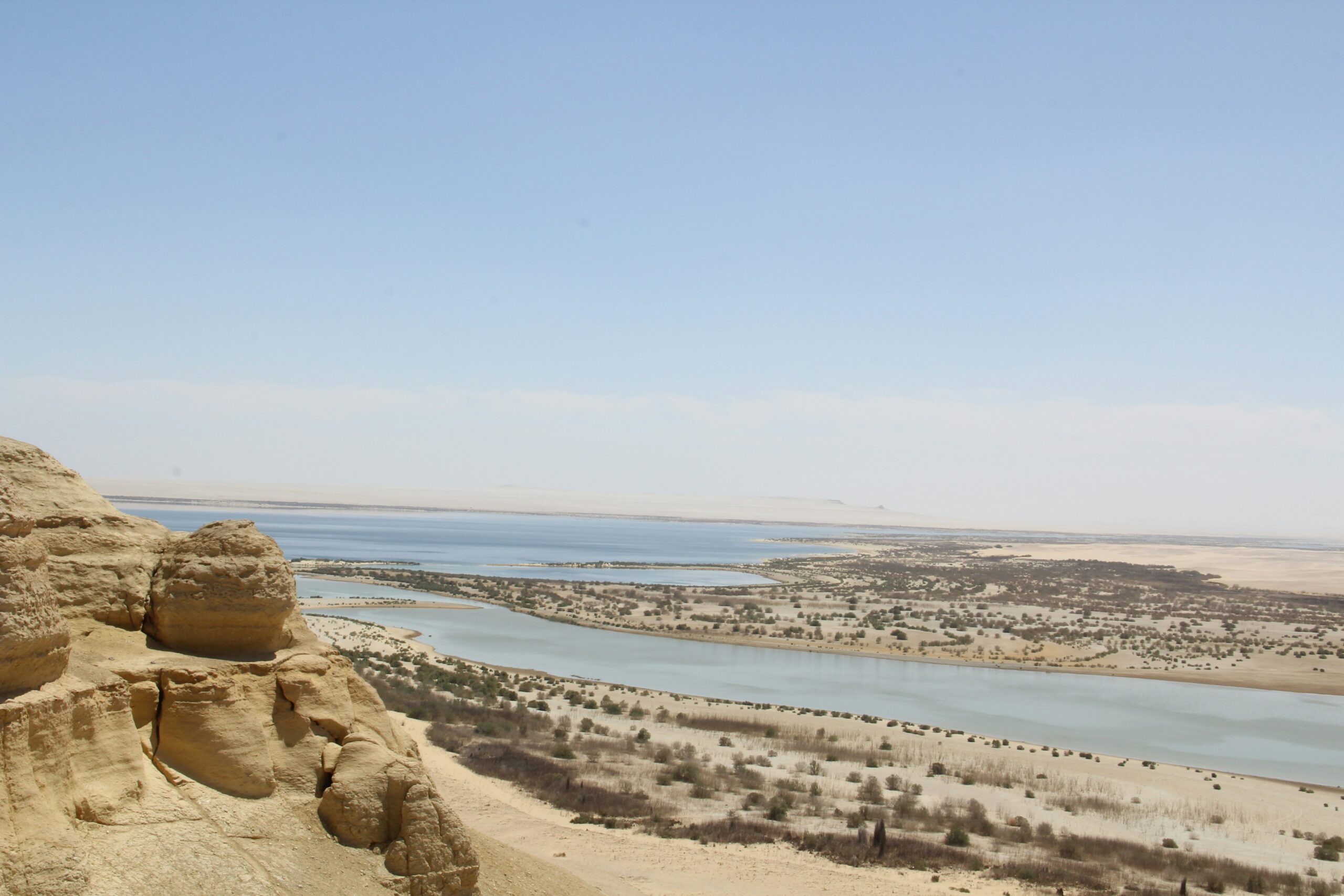
The sands of Egypt, a timeless repository of history, have once again yielded a spectacular secret from the deep past. For millennia, these arid landscapes have preserved the echoes of forgotten ecosystems, and now, they have offered a glimpse into the reign of a formidable ancient predator: the goblin shark. The discovery of Scapanorhynchus fossils in Egypt marks a significant milestone in our understanding of prehistoric marine life and the evolutionary journey of one of the ocean’s most peculiar inhabitants.
Egypt, a land synonymous with pharaohs and pyramids, also boasts a rich paleontological heritage. Its geological formations, particularly those dating back to the Cretaceous and Eocene periods, have proven to be treasure troves for fossilized remains, offering invaluable insights into ancient life forms that once thrived in the region when it was submerged beneath prehistoric seas. The discovery of Scapanorhynchus fossils in Egypt is not merely another find; it is a crucial piece in the complex puzzle of shark evolution and biogeography.
The Goblin Shark: A Living Fossil and Evolutionary Enigma
The Scapanorhynchus genus, commonly known as the goblin shark, is a creature of myth and mystery. Its modern-day descendant, Mitsukurina owstoni, is rarely encountered and possesses a deeply unsettling appearance, characterized by its elongated, shovel-like snout, protruding jaws, and needle-like teeth. This unique morphology has earned it the moniker “living fossil,” as it retains many primitive traits that have been lost in other shark lineages. The discovery of its ancient relatives in Egypt provides crucial temporal and geographical data, helping paleontologists to trace the evolutionary lineage and dispersal patterns of this extraordinary group.
Prehistoric Marine Environments of Egypt
During the periods when Scapanorhynchus roamed the seas, Egypt’s landscape was vastly different. Vast shallow seas covered much of the continent, teeming with diverse marine life. These ancient oceans served as nurseries for countless species, and their sedimentary layers preserved the skeletal remains of these creatures for millions of years. Understanding the specific environmental conditions – water depth, temperature, salinity, and available prey – in which these fossils were found is paramount to comprehending the ecological niche occupied by Scapanorhynchus.
The Paleogeography of the Tethys Sea
The geological history of Egypt is intrinsically linked to the Tethys Sea, an ancient ocean that once stretched between the supercontinents of Gondwana and Laurasia. This vast body of water played a critical role in the distribution of marine species across the globe. The presence of Scapanorhynchus fossils in Egypt suggests its presence within the Tethys Sea, offering clues about its migratory routes and its ability to inhabit a wide range of oceanic conditions.
Recent discoveries of Scapanorhynchus fossils in Egypt have shed light on the diverse marine life that once thrived in ancient seas. These fascinating creatures, known for their unique elongated snouts, provide valuable insights into the evolutionary history of cartilaginous fish. For those interested in understanding the broader implications of fossil discoveries and their impact on various fields, you might find this article on retirement account safety intriguing: Is My Retirement Account Safe from Government?. It explores how financial stability can be influenced by historical events, much like how our understanding of prehistoric life is shaped by fossil findings.
The Genesis of the Find: Navigating Egyptian Paleontological Landscapes
The process of discovering Scapanorhynchus fossils in Egypt is a testament to the dedication and meticulous work of paleontologists and geologists. It involves extensive fieldwork, careful excavation, and rigorous scientific analysis. These discoveries are rarely accidental; they are the culmination of extensive research, geological mapping, and a deep understanding of the sedimentary formations most likely to preserve such ancient remains.
Geological Formations and Fossiliferous Deposits
Egypt’s geology presents a rich tapestry for fossil hunters. Certain geological formations, particularly those rich in marine sedimentary rocks like limestones and marls, are known to be exceptionally promising for the discovery of vertebrate fossils. The specific layers where Scapanorhynchus remains have been found are often meticulously studied to pinpoint the age of the fossils and the environmental conditions of that era.
The Importance of Sedimentary Rock Analysis
The type of sedimentary rock in which a fossil is embedded provides critical information about its environment. For instance, fine-grained mudstones might indicate deeper, calmer waters, while coarser sandstones could suggest shallower, more energetic marine settings. Analyzing the mineral composition and structure of these rocks helps paleontologists to reconstruct the ancient seascape and the ecological context in which the Scapanorhynchus lived.
Fieldwork and Excavation: The Delicate Art of Discovery
Locating potential fossil sites often involves traversing remote and challenging terrains. Once a promising area is identified, the painstaking process of excavation begins. This requires specialized tools and techniques to carefully extract the fossilized remains without damaging them, a process that can take weeks or even months for a single specimen.
Techniques for Fossil Extraction
The extraction of delicate fossilized jaws and teeth from hard rock requires a high degree of skill and precision. Paleontologists often use fine brushes, chisels, and even air scribes to gently remove surrounding matrix. For larger or more fragile specimens, specialized techniques like jacketing with plaster might be employed to stabilize and transport them safely.
The Role of Local Expertise and Collaboration
Discoveries in Egypt often benefit from the invaluable knowledge and assistance of local communities and geological survey teams. Their understanding of the terrain and historical knowledge of fossiliferous areas can significantly aid in pinpointing promising sites and facilitating access. International collaborations between Egyptian and foreign institutions are also crucial, bringing together diverse expertise and resources.
Decoding the Evidence: What the Fossils Reveal About Scapanorhynchus
The Scapanorhynchus fossils unearthed in Egypt are not just ancient bones; they are windows into the biology, behavior, and evolutionary history of these prehistoric sharks. Each tooth, each fragment of jawbone, tells a story that can be painstakingly deciphered by paleontologists.
Morphological Characteristics of Egyptian Specimens
The most common Scapanorhynchus fossils found are typically teeth and fragments of the jaws, which are highly durable and preserved. These teeth offer crucial insights into the diet and hunting strategies of the shark. Their distinctive shape, often described as lanceolate with a cusp and cusplets, is a key identifying feature.
Tooth Morphology and Diet Reconstruction
The size, shape, and wear patterns of Scapanorhynchus teeth provide direct evidence of its diet. The sharp, pointed teeth were ideally suited for grasping slippery prey like fish and cephalopods. The presence or absence of serrations can indicate whether the shark tore flesh or swallowed prey whole. Analyzing the enamel and dentine can also reveal information about growth patterns and tooth replacement.
Jaw Structure and Feeding Mechanisms
While complete jaws are rarer, fragments can reveal details about the jaw structure and the mechanics of feeding. The elongated snout of the Scapanorhynchus is thought to have played a role in its hunting strategy, possibly used for detecting prey through electroreception or for flushing them out from their hiding places. The extensible nature of its jaws, a trait shared by modern goblin sharks, would have allowed it to engulf larger prey.
Age and Stratigraphic Context
Determining the precise age of the Scapanorhynchus fossils is fundamental to understanding their place in evolutionary history. This is achieved through careful analysis of the surrounding rock layers and their known fossil content, as well as through radiometric dating techniques if suitable material is available.
Dating Techniques in Paleontology
Stratigraphy, the study of rock layers, is a primary tool for dating fossils. Fossils found in lower rock layers are generally older than those found in higher layers. Paleontologists also rely on index fossils – fossils of organisms that lived for a short, well-defined geological period – to correlate rock layers and establish relative ages. In some cases, advanced techniques like U-Pb dating of volcanic ash layers intercalated with fossiliferous sediments can provide absolute dates.
Evolutionary Significance of Specific Time Periods
The Cretaceous and Eocene periods, when Scapanorhynchus fossils are most commonly found in Egypt, were periods of significant evolutionary change for marine life. Understanding the specific timeframes of these discoveries helps paleontologists to place Scapanorhynchus within broader evolutionary trends, such as periods of diversification or extinction among shark species.
Connecting the Dots: Scapanorhynchus in a Global Context
The discovery of Scapanorhynchus fossils in Egypt is not an isolated event. These findings must be integrated with similar discoveries from other parts of the world to paint a comprehensive picture of the genus’s distribution and evolutionary trajectory.
Comparative Paleontology: Global Distribution of Scapanorhynchus
Fossils of Scapanorhynchus have been found in various regions across the globe, including North America, Europe, and Asia. Comparing the Egyptian specimens with those from other locations allows paleontologists to study variations in morphology over time and across different geographical areas.
Understanding Biogeographical Patterns
The distribution of Scapanorhynchus fossils provides valuable insights into ancient oceanic currents, migration patterns, and the connectivity of marine ecosystems. The presence of similar species in widely separated regions can suggest periods when the oceans were more interconnected, allowing for broader dispersal.
Evolutionary Relationships and Phylogeny
By studying fossils from different geological periods and locations, paleontologists can begin to reconstruct the evolutionary relationships between different Scapanorhynchus species and their ancestors. This helps to establish the phylogenetic tree of the genus and its place within the larger order of Lamniformes (mackerel sharks).
The Legacy of the Goblin Shark: From Ancient Seas to Modern Oceans
The Scapanorhynchus genus has a remarkable evolutionary history, with lineages stretching back to the Cretaceous period. The modern-day goblin shark, Mitsukurina owstoni, is its sole living representative, a testament to the genus’s remarkable resilience and adaptability.
Tracing the Lineage of Modern Goblin Sharks
The Egyptian fossils are crucial for tracing the evolutionary path that led to the modern goblin shark. By examining the changes in morphology and geological age of the fossils, scientists can identify transitional forms and understand the gradual adaptations that shaped the unique features of Mitsukurina owstoni.
Insights into Extinction and Survival
The fossil record of Scapanorhynchus also offers clues about why some lineages go extinct while others survive. Understanding the environmental pressures and ecological changes that affected ancient populations can shed light on the factors that contribute to species survival and vulnerability. The continued existence of the goblin shark today, despite its ancient lineage, is a fascinating subject of study in itself.
Recent discoveries of Scapanorhynchus fossils in Egypt have shed light on the diverse marine life that once thrived in ancient seas. These fascinating findings not only enhance our understanding of prehistoric ecosystems but also connect to broader research efforts in paleontology. For those interested in exploring more about the implications of such discoveries, a related article discusses the unveiling of ancient secrets in a new documentary, which you can find here. This documentary highlights the significance of these fossils and their role in reconstructing the history of life on Earth.
The Future of Discovery: Unlocking More Secrets from Egyptian Sands
| Location | Age | Size | Remarks |
|---|---|---|---|
| Egypt | Late Cretaceous | Up to 2 meters | Commonly found in marine deposits |
The discovery of Scapanorhynchus fossils in Egypt is undoubtedly a significant achievement, but it is also a prelude to further exploration. The vastness of Egypt’s geological landscapes and the ongoing advancements in paleontological techniques promise even more exciting revelations about the ancient world.
Ongoing Research and Future Expeditions
Paleontological research is a continuous endeavor. New discoveries are often made through systematic surveys, re-examination of existing collections, and the application of cutting-edge technologies. Egypt, with its immense paleontological potential, will undoubtedly remain a focal point for future expeditions seeking to unravel more of its prehistoric past.
Technological Advancements in Paleontology
Technological innovations are revolutionizing paleontology. Advanced imaging techniques like CT scanning and synchrotron imaging allow for detailed, non-destructive analysis of fossils. Digital modeling and virtual reality are being used to reconstruct ancient environments and the organisms that inhabited them. These technologies will undoubtedly play a crucial role in future Scapanorhynchus discoveries.
The Promise of Undiscovered Sites
Given the sheer scale of Egypt’s fossil-bearing regions, it is highly probable that many more Scapanorhynchus specimens, and indeed a wealth of other prehistoric life, remain hidden beneath the sands, awaiting discovery. Future expeditions will likely focus on exploring previously unstudied areas and employing sophisticated geological mapping techniques to identify promising new sites. The secrets of the ancient seas are far from fully revealed, and the sands of Egypt hold many more stories to tell.

They Found a Shark Graveyard in the Egyptian Desert
FAQs
What is Scapanorhynchus?
Scapanorhynchus is an extinct genus of shark that lived during the Cretaceous period. They are known for their elongated snouts and sharp teeth, and are believed to have been apex predators in the ancient oceans.
Where are Scapanorhynchus fossils found?
Scapanorhynchus fossils have been found in various locations around the world, including Europe, North America, and Africa. In Egypt, Scapanorhynchus fossils have been discovered in the Western Desert region.
What do Scapanorhynchus fossils tell us about ancient ecosystems?
Studying Scapanorhynchus fossils can provide valuable insights into the ancient marine ecosystems of the Cretaceous period. By analyzing their anatomy, diet, and distribution, scientists can better understand the dynamics of prehistoric food webs and the role of apex predators in shaping ancient marine environments.
How are Scapanorhynchus fossils important for paleontological research?
Scapanorhynchus fossils are important for paleontological research because they offer a window into the evolutionary history of sharks and the broader marine ecosystem. By studying these fossils, scientists can gain a better understanding of the diversity and adaptations of ancient shark species, as well as their interactions with other marine organisms.
What can we learn from Scapanorhynchus fossils found in Egypt?
The discovery of Scapanorhynchus fossils in Egypt provides valuable information about the distribution of this ancient shark genus and its presence in the ancient seas that once covered the region. By studying these fossils, scientists can piece together a more comprehensive picture of the Cretaceous marine environment in Egypt and its connections to other parts of the world.