The sands of Egypt, a repository of millennia of history, have once again yielded a breathtaking glimpse into its ancient past. This time, the secrets unearthed belong not to pharaohs or pyramids, but to the formidable predators that once ruled the primordial seas of the region. Paleontologists, painstakingly sifting through layers of rock, have brought to light a significant collection of Squalicorax fossils, offering an unparalleled window into the life and times of these formidable lamniform sharks. The discovery, made in a region renowned for its rich fossiliferous deposits, promises to rewrite our understanding of Cretaceous marine ecosystems and the evolutionary trajectory of some of history’s most iconic predators.
The excavation, a meticulous and arduous undertaking, has been underway for several seasons. Situated in a remote, yet geologically significant, area of Egypt, the site has long been a subject of interest for its potential to reveal marine life from the Late Cretaceous period. This particular expedition, however, has surpassed all expectations, delivering an abundance of Squalicorax fossils that are remarkably well-preserved, offering an unprecedented level of detail for scientific study. The sheer volume of the finds suggests that this area was once a thriving habitat for these apex predators, perhaps even a nursery ground or a prime hunting territory.
A Glimpse into a Lost World
The fossils unearthed represent various anatomical parts of Squalicorax, including numerous teeth, vertebrae, and even fragments of dermal denticles. The teeth, in particular, are a paleontologist’s dream. Their serrated edges and robust construction are telltale signs of their predatory prowess, perfectly adapted for shearing through the flesh and bone of their prey. The sheer number of these fossilized teeth suggests that Squalicorax, like many modern sharks, shed and replaced their teeth throughout their lives, leaving behind a rich fossil record of their existence. Each tooth is a tangible link to a world teeming with life, a world vastly different from the arid landscapes that dominate Egypt today.
The Significance of the Location
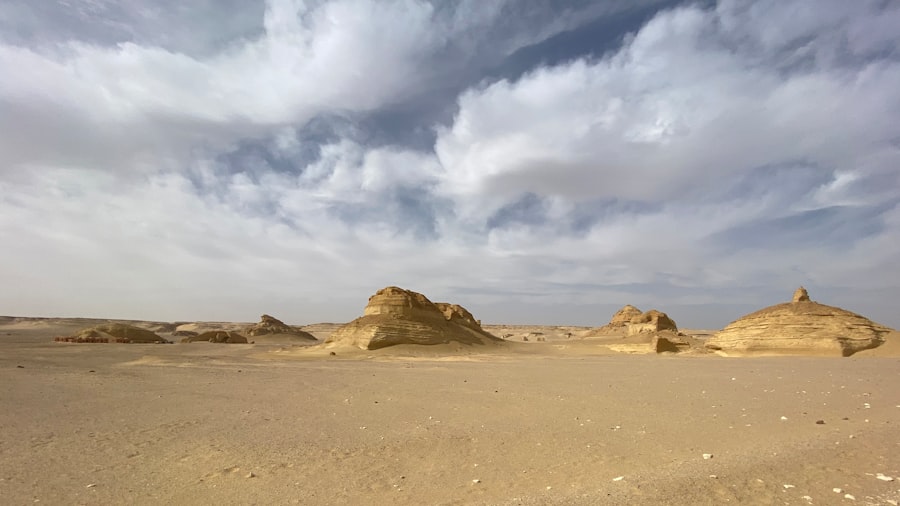
The geological formations at the discovery site are of immense importance. They date back to the Late Cretaceous, a period characterized by dramatic shifts in sea levels and the evolution of diverse marine life. The specific sedimentary layers in which the Squalicorax fossils were found indicate a shallow marine environment, likely a coastal area or a continental shelf. This environment would have supported a rich ecosystem, providing ample food sources for large predators like Squalicorax. The geological context is crucial for understanding the ecological niche these sharks occupied and their role in the ancient food web.
The discovery of Squalicorax fossils in Egypt has provided valuable insights into the ancient marine ecosystems that once thrived in the region. These fossils, which belong to a genus of extinct sharks, reveal important information about the evolutionary history of elasmobranchs and their adaptation to changing environments. For a deeper understanding of the geological processes that shaped these habitats, you can explore the article on geomorphology, which discusses the intricate relationship between landforms and the fossil record. For more information, visit this link.
Squalicorax: The Bone-Shredding Shark
Squalicorax, often colloquially referred to as the “bone-shredding shark,” is a genus of extinct lamniform sharks that roamed the oceans during the Cretaceous period. Unlike many of their modern relatives, Squalicorax possessed uniquely adapted teeth that were particularly effective at crushing and tearing bone, a characteristic that sets them apart and earns them their formidable moniker. The recent Egyptian discoveries provide substantial evidence to support and refine our understanding of this ancient predator.
Anatomical Marvels: The Teeth of Squalicorax
The most striking feature of Squalicorax, and the most abundant fossil remains, are its teeth. These fossilized dental weapons are typically triangular in shape with a broad base and sharply serrated edges. The serrations are not merely decorative; they were crucial for the shark’s feeding strategy. These microscopic saw-like edges allowed Squalicorax to efficiently tear through flesh and, uniquely, to break through the bones of its prey. This adaptation is a significant departure from many contemporary shark species, which primarily focused on softer tissues. The Egyptian finds include teeth of varying sizes, suggesting the presence of both juvenile and adult individuals, providing a comprehensive picture of their dental development and variation within the species.
The Power of Serrations
The microscopic structure of the serrations on Squalicorax teeth has been a subject of intense study. These fine yet sharp edges acted like a biological saw, enabling the shark to exert significant force and tear through tough materials. This specialization likely allowed Squalicorax to exploit prey that other predators might have avoided, such as larger, more heavily armored fish or even juvenile marine reptiles. The sheer quantity of Squalicorax teeth found at the Egyptian site suggests they were prolific tooth-shedders, a common trait among sharks, ensuring a continuous supply of sharp, effective dentition throughout their lives.
Beyond the Teeth: Vertebrae and Dermal Denticles
While teeth are the most commonly preserved fossils of Squalicorax, the Egyptian excavations have also yielded significant vertebral centra and fragments of dermal denticles. The vertebrae, though often incomplete, offer insights into the shark’s skeletal structure and potential size. Their preservation, though more challenging than teeth, provides crucial data for reconstructing the overall anatomy of Squalicorax. Dermal denticles, the tooth-like scales that cover a shark’s skin, are also present. These tiny structures, when examined under a microscope, reveal details about the shark’s skin texture and potentially its hydrodynamic efficiency. Their presence further solidifies the identification of the Squalicorax remains and adds to the growing body of knowledge about their physical characteristics.
Reconstructing the Ecosystem: Squalicorax in its Cretaceous Context
The discovery of Squalicorax fossils in Egypt is not just about uncovering individual predators; it’s about piecing together the intricate tapestry of a lost marine ecosystem. The presence of these apex predators implies a healthy and diverse food web, capable of sustaining their considerable appetites. By studying the associated fossil fauna, scientists can begin to reconstruct the environment in which Squalicorax thrived.
The Prey of the Bone-Shredders
Identifying the prey of Squalicorax is a crucial aspect of understanding its ecological role. The unique bone-crushing ability of their teeth suggests a diet that included a variety of organisms. Fossil evidence from other Squalicorax sites around the world has implicated them as predators of marine reptiles, such as mosasaurs and plesiosaurs, as well as large fish. The Egyptian fossils are being meticulously examined for any signs of digested material or bite marks on other fossilized remains, which could provide direct evidence of their diet in this specific region. The potential for Squalicorax to have preyed upon juvenile dinosaurs that ventured into coastal waters is also a fascinating, though speculative, avenue of research.
Evidence from Bite Marks and Gut Contents
The painstaking process of analyzing the unearthed fossils involves looking for more than just the Squalicorax remains themselves. Paleontologists are carefully examining other fossilized bones found in the same layers for characteristic bite marks. The distinctive shape and depth of Squalicorax tooth marks can be a definitive indicator of their predatory activity. Furthermore, rare instances of preserved gut contents within fossilized shark remains can provide direct evidence of their last meals. While such finds are exceptionally rare, they are invaluable for understanding dietary habits. The Egyptian dig has yielded several promising candidates for further analysis in this regard.
The Competitive Landscape: Other Marine Predators
Squalicorax did not rule the Cretaceous seas alone. The presence of other marine predators in the same geological formations is essential for understanding the competitive dynamics of the ecosystem. By identifying the remains of other sharks, bony fish, and marine reptiles, scientists can infer the relationships and interactions between different species. Were Squalicorax competitors with other large predatory sharks? Did they coexist peacefully with marine reptiles, or were they direct adversaries? The Egyptian site offers the potential to answer these questions through comparative fossil analysis.
Coexistence and Competition
The Late Cretaceous oceans were a bustling arena of life, and Squalicorax occupied a significant position within it. Evidence from other fossil sites suggests that Squalicorax might have coexisted with other large sharks, such as species of Cretoxyrhina and Scapanorhynchus. The abundance of Squalicorax teeth at the Egyptian site, however, might suggest that they were particularly successful in this region, perhaps due to favorable environmental conditions or a specific abundance of preferred prey. Studying the fossil assemblages alongside Squalicorax will allow scientists to map out the intricate food webs and competitive interactions that characterized these ancient waters.
Evolutionary Insights: Squalicorax and the Lamniform Lineage
The discovery of extensive Squalicorax fossils in Egypt provides crucial data points for understanding the evolutionary history of the Lamniformes, an order of sharks that includes modern-day species like the Great White and Mako sharks. Squalicorax, with its unique adaptations, represents an important branch in this evolutionary tree, offering clues about the diversification and specialization of predatory sharks over millions of years.
Bridging the Gap: From Extinct to Extant
Squalicorax represents an extinct group of lamniform sharks, but its characteristics provide valuable insights into the evolutionary trajectory that led to modern-day species. By comparing the morphology of Squalicorax fossils with those of its ancient relatives and its modern descendants, scientists can trace the development of key features. The evolution of tooth morphology, body shape, and predatory strategies can be better understood through these comparative studies. The Egyptian finds offer a particularly well-preserved snapshot of a critical period in shark evolution.
Tracing the Phylogeny of Sharks
The precise phylogenetic placement of Squalicorax within the Lamniformes has been a subject of ongoing research. The rich fossil material from Egypt allows for more detailed morphological analysis, which can help to refine our understanding of its evolutionary relationships. By comparing specific anatomical features of the Squalicorax fossils with those of other fossil and extant lamniform sharks, paleontologists can build more robust evolutionary trees and better understand the diversification patterns within this important group.
Adaptations for Apex Predation
The specialized dentition of Squalicorax is a prime example of evolutionary adaptation for apex predation. The ability to efficiently process bone would have given them a significant advantage in acquiring sustenance and potentially in outcompeting other predators. Studying these adaptations in detail can shed light on the selective pressures that shaped the evolution of large predatory sharks. The Egyptian fossils offer an opportunity to examine the consistency and variation of these adaptations across different individuals and potentially different populations of Squalicorax.
The Role of Diet in Shaping Morphology
The dietary habits of Squalicorax, particularly their ability to consume bone, likely played a significant role in shaping their morphology. The powerful jaw structure required to deliver crushing bites, and the robust teeth designed for such an action, are all testament to this specialized feeding strategy. Understanding how diet influences the evolution of physical characteristics in extinct animals like Squalicorax is a fundamental aspect of paleontology. The Egyptian fossils provide excellent specimens for detailed osteological and dental analysis to explore these correlations.
Recent discoveries of Squalicorax fossils in Egypt have shed light on the ancient marine ecosystems that once thrived in the region. These fascinating shark fossils provide valuable insights into the evolutionary history of predatory species and their adaptations to changing environments. For those interested in understanding how historical climate changes have influenced marine life, a related article discusses the lessons we can learn from the past. You can read more about it in this insightful piece on climate change and its impact on ecosystems.
Preserving the Past: The Importance of Fossil Preservation and Research
| Location | Number of Fossils | Age |
|---|---|---|
| Western Desert | Over 100 specimens | Late Cretaceous period |
| Wadi El-Hitan | Several well-preserved fossils | 37-33 million years ago |
The remarkable preservation of the Squalicorax fossils unearthed in Egypt is a testament to both the geological conditions at the site and the dedicated efforts of the scientific teams involved. The careful excavation, curation, and subsequent research are crucial for unlocking the secrets these ancient creatures hold. The ongoing analysis promises to yield significant advancements in our understanding of prehistoric life.
The Art and Science of Fossil Excavation
The process of excavating delicate fossil specimens from their geological matrix is a complex endeavor. It requires a high degree of skill, patience, and specialized tools. Paleontologists and field technicians employ techniques ranging from meticulous brushing and the use of fine dental picks to more robust methods like plaster jacketing for larger specimens. The Egyptian dig has utilized state-of-the-art excavation techniques to ensure the integrity of every fossil recovered, from the smallest tooth to potential larger skeletal elements.
From Field to Lab: The Curation Process
Once excavated, fossils embark on a journey from the field to the laboratory. This process, known as curation, involves cleaning, stabilizing, and meticulously documenting each specimen. Protective coatings may be applied to prevent degradation, and detailed cataloging ensures that each fossil’s provenance – its exact location and geological context – is recorded. This meticulous curation is essential for future scientific study, allowing researchers to access and analyze the fossils with confidence.
Ongoing Research and Future Discoveries
The discovery of these Squalicorax fossils is not an endpoint but a beginning. The specimens will undergo extensive scientific analysis, including detailed morphological studies, comparative anatomy, and potentially isotopic analysis to infer dietary habits and environmental conditions. Furthermore, the ongoing exploration of the Egyptian site, spurred by this remarkable find, holds the promise of further discoveries, potentially revealing even more about Squalicorax and the ancient marine world they inhabited. The implications for understanding shark evolution, prehistoric ecosystems, and the paleobiogeography of the Cretaceous period are profound. The sands of Egypt continue to guard their ancient secrets, and with each unearthed fossil, a new chapter in the story of life on Earth is written.

They Found a Shark Graveyard in the Egyptian Desert
FAQs
What is Squalicorax?
Squalicorax is a genus of extinct shark that lived during the Cretaceous period. It is known for its distinctive triangular teeth and was a dominant predator in the ancient oceans.
Where are Squalicorax fossils found?
Squalicorax fossils have been found in various parts of the world, including North America, Europe, Africa, and Australia. They are commonly found in marine deposits from the Cretaceous period.
What is significant about the discovery of Squalicorax fossils in Egypt?
The discovery of Squalicorax fossils in Egypt is significant because it provides valuable insight into the ancient marine ecosystems of the region during the Cretaceous period. It also contributes to our understanding of the global distribution of Squalicorax during that time.
How are Squalicorax fossils important for scientific research?
Squalicorax fossils are important for scientific research because they help scientists study the evolution and ecology of ancient sharks. By analyzing these fossils, researchers can learn more about the behavior, diet, and habitat of Squalicorax and its role in prehistoric marine ecosystems.
Can the public view Squalicorax fossils in Egypt?
Some Squalicorax fossils found in Egypt may be on display in museums or research institutions. However, access to these fossils may be limited, and it is best to check with specific institutions for public viewing opportunities.