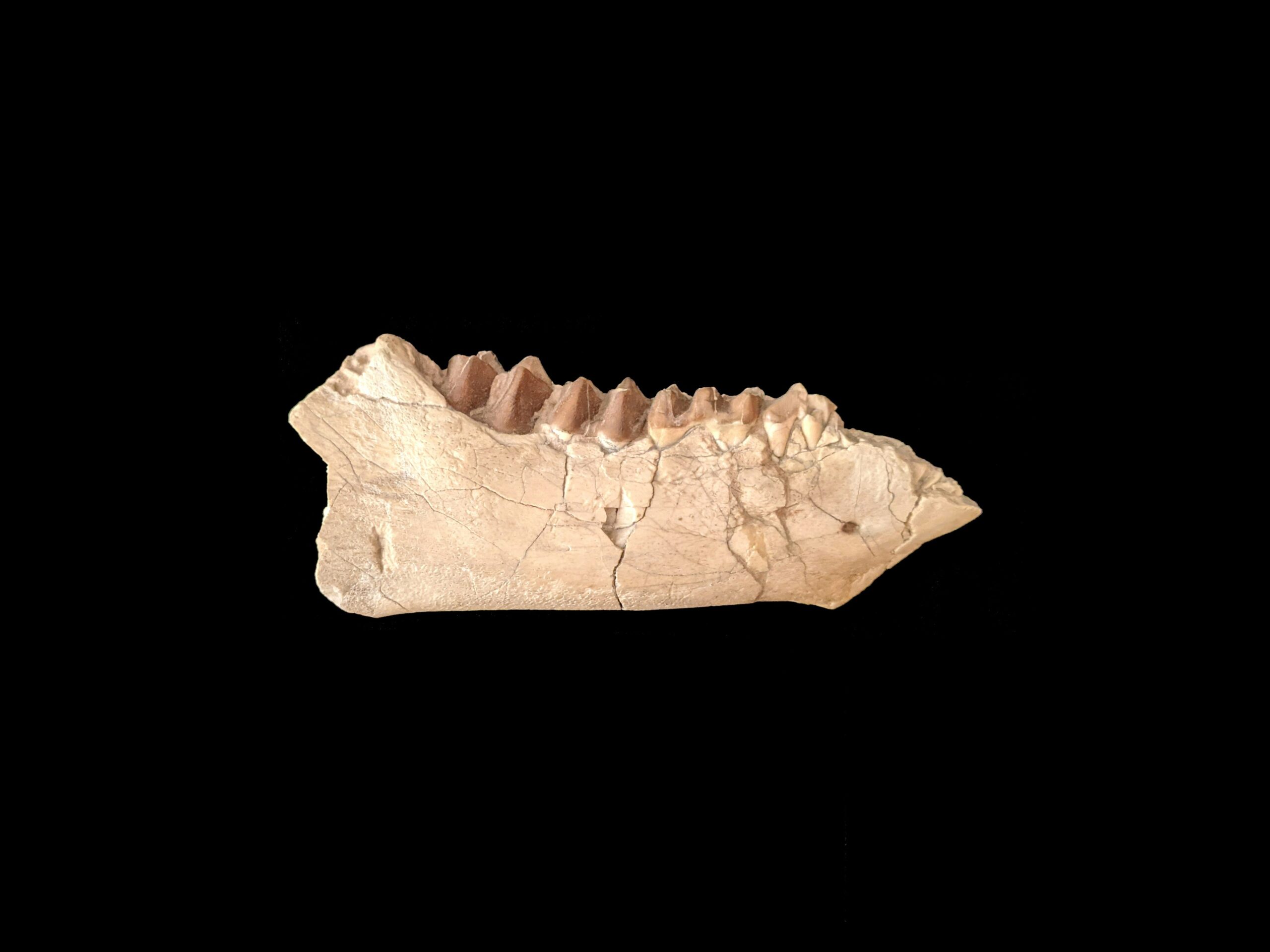
Shark teeth, with their iconic serrated edges and formidable appearance, are far more than mere remnants of ancient predators. To paleontologists, these fossilized treasures are invaluable keys, unlocking secrets about extinct shark species, their diets, environments, and evolutionary histories. The painstaking process of identifying these ancient dental remains involves a sophisticated blend of morphological analysis, comparative anatomy, and an intimate understanding of geological contexts. This article delves into the intricate world of decoding shark teeth, exploring the diverse techniques paleontologists employ to bring these prehistoric marvels back to life.
Before embarking on the journey of identifying fossilized teeth, a fundamental understanding of modern shark dentition is paramount. Sharks possess a unique dental system characterized by a continuous replacement of teeth throughout their lives. This perpetual shedding and regrowth, known as polyphyodonty, results in an abundance of fossilized teeth found in the geological record. Paleontologists leverage this inherent biological characteristic to their advantage, as the sheer volume of preserved teeth offers a rich dataset for study.
The Diversity of Modern Shark Teeth
Modern sharks exhibit an astonishing array of tooth shapes and sizes, each adapted to specific feeding strategies. This diversity serves as a crucial reference point when examining fossilized specimens. For instance, the broad, flattened teeth of a nurse shark are distinct from the needle-like, grasping teeth of a mackerel shark or the triangular, serrated blades of a great white shark. Understanding these modern variations allows paleontologists to draw analogies and infer the potential lifestyle of their fossilized counterparts.
Examples of Modern Tooth Morphologies
- Triangular and Serrated: Exemplified by the great white shark (Carcharodon carcharias), these teeth are ideal for slicing through flesh and bone. The serrations enhance their cutting efficiency. Fossil teeth exhibiting similar characteristics often point to predatory species.
- Lanceolate or Needle-like: Found in sharks like the mako (Isurus species) or sand tiger shark (Carcharias taurus), these teeth are designed for grasping and holding slippery prey. Their slender form and pointed tips facilitate penetration and secure capture.
- Globular or Flattened: Characteristic of bottom-dwelling sharks such as nurse sharks (Ginglymostoma species) or wobbegongs (Orectolobus species), these teeth are adapted for crushing the shells of invertebrates like mollusks and crustaceans.
- Cutting and Grinding: Some sharks, like hammerheads (Sphyrna species), possess more complex tooth structures that can be used for both cutting and manipulating food.
The Tooth’s Anatomy: A Detailed Examination
Each shark tooth, whether fossilized or modern, possesses a distinct anatomical structure that provides critical identification clues. Paleontologists meticulously examine various features to characterize and differentiate between species.
Key Anatomical Features of a Shark Tooth
- Crown: This is the visible, uppermost part of the tooth. Its shape, size, and surface ornamentation are primary identification markers. The presence or absence of cusplets (smaller, lateral projections) on the sides of the main cusp is also a significant feature.
- Root: The root anchors the tooth in the jaw. While often less preserved in fossils, its general structure can sometimes offer diagnostic information.
- Enameloid (Vitrodentine): The outer covering of the crown, equivalent to enamel in mammalian teeth, is a hard, protective layer. In fossil teeth, this layer may be mineralized, altering its appearance. The presence or absence of this layer, and its thickness, can be informative.
- Dentin: The bulk of the tooth, lying beneath the enameloid.
- Pulp Cavity: The internal space where blood vessels and nerves once resided. In fossil teeth, this cavity is often filled with mineral deposits.
Paleontologists utilize various techniques to identify shark teeth, including examining their morphology, size, and wear patterns, which can provide insights into the species and its ecological role. For a deeper understanding of how ancient technologies and innovations have influenced our knowledge of prehistoric life, you can read more in the article about the catastrophic effects of lost innovations at this link. This article explores the connections between ancient advancements and our current understanding of paleontology, shedding light on the importance of preserving knowledge through the ages.
Unearthing the Past: Geological Context and Stratigraphy
The location where a fossilized shark tooth is found is as crucial as the tooth itself. Paleontologists employ geological principles, particularly stratigraphy, to place fossil discoveries within a chronological framework. The layers of rock (strata) in which a fossil is embedded provide vital clues about its age and the ancient environment it inhabited.
Stratigraphy: Reading the Rock Record
Stratigraphy involves the study of rock layers and their sequences. Different geological periods are represented by distinct rock formations, each with its own characteristic fossil assemblages. By identifying the rock formation and its position within a stratigraphic column, paleontologists can estimate the age of the shark tooth with considerable accuracy.
Principles of Stratigraphy in Paleontology
- Law of Superposition: In undisturbed rock sequences, older layers lie beneath younger layers. This fundamental principle allows for the relative dating of fossils found in different strata.
- Fossil Succession: Different geological periods are characterized by unique assemblages of fossil organisms. The presence of specific shark teeth or other fossils within a rock layer can help correlate it with known geological ages.
- Index Fossils: Certain fossils are particularly useful for dating rock layers because they are widespread, easily recognizable, and existed for a relatively short geological time. While shark teeth themselves can be index fossils, their presence alongside other known index fossils strengthens their dating value.
Paleoenvironmental Reconstruction
The geological context also provides insights into the ancient environment in which the shark lived. Sedimentary rocks can reveal information about water depth, salinity, temperature, and the types of prey available. For example, teeth found in marine mudstone might suggest a deeper water environment, while those from sandy deposits could indicate shallower coastal areas.
Indicators of Ancient Environments
- Sediment Type: The grain size and composition of the surrounding sediment can reveal details about water energy and the substrate.
- Associated Fossils: The presence of other marine fossils, such as shells, corals, or marine reptiles, helps reconstruct the broader ecosystem.
- Mineralogy: The mineral content of the fossil and surrounding rock can offer clues about the water chemistry and diagenetic processes (changes that occur after burial).
Microscopic Investigations: Delving into Tooth Structure

While macroscopic features are essential for initial identification, advanced techniques allow paleontologists to examine the finer details of shark tooth structure, providing even more precise diagnostic information.
Histology: The Study of Fossilized Tissues
Histology involves the microscopic examination of thin sections of fossilized teeth. This technique allows paleontologists to study the internal structure of the tooth, including the arrangement of dentin tubules, vascular canals, and any preserved cellular structures.
What Histology Reveals
- Dentin Structure: The pattern and density of dentin tubules can vary between species, offering a unique fingerprint.
- Vascularization: The network of blood vessels within the tooth can provide insights into growth rates and metabolic activity.
- Enameloid Remnants: Even when the enameloid layer is mostly degraded, microscopic remnants can sometimes be identified and analyzed.
- Pathologies: Evidence of diseases, injuries, or developmental abnormalities can be observed, offering clues about the life history of the individual shark.
Scanning Electron Microscopy (SEM): High-Resolution Imaging
Scanning Electron Microscopy (SEM) provides incredibly detailed, three-dimensional images of the tooth’s surface and internal structures. This allows for the examination of micro-serrations, surface textures, and subtle variations in morphology that may not be visible under a light microscope.
Applications of SEM in Shark Tooth Paleontology
- Detailed Surface Ornamentation: SEM can reveal intricate patterns of growth lines, striations, and wear facets that are diagnostic of specific species.
- Micro-serration Analysis: For fossil teeth with serrated edges, SEM can provide precise measurements of serration height, spacing, and shape, allowing for comparisons with known species.
- Enameloid Microstructure: While enameloid is often poorly preserved, SEM can sometimes reveal its residual microstructure, offering clues about its original composition and formation.
- Identification of Trace Fossils: SEM can also be used to identify micro-borings or other evidence of biological activity on the tooth surface, providing insights into post-mortem interactions.
Comparative Anatomy and Museum Collections: The Power of Comparison

The cornerstone of paleontological identification lies in comparison. Paleontologists meticulously compare newly discovered fossil teeth with documented specimens from existing museum collections and scientific literature. This comparative approach, rooted in the principles of comparative anatomy, is crucial for assigning a fossil tooth to a known species or identifying it as potentially new.
The Role of Museum Collections
Museums house vast collections of fossilized shark teeth, meticulously cataloged and curated. These collections represent a historical archive of discoveries, serving as invaluable reference libraries for researchers. Paleontologists visit these collections to examine authenticated specimens and compare them with their own finds.
Benefits of Museum Collections
- Reference Standards: Museum specimens provide direct comparisons for morphology, size, and preservation characteristics.
- Type Specimens: Many museums house “type specimens,” which are the original specimens used to describe and name a new species. These are the ultimate authority for identification.
- Geological Provenance: Each specimen in a collection is typically associated with its geological origin, providing context for dating and paleoenvironmental studies.
- Collaboration and Knowledge Sharing: Museums facilitate collaboration among paleontologists by providing access to diverse collections and expertise.
Taxonomic Keys and Dichotomous Keys
Paleontologists often utilize taxonomic keys, which are structured guides designed to aid in the identification of organisms. Dichotomous keys, a common type of taxonomic key, present a series of paired choices based on observable characteristics. By systematically answering these questions, a user can narrow down the possibilities and arrive at an identification.
How Taxonomic Keys Work
- Sequential Questions: The key presents a series of questions about the specimen’s features, such as tooth shape, root structure, or serration type.
- Paired Choices: Each question offers two mutually exclusive options.
- Branching Pathways: Based on the answer provided, the user is directed to the next relevant question or a potential identification.
- Diagnostic Features: The questions are carefully designed to focus on features that are most diagnostic for distinguishing between different taxa.
Paleontologists employ various techniques to identify shark teeth, including analyzing their size, shape, and the unique characteristics of their enamel. These methods allow scientists to determine the species and age of the teeth, providing valuable insights into ancient marine ecosystems. For a deeper understanding of how technology can aid in scientific discoveries, you might find this article on unlocking ancient technology in times of scarcity particularly interesting. It explores innovative approaches that can enhance research efforts in various fields, including paleontology. You can read more about it here.
Advanced Techniques and Future Directions
| Method | Description |
|---|---|
| Shape | Paleontologists examine the shape of the tooth to determine the species of shark it came from. |
| Size | The size of the tooth can also provide clues about the shark species, as different species have different tooth sizes. |
| Root structure | The root structure of the tooth can help identify the position of the tooth in the shark’s mouth and its function. |
| Serrations | The presence and pattern of serrations on the tooth can be used to identify the shark species. |
The field of paleontology is constantly evolving, with new technologies and methodologies emerging to enhance our understanding of fossil shark teeth.
Molecular Paleontology and Ancient DNA
While the preservation of DNA in fossil shark teeth is exceptionally rare due to the mineralized nature of the material and the passage of geological time, advancements in ancient DNA (aDNA) extraction and sequencing are opening new avenues of research. In cases where exceptionally well-preserved soft tissues or highly stable organic molecules are found, molecular analysis might offer genetic insights into extinct shark lineages.
Potential of Molecular Analysis
- Phylogenetic Relationships: DNA analysis can help clarify the evolutionary relationships between extinct and extant shark species.
- Species Differentiation: Genetic markers can provide a powerful tool for distinguishing between closely related species.
- Population Genetics: In rare cases, aDNA could potentially shed light on ancient shark populations and their distributions.
Computational Paleontology and Morphometrics
Computational approaches, including morphometrics, are revolutionizing the analysis of fossil shark teeth. Morphometrics involves the quantitative study of form and shape. By using digital imaging and specialized software, paleontologists can extract detailed measurements and shape data from fossil teeth, allowing for objective comparisons and statistical analyses.
Applications of Morphometrics
- Quantitative Shape Analysis: This allows for precise comparisons of tooth shape and size between different specimens and species.
- Identification of Trends: Morphometric studies can reveal evolutionary trends in tooth morphology over geological time.
- Biomechanics and Functional Morphology: By analyzing tooth shape and wear patterns, researchers can infer the feeding mechanics and dietary habits of extinct sharks.
- Machine Learning and AI: Increasingly, machine learning algorithms are being trained on large datasets of shark tooth images and measurements to assist in automated identification and classification.
In conclusion, decoding the silent narratives etched within fossilized shark teeth is a testament to the ingenuity and dedication of paleontologists. Through a rigorous application of anatomical observation, geological interpretation, microscopic investigation, and comparative analysis, these ancient dental relics are transformed from inert fossils into windows into a lost world. As technological advancements continue to push the boundaries of scientific inquiry, our ability to decipher the secrets held within these formidable remnants of prehistoric life will undoubtedly continue to grow, offering ever-deeper insights into the magnificent and diverse history of sharks on Earth.

They Found a Shark Graveyard in the Egyptian Desert
FAQs
1. What are the key characteristics that paleontologists look for when identifying shark teeth?
Paleontologists look for specific features such as the shape, size, serrations, and root structure of the shark teeth to help identify the species.
2. How do paleontologists determine the age of shark teeth?
Paleontologists use various dating techniques such as radiometric dating, stratigraphy, and biostratigraphy to determine the age of the sediment layers where the shark teeth are found.
3. What tools and methods do paleontologists use to study shark teeth?
Paleontologists use tools such as microscopes, CT scans, and chemical analysis to study the morphology, composition, and structure of shark teeth.
4. What role do shark teeth play in understanding prehistoric ecosystems?
Shark teeth provide valuable information about the diversity, distribution, and behavior of ancient shark species, as well as the overall ecology of prehistoric marine environments.
5. How do paleontologists differentiate between different species of sharks based on their teeth?
Paleontologists differentiate between different species of sharks based on the unique characteristics of their teeth, such as the shape, size, and arrangement of the cusps and serrations. They also compare these features to known shark species in the fossil record.