
In recent years, Japan has found itself grappling with a significant childcare crisis that has far-reaching implications for families, the economy, and society as a whole. As you navigate through the complexities of this issue, it becomes evident that the challenges are multifaceted and deeply rooted in cultural, economic, and social structures. The declining birth rate, coupled with an aging population, has created a pressing need for effective childcare solutions.
This crisis not only affects parents but also poses a threat to the future workforce and economic stability of the nation. As you delve deeper into the situation, you may find that the childcare crisis is not merely a matter of insufficient facilities or resources. It reflects broader societal issues, including gender roles, workplace expectations, and government policies.
Understanding these interconnected factors is crucial for grasping the full scope of the crisis and its implications for families across Japan. The urgency of addressing this issue cannot be overstated, as it impacts the well-being of children and the ability of parents to balance work and family life.
Key Takeaways
- Japan faces a significant childcare crisis driven by limited availability and high costs.
- Working parents struggle to access affordable, quality childcare, impacting family well-being.
- Traditional gender roles and cultural expectations exacerbate childcare challenges for women.
- Government and employers are implementing policies, but gaps remain in support systems.
- Community initiatives and international examples offer valuable lessons for improving childcare in Japan.
Factors contributing to the childcare crisis
Several factors contribute to the ongoing childcare crisis in Japan, each intertwining with the others to create a complex web of challenges. One of the most significant issues is the shortage of available childcare facilities. As you may know, many parents struggle to find spots in daycare centers, leading to long waiting lists and frustration.
This scarcity is exacerbated by a lack of investment in early childhood education and care, which has not kept pace with the growing demand for services. The limited availability of affordable childcare options forces many parents, particularly mothers, to make difficult choices about their careers and family life. Another critical factor is the cultural expectations surrounding parenting and work.
In Japan, traditional gender roles often dictate that women take on the primary responsibility for childcare and household duties. This societal norm can create immense pressure on mothers, who may feel compelled to sacrifice their careers for the sake of their children. As you consider this dynamic, it becomes clear that the lack of support for working parents—especially mothers—contributes significantly to the childcare crisis.
The expectation that women should manage both work and family responsibilities without adequate support can lead to burnout and dissatisfaction.
Impact of the childcare crisis on families
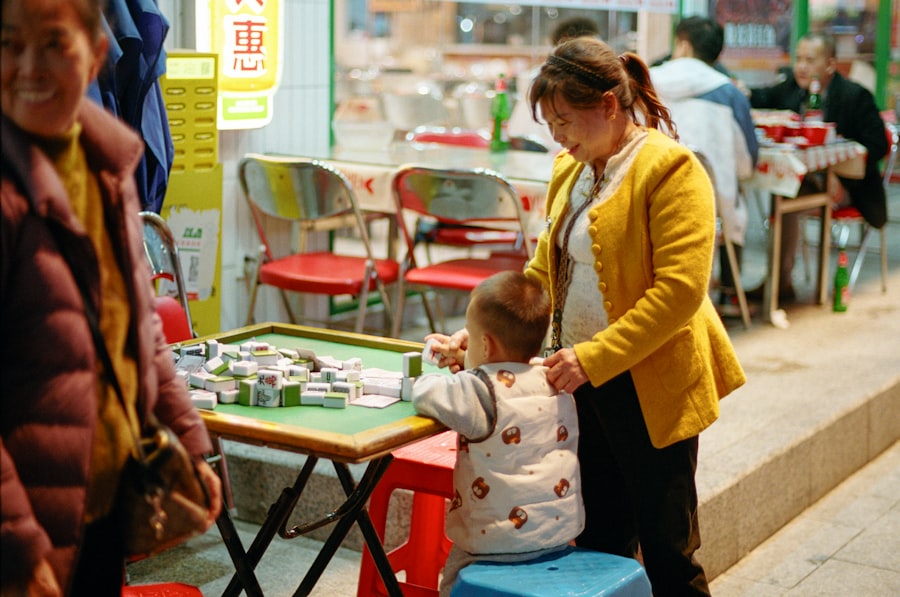
The impact of the childcare crisis on families in Japan is profound and multifaceted. For many parents, the struggle to secure quality childcare can lead to increased stress and anxiety. You might imagine the daily challenges faced by working parents who must juggle their professional responsibilities with the demands of raising children.
The inability to find suitable childcare can result in parents feeling overwhelmed, leading to strained relationships and diminished quality of life for both parents and children. Moreover, the crisis disproportionately affects women, who often bear the brunt of childcare responsibilities. As you reflect on this reality, consider how many women are forced to leave their jobs or reduce their working hours due to inadequate childcare options.
This not only impacts their financial stability but also limits their career advancement opportunities.
The ripple effects of this crisis extend beyond individual families, influencing societal attitudes toward gender equality and work-life balance.
Government policies and initiatives to address the childcare crisis
| Policy/Initiative | Country | Year Implemented | Key Features | Impact Metrics |
|---|---|---|---|---|
| Childcare Subsidy Program | Australia | 2021 | Subsidies for low and middle-income families to reduce childcare costs | Increased childcare enrollment by 15% within first year |
| Universal Pre-Kindergarten | United States | 2019 | Free access to pre-K for all 4-year-olds | Enrollment rates rose by 20%, improved school readiness scores by 10% |
| Childcare Workforce Support Fund | Canada | 2020 | Grants and training programs to increase childcare worker retention | Reduced workforce turnover by 25%, increased childcare availability by 8% |
| Flexible Childcare Hours Initiative | United Kingdom | 2022 | Extended childcare hours to accommodate non-traditional work schedules | 30% increase in usage of after-hours childcare services |
| Tax Credits for Childcare Expenses | Germany | 2018 | Tax relief for families paying for childcare services | Childcare affordability improved by 12%, increased female workforce participation |
In response to the growing childcare crisis, the Japanese government has implemented various policies and initiatives aimed at improving access to childcare services. You may have heard about efforts to increase funding for daycare centers and expand eligibility for subsidies aimed at low-income families. These initiatives are designed to alleviate some of the financial burdens associated with childcare costs, making it easier for parents to access quality care for their children.
However, while these policies represent a step in the right direction, they often fall short of addressing the root causes of the crisis. For instance, despite increased funding, many daycare centers still struggle with staffing shortages and inadequate facilities. As you explore this issue further, you might find that a more comprehensive approach is needed—one that not only focuses on increasing funding but also emphasizes improving working conditions for childcare providers and enhancing training programs.
By investing in both infrastructure and personnel, the government can create a more sustainable system that better supports families.
Challenges faced by working parents in accessing affordable and quality childcare
As you consider the challenges faced by working parents in Japan, it becomes clear that affordability and quality are two critical concerns. Many families find themselves caught in a difficult situation where they must choose between high-quality care and affordable options. You may empathize with parents who are forced to compromise on one aspect or another due to financial constraints or limited availability of services.
Additionally, working parents often face logistical challenges when trying to coordinate their schedules with childcare services. The typical work hours in Japan can be demanding, leaving little room for flexibility when it comes to drop-off and pick-up times at daycare centers. This lack of alignment can create additional stress for parents who are trying to balance their professional obligations with their responsibilities at home.
As you reflect on these challenges, it becomes evident that a more integrated approach is necessary—one that considers the needs of working parents while also prioritizing quality care for children.
Gender roles and cultural expectations impacting childcare in Japan
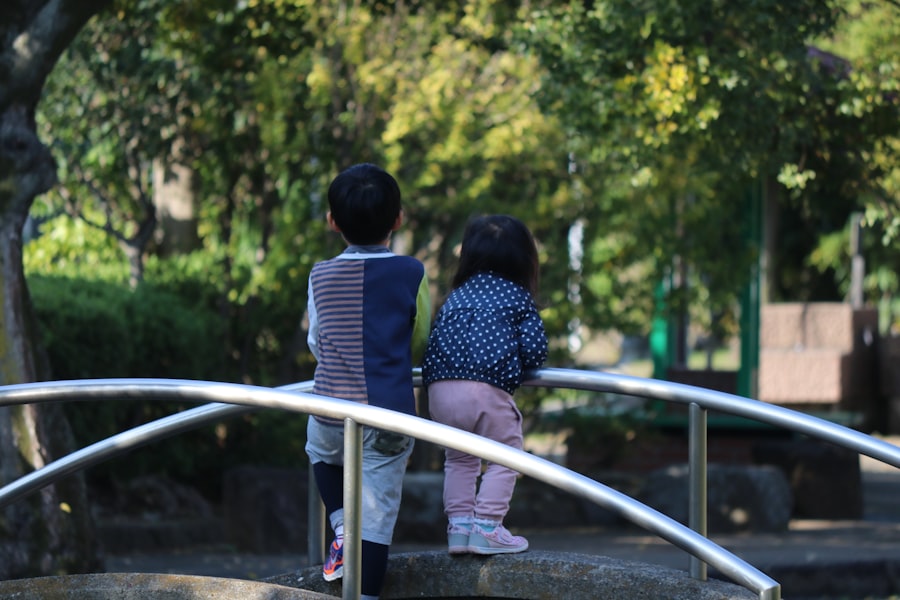
The interplay between gender roles and cultural expectations plays a significant role in shaping the childcare landscape in Japan. As you explore this aspect further, you may notice how traditional views on masculinity and femininity influence parenting dynamics within families. In many cases, societal norms dictate that women should take on primary caregiving responsibilities while men focus on their careers.
This division of labor can create an imbalance that places undue pressure on mothers. You might also consider how these cultural expectations affect fathers’ involvement in childcare. While there has been a growing recognition of the importance of shared parenting responsibilities, many men still feel constrained by traditional notions of masculinity that discourage them from taking an active role in caregiving.
As you reflect on these dynamics, it becomes clear that challenging these entrenched beliefs is essential for fostering a more equitable distribution of parenting responsibilities and ultimately addressing the childcare crisis.
The role of employers in supporting working parents with childcare
Employers play a crucial role in shaping workplace policies that can either alleviate or exacerbate the challenges faced by working parents in Japan. As you think about this issue, consider how companies can implement family-friendly policies that support employees in balancing work and family life. For instance, flexible work arrangements such as remote work options or adjustable hours can significantly ease the burden on parents struggling to find suitable childcare.
Moreover, some companies have begun offering on-site childcare facilities or partnerships with local daycare centers as part of their employee benefits packages.
As you explore these employer-led efforts further, you may find that fostering a culture of understanding and support within organizations can lead to positive outcomes for both employees and employers alike.
The economic implications of the childcare crisis
The economic implications of Japan’s childcare crisis are far-reaching and cannot be overlooked. As you consider this aspect, think about how inadequate childcare options can hinder workforce participation rates among parents—particularly mothers—who may be forced to leave their jobs or reduce their hours due to caregiving responsibilities. This loss of talent not only affects individual families but also has broader consequences for economic growth and productivity.
Furthermore, investing in quality childcare services can yield significant returns for society as a whole. Research has shown that access to affordable and high-quality early childhood education can lead to better outcomes for children in terms of academic achievement and social development. As you reflect on these findings, it becomes evident that addressing the childcare crisis is not just a matter of social equity; it is also an economic imperative that can drive long-term growth and prosperity.
International perspectives on childcare and lessons for Japan
Looking beyond Japan’s borders can provide valuable insights into effective strategies for addressing the childcare crisis. Many countries have implemented successful policies aimed at improving access to affordable and quality childcare services. For instance, Scandinavian countries are often cited as models due to their comprehensive approach to early childhood education and care, which includes generous parental leave policies and substantial government investment in childcare infrastructure.
As you explore these international perspectives further, consider how Japan might adapt some of these successful strategies to fit its unique cultural context. By learning from other nations’ experiences, Japan can develop innovative solutions that prioritize both quality care for children and support for working parents.
Community and grassroots efforts to address the childcare crisis
In addition to government initiatives and employer-led efforts, community and grassroots organizations play a vital role in addressing Japan’s childcare crisis. You may find it inspiring to learn about local initiatives aimed at providing support for families struggling with childcare challenges. These organizations often focus on creating networks of support among parents, offering resources such as parenting workshops or cooperative childcare arrangements.
Moreover, grassroots movements can raise awareness about the importance of accessible childcare services and advocate for policy changes at local and national levels. As you reflect on these community-driven efforts, it becomes clear that collective action can lead to meaningful change—empowering families while also fostering a sense of solidarity among parents facing similar challenges.
Recommendations for addressing the childcare crisis in Japan
To effectively address Japan’s childcare crisis, a multifaceted approach is essential—one that encompasses government policy reform, employer support, cultural shifts, and community engagement. You might consider advocating for increased investment in early childhood education and care infrastructure while also promoting policies that encourage shared parenting responsibilities among couples. Additionally, fostering collaboration between government agencies, employers, and community organizations can create a more integrated system that supports working parents effectively.
By prioritizing flexibility in workplace policies and enhancing access to affordable quality care options, Japan can take significant strides toward alleviating its childcare crisis. Ultimately, addressing this issue requires a commitment from all sectors of society—government officials, employers, community leaders, and families alike—to work together toward creating a more supportive environment for parents and children. By embracing innovative solutions and learning from successful international models, Japan can pave the way for a brighter future where families thrive amidst their caregiving responsibilities.
The childcare crisis in Japan has become a pressing issue, with many families struggling to find adequate care for their children. A related article that delves deeper into the challenges and potential solutions is available at