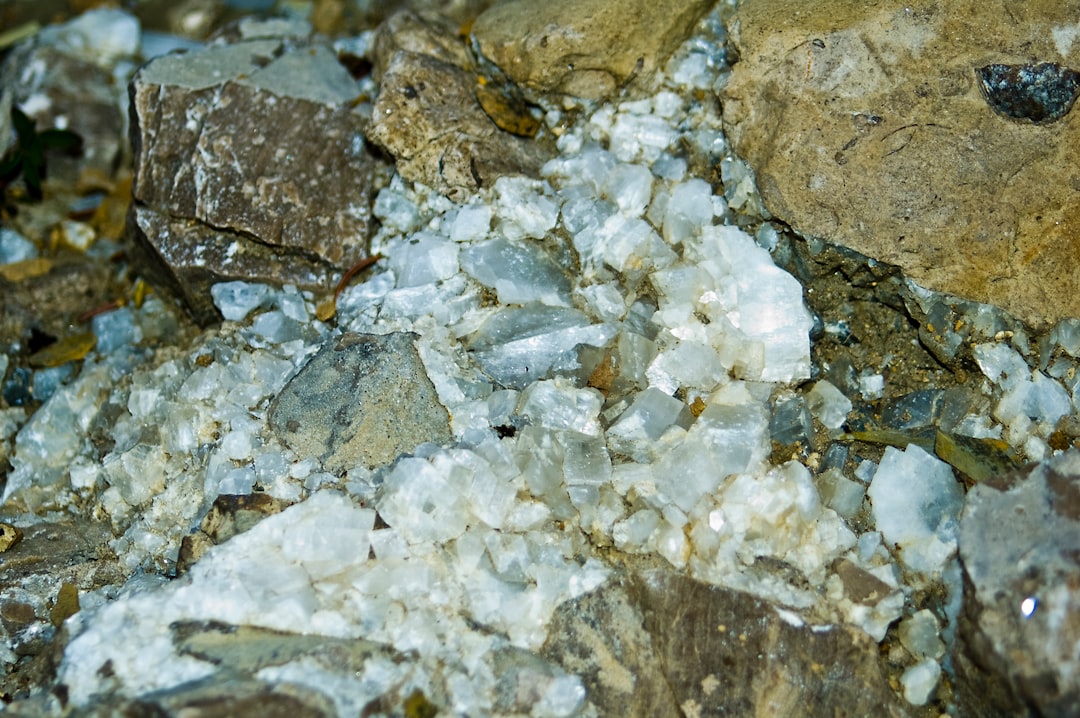
The Abu Tartur plateau, a vast and arid expanse in Egypt’s Western Desert, holds secrets far older than human civilization. For decades, its name has been synonymous with a treasure trove of phosphate rock, crucial for agricultural fertilizers and industrial processes. Yet, beneath the economically valuable mineral lies an even more profound wealth: a remarkably preserved record of prehistoric life, meticulously preserved within the ancient marine sediments. The Abu Tartur Phosphate Deposits are not merely a source of industrial raw material; they are a window into a lost world, a silent testament to the vibrant ecosystems that once thrived in what is now a desolate desert landscape. Uncovering the fossils within this geological marvel offers invaluable insights into the evolution of life, ancient environments, and the dynamic history of our planet.
The formation of the Abu Tartur Phosphate Deposits is intrinsically linked to a specific geological period and a unique set of environmental conditions that prevailed millions of years ago. Understanding this context is fundamental to appreciating the significance of the fossils found therein.
The Mesozoic and Cenozoic Eras: A Time of Deposition
The majority of the phosphate deposits at Abu Tartur are believed to have formed during the Late Cretaceous to the Eocene epoch, spanning a vast period of geological time. This era witnessed significant changes in global sea levels and continental configurations.
The Cretaceous Period and Marine Transgression
During the Late Cretaceous, much of North Africa, including the region of Abu Tartur, was submerged under a shallow, warm, and extensive marine environment. This marine transgression, a period when the sea encroached upon the land, created ideal conditions for the accumulation of marine sediments. The abundance of planktonic organisms, whose remains would eventually contribute to the phosphate-rich layers, was particularly high during this time. The gentle currents and stable conditions facilitated the settling and preservation of organic matter.
The Eocene Epoch and Continued Marine Influence
The Eocene epoch, which followed the Cretaceous, also saw continued marine influence in the region, though perhaps with fluctuating sea levels. These fluctuations played a role in concentrating the phosphate, often leading to layered deposits with varying mineral content. The marine life continued to flourish, leaving behind a rich fossil record.
The Phosphatization Process: From Organic Remains to Mineral Wealth
The very process that created the phosphate deposits is also responsible for the exceptional preservation of fossils. This intricate biogeochemical process is key to understanding how these ancient creatures became entombed.
The Role of Organic Matter
Phosphate rocks are primarily formed from the accumulation of marine organisms, particularly plankton such as foraminifera and phosphatic fish bones and scales. As these organisms died, their remains settled on the seabed. In oxygen-poor environments, decomposition was slow, allowing for the accumulation of organic matter.
The Upwelling Phenomenon
A crucial factor in the formation of economically viable phosphate deposits is often linked to periods of marine upwelling. This process occurs when deep, nutrient-rich waters rise to the surface. These nutrients, including phosphorus, would have fueled the growth of phytoplankton, which in turn supported vast populations of other marine life. The death and sinking of these organisms, combined with the high phosphorus content, led to the formation of phosphatic sediments.
Diagenesis and Mineral Precipitation
Over geological timescales, these organic-rich sediments underwent diagenesis – the physical and chemical changes that occur after deposition. Under specific pressure and temperature conditions, and with the presence of dissolved phosphates, the organic matter was gradually replaced or cemented by phosphate minerals, primarily apatite. This process effectively mineralized the organic remains, including the shells, bones, and teeth of marine organisms, leading to their remarkable preservation.
The Abu Tartur phosphate deposits in Egypt are not only significant for their economic value but also for the fascinating fossils they contain, which provide insights into ancient ecosystems. These deposits have been the subject of various studies, highlighting the intricate relationship between geological formations and paleontological discoveries. For a deeper understanding of ancient technologies and their potential connections to such fossil sites, you can explore a related article that discusses unbelievable ancient advanced technology at this link: Unbelievable Ancient Advanced Technology.
Unearthing the Ancient Marine Ecosystems
The Abu Tartur phosphate layers are a treasure trove of marine life, offering a vivid glimpse into the biodiversity of ancient seas that once covered this arid landscape. The fossils unearthed provide critical data for paleontologists studying the evolution and composition of these prehistoric ecosystems.
Diversity of Marine Vertebrates
The vertebrate fossils found at Abu Tartur are particularly striking, showcasing a diverse array of marine animals that once inhabited these waters.
Fossil Fish: A Dominant Presence
Fish fossils are abundant and incredibly well-preserved. They range from small, schooling species to larger predatory fish. Their scales, teeth, and skeletal remains are frequently encountered, providing insights into the fish populations and their roles in the food web.
Sharks and Rays: Apex Predators of the Past
Fossilized teeth of various shark species are a common find, indicating the presence of these formidable predators. While complete skeletons are rare, the sheer number of teeth suggests that sharks were significant components of the ecosystem. Fossilized elements of rays have also been discovered, further illustrating the diversity of cartilaginous fish.
Bony Fish: A Varied Assemblage
Numerous fossils of bony fish have been identified, representing a wide range of families and ecological niches. These include species that likely inhabited the seafloor, as well as those that swam in the open water column. Their skeletal structures and jaw formations offer clues about their diets and swimming capabilities.
Marine Reptiles: Giants of the Ancient Seas
While less common than fish, the discovery of marine reptile fossils is always a significant event. These fossils hint at the presence of larger, more imposing creatures that shared these ancient waters.
Mosasaurs: The Lords of the Cretaceous Seas
Mosasaurs, a group of large, predatory marine lizards that dominated the oceans during the Late Cretaceous, are among the most exciting fossil finds. Their powerful jaws, sharp teeth, and streamlined bodies suggest they were highly efficient hunters. Evidence of mosasaur remains, such as vertebrae and jaw fragments, has been found at Abu Tartur, painting a picture of these fearsome creatures coexisting with other marine life.
Plesiosaurs and Ichthyosaurs: Other Marine Reptilian Inhabitants
Although less frequently reported than mosasaurs, there is potential for the discovery of other marine reptile groups like plesiosaurs (long-necked marine reptiles) and ichthyosaurs (dolphin-like marine reptiles), depending on the specific stratigraphic layers examined. These discoveries would further enrich our understanding of the reptilian fauna of the ancient Tethys Sea.
Invertebrate Life: The Foundation of the Ecosystem
The abundance of invertebrate fossils at Abu Tartur underscores their critical role in the formation of the phosphate deposits and their foundational position in the ancient food web.
Mollusks: Shelled Inhabitants of the Seabed
Mollusks, with their diverse shell structures, are a ubiquitous find. These fossils provide vital information about the benthic (seafloor) environment and the food sources available to other organisms.
Ammonites: Iconic Cephalopods of the Mesozoic
Ammonites, with their coiled, chambered shells, are iconic fossils of the Mesozoic Era. Their presence at Abu Tartur is a strong indicator of the age of the deposits and the marine conditions that supported them. The variety of their shell shapes and ornamentation can also offer clues about their ecological roles and the specific environments they inhabited.
Bivalves: Clams, Oysters, and Scallops of the Past
Fossils of bivalves, such as clams, oysters, and scallops, are commonly found. These filter-feeding organisms played a crucial role in processing sediment and were likely a significant food source for other marine animals, including fish and larger invertebrates. Their preserved shells can indicate water depth and substrate type.
Gastropods: Snails of the Ancient Seas
Gastropod fossils, representing ancient snails, are also discovered. These organisms occupied various ecological niches, from grazing on algae to scavenging. Their presence adds another layer of detail to the reconstruction of the ancient marine community.
Echinoderms: Spiny Stars of the Ocean Floor
Fossils of echinoderms, including sea urchins and starfish, are often found, particularly in areas where the sediment was rich in organic matter. These creatures were important components of the benthic community, contributing to nutrient cycling and serving as prey for other animals.
Microfossils: The Unseen Majority
While large, macroscopic fossils are visually striking, the microscopic fossils are equally, if not more, important for paleontological research.
Foraminifera: Tiny Architects of the Seabed
Foraminifera, single-celled organisms with intricate shells (tests), are incredibly abundant in the Abu Tartur deposits. Their vast numbers and diverse species make them invaluable for biostratigraphy (dating rock layers) and paleoceanography (studying past ocean conditions). The composition of their shells can also reveal information about water temperature and salinity.
Ostracods: Ancient Seed Shrimp
Ostracods, tiny crustaceans often referred to as “seed shrimp,” are another significant microfossil group. Their hard exoskeletons are well-preserved, and like foraminifera, they are useful for dating and environmental reconstructions.
Paleontological Research and Discoveries

The Abu Tartur Phosphate Deposits have been the subject of considerable paleontological research, yielding a wealth of information that has advanced our understanding of prehistoric life and ancient environments.
Early Expeditions and Initial Findings
Early geological surveys and paleontological expeditions to the Abu Tartur region laid the groundwork for future research. These initial investigations identified the rich fossiliferous nature of the phosphate layers.
Geological Surveys and Resource Exploration
The primary impetus for exploring Abu Tartur was its rich phosphate reserves. However, during these surveys, geologists and paleontologists began to recognize the extraordinary fossil content. This dual discovery of economic and scientific value spurred further investigation.
Identification of Key Fossil Groups
Initial reports and publications detailed the presence of significant fossil groups, including various fish, ammonites, and foraminifera. These early findings established Abu Tartur as a site of considerable paleontological importance.
Modern Research and Technological Advancements
Contemporary research at Abu Tartur benefits from advanced paleontological techniques and analytical tools, allowing for more detailed and sophisticated studies.
Advanced Imaging and Analysis
Techniques such as scanning electron microscopy (SEM) and micro-CT scanning allow for detailed examination of fossil microstructure, revealing features previously invisible to the naked eye. This aids in species identification, understanding growth patterns, and reconstructing the taphonomy (the process of fossilization).
Biostratigraphy and Paleoceanographic Reconstructions
The abundant microfossils, particularly foraminifera and ostracods, are crucial for establishing precise dating of the rock layers. This detailed biostratigraphy allows paleontologists to correlate Abu Tartur with other fossil sites globally and to reconstruct the paleoceanographic conditions that prevailed in the ancient Tethys Sea. Stable isotope analysis of fossil shells provides data on past water temperatures, salinity, and nutrient levels.
Paleontological Databases and Global Correlations
Data from Abu Tartur is integrated into global paleontological databases, facilitating comparisons with fossil assemblages from other regions. This helps in understanding biogeographic patterns, evolutionary trends, and the interconnectedness of ancient marine ecosystems.
Significance of Abu Tartur Fossils

The fossils recovered from the Abu Tartur Phosphate Deposits are not merely curiosities; they hold profound scientific significance, offering invaluable insights into Earth’s history and the evolution of life.
Understanding Evolutionary Pathways
The exceptionally preserved fossils provide a tangible record of evolutionary processes, allowing scientists to trace the lineage of various species and understand their adaptations over time.
Transitional Fossils and Species Development
While not always producing dramatic “missing links,” the rich fossil record can reveal transitional forms or populations that demonstrate gradual changes within species or the emergence of new traits. This helps in understanding how life forms adapted to changing environmental conditions.
Insights into Extinction Events
The presence and absence of specific fossil groups within different stratigraphic layers can help scientists reconstruct past extinction events and understand their causes and consequences. The Abu Tartur deposits, spanning a period of significant environmental change, can offer clues about the resilience and vulnerability of marine life.
Reconstructing Ancient Environments
The fossil assemblage at Abu Tartur acts as a natural archive, meticulously documenting the conditions of the ancient seas that once covered the region.
Paleoclimate and Paleoceanographic Reconstruction
By analyzing the types of fossils present, their ecological requirements, and the geochemical signatures within their shells, scientists can reconstruct past climate patterns, ocean circulation, and the depth and salinity of the ancient Tethys Sea. The presence of warm-water species, for example, indicates a tropical or subtropical marine environment.
Taphonomic Studies: The Story of Preservation
The manner in which fossils are preserved provides crucial information about the depositional environment. Studies of the taphonomy at Abu Tartur can reveal details about the rate of sedimentation, the presence or absence of scavengers, and the degree of bioturbation (disturbance by living organisms). The exceptional preservation suggests rapid burial and anoxic conditions, which limited decomposition.
Contribution to the Phosphate Industry and Paleontology
The economic value of the phosphate deposits and the scientific importance of the fossils are intertwined, highlighting a unique duality of this geological site.
The Dual Nature of Abu Tartur: Resource and Repository
Abu Tartur exemplifies how a site can be both a valuable economic resource and a crucial scientific repository. The very processes that created the phosphate also preserved the fossils, creating a symbiotic relationship between industry and scientific discovery.
Educational and Public Outreach Value
The “discovery” of ancient life within a seemingly barren desert landscape holds immense educational and public outreach value. These fossils offer a tangible connection to Earth’s deep past, sparking curiosity and promoting interest in geology, paleontology, and conservation. Exhibitions of Abu Tartur fossils can inspire future generations of scientists and foster a greater appreciation for our planet’s natural heritage.
The Abu Tartur phosphate deposits in Egypt are not only significant for their mineral wealth but also for the fascinating fossils they contain, which provide insights into ancient ecosystems. Researchers have been exploring these deposits to uncover the secrets of prehistoric life, and their findings have been documented in various studies. For a deeper understanding of how these fossils contribute to our knowledge of history, you can read more in this article about unearthing ancient secrets. This connection between geology and paleontology highlights the importance of the Abu Tartur region in both scientific research and natural history.
Challenges and Future Directions in Abu Tartur Paleontology
| Fossil Type | Quantity | Location |
|---|---|---|
| Dinosaurs | Multiple | Abu Tartur phosphate deposits |
| Marine Reptiles | Several | Abu Tartur phosphate deposits |
| Ammonites | Abundant | Abu Tartur phosphate deposits |
Despite the significant progress made, research at Abu Tartur continues to face challenges, and future directions promise even deeper insights into this ancient world.
Preservation and Accessibility of Fossil Sites
The harsh desert environment and the nature of mining operations can pose challenges for the preservation and accessibility of fossiliferous outcrops.
Balancing Mining Operations and Paleontological Conservation
The extraction of phosphate can sometimes disturb or destroy fossil sites. Careful planning and collaboration between the phosphate industry and paleontological institutions are crucial to ensure that valuable fossil localities are identified, documented, and, where possible, protected or salvaged before mining commences.
The Impact of Erosion and Weathering
The arid climate of the Western Desert, while conducive to preservation in some ways, also leads to erosion and weathering of exposed rock formations. This can degrade fossil quality over time, making timely excavation and preservation essential.
Expanding Research Scope and Interdisciplinary Approaches
Future research can benefit from expanding the scope of investigations and adopting more interdisciplinary approaches.
Exploring Underexplored Stratigraphic Layers
While much research has focused on the most productive phosphate layers, other stratigraphic units within the Abu Tartur sequence may hold unique fossil assemblages that have yet to be fully explored. Further drilling and systematic sampling of these layers could reveal new insights.
Integrating Paleontology with Geochemistry and Paleoecology
Combining paleontological data with advanced geochemical analyses of the rock and fossil matrix can provide a more holistic understanding of the ancient environment. This includes detailed studies of trace elements, stable isotopes, and organic geochemistry.
The Potential for Soft-Tissue Preservation
While calcified structures are commonly preserved, the rare occurrence of soft-tissue preservation (e.g., fossilized skin, organs) in phosphate deposits, though exceptionally rare, would be a groundbreaking discovery. Research into the taphonomic conditions that might facilitate such preservation, however unlikely, could be a long-term pursuit.
The Role of Citizen Science and International Collaboration
Engaging a broader community and fostering international partnerships can accelerate discoveries and enhance the impact of Abu Tartur research.
Leveraging Citizen Science for Fossil Discovery
In certain contexts, citizen science initiatives, where trained volunteers assist in field surveys and fossil collection, could potentially aid in identifying new fossil localities or collecting valuable specimens, particularly in areas accessible to the public or with appropriate safety protocols.
Fostering International Partnerships for Comparative Studies
Collaborating with international research institutions allows for comparative studies of Abu Tartur fossils with those from similar geological formations worldwide. This enriches understanding of global biogeographic patterns and evolutionary trends, contributing to a more comprehensive picture of ancient marine life across different continents.
The Abu Tartur Phosphate Deposits are a testament to the Earth’s dynamic past, a place where industrial value and scientific wonder converge. The ongoing efforts to uncover and interpret its fossil wealth promise to continue revealing the secrets of ancient marine ecosystems, enriching our knowledge of life’s extraordinary journey and the ever-changing face of our planet.

They Found a Shark Graveyard in the Egyptian Desert
FAQs
What are Abu Tartur phosphate deposits?
Abu Tartur phosphate deposits are a significant source of phosphate rock in Egypt. The deposits are located in the Western Desert and are estimated to contain over 1 billion tons of phosphate ore.
What fossils have been found in the Abu Tartur phosphate deposits?
The Abu Tartur phosphate deposits have yielded a variety of fossilized remains, including ancient marine organisms such as mollusks, corals, and fish. These fossils provide valuable insights into the prehistoric marine environment of the region.
How old are the fossils found in the Abu Tartur phosphate deposits?
The fossils found in the Abu Tartur phosphate deposits are estimated to be from the Late Cretaceous period, which occurred approximately 100 to 66 million years ago. This makes the fossils around the same age as the phosphate deposits themselves.
What is the significance of the fossils found in the Abu Tartur phosphate deposits?
The fossils found in the Abu Tartur phosphate deposits provide important information about the ancient marine ecosystems of the region during the Late Cretaceous period. They also contribute to our understanding of the geological history of Egypt and the evolution of marine life.
Are the fossils found in the Abu Tartur phosphate deposits accessible to the public?
Access to the Abu Tartur phosphate deposits and the fossils they contain is restricted, as the area is an active mining site. However, researchers and paleontologists may have the opportunity to study the fossils under controlled conditions with the appropriate permissions.