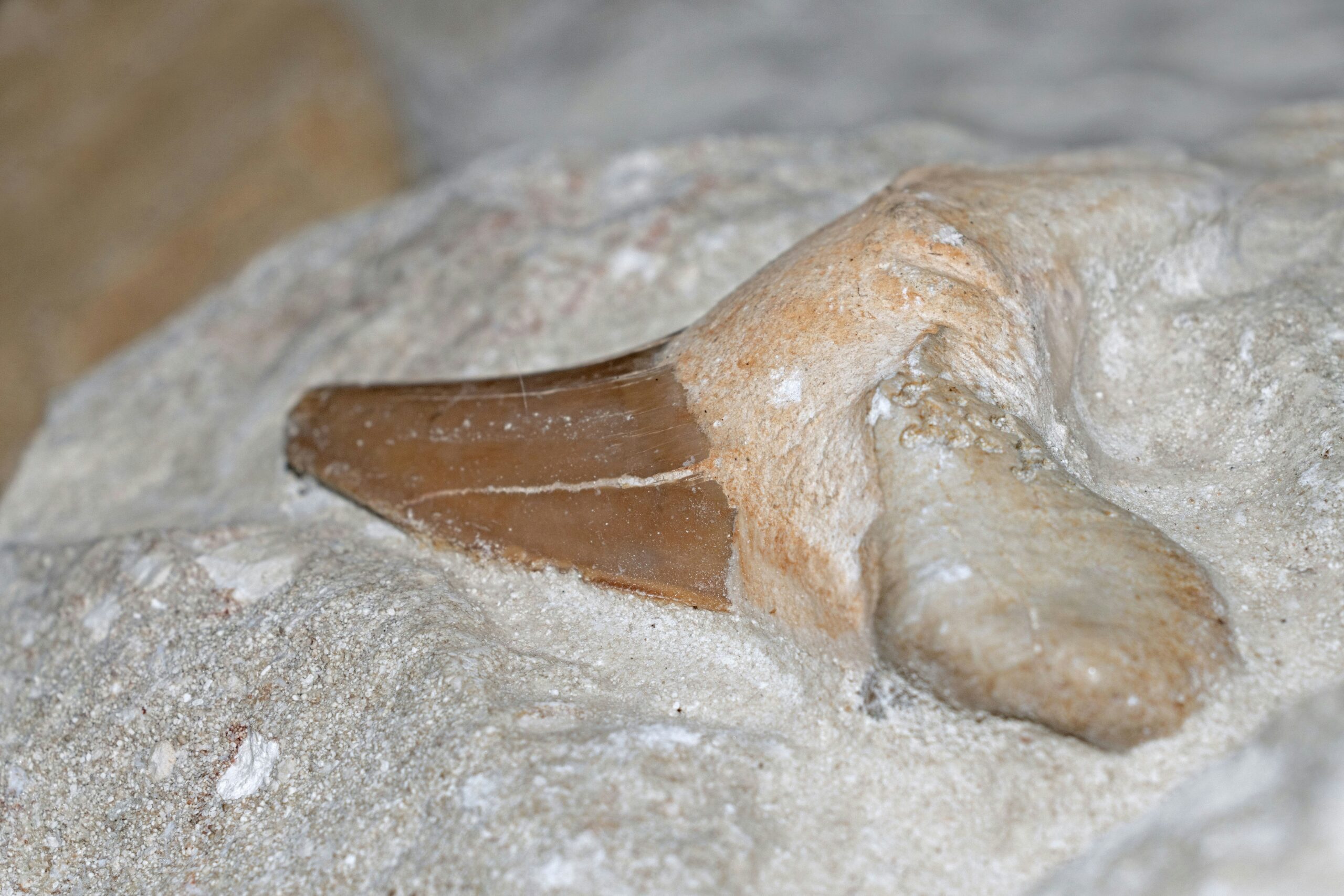
The exceptional fossilization of shark teeth is a testament to the remarkable resilience of these ancient predators and the intricate processes of geological time. Unlike many other biological structures that degrade rapidly after an organism’s demise, shark teeth possess inherent qualities that make them exceptionally adept at surviving the rigors of fossilization, enduring for millions of years to offer invaluable insights into prehistoric marine life. This remarkable preservation is not a matter of chance but a direct consequence of their unique composition and the environment in which they are ultimately deposited.
The primary reason for the exceptional fossilization of shark teeth lies in their inherent structural integrity. Their enamel, a hard, mineralized tissue, plays a crucial role in their longevity.
Enamel’s Composition and Microstructure
Shark teeth are not composed of true enamel like that found in mammals. Instead, they are covered by a material called vitrodentine, which is a highly mineralized layer primarily composed of apatite, a calcium phosphate mineral. This vitrodentine is supported by dentine, a slightly less mineralized tissue, and then pulp at the core, which is vascular and nervous tissue. The high mineral content, particularly the crystalline structure of apatite, renders the tooth remarkably resistant to chemical and physical degradation.
The Role of Hydroxyapatite
Hydroxyapatite, the main mineral component of bone and teeth, is notoriously stable. Its crystalline lattice structure is strong and resistant to dissolution by acidic or alkaline conditions that can break down softer organic tissues. The specific arrangement of apatite crystals within the shark tooth’s vitrodentine and dentine contributes to its exceptional resistance to decomposition.
Absence of Organic Matrix Dependence
Unlike bone, which relies heavily on its organic collagen matrix for structural integrity, shark teeth have a much lower organic content. While collagen is vital for bone flexibility and repair, its presence makes bone more susceptible to microbial decay and dissolution. The dominance of mineral components in shark teeth means that once the organic matter within them finally decays, the mineral framework remains largely intact.
Resistance to Decay and Microbial Action
The durable nature of shark teeth directly translates to their resistance to decomposition. In environments where softer tissues would be rapidly consumed by scavengers and microbes, shark teeth often survive.
Microbial Envy: Why Teeth Outlast Flesh
Microbes, the primary agents of decay, find little purchase on the mineralized surfaces of shark teeth. The hard, non-porous nature of vitrodentine and dentine provides a poor substrate for bacterial colonization and enzymatic breakdown. This starkly contrasts with flesh, which is rich in organic molecules, providing a veritable feast for a diverse array of decomposers.
The Scavenger’s Dilemma
Even when faced with voracious scavengers, shark teeth present a formidable challenge. Their hardness makes them difficult to break down, and their lack of appealing organic material offers little nutritional reward. While softer parts of the shark’s body would be quickly stripped away, the teeth often remain, eventually settling into the sediment.
Shark teeth are known for their remarkable ability to fossilize, primarily due to their unique composition and structure. Unlike many other bones, shark teeth are made of dentin and enamel, which are highly mineralized and resistant to decay. This durability allows them to withstand the test of time in various sedimentary environments. For a deeper understanding of how natural processes can lead to the preservation of organic materials, you might find it interesting to read about resource extraction strategies in different contexts, such as in the article on China’s lunar resource extraction strategy found here: China’s Lunar Resource Extraction Strategy.
The Fossilization Process: From Tooth to Stone
Once a shark tooth is shed or an individual dies, the journey towards becoming a fossil begins. This process is heavily influenced by the depositional environment and the presence of mineral-rich groundwater.
Deposition and Burial: The First Steps
The fate of a shed or deceased shark tooth is largely determined by where it ends up. Sharks, being pelagic creatures, often shed teeth throughout their lives, and their remains can be dispersed widely upon death.
The Ocean Floor: A Prime Location for Preservation
The vast majority of shark teeth fossils are found in marine sedimentary rocks. The ocean floor, particularly areas with relatively low oxygen levels and rapid sediment accumulation, provides an ideal environment for fossilization. Sedimentation acts as a protective blanket, shielding the tooth from physical disturbance and further degradation.
Riverbeds and Estuaries: Secondary Accumulation Sites
While the ocean floor is the primary habitat, rivers and estuaries can also become sites for shark tooth accumulation. Currents can transport shed teeth and carcasses, concentrating them in specific areas where they can then be buried by fluvial or estuarine sediments.
Mineralization: The Transformation of Tooth to Fossil
Fossilization is essentially a process of mineral replacement. Over geological timescales, the original mineral components of the tooth are dissolved and replaced by minerals present in the surrounding groundwater.
Permineralization: Filling the Voids
Permineralization is a common fossilization process where groundwater seeps into the porous structure of the tooth. Minerals dissolved in this water, such as calcite, quartz, or pyrite, precipitate within the pore spaces, effectively infilling them and adding to the tooth’s mass and density. While the original structure remains, it is now supported and permeated by new minerals.
Replacement: A More Complete Transformation
In some cases, a more complete form of fossilization called replacement can occur. Here, the original mineral apatite of the tooth is gradually dissolved and simultaneously replaced by new minerals from the groundwater. This process can result in a near-perfect replica of the original tooth structure, often with enhanced detail due to the crystalline nature of the replacing minerals.
Diagenesis: The Long-Term Environmental Influence
The entire process of post-depositional alteration, including mineralization, is broadly termed diagenesis. This encompasses all the physical and chemical changes that occur to the sediment and the fossil after burial. The composition of the groundwater, the pressure from overlying sediments, and the temperature of the burial environment all play significant roles in the type and quality of fossilization.
Environmental Factors Favoring Shark Tooth Fossilization

Certain environmental conditions significantly enhance the likelihood of shark teeth becoming well-preserved fossils. These factors often work in concert to promote both rapid burial and the mineralization process.
Sedimentation Rates: Speed is Key
The rate at which sediment accumulates over a buried organism is crucial. Rapid sedimentation provides swift protection from scavengers and physical abrasion.
The Shield of Sediment
A thick and rapid influx of sediment can quickly entomb a shark tooth, preventing it from being disturbed by currents or exposed to the damaging effects of weathering. This is particularly important in marine environments where wave action and bottom currents can be significant.
Preventing Dissolution: The Barrier Effect
Once buried, the sediment acts as a barrier, limiting the exchange of oxygenated water with the tooth. This can slow down chemical reactions that might otherwise lead to dissolution of the tooth’s mineral components.
Groundwater Chemistry: The Mineralizing Agent
The composition of groundwater that percolates through the sediment is critical for the mineralization process.
The Bounty of Calcium Carbonate
Groundwater rich in dissolved calcium carbonate is highly conducive to the fossilization of shark teeth. Calcite, the crystalline form of calcium carbonate, readily precipitates within the tooth’s structure, leading to effective permineralization or replacement.
Iron and Sulfur: Pyritization’s Presence
In some environments, groundwater may be rich in dissolved iron and sulfur compounds. This can lead to pyritization, where the tooth is replaced or coated by pyrite (fool’s gold). While this can create striking fossils, it can also sometimes lead to the eventual disintegration of the fossil due to the oxidation of pyrite.
Anoxic Conditions: Slowing Down Decomposition
Low oxygen levels in the depositional environment play a vital role in preserving organic materials.
The Bane of Bacteria: Oxygen Deprivation
Many of the microbes responsible for decay require oxygen to thrive. Anoxic, or oxygen-poor, conditions on the seafloor or within sediment layers significantly inhibit bacterial activity, thereby slowing down the decomposition of any remaining organic material within the tooth.
Preserving Subtle Details
While shark teeth are primarily mineralized, some minor organic components can persist. Anoxic conditions help preserve these, and in rare instances, can even lead to the preservation of softer tissues associated with the tooth, offering even greater scientific value.
Shark Teeth as Paleontological Treasures
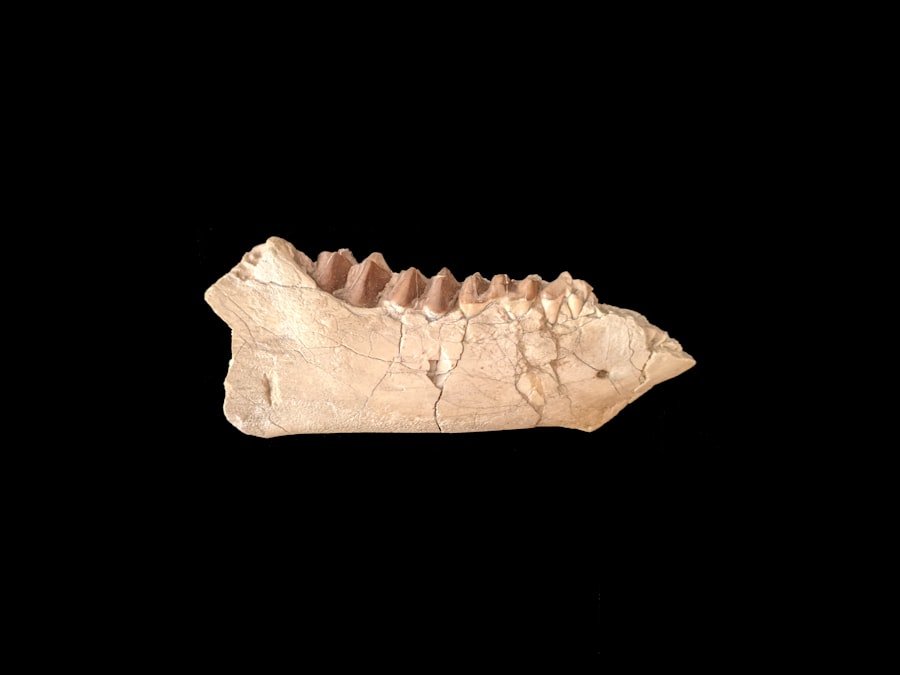
The exceptional fossilization of shark teeth makes them invaluable tools for paleontologists, providing a window into the deep past and the evolution of marine ecosystems.
Understanding Prehistoric Shark Diversity
Fossilized shark teeth are the most common remnants of these ancient creatures, offering direct evidence of the diversity of shark species that once inhabited our planet.
Species Identification and Classification
The morphology of a shark tooth – its shape, size, serrations, and root structure – is highly characteristic of a particular species. By examining fossilized teeth, paleontologists can identify and classify extinct shark species, tracing their evolutionary lineages.
Estimating Size and Diet
The size of a fossilized tooth can provide clues about the overall size of the shark. Furthermore, the shape and presence of serrations can indicate the shark’s feeding habits. For example, broad, triangular teeth with serrations are typical of sharks that fed on large prey, like the infamous Megalodon.
Reconstructing Ancient Marine Ecosystems
The presence and abundance of specific shark teeth fossils in a given geological stratum can tell us a great deal about the ancient marine environment.
Apex Predators and Trophic Levels
As apex predators, sharks occupied a crucial position in ancient food webs. The types of sharks present, as indicated by their teeth, help paleontologists understand the structure of prehistoric trophic levels and the dynamics of predator-prey relationships.
Indicator Fossils of Marine Environments
Certain shark species are associated with particular marine environments, such as shallow coastal waters, open ocean, or deep-sea habitats. The discovery of their teeth can therefore serve as indicator fossils, helping to reconstruct the paleoceanography and paleoecology of a region.
Insights into Evolution and Extinction Events
The fossil record of shark teeth has been instrumental in understanding evolutionary trends and the impact of major extinction events on marine life.
Evolutionary Adaptations and Innovations
The examination of shark teeth across different geological periods can reveal the evolution of specific adaptations, such as the development of complex serrations for slicing through flesh or changes in tooth implantation and replacement mechanisms.
Tracing the Impact of Mass Extinctions
The fossil record of shark teeth can show dramatic shifts in diversity and abundance following major extinction events, such as the end-Cretaceous extinction. This provides empirical evidence of the devastating impact these events had on marine biodiversity and the subsequent recovery and diversification of shark populations.
Shark teeth are known for their remarkable ability to fossilize, a process that is influenced by several factors including their composition and the environments in which they are found. The mineral-rich waters where sharks inhabit often contribute to the preservation of their teeth, allowing them to withstand the test of time. For a deeper understanding of how various geological factors can affect fossilization, you might find it interesting to explore the diverse terrain of different regions, such as Afghanistan. This article provides insights into how geography plays a crucial role in the fossilization process, which you can read more about here.
The Enduring Legacy: Why Shark Teeth Continue to Fascinate
| Reasons for Shark Teeth Fossilization | Explanation |
|---|---|
| Hardness | Shark teeth are made of a hard mineral called dentin, which is resistant to decay and can withstand the fossilization process. |
| Shedding | Sharks shed their teeth throughout their lives, leading to a high abundance of teeth available for fossilization. |
| Size | Shark teeth are relatively large and durable, making them more likely to survive the fossilization process compared to smaller, more fragile structures. |
| Mineralization | When a shark tooth is buried, it can become mineralized as water and minerals seep into the tooth, preserving its structure. |
The study of fossilized shark teeth continues to be a vibrant area of scientific research, captivating both scientists and the public alike. Their accessibility, resilience, and the stories they tell ensure their enduring legacy.
Accessibility and Ease of Collection
Compared to many other fossils, shark teeth are relatively abundant and easier to find. This makes them popular among amateur fossil collectors and contributes to a broad public engagement with paleontology.
The Thrill of the Hunt
The pursuit of shark teeth fossils, whether on beachcombing expeditions or in designated fossil sites, offers a tangible connection to the ancient past and a sense of discovery.
Citizen Science and Data Contribution
Amateur fossil collectors often contribute valuable data to paleontological research by documenting their finds, their locations, and the geological context in which they were discovered. This “citizen science” plays an increasingly important role in expanding our knowledge.
The “Megalodon” Phenomenon and Public Fascination
The sheer size and legendary reputation of extinct mega-sharks like Carcharocles megalodon have captured the public imagination, with their fossilized teeth serving as iconic symbols of prehistoric power.
The Icon of Extinction
The massive teeth of Megalodon, some exceeding seven inches in length, are awe-inspiring and serve as a potent reminder of the colossal creatures that once roamed the oceans and the reality of extinction.
Inspiring Future Generations of Scientists
The fascination with these ancient predators and their fossilized remains can inspire young minds to pursue careers in science, fostering a passion for discovery and a deeper understanding of Earth’s history.
Ongoing Discoveries and Future Research
Despite the extensive research already conducted, new discoveries continue to be made, shedding further light on the evolution and paleoecology of sharks.
Uncovering New Species and Evolutionary Links
Ongoing fieldwork and the application of advanced analytical techniques, such as CT scanning and geochemical analysis, are constantly revealing new shark species and refining our understanding of evolutionary relationships.
Understanding Paleoenvironmental Change
The detailed analysis of fossilized shark teeth, including isotopic analysis, can provide crucial data on ancient ocean temperatures, salinity, and the broader environmental conditions of prehistoric seas, helping us to understand long-term climate change.
In conclusion, the exceptional fossilization of shark teeth is a remarkable natural phenomenon driven by their durable enamel and inherent resistance to decay. This resilience, combined with the geological processes of burial and mineralization, ensures that these formidable remnants of prehistoric life are preserved for millions of years. As a result, fossilized shark teeth serve as invaluable scientific archives, offering profound insights into the diversity of ancient shark species, the intricate workings of prehistoric marine ecosystems, and the grand narrative of evolution and extinction on our planet. Their enduring appeal, both scientifically and to the public, solidifies their status as true paleontological treasures.

They Found a Shark Graveyard in the Egyptian Desert
FAQs
1. Why do shark teeth fossilize so well?
Shark teeth fossilize well due to their composition of calcium phosphate, which is resistant to decay and can withstand the fossilization process.
2. What conditions are ideal for the fossilization of shark teeth?
Ideal conditions for the fossilization of shark teeth include being buried in sediment or sedimentary rock, where they are protected from erosion and decomposition.
3. How long does it take for shark teeth to fossilize?
The fossilization process for shark teeth can vary, but generally takes thousands to millions of years, depending on the specific conditions and environment.
4. What makes shark teeth different from other fossils?
Shark teeth are unique in their ability to fossilize well due to their composition and durability, making them more commonly found and preserved compared to other types of fossils.
5. Where are some common places to find fossilized shark teeth?
Fossilized shark teeth can be found in various locations around the world, including coastal areas, riverbeds, and sedimentary rock formations. Popular locations for finding shark teeth fossils include Florida, Morocco, and South Carolina.