The Egyptian desert, a vast expanse of golden sands and ancient mysteries, holds secrets far older than the pyramids. For millennia, its arid landscape has preserved an extraordinary chronicle of life, a testament to a time when the now-parched plains teemed with vibrant marine ecosystems. This article delves into the captivating world of uncovering marine fossils in Egypt’s desert, exploring the geological history, the scientific discoveries, and the profound insights these ancient remains offer into Earth’s past.
For much of Earth’s history, the land that is now Egypt’s arid western desert was submerged beneath a vast, shallow sea. This ancient ocean, known as the Tethys Sea, played a crucial role in shaping the region’s geological and paleontological landscape. For millions of years, this expansive body of water provided a fertile environment for an astonishing diversity of marine life. From colossal whales to microscopic plankton, the Tethys Sea was a bustling metropolis of ancient creatures. The desert’s transformation from a vibrant marine realm to its current desolate state is a story etched in the very rocks beneath our feet. Understanding this profound geological shift is paramount to appreciating the significance of the fossils unearthed from this remarkable region.
The Tethys Sea: A Cradle of Marine Life
The Tethys Sea was not a single, static body of water but rather a complex and dynamic ocean that existed for hundreds of millions of years, from the late Paleozoic era through the Cenozoic. Its extent waxed and waned, its coastlines shifting with the tectonic ballet of continents. In the region that is now Egypt, the Tethys Sea left behind thick layers of sedimentary rock, formed from the accumulation of sand, silt, and the remains of countless organisms. These fossiliferous deposits are like pages in a giant natural history book, each layer a snapshot of life during a particular epoch. The presence of marine fossils in the desert is a direct consequence of this prolonged period of oceanic inundation.
Geological Epochs and Their Marine Inhabitants
The fossils found in Egypt’s desert span a considerable range of geological time. Primarily, discoveries point to the Eocene and Oligocene epochs of the Cenozoic Era.
The Eocene Epoch (56 to 33.9 million years ago)
During the Eocene, sea levels were generally higher, and the Tethys Sea covered much of North Africa. This period was characterized by significant global warming and the diversification of mammals. In the marine realm, this meant an abundance of life, including early whales, various fish, sharks, and a rich invertebrate fauna. The rocks from this epoch in Egypt often yield fossils of these creatures, providing invaluable data on early cetacean evolution and the composition of Eocene marine ecosystems.
The Oligocene Epoch (33.9 to 23 million years ago)
As the Earth cooled and tectonic activity shifted, the Tethys Sea began to recede. However, significant portions of Egypt remained submerged during the Oligocene. This epoch saw the continued evolution of marine life, with modern whale families becoming more established. The fossil record from this period in Egypt is particularly rich in whale remains, offering crucial insights into the transition from land-dwelling ancestors to fully aquatic marine mammals.
The Process of Fossilization in Desert Environments
The arid conditions of the Egyptian desert are surprisingly conducive to the preservation of fossils. While it might seem counterintuitive, the lack of moisture and vegetation can actually protect fossils from rapid decay and weathering.
Sedimentary Rock Formation and Fossil Traps
The process begins with the deposition of sediments in the ancient sea. As marine organisms died, their remains settled to the seafloor, intermingling with sand, mud, and other debris. Over vast stretches of time, these layers of sediment accumulated, burying the organic material. Under immense pressure and chemical reactions, the calcium carbonate in shells and bones can be replaced by minerals from the surrounding groundwater, a process known as permineralization. This transforms the soft tissues into stone, creating a fossil.
The Role of Aridity in Preservation
Once the Tethys Sea retreated, the newly exposed sedimentary layers were subjected to the harsh desert climate. While erosion is a constant threat, the dryness of the desert significantly slows down the decomposition processes that would occur in more humid environments. This allows fossils to remain remarkably intact for millions of years, waiting to be discovered.
The discovery of marine fossils in the Egyptian desert has sparked significant interest among paleontologists and historians alike, as it provides crucial evidence of the region’s ancient geological history when it was once submerged under water. This fascinating subject is further explored in the article titled “The Lost Legacy of Ancient Civilizations,” which discusses various archaeological findings that shed light on the advanced technologies and architectural marvels of past societies. For more insights, you can read the article here: The Lost Legacy of Ancient Civilizations.
Whispers of Giants: Whale Fossils of the Wadi Al-Hitan
Perhaps the most iconic marine fossils discovered in Egypt’s desert are those found in the UNESCO World Heritage site of Wadi Al-Hitan, or “Valley of the Whales.” This extraordinary location is a treasure trove of exceptionally preserved whale skeletons, offering an unparalleled glimpse into the evolutionary journey of these magnificent creatures. The sheer density and quality of these fossils make Wadi Al-Hitan a global epicenter for cetacean paleontology.
Wadi Al-Hitan: A Natural Museum of Whale Evolution
Wadi Al-Hitan is not just a collection of scattered bones; it is a landscape where entire whale skeletons are exposed, often in their original positions, providing a dynamic diorama of prehistoric life. The sediments here date back to the Eocene and Oligocene epochs, a critical period for whale evolution, documenting the transition from land-dwelling mammals to fully aquatic beings. The discovery of these fossils has revolutionized our understanding of how whales lost their hind limbs and adapted to life in the ocean.
The Iconic Protocetids: Whales on the Cusp of the Sea
Among the most significant finds at Wadi Al-Hitan are the fossils of protocetids, an extinct group of early whales. These creatures were amphibious, possessing functional hind limbs that allowed them to move on land, though they were clearly adapted for aquatic life. The presence of pelvic bones and even hind limbs in these fossils provides irrefutable evidence of their terrestrial ancestry. Studying protocetids from Wadi Al-Hitan has been instrumental in tracing the evolutionary pathways that led to modern whales.
The Dawn of the Basilosaurids: Fully Aquatic Ancestors
Further insights come from the discovery of basilosaurids, another extinct group of whales that were fully aquatic. Fossils of these serpentine creatures, such as the formidable Basilosaurus, are also found in abundance. While they possessed tiny, vestigial hind limbs, these were no longer used for locomotion. Their elongated bodies and powerful tails were perfectly suited for swimming, showcasing a significant evolutionary leap towards modern cetaceans. The remarkable preservation of these skeletons allows paleontologists to study their anatomy in intricate detail.
The Significance of Hind Limb Fossils
The presence and morphology of hind limb fossils in ancient whales are a cornerstone of evolutionary biology. At Wadi Al-Hitan, the discovery of these limbs, often articulated with the pelvis, provides direct evidence for the land-dwelling ancestors of whales.
Tracing the Reduction of Hind Limbs
The gradual reduction in size and fusion of the hind limb bones in successive fossil whales found in Egypt clearly illustrates the evolutionary process. From the robust, functional limbs of earlier ancestors to the small, internal vestiges of later species, these fossils paint a vivid picture of adaptation.
Pelvic Girdle Remnants: Echoes of Terrestrial Life
Even when hind limbs are nearly absent, the remnants of the pelvic girdle can often be found. These bony structures, detached from the vertebral column, serve as further proof of the evolutionary link to terrestrial vertebrates. Their presence in even the most aquatic-looking fossil whales underscores the profound evolutionary history of these animals.
Beyond Whales: A Diverse Marine Assemblage
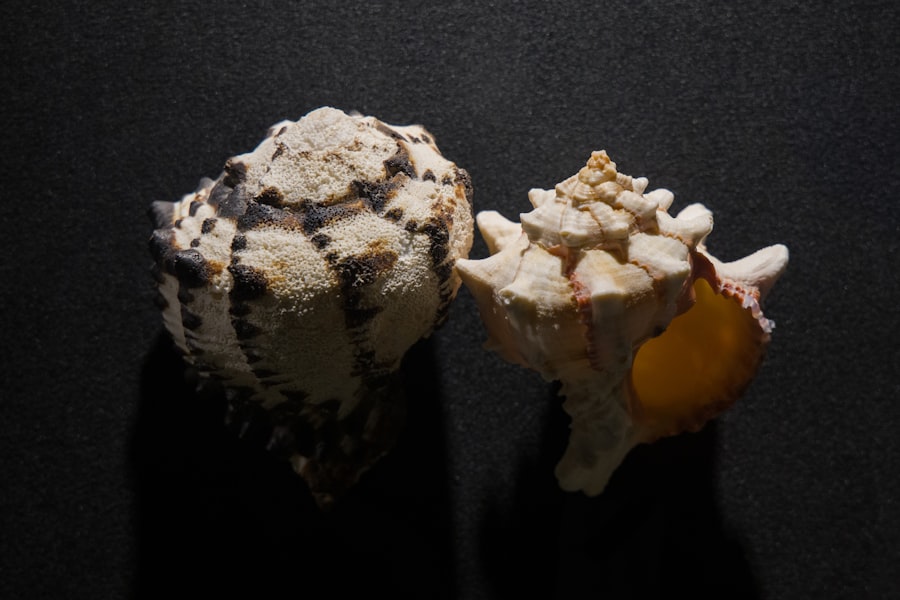
While whales often steal the spotlight, the Egyptian desert’s fossil record reveals a much broader tapestry of marine life. The ancient Tethys Sea was home to a diverse array of creatures, and their remains are scattered throughout the sedimentary layers, offering valuable insights into the ancient food webs and ecosystems.
Shark Teeth: Ancient Predators of the Seas
The sharp, durable teeth of sharks are among the most commonly found fossils in marine sedimentary rocks worldwide, and Egypt is no exception. The ancient Tethys Sea was patrolled by a variety of shark species, and their fossilized teeth serve as indicators of the apex predators of these prehistoric waters.
Identifying Ancient Shark Species
The morphology and size of fossil shark teeth can help paleontologists identify the species that once inhabited these waters. From the formidable teeth of large predatory sharks to the smaller, more specialized teeth of bottom-dwellers, these finds provide a snapshot of the shark community.
Tracing Predation Patterns
The presence of shark teeth alongside the remains of other marine organisms can also offer clues about ancient predation patterns. Bite marks on fossilized bones, or the association of shark teeth with prey fossils, can reveal who was eating whom in the ancient Tethys Sea.
Invertebrate Life: The Foundation of Ancient Ecosystems
The vast majority of marine life, both past and present, consists of invertebrates. The fossilized remains of these creatures, though often smaller and less spectacular than whale skeletons, are equally important for understanding ancient ecosystems.
Shells and Skeletons: A Chronicle of Diversity
Fossils of mollusks, such as bivalves (clams, oysters) and gastropods (snails), are abundant in the fossiliferous rocks of Egypt. These shells, made of calcium carbonate, are readily preserved and provide evidence of the diverse benthic (seafloor) communities that thrived in the Tethys Sea.
Corals and Echinoderms: Building Blocks of Reefs and Seabeds
Fossils of corals, which formed intricate reef structures, and echinoderms, like sea urchins and starfish, are also discovered. These organisms played crucial roles in shaping ancient marine habitats and contributed significantly to the accumulation of sedimentary material. Their fossilized remains speak to the complexity and richness of these bygone underwater worlds.
Scientific Expeditions and Modern Discoveries

The journey of uncovering marine fossils in Egypt is an ongoing endeavor, driven by the passion and perseverance of paleontologists and geologists. Modern scientific expeditions, employing advanced techniques, continue to push the boundaries of our understanding.
Early Explorations and Their Impact
The initial discoveries of marine fossils in Egypt’s desert, though perhaps less scientifically rigorous by today’s standards, laid the groundwork for future research. These early expeditions sparked curiosity and highlighted the region’s immense paleontological potential.
Pioneering Paleontologists and Their Contributions
Individuals like the paleontologist Dr. Yousry Attia and his team have been instrumental in systematically exploring and documenting the fossil-rich areas of Egypt. Their dedication has led to significant discoveries and has established Egypt as a key site for understanding marine vertebrate evolution.
The Wadi Al-Hitan Discovery: A Turning Point
The recognition of Wadi Al-Hitan as a significant paleontological site, culminating in its UNESCO World Heritage status, marked a pivotal moment. This designation not only protected the site but also spurred further scientific investigation and international collaboration.
Modern Techniques in Fossil Discovery and Analysis
Contemporary paleontological research utilizes cutting-edge technologies to enhance the efficiency and accuracy of fossil discovery and analysis.
Remote Sensing and Geological Mapping
Advanced geological mapping and remote sensing techniques are employed to identify promising fossiliferous areas from afar. Satellite imagery and aerial surveys can reveal geological formations that are likely to contain fossils, guiding field expeditions more effectively.
Advanced Imaging and Dating Methods
Once fossils are discovered, sophisticated techniques are used for their analysis. High-resolution CT scans can reveal internal structures without damaging the fossil, while advanced radiometric dating methods provide precise ages for the rock layers, offering a clearer timeline of evolutionary events.
Recent discoveries of marine fossils in the Egyptian desert have shed light on the region’s ancient geological history, revealing that this arid landscape was once submerged under a vast ocean. These findings not only provide insight into the types of marine life that existed millions of years ago but also help scientists understand the climatic changes that led to the desert’s formation. For a deeper exploration of how environmental factors can influence ecosystems and economies, you can read more in this article about economic stabilization measures during recovery. To learn more about these fascinating marine fossils, visit this article.
Preserving the Past for the Future: Conservation and Education
| Location | Type of Fossils | Age |
|---|---|---|
| Wadi El-Hitan | Basilosaurus, Dorudon | Eocene epoch |
| Wadi Al-Hitan | Shark teeth, marine reptiles | Various periods |
| Wadi El-Rayan | Marine invertebrates | Miocene epoch |
The rich paleontological heritage of Egypt’s deserts is a valuable scientific resource and a source of national pride. Ensuring its preservation and accessibility for future generations is a critical undertaking.
The Importance of Site Protection
Protecting fossil sites from illegal excavation, vandalism, and environmental degradation is paramount. Secure and well-managed sites are essential for ongoing scientific research and for safeguarding these invaluable relics of Earth’s history.
Legal Frameworks and Enforcement
Establishing and enforcing robust legal frameworks for the protection of paleontological sites is crucial. This includes clear regulations against unauthorized fossil removal and penalties for offenders.
Collaboration with Local Communities
Engaging local communities in conservation efforts can foster a sense of ownership and responsibility. Educating them about the significance of the fossils and involving them in monitoring and protection can be highly effective.
Educational Outreach and Public Engagement
Making the wonders of Egypt’s fossil discoveries accessible to the public is vital for inspiring future scientists and fostering a broader appreciation for natural history.
Museums and Exhibitions
Showcasing fossil discoveries in museums, both within Egypt and internationally, provides tangible evidence of the region’s paleontological wealth. Engaging exhibits can captivate audiences of all ages.
Educational Programs and Research Opportunities
Developing educational programs for schools and universities, and offering research opportunities for students and scientists, ensures that the knowledge gained from these fossils is disseminated and continues to grow. By sharing these stories, Egypt’s desert transforms from a landscape of sand into a vibrant testament to life’s incredible journey.

They Found a Shark Graveyard in the Egyptian Desert
FAQs
What are marine fossils?
Marine fossils are the preserved remains or impressions of organisms that lived in the sea, such as shells, corals, and the skeletons of marine animals.
Where are marine fossils found in the Egyptian desert?
Marine fossils are found in the Western Desert of Egypt, particularly in the limestone and shale formations of the Wadi El-Hitan (Valley of the Whales) and the Gebel El-Rosas area.
What types of marine fossils are found in the Egyptian desert?
The Egyptian desert is known for its well-preserved marine fossils, including the skeletons of ancient whales, sharks, sea turtles, and various types of mollusks.
How old are the marine fossils in the Egyptian desert?
The marine fossils in the Egyptian desert date back to the Eocene epoch, which occurred approximately 56 to 33.9 million years ago.
Why are marine fossils in the Egyptian desert significant?
The marine fossils in the Egyptian desert provide valuable insights into the ancient marine ecosystems and the evolution of marine life. They also contribute to our understanding of the geological history of the region and the process of fossilization.