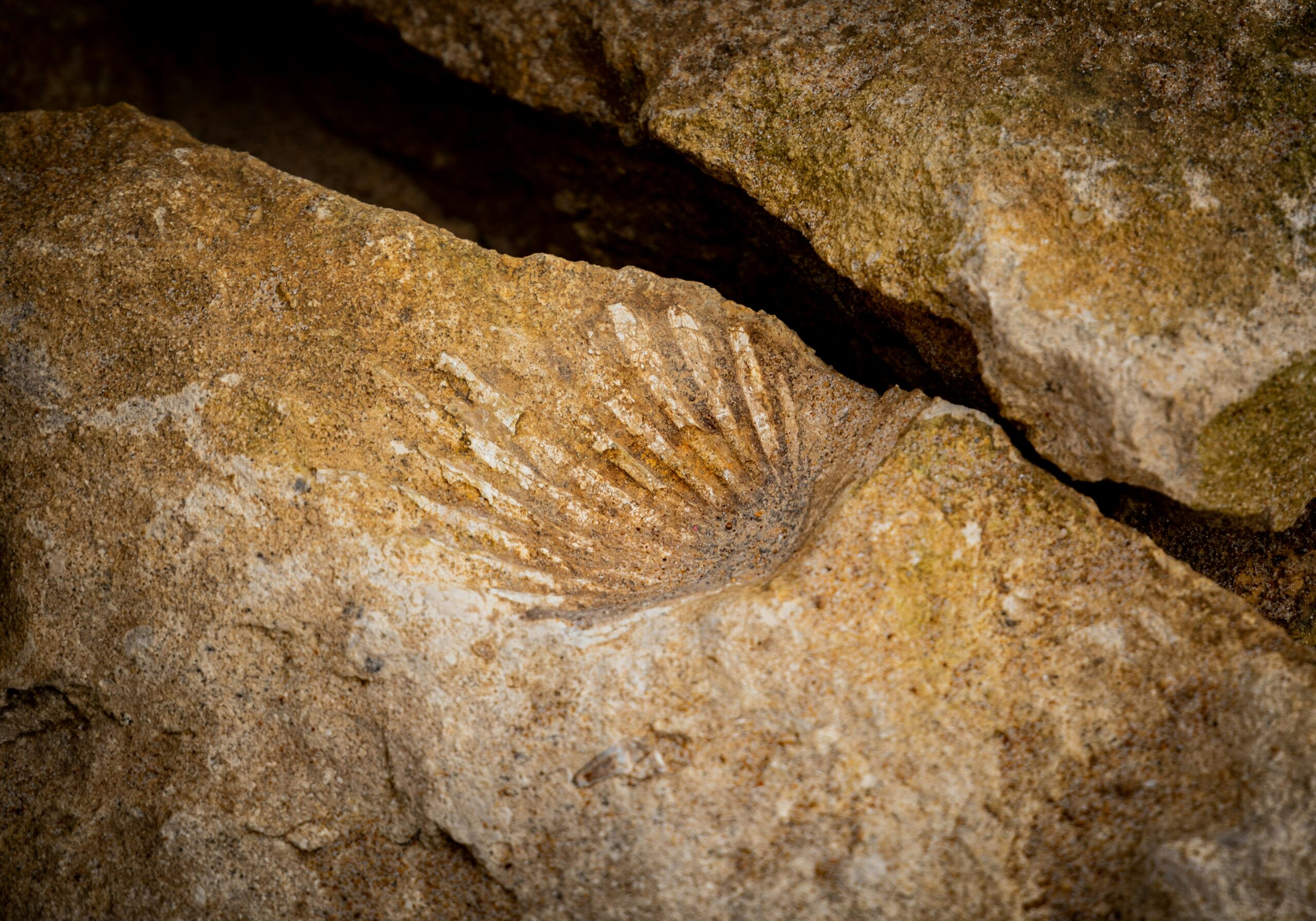
The vast, arid landscapes of the world’s deserts often evoke images of harshness, of life clinging precariously to existence under relentless sun and scant rainfall. Yet, beneath the shifting sands and cracked earth, these seemingly barren realms conceal a secret history, a testament to a time when oceans, not deserts, dominated the very same ground. The discovery of marine fossils in these arid expanses is a profound enigma, a puzzle that has captivated scientists for centuries and continues to reveal astonishing insights into Earth’s dynamic past. How can the remains of ancient sea creatures, from colossal ammonites to delicate coral fragments, lie embedded in what is now some of the driest land on the planet? This is the mystery that the unraveling of desert marine fossil sites continues to illuminate.
The sheer incongruity of finding marine fossils in the middle of a desert is the first element that sparks curiosity. These ancient relics, often perfectly preserved, speak of vibrant underwater ecosystems, of teeming life under the waves. Yet, the contemporary desert environment presents a starkly contrasting tableau: extreme temperatures, low humidity, and an almost complete absence of standing water. This paradox begs the fundamental question: how did these oceanic inhabitants end up so far from any present-day sea, and in such arid conditions?
Tracing the Geological Footprints of Ancient Seas
The answer lies not in the sudden appearance of the sea in the desert, but in the dramatic and cyclical transformations of Earth’s crust and its oceans over geological time. Geologists and paleontologists have painstakingly pieced together the evidence, demonstrating that what are now arid deserts were once submerged beneath vast, ancient seas.
Plate Tectonics and Continental Drift: A Shifting Stage
The primary driver behind these profound changes is the relentless movement of Earth’s tectonic plates. Over millions of years, continents have drifted, collided, and separated, carrying their surface features with them. An area that was once a shallow continental shelf, teeming with marine life, could, through continental drift, be transported far inland, eventually becoming part of a landmass that dries out over eons.
The Evidence of Continental Margins
Scientists examine the geological formations associated with fossil sites to understand their original depositional environments. The presence of certain rock types, such as limestones formed from the accumulation of marine organisms, or sedimentary layers indicative of shallow marine deposition, provides strong evidence that the area was once underwater.
Eustatic Sea Level Changes: The Global Tide
Beyond the movement of landmasses, global sea levels themselves have fluctuated dramatically throughout Earth’s history. These eustatic changes, driven by factors like the formation and melting of ice sheets, have caused oceans to expand and recede across continents, inundating vast swathes of land during periods of high sea level and exposing them during periods of glaciation or tectonic uplift.
Interglacial Periods and Their Oceanic Extent
During warmer interglacial periods, when ice sheets melt, sea levels rise significantly. These periods could have seen shallow seas extending far into what are now continental interiors, creating ideal habitats for marine life. The fossils found are often from such periods, preserved in sediments deposited by these transient oceans.
Fossil Assemblages: Echoes of Lost Ecosystems
The marine fossils discovered in deserts are not random fragments; they often represent entire communities of organisms, offering a detailed snapshot of ancient marine ecosystems. The types of fossils found, and their abundance, provide crucial clues about the depth, salinity, and temperature of the ancient waters.
Dominant Marine Life Forms: Ammonites, Belemnites, and Bivalves
Among the most iconic marine fossils found in deserts are ammonites and belemnites. Ammonites, coiled cephalopods with intricate shells, and belemnites, the internal skeletal remains of squid-like creatures, were incredibly diverse and abundant in ancient seas. Their presence in desert regions indicates that these areas were once rich marine environments supporting large populations of these invertebrates. Similarly, fossilized shells of bivalves, such as oysters and clams, are frequently unearthed, pointing to shallow, often estuarine or near-shore environments.
The Significance of Shell Morphology
The shape, size, and ornamentation of fossil shells can reveal a great deal about the conditions under which they lived. For instance, robust shells often indicate turbulent waters, while delicate shells might suggest calmer, deeper environments.
Vertebrate Remains: Whales, Sharks, and Ancient Fish
In some exceptional cases, more complex vertebrate fossils are discovered, including fossilized shark teeth, ancient fish skeletons, and even the remains of marine mammals like whales. The discovery of whale fossils in a desert such as Egypt’s Wadi Al-Hitan (Valley of the Whales) is particularly striking. These fossils, dating back millions of years, confirm that this now-arid valley was once a thriving sea, home to diverse whale populations.
The Paleontological Significance of Wadi Al-Hitan
Wadi Al-Hitan is a UNESCO World Heritage site renowned for its extraordinarily well-preserved fossils of early whales. These fossils have been instrumental in understanding the evolutionary transition of whales from land-dwelling mammals to fully aquatic creatures.
Marine fossils found in deserts often intrigue scientists and laypeople alike, as they provide evidence of ancient environments that were once submerged under oceans. This phenomenon can be explained by the shifting of tectonic plates, which can elevate seabeds to form dry land over millions of years. For a deeper understanding of how geological processes can impact various environments, you might find it interesting to read about the economic implications of lunar resources in the article available at The Economic Value of Lunar Helium-3. This article explores how celestial geology can parallel terrestrial changes, shedding light on the dynamic nature of our planet and beyond.
Geomorphological Clues: Shaping the Desert Landscape
The landscape itself, sculpted by wind and water over millennia, often bears the imprint of its oceanic past, providing non-fossilized evidence of its former aquatic existence. The geological formations, erosion patterns, and even the mineral composition of the desert rocks can tell a story of ancient seas.
Sedimentary Rock Formations: The Ocean’s Legacy
Deserts are often characterized by vast expanses of sedimentary rocks, the very materials laid down by ancient bodies of water. Sandstones, shales, and limestones found in desert regions can be direct remnants of ocean floor sediments.
Limestone Deposits: The Accumulation of Marine Life
Limestones, in particular, are often formed from the accumulated skeletal remains of marine organisms like corals, shells, and plankton. The presence of thick, extensive limestone layers in a desert environment is a strong indicator of a long-standing marine influence.
Calcareous Sediments and Their Formation
These calcareous sediments, primarily composed of calcium carbonate, are deposited in marine environments and, over geological time, are compacted and cemented to form solid rock.
Erosional Features: Witness to Past Waterways
Even the erosional features of a desert can hint at its watery origins. While wind erosion is dominant today, ancient riverbeds, ancient coastlines marked by terraces, and even the rounded shapes of some rock formations can speak of past fluvial and marine processes.
Ancient Shorelines and Beach Deposits
The identification of elevated marine terraces, often found in mountainous desert regions, suggests former sea levels. These terraces can be adorned with ancient beach deposits, including rounded pebbles and fossiliferous material, clear remnants of past wave action.
Marine Terraces and Their Dating
Geologists use various techniques, including radiometric dating of associated rocks and the study of faunal assemblages, to determine the age of these marine terraces and the sea levels they represent.
Preserving the Past: The Delicate Nature of Fossil Survival
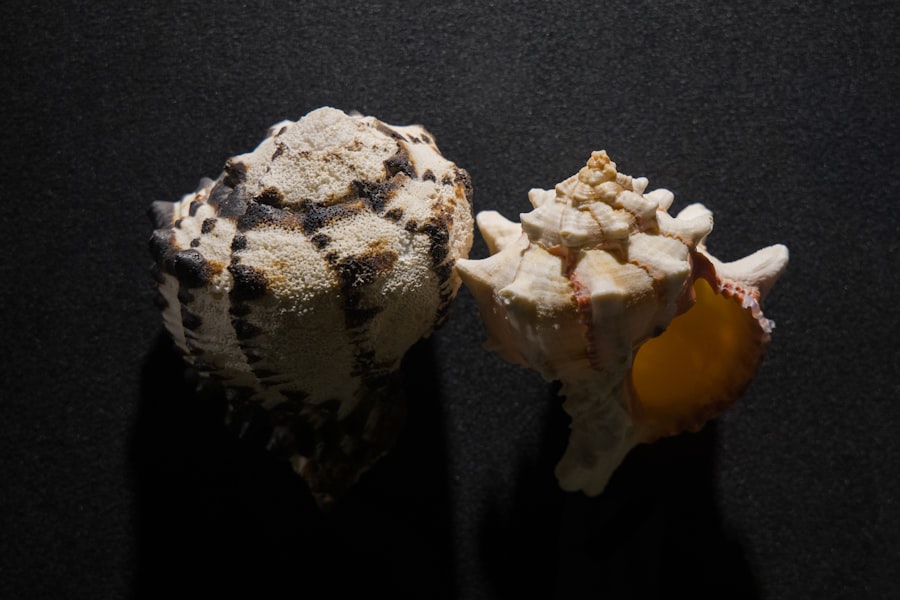
The survival of marine fossils in harsh desert conditions for millions of years is a remarkable feat of preservation, often facilitated by the very geological processes that transformed the environment.
The Role of Sediment Burial: A Protective Embrace
The rapid burial of marine organisms in fine sediments, such as mud or sand, is crucial for their fossilization. This process protects the remains from scavengers, decomposition, and the damaging effects of weathering.
Anaerobic Conditions and Fossilization
When sediments are deposited in low-oxygen, or anaerobic, environments, such as deep marine basins or stagnant water, the rate of decomposition is significantly slowed, increasing the chances of fossilization.
Diagenesis: The Transformation of Sediment to Rock
Over vast stretches of time, the buried sediments undergo diagenesis, a series of physical and chemical changes that transform them into solid rock, preserving the embedded fossils. This process often involves the mineralization of organic material, where the original organic compounds are replaced by minerals.
Mineralization and Fossilization Processes
The process of mineralization is key to the long-term survival of fossils. As the organic material of the organism decays, dissolved minerals in groundwater percolate through the sediments and precipitate within the skeletal structure, effectively turning bone, shell, or tooth into stone.
Permineralization: Filling the Pores
Permineralization occurs when groundwater rich in dissolved minerals fills the empty spaces and pores within the skeletal structure of an organism. The minerals then precipitate out of the solution, solidifying the fossil.
Replacement: The Substitution of Original Material
In some cases, the original organic material is entirely replaced by minerals. This process, known as replacement, can result in fossils that are remarkably detailed replicas of the original organism.
The Scientific Significance: Unlocking Earth’s History
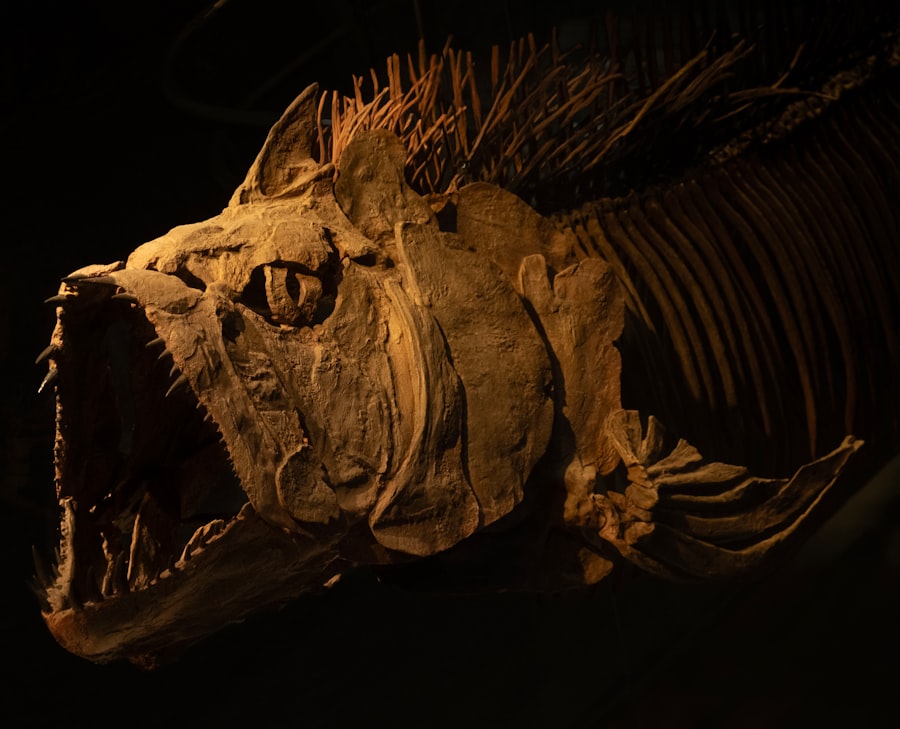
The discovery and study of marine fossils in deserts are not merely academic curiosities; they are windows into crucial aspects of Earth’s history, offering invaluable data for understanding geological processes, evolutionary pathways, and past climates.
Reconstructing Ancient Climates: A Wetter, Warmer World
The types of marine organisms found in desert fossils can provide direct evidence of past climate conditions. For instance, the presence of certain coral species or foraminifera (microscopic marine organisms with shells) can indicate warm, tropical waters, suggesting that the desert region was once located in a much warmer climatic zone.
Paleoclimate Proxies: Organisms as Climate Indicators
These marine organisms act as paleoclimate proxies, their biological and chemical characteristics reflecting the environmental conditions under which they lived. Scientists analyze the isotopes of oxygen within fossil shells, for example, to infer past ocean temperatures.
Isotopic Analysis and Paleotemperature Reconstruction
The ratio of different oxygen isotopes (e.g., ¹⁸O to ¹⁶O) in marine carbonates is sensitive to temperature. By measuring these ratios in fossil shells, scientists can reconstruct past ocean temperatures with remarkable accuracy.
Evolutionary Insights: The Story of Life’s Transitions
Desert marine fossil sites have been instrumental in understanding significant evolutionary transitions. As mentioned with Wadi Al-Hitan, these sites can provide crucial evidence of how species adapted and transformed over time.
Documenting Mass Extinctions and Recovery
The fossil record in desert regions can also shed light on periods of mass extinction. Layers of sediment that show a sudden disappearance of diverse marine life, followed by a gradual re-emergence of new species, can document these catastrophic events and the subsequent recovery of ecosystems.
The Permian-Triassic Extinction Event and Its Aftermath
Fossiliferous desert deposits from certain geological periods might bear the signature of the Permian-Triassic extinction event, the most severe extinction in Earth’s history, allowing scientists to study the patterns of life’s recovery.
Understanding Geological Processes: Plate Tectonics in Action
The distribution of marine fossils across continents provides compelling evidence for plate tectonics and continental drift. When similar marine fossil assemblages are found in now-distant landmasses, it strongly suggests that these landmasses were once connected and situated in the same marine environment.
Paleogeographic Reconstructions: Piecing Together Continents
By mapping the distribution of specific fossil species and correlating geological formations across continents, paleontologists can create paleogeographic reconstructions, illustrating how continents were arranged in the past and how oceans covered vast areas.
Alfred Wegener’s Continental Drift Theory and Fossil Evidence
Early proponents of continental drift, like Alfred Wegener, used the discovery of similar terrestrial and marine fossils in widely separated continents as key evidence for his groundbreaking theory.
Marine fossils found in deserts often puzzle scientists, as these arid landscapes seem far removed from ancient oceans. The presence of such fossils indicates that these areas were once submerged under water, highlighting significant geological changes over millions of years. For a deeper understanding of how environmental shifts can lead to dramatic transformations in ecosystems, you might find it interesting to read about related topics like deforestation and its impacts on the planet. This article discusses the broader implications of environmental changes, which can be found here.
Case Studies: Iconic Desert Fossil Sites
| Reasons for Marine Fossils Found in Deserts |
|---|
| 1. Geological Changes: Deserts were once covered by oceans, and geological changes over millions of years have caused the land to shift and rise, leaving behind marine fossils. |
| 2. Climate Change: Changes in climate over time have transformed once underwater areas into arid deserts, preserving marine fossils in the process. |
| 3. Fossilization Process: The unique conditions in deserts, such as dryness and lack of vegetation, can lead to better preservation of marine fossils compared to other environments. |
| 4. Erosion and Exposure: Erosion in deserts can uncover layers of sediment containing marine fossils, making them more accessible to researchers and fossil hunters. |
Several desert regions around the world are renowned for their extraordinary marine fossil discoveries, offering tangible proof of their watery past and providing invaluable scientific insights.
The Sahara Desert: An Ancient Ocean Bed
The vast Sahara Desert, a seemingly endless expanse of sand and rock, was once submerged beneath the Tethys Sea, a vast ancient ocean that stretched between the supercontinents of Gondwana and Laurasia.
Fossil-Rich Formations of North Africa
Numerous fossiliferous deposits are found across North Africa, yielding a rich array of marine life. These include ammonites, belemnites, and various bivalve species, as well as the remains of ancient fish and marine reptiles.
The Role of the Tethys Sea in Global Biodiversity
The Tethys Sea was a cradle of biodiversity for millions of years, and its fossil record, preserved in the deserts that once bordered it, provides crucial information about ancient marine life and geological history.
The Gobi Desert: Echoes of a Cretaceous Sea
The Gobi Desert, straddling China and Mongolia, also holds secrets of ancient oceans, particularly from the Cretaceous period. While often associated with dinosaur fossils, its marine fossil record is equally significant.
Marine Reptiles and Invertebrates of Central Asia
Fossils of marine reptiles, such as plesiosaurs and mosasaurs, alongside a wealth of invertebrate fossils, have been discovered in the Gobi, indicating the presence of a shallow sea, the Neo-Tethys Sea, that once covered parts of this region.
The Inland Sea of the Cretaceous Period
This inland sea played a vital role in shaping the geological and biological landscape of Asia during the age of dinosaurs, and its fossil legacy is now unearthed in the desert.
The American West: From Oceans to Arid Plateaus
Many areas in the western United States, now characterized by arid plateaus and mountain ranges, were once submerged under shallow seas during the Paleozoic and Mesozoic eras.
The Morrison Formation and Marine Influences
While famous for dinosaurs, formations like the Morrison Formation also contain evidence of marine influences and marine life in adjacent areas, painting a complex picture of past environments.
Kansas and the “Inland Sea” of the Cretaceous
The state of Kansas, now famously landlocked, was once the site of a vast shallow sea known as the Western Interior Seaway during the Cretaceous period. This sea left behind an incredibly rich fossil record of marine life, including plesiosaurs, mosasaurs, sharks, and numerous invertebrates, making Kansas a prime location for discovering marine fossils in what is now a terrestrial environment. The chalk beds of Kansas are a direct testament to the calcareous deposits of this ancient sea.
The mystery of marine fossils in deserts is a compelling narrative of Earth’s ever-changing face. These ancient remnants, unearthed from the arid soils, are not anomalies but powerful reminders of the planet’s dynamic past, a past where oceans reigned supreme over landscapes now defined by dryness. Each fossil uncovered is a fragment of a story, a whisper from a bygone era, urging us to look beneath the surface and appreciate the profound, interconnected history of our planet. The continued exploration and study of these sites promise to further illuminate the intricate dance of geology, climate, and life that has shaped our world, revealing that even in the most seemingly barren of landscapes, a rich and vibrant oceanic past often lies hidden, waiting to be discovered.

They Found a Shark Graveyard in the Egyptian Desert
FAQs
1. How did marine fossils end up in deserts?
Marine fossils are found in deserts because the areas that are now deserts were once underwater. Over millions of years, the Earth’s tectonic plates have shifted, causing the land to rise and fall, and creating new landscapes.
2. What processes lead to the formation of deserts from underwater areas?
The formation of deserts from underwater areas can be attributed to tectonic activity, climate change, and erosion. Tectonic activity can cause the land to rise, bringing underwater areas to the surface. Climate change can also lead to the drying up of bodies of water, leaving behind sediment and fossils. Erosion can further expose these fossils as the land continues to change.
3. What types of marine fossils are commonly found in deserts?
Common marine fossils found in deserts include shells, coral, and the remains of marine animals such as fish, reptiles, and even marine mammals. These fossils provide valuable insights into the history of the Earth and its changing landscapes.
4. Where are some well-known desert locations where marine fossils have been found?
Well-known desert locations where marine fossils have been found include the Sahara Desert in Africa, the Gobi Desert in Asia, and the southwestern United States. These areas were once underwater and have since become arid landscapes, preserving the fossils that were once part of ancient marine environments.
5. What can the discovery of marine fossils in deserts tell us about Earth’s history?
The discovery of marine fossils in deserts provides evidence of the Earth’s ever-changing landscapes and the processes that have shaped them over millions of years. It also offers insights into past climates, ecosystems, and the evolution of life on Earth.