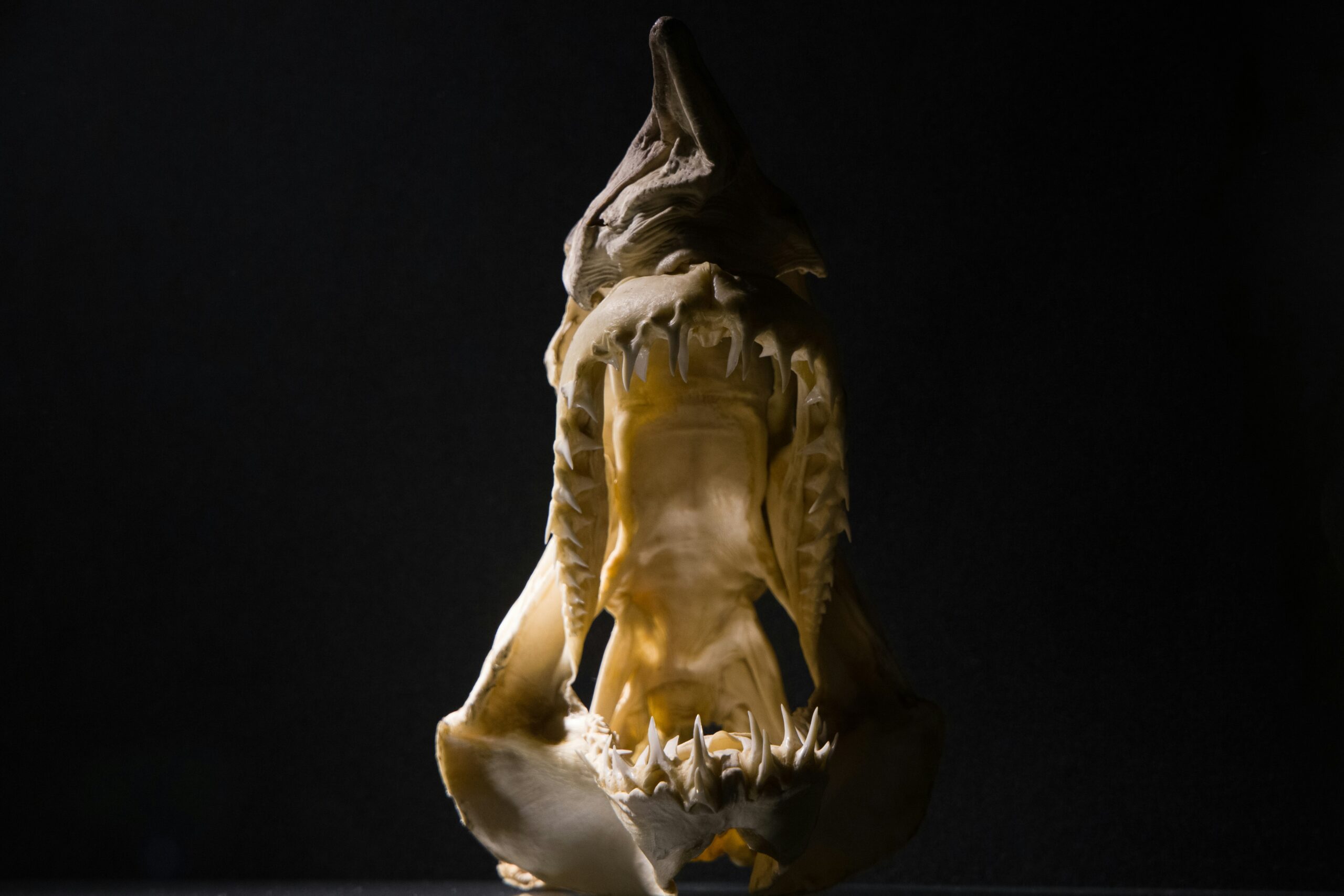
Marine Fossils Unearthed in Sahara
The vast expanse of the Sahara Desert, a landscape synonymous with endless dunes and scorching sun, holds secrets far older than its present-day arid moniker suggests. For millennia, it has been a silent witness to dramatic geological transformations, and recent discoveries are once again bringing these ancient epochs to light. In a remarkable testament to Earth’s ever-shifting nature, scientists have unearthed a trove of marine fossils within the very heart of this parched desert, rewriting our understanding of the region’s prehistoric past and the immense power of oceanic currents.
The Sahara, today one of the world’s largest hot deserts, was not always a barren wasteland. Geologists and paleontologists have long known that during certain periods in Earth’s history, significant portions of what is now desert were submerged beneath vast oceans. These ancient seas, known as Tethys Sea and Paratethys Sea, once covered much of North Africa and the Middle East. The discovery of marine fossils in these desolate locales serves as tangible proof of these forgotten aquatic realms, offering invaluable insights into the biodiversity and environmental conditions that prevailed millions of years ago. These finds are not merely academic curiosities; they are windows into a world vastly different from our own, a world where colossal marine creatures roamed and where the very ground beneath our feet was once the ocean floor.
The presence of marine fossils in the Sahara is profoundly significant for several reasons, extending beyond mere geological curiosity. These unearthed relics provide irrefutable evidence of a dramatically different past, a past where life thrived in abundance beneath the waves. They challenge our preconceived notions of the desert, forcing us to confront the dynamic and transformative nature of our planet over geological timescales. Each fossil, meticulously preserved in rock, tells a story of a world long gone, offering clues to ancient climates, ecosystems, and the evolutionary pathways of life.
Unveiling the Tethys Sea and Paratethys Sea
The primary geological context for these discoveries lies in the ancient marine environments that once dominated the region. The Tethys Sea, a vast ocean that existed from the late Paleozoic to the Cenozoic eras, played a crucial role in shaping the African and Eurasian continents. Its presence meant that vast swathes of what is now North Africa were underwater. Later, the Paratethys Sea, a large, shallow epicontinental sea that stretched across Eurasia during the Neogene period, also contributed to the marine deposition in the region. The fossils found are direct remnants of the life that inhabited these extensive bodies of water.
The Geological Eras of Marine Dominance
- Paleozoic Era (541 to 252 million years ago): While much of the Sahara’s fossil record predates this era, the foundations for later marine incursions were being laid. Primitive marine life forms were abundant in oceans across the globe.
- Mesozoic Era (252 to 66 million years ago): This era, often called the “Age of Reptiles,” saw the Tethys Sea at its most extensive, covering large parts of North Africa. Dinosaurs, though terrestrial, shared the planet with a diverse array of marine reptiles and invertebrates.
- Cenozoic Era (66 million years ago to present): This era, the “Age of Mammals,” also witnessed significant marine activity in the region. The Paratethys Sea, in particular, left a substantial fossil record. The eventual retreat of these seas and the uplift of landmasses led to the desertification process.
A Window into Ancient Biodiversity
The types of marine fossils unearthed are key to understanding the ancient biodiversity of these lost seas. They range from microscopic plankton to colossal marine reptiles and invertebrates, painting a vivid picture of a thriving and complex ecosystem. The sheer abundance and variety of these fossils underscore the richness of life that once existed in these now-arid lands. Studying these remains allows scientists to reconstruct ancient food webs, understand species interactions, and trace the evolutionary history of marine life.
Key Fossil Discoveries
- Bivalves and Gastropods: The shells of these mollusks are often found in great numbers, indicating periods of shallow, relatively calm waters. Their diversity can reveal information about salinity and water depth.
- Ammonites: These extinct marine cephalopods, characterized by their coiled shells, are particularly common and often serve as excellent index fossils, helping to date rock layers. Their presence signifies a significant marine presence.
- Fishes: Fossilized fish remains, from scales to complete skeletons, provide evidence of the vertebrate life that inhabited these waters.
- Marine Reptiles: Discoveries of fossilized marine reptiles, such as mosasaurs and plesiosaurs, are particularly exciting, indicating the presence of large predators in these ancient seas.
- Foraminifera and Ostracods: These microscopic, single-celled organisms are invaluable for paleoenvironmental reconstructions. Their presence and types can indicate water temperature, salinity, and nutrient levels.
Evidence of Climate Change and Continental Drift
The marine fossils unearthed in the Sahara are not just about ancient oceans; they are also powerful indicators of past climate change and continental drift. The fact that these fossils are found in a desert today is a stark reminder that Earth’s climate is not static. The presence of marine life in what is now an arid region points to periods of much wetter and warmer conditions, or significant shifts in sea levels due to tectonic activity. The distribution of these fossils also helps scientists understand the movement of tectonic plates over millions of years.
Understanding Paleoclimates
- Oceanic Influence: The widespread marine fossils suggest that the Sahara was once a temperate or even tropical marine environment, far removed from its current hyper-arid state.
- Sea Level Fluctuations: The varied types of marine deposits and fossil assemblages can indicate periods of rising and falling sea levels, influenced by global ice ages and tectonic uplift.
- Atmospheric Conditions: The composition of fossilized marine organisms can provide clues about past atmospheric conditions, such as oxygen levels and carbon dioxide concentrations.
Recent discoveries of marine fossils in the Sahara Desert have shed light on the region’s ancient history when it was once submerged under a vast ocean. These findings not only provide insights into the types of marine life that thrived in this area millions of years ago but also help scientists understand the climatic changes that transformed the Sahara into the arid landscape we see today. For a deeper exploration of how ancient civilizations adapted to changing environments, you can read the article on surviving drought and life in ancient cities at this link.
The Discovery Process: Unearthing the Ocean’s Remnants
The process of unearthing marine fossils in the Sahara is a painstaking and often arduous undertaking. It requires a deep understanding of geology, paleontology, and the unique challenges posed by the desert environment. These discoveries are the result of dedicated scientific exploration, often involving extensive fieldwork, sophisticated analytical techniques, and collaboration across international borders.
Fieldwork in the Desert: Challenges and Triumphs
Venturing into the Sahara for paleontological research presents a unique set of challenges. Extreme temperatures, vast distances, limited infrastructure, and the ever-shifting sands demand careful planning, specialized equipment, and a high degree of resilience from the research teams. Yet, it is precisely in these remote and seemingly barren landscapes that some of the most significant discoveries are made.
Navigating the Arid Landscape
- Logistics and Supplies: Researchers must carefully plan for water, food, fuel, and shelter, often operating far from any established settlements.
- Protection from the Elements: Extreme heat, sandstorms, and intense solar radiation necessitate specialized gear and adherence to safety protocols.
- Transportation: All-terrain vehicles and a robust understanding of navigation are crucial for traversing the vast and often featureless desert terrain.
Geological Surveys and Fossil Identification
Before any digging begins, extensive geological surveys are conducted to identify promising fossil-bearing rock formations. Once potential sites are identified, paleontologists meticulously excavate, document, and collect the fossils, often using delicate tools to preserve fragile specimens.
The Art and Science of Excavation
- Stratigraphic Analysis: Understanding the layers of rock (strata) is fundamental to dating and contextualizing the fossils found within them.
- Systematic Excavation: Fossils are typically exposed and removed layer by layer, with detailed notes and photographs taken at each stage to record their precise location and orientation.
- Field Preservation: Many fossils require immediate stabilization and protection from the elements before they can be transported to a laboratory for further study.
Modern Technology in Paleontological Research
In recent years, modern technology has played an increasingly vital role in the discovery and analysis of Sahara’s marine fossils. Remote sensing, satellite imagery, and advanced imaging techniques are helping scientists to identify promising fossil sites and to study the collected specimens in unprecedented detail.
Tools of the Trade
- GPS and Satellite Imagery: These technologies aid in navigation, mapping of fossil sites, and identifying geological formations of interest from afar.
- Ground-Penetrating Radar (GPR): GPR can be used to detect subsurface geological structures and potential fossil beds without extensive excavation.
- 3D Scanning and Printing: High-resolution 3D scanning allows for detailed digital models of fossils, facilitating study and sharing without damaging the original specimens. 3D printing can also be used to create replicas for educational purposes or to reconstruct missing parts of a fossil.
Key Fossil Discoveries and Their Implications
The Sahara has yielded a remarkable array of marine fossils, each offering unique insights into prehistoric life and environments. These discoveries are not isolated events but contribute to a larger scientific narrative, piecing together the complex history of our planet.
The Giants of the Ancient Seas: Cetacean and Plesiosaur Remains
The discovery of fossilized remains of large marine creatures, such as whales and plesiosaurs, in the Sahara is particularly awe-inspiring. These finds provide tangible evidence of the immense scale and diversity of life that once inhabited these waters.
Tales from the Deep
- Early Whales: The discovery of fossilized whale ancestors in North Africa is crucial for understanding the evolution of cetaceans from land mammals to fully aquatic beings. These fossils can reveal transitional forms and provide evidence for the timing of key evolutionary adaptations.
- Plesiosaur Fossils: Finds of plesiosaurs, long-necked marine reptiles that dominated the oceans during the Mesozoic Era, paint a picture of a vibrant, predator-rich marine ecosystem. Their presence indicates connection to open oceans.
Molluscan Marvels: Insights from Shells and Skeletons
The sheer abundance of fossilized mollusk shells, including bivalves and gastropods, offers a different but equally valuable perspective. These fossils are often found in vast, concentrated deposits, suggesting specific environmental conditions prevailed for extended periods.
Reading the Shells of Time
- Shallow Marine Environments: The prevalence of many bivalve species indicates periods of shallow, well-lit waters, ideal for filter feeders.
- Salinity and Temperature Indicators: Different species of mollusks have specific environmental tolerances, allowing scientists to infer past salinity levels and water temperatures.
- Paleoecological Reconstruction: The arrangement and types of mollusk shells can reveal information about the seafloor substrate and the overall health of the ancient marine ecosystem.
Microscopic Worlds: The Importance of Foraminifera and Ostracods
While perhaps less visually dramatic, the fossilized remains of microscopic organisms like foraminifera and ostracods are indispensable for detailed scientific analysis. These tiny creatures are abundant in marine sediments and their shells provide a wealth of information about past oceanic conditions.
Tiny Organisms, Big Discoveries
- Climate Proxies: The isotopic composition of foraminifera shells can be used to reconstruct past ocean temperatures and the carbon cycle.
- Dating of Sedimentary Layers: Specific species of foraminifera and ostracods are known to have existed during particular geological time frames, making them excellent index fossils for dating rock strata.
- Understanding Ocean Chemistry: The diversity and types of ostracods can provide insights into past oxygen levels, pH, and the overall chemical composition of the ancient seas.
Reconstructing the Past: What the Fossils Tell Us

The marine fossils unearthed in the Sahara are not just ancient relics; they are crucial pieces of a vast puzzle, allowing scientists to reconstruct the prehistoric environment, climate, and life of the region. The story they tell is one of dramatic change, a testament to Earth’s dynamic geological history.
The Sahara as a Prehistoric Ocean Bed
The most striking implication of these discoveries is the realization that much of the Sahara was once submerged beneath vast oceans. The fossil record provides irrefutable evidence of this transformation, painting a vivid picture of a drastically different Sahara.
From Seas to Sands
- Tectonic Uplift and Sea Level Fall: The gradual process of continental drift, plate tectonics, and changes in global sea levels led to the retreat of the ancient seas.
- Desertification Processes: As the land emerged, climate patterns shifted, and the arid conditions that define the Sahara today gradually took hold, burying the marine sediments and their fossilized inhabitants.
- The Role of Erosion: Over millions of years, wind and water erosion have sculpted the landscape, exposing ancient rock layers and the fossils they contain.
Understanding Ancient Climates and Ecosystems
The fossils offer invaluable data for understanding the paleoclimates and ecosystems that existed in the Sahara millions of years ago. They provide direct evidence of conditions that supported thriving marine life, a stark contrast to the present-day environment.
Environmental Reconstruction
- Temperate and Tropical Waters: The types of marine organisms found suggest that these ancient seas were likely temperate to tropical, supporting a rich diversity of life.
- Nutrient-Rich Environments: The abundance of certain fossil types can indicate periods of high nutrient availability, supporting productive marine ecosystems.
- Connectivity with Global Oceans: The presence of species that were widespread in other ancient oceans suggests that these Saharan seas were well-connected to the global ocean system.
The Evolutionary Journey of Life
The Sahara’s marine fossils also contribute significantly to our understanding of the evolutionary journey of life on Earth. They provide snapshots of ancient biodiversity and can shed light on the adaptations and evolutionary pressures faced by different species over vast timescales.
Tracing Evolutionary Pathways
- Transitional Forms: Discoveries of fossilized organisms that exhibit characteristics of both ancestral and descendant groups can provide crucial evidence for evolutionary transitions.
- Biodiversity Patterns: The study of fossil assemblages helps scientists understand how biodiversity has changed over geological time, including periods of diversification and extinction.
- Biogeography: The distribution of specific fossil species across different regions helps in understanding ancient land bridges, ocean currents, and the dispersal of life forms.
Recent discoveries of marine fossils in the Sahara have shed light on the region’s ancient aquatic ecosystems, revealing a time when this vast desert was once submerged under water. These findings not only enhance our understanding of the geological history of the Sahara but also provide insights into the evolution of marine life. For a deeper exploration of how such discoveries can impact our understanding of Earth’s history, you can read more in this article about the role of artificial intelligence in various fields, including the analysis of geological data, at this link.
The Future of Sahara Paleontology: New Frontiers and Ongoing Research
| Location | Type of Fossils | Age |
|---|---|---|
| Sahara Desert | Marine reptile fossils | 150 million years old |
| Sahara Desert | Marine invertebrate fossils | 400 million years old |
The Sahara continues to be a fertile ground for paleontological discovery. As technology advances and researchers refine their techniques, new frontiers are opening up, promising further revelations about Earth’s ancient past. The ongoing research in this region is crucial for a comprehensive understanding of our planet’s history.
Expanding the Search: New Regions and Techniques
While certain areas of the Sahara are well-studied, vast regions remain largely unexplored. The application of new technologies and innovative fieldwork strategies is expected to unlock further fossil treasures.
Emerging Areas of Study
- Remote Sensing and AI: The use of artificial intelligence to analyze satellite imagery can help identify promising geological formations for fossil exploration in previously inaccessible areas.
- New Excavation Methods: Development of less invasive and more efficient excavation techniques can help preserve delicate fossil sites and increase the rate of discovery.
- Interdisciplinary Collaboration: Increased collaboration between geologists, paleontologists, climatologists, and other specialists will provide a more holistic understanding of the ancient Saharan environments.
The Global Significance of Saharan Discoveries
The marine fossils unearthed in the Sahara are not just of regional importance; they have global significance. They contribute to a broader understanding of Earth’s history, the evolution of life, and the processes that have shaped our planet. These discoveries underscore the interconnectedness of Earth’s systems over geological time.
Connecting the Dots
- Global Climate Models: Data from Saharan fossils can be integrated into global climate models to better understand past climate fluctuations and to refine predictions for future climate change.
- Evolutionary Databases: The wealth of fossil data from the Sahara enriches global databases of evolutionary history, providing a more complete picture of life’s development.
- Understanding Mass Extinctions: Studying the fossil record of periods of marine dominance and subsequent retreat in the Sahara can offer insights into the causes and consequences of past mass extinction events.
The Importance of Preservation and Education
As more discoveries are made, the importance of preserving these precious fossil sites and educating the public about their significance becomes paramount. Protecting these ancient windows into the past ensures that future generations can continue to learn from them.
Safeguarding Our Heritage
- Conservation Efforts: Implementing robust conservation strategies to protect fossil sites from damage due to human activity, natural erosion, and looting is essential.
- Public Outreach and Education: Developing engaging educational programs and exhibitions that highlight the wonders of Saharan paleontology can inspire curiosity and foster a greater appreciation for science.
- International Cooperation: Fostering international collaboration in research, preservation, and educational initiatives ensures that these invaluable discoveries benefit humanity as a whole.
The Sahara Desert, often perceived as a static and unchanging landscape, is in reality a dynamic record of Earth’s dramatic transformations. The marine fossils unearthed within its sands are not just remnants of a bygone era; they are powerful testaments to the planet’s fluid history, reminding us that even the most desolate landscapes can hold the most profound secrets of life and change. Each discovery is a step closer to understanding our planet’s incredible journey and our place within it.

They Found a Shark Graveyard in the Egyptian Desert
FAQs
What are marine fossils?
Marine fossils are the preserved remains or impressions of organisms that lived in the sea. These can include shells, bones, teeth, and other hard parts of marine animals.
How did marine fossils end up in the Sahara?
The presence of marine fossils in the Sahara can be attributed to the geological history of the region. Millions of years ago, the Sahara was covered by a vast sea, and over time, the sea retreated, leaving behind marine fossils in what is now a desert.
What do marine fossils found in the Sahara tell us about the region’s history?
The discovery of marine fossils in the Sahara provides evidence of the region’s ancient marine environment. It indicates that the Sahara was once submerged under water and has undergone significant geological changes over millions of years.
What types of marine fossils have been found in the Sahara?
Marine fossils found in the Sahara include a wide variety of organisms such as ammonites, trilobites, brachiopods, and other marine invertebrates. These fossils offer valuable insights into the diversity of marine life that existed in the region during ancient times.
Why are marine fossils in the Sahara important for scientific research?
The presence of marine fossils in the Sahara provides scientists with valuable information about the evolution of marine life, the geological history of the region, and the environmental changes that have occurred over time. Studying these fossils can help researchers better understand the Earth’s past and its natural processes.