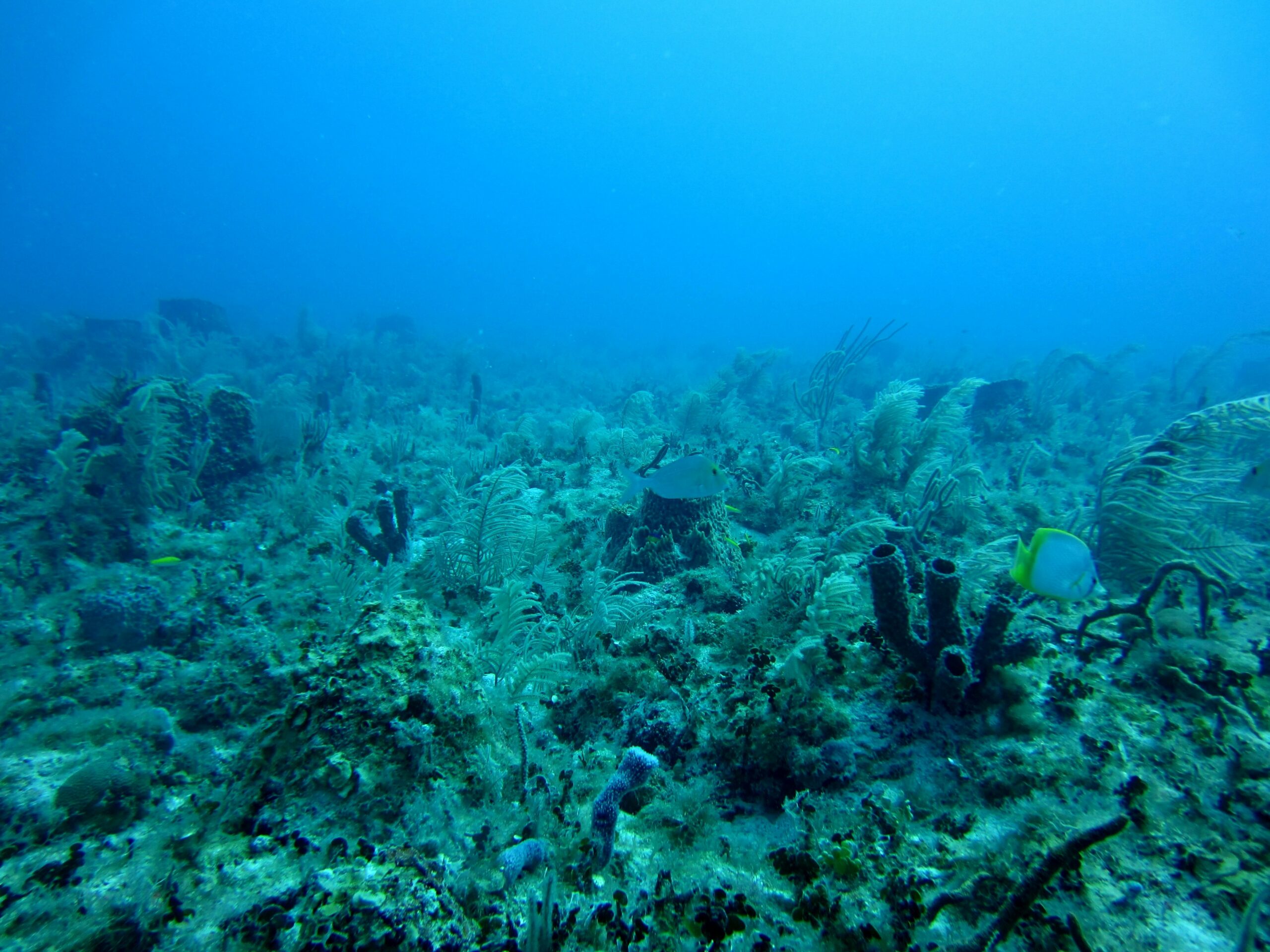
The shimmering heat of the desert sun beat down relentlessly, a familiar adversary to the geologists and paleontologists who traversed its arid expanse. Yet, beneath the parched sands and weathered rock formations of this seemingly desolate region, a profound and ancient secret lay hidden. It was a secret whispered not by the wind, but by the very earth itself – the fossilized remnants of a vibrant marine ecosystem, a lost ocean that once dominated this now-arid landscape. The journey to uncover this submerged past was not a swift one; it was a painstaking process of deduction, excavation, and interpretation, a testament to human curiosity and the enduring power of geological memory.
The initial clues were subtle, easily dismissed by the untrained eye. Scattered across the desert floor were peculiar stones, their surfaces etched with swirling patterns that defied the typical erosion of wind and rain. These were not ordinary rocks; they were the fossilized shells of marine organisms, the silent witnesses to a time when this land was submerged beneath a vast, ancient sea. Geologists, accustomed to interpreting the story told by rock strata, began to notice unusual sedimentary layers. These layers, distinct from the surrounding terrestrial deposits, exhibited characteristics indicative of deposition in a marine environment. The presence of specific minerals, the texture of the sand grains, and the overall stratification all pointed to a watery origin, a stark contrast to the arid present.
Microscopic Clues: The Unseen Architects of the Past
The true revelation often began at a microscopic level. Samples collected from these peculiar rock formations, when examined under a microscope, revealed an astonishing abundance of fossilized microorganisms. Diatoms, with their intricate silica shells, and foraminifera, single-celled organisms with complex calcareous tests, formed dense layers, a testament to prolific life in the ancient waters. These microscopic fossils acted as tiny time capsules, their species composition and morphology providing invaluable insights into the environmental conditions of the ancient sea. Variations in their skeletal structures could indicate changes in salinity, temperature, and nutrient availability, painting a detailed picture of the ecosystem they once inhabited.
Macroscopic Manifestations: The Giants of the Deep
Beyond the microscopic realm, larger fossils began to emerge, solidifying the evidence of a past marine dominion. Fragments of coral reefs, now turned to stone, spoke of vibrant underwater gardens teeming with life. These calcified structures, once a riot of color and form, were found embedded within the sedimentary layers, their intricate branching patterns a clear indicator of a long-lost marine environment. The discovery of fossilized ammonites, coiled shells reminiscent of ancient nautiluses, provided further confirmation. These cephalopods, which thrived in Mesozoic seas, are often found in marine sedimentary rocks, and their presence in the desert was a powerful indicator of a submerged past. The sheer size and variety of these macroscopic fossils offered tangible proof of a complex and thriving marine ecosystem.
Recent studies have revealed fascinating insights about the ancient seafloor that lies beneath the vast deserts, shedding light on the geological history of our planet. This intriguing topic is explored in detail in an article discussing the militarization of the moon and its strategic advantages, which can be found at this link. The connection between ancient geological formations and current space exploration efforts highlights the importance of understanding Earth’s past as we venture into the cosmos.
The Anatomy of an Ancient Ocean: Reconstructing the Lost Sea
Understanding the nature of this ancient sea required piecing together a complex puzzle. Geologists and paleontologists had to reconstruct its physical characteristics, its boundaries, and its inhabitants, much like an archaeologist reconstructing a broken artifact. This involved a multidisciplinary approach, drawing knowledge from geology, paleontology, and even climatology to build a comprehensive picture of the lost marine world.
Geographical Boundaries: Where Did the Water End?
Determining the geographical extent of this ancient sea was a critical step. By mapping the distribution of marine fossils and characteristic sedimentary deposits, researchers could delineate the ancient shorelines. Areas exhibiting a consistent presence of marine indicators were extrapolated to represent the seafloor, while adjacent terrestrial formations marked the landmasses that bordered this ancient ocean. This allowed for the creation of paleogeographical maps, illustrating the configuration of continents and oceans millions of years ago, revealing how dramatically the landscape has transformed.
Bathymetry and Water Depth: How Deep Was the Ocean?
The depth of the ancient sea was inferred through various geological and paleontological proxies. The types of marine organisms found provided significant clues. For instance, the presence of organisms adapted to shallow, sunlit waters, such as corals and certain types of algae, indicated shallower regions. Conversely, the discovery of deep-sea organisms, or sediments indicative of low-oxygen environments, suggested deeper abyssal plains. Furthermore, the sedimentary structures themselves, such as the thickness and type of deposited materials, could offer insights into the energy of the water currents and, by extension, the depth.
Salinity and Temperature: The Ocean’s Climate
The chemical composition of fossilized shells and the types of microorganisms present offered clues about the salinity and temperature of the ancient seawater. Analysis of isotopic ratios within the calcium carbonate of shells could reveal past water temperatures. Certain species of foraminifera and ostracods are highly sensitive to salinity levels, and their presence or absence in specific strata provided data points for reconstructing the ocean’s saltiness over time. These findings were crucial in understanding the overall habitability and ecosystem dynamics of the lost sea.
Life Beneath the Waves: The Biodiversity of a Fossilized Realm

The discovery of fossils was not merely about identifying rock types; it was about unearthing the remnants of a vibrant and diverse array of life forms that once called this submerged landscape home. Each fossil was a story, a snapshot of an organism thriving in an environment that bore little resemblance to the desert of today. The sheer volume and variety of fossilized organisms painted a picture of an ecosystem far removed from the barren plains.
The World of Invertebrates: The Dominant Inhabitants
The most commonly found fossils in these ancient seafloor deposits were those of invertebrates. Trilobites, ancient arthropods with segmented bodies, were a common sight, their perfectly preserved exoskeletons a testament to their abundance in the Paleozoic seas. Brachiopods, marine bivalves that resemble clams but belong to a different phylum, were found in vast numbers, forming dense beds in some locations. The presence of various species of mollusks, including gastropods (snails) and bivalves (clams and oysters), further underscored the richness of the invertebrate fauna.
The Reign of Cephalopods: Masters of the Ancient Seas
Ammonites, with their iconic coiled shells, were particularly significant finds. These highly successful cephalopods dominated marine ecosystems for hundreds of millions of years, and their fossilized remains are often key index fossils for dating rock formations. Their diverse shapes and ornamentation, from tightly coiled spirals to more elaborate, open forms, reflected their evolutionary adaptations. Belemnites, another group of cephalopods with internal, bullet-shaped shells, were also frequently discovered, adding to the narrative of a dynamic cephalopod population.
Glimpses of Vertebrate Life: The Rarer, Yet Significant, Discoveries
While invertebrates dominated the fossil record, occasional discoveries hinted at the presence of vertebrate life in these ancient seas. Fossilized fish scales, teeth, and even partial skeletal remains provided tantalizing glimpses of the larger fauna that inhabited these waters. The identification of specific fish species could offer insights into the trophic levels and food webs of the ancient ecosystem. These vertebrate fossils, though rarer, were highly prized, as they provided crucial information about the apex predators and other larger animals that populated the ancient ocean.
The Geological Sculptors: The Forces That Shaped the Seabed

The transformation of a vibrant marine environment into a barren desert is a testament to the immense power of geological forces over vast timescales. The forces that sculpted this ancient seabed and eventually erased the ocean were not sudden, cataclysmic events, but rather slow, inexorably powerful processes of tectonic movement and climatic shifts. Understanding these forces is key to comprehending how such a dramatic environmental transformation could occur.
Plate Tectonics: The Drifting Continents
The primary architect of this dramatic landscape change was plate tectonics. The Earth’s crust is divided into several large plates that are constantly moving, albeit at a very slow pace. Over millions of years, these movements can cause continents to collide, rift apart, and shift their positions relative to each other. The ancient seafloor discovered beneath the desert was likely once part of a large marine basin that, due to tectonic forces, was uplifted and exposed. This uplift could have been the result of continental collisions, where the collision of two tectonic plates caused the crust to buckle and rise, transforming the seafloor into land.
Uplift and Erosion: The Emergence of Land
As tectonic plates interacted, areas of the seafloor were gradually pushed upwards, emerging from beneath the waves to become dry land. This uplift would have been a slow and incremental process, taking millions of years to manifest. Once exposed, the former seabed became subject to the forces of erosion. Wind, rain (though likely less prevalent than in the past), and temperature fluctuations began to wear away at the exposed sedimentary layers, transforming the marine landscape into the varied geological formations seen today. The once-smooth seafloor would have been sculpted into hills, valleys, and mesas by these erosional forces.
Climate Change: The Drying of the Seas
While tectonic uplift provided the initial emergence of land, changes in global climate likely played a crucial role in the eventual drying of the ancient sea. Fluctuations in global temperatures and precipitation patterns can significantly impact sea levels. Periods of glaciation, for instance, draw vast amounts of water into ice sheets, leading to a global drop in sea levels. Conversely, warmer periods can lead to melting ice and thermal expansion of seawater, causing sea levels to rise. It is likely that a combination of tectonic uplift and significant climatic shifts, perhaps prolonged periods of aridification, contributed to the eventual desiccation and disappearance of this ancient ocean.
Recent discoveries have unveiled an ancient seafloor beneath the desert, providing fascinating insights into the region’s geological history and the environmental changes that have occurred over millennia. This hidden landscape not only reveals the past but also connects to the broader themes of survival and adaptation in harsh environments. For those interested in how ancient cultures responded to challenges such as famine, a related article discusses rituals for abundance that were practiced in times of scarcity. You can read more about these intriguing traditions in the article found here.
The Modern Echoes: Lessons from the Ancient Seafloor
| Depth | Age | Composition |
|---|---|---|
| 3-5 kilometers | 100-200 million years | Basaltic rocks, sediments |
| 6-8 kilometers | 200-300 million years | Limestone, shale |
| 10-12 kilometers | 300-400 million years | Sandstone, granite |
The uncovering of this ancient seafloor beneath the desert is more than just a fascinating paleontological discovery; it offers profound insights into the dynamic nature of our planet and the interconnectedness of geological and climatic processes. The lessons learned from these submerged lands resonate with contemporary concerns about environmental change and the long-term future of our planet.
Understanding Planetary Evolution: A Window into Deep Time
The fossilized remnants of this ancient ocean provide a tangible link to Earth’s deep past, offering a window into geological epochs that are otherwise difficult to comprehend. Studying these ancient marine ecosystems helps scientists understand the processes of evolution, the rise and fall of different species, and the long-term cycles of habitability on our planet. It underscores the fact that Earth is not a static entity, but a constantly evolving system, with landscapes and environments undergoing dramatic transformations over geological timescales.
The Fragility of Ecosystems: Lessons for Today
The transformation of a lush marine environment into a barren desert serves as a stark reminder of the fragility of ecosystems. It highlights how even vast and seemingly permanent bodies of water can disappear and how landscapes can be dramatically altered by geological and climatic forces. This understanding is crucial in the face of modern environmental challenges, such as climate change and the potential for desertification in various regions. It emphasizes the importance of studying past environmental shifts to better predict and mitigate future ones.
The Power of Interdisciplinary Science: Unraveling Earth’s Mysteries
The successful uncovering of this ancient seafloor is a testament to the power of interdisciplinary science. Geologists, paleontologists, climatologists, and other specialists have worked collaboratively, pooling their expertise to reconstruct a complex and detailed picture of a lost world. Each discipline contributed a vital piece to the puzzle, demonstrating how a holistic approach is often necessary to unravel the most profound mysteries of our planet. The ongoing study of these desert seafloor remnants promises to continue yielding valuable insights, reminding us that even in the most unexpected places, the Earth holds extraordinary stories waiting to be discovered.

They Found a Shark Graveyard in the Egyptian Desert
FAQs
What is the ancient seafloor beneath the desert?
The ancient seafloor beneath the desert refers to the remnants of a prehistoric ocean that existed millions of years ago and has since been covered by layers of sediment, eventually becoming part of the desert landscape.
Where can ancient seafloor beneath the desert be found?
Ancient seafloor beneath the desert can be found in various desert regions around the world, such as the Sahara Desert in Africa, the Arabian Desert in the Middle East, and the Great Basin Desert in the United States.
How did the ancient seafloor end up beneath the desert?
The ancient seafloor ended up beneath the desert through the process of tectonic plate movement, which caused the land to shift and the ocean to recede. Over time, the exposed seafloor became covered by layers of sand and sediment, eventually forming desert terrain.
What can the study of ancient seafloor beneath the desert tell us about Earth’s history?
Studying the ancient seafloor beneath the desert can provide valuable insights into Earth’s geological history, including past climate conditions, the movement of tectonic plates, and the evolution of marine life. It can also help scientists understand how the Earth’s surface has changed over millions of years.
What are some notable features of ancient seafloor beneath the desert?
Some notable features of ancient seafloor beneath the desert include fossilized marine life, such as shells and coral, as well as unique geological formations that provide evidence of the ancient ocean that once covered the area.