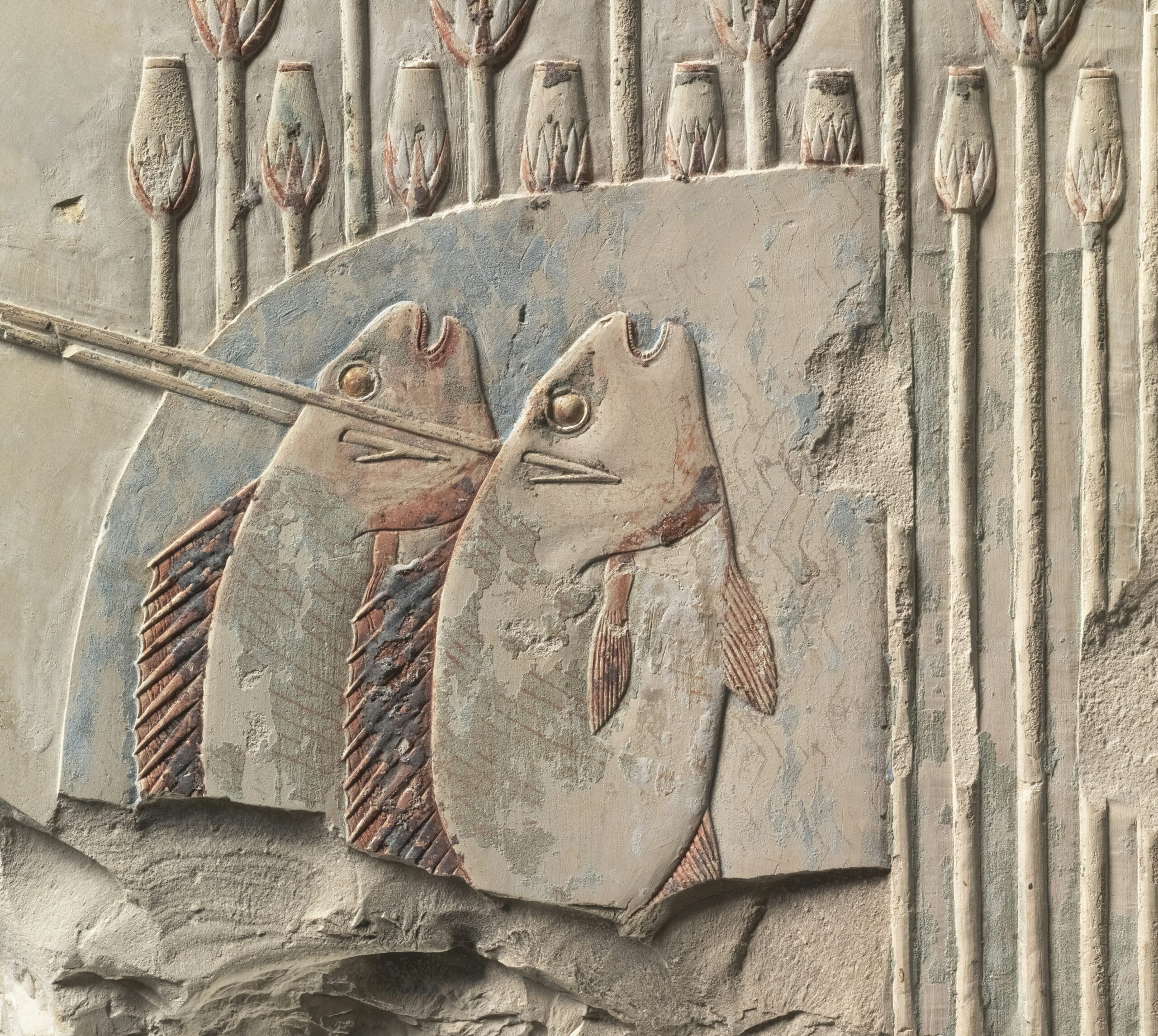
The sands of Egypt, long synonymous with colossal pyramids and pharaonic glory, hold secrets far older than any dynasty. Beneath the arid expanse, a submerged world awaits discovery, a testament to a time when Egypt was not a desert, but a vibrant marine ecosystem teeming with life. The study of Egypt’s ancient ocean fossils offers a profound glimpse into this forgotten past, revealing the evolutionary journeys of creatures that once dominated its prehistoric seas. This exploration delves into the geological history, the remarkable fossil discoveries, and the scientific insights gleaned from these ancient marine remnants, painting a picture of a dramatically different Egyptian landscape.
Egypt’s geological history is a complex tapestry woven over millions of years, a story of continental drift, shifting sea levels, and the slow, inexorable processes of sedimentation and erosion. To understand the ancient ocean fossils of Egypt, one must first appreciate the immense timescales and geological forces that shaped the land. For vast stretches of geological time, the very ground that now forms the Egyptian desert was submerged beneath shallow, warm seas. These were not the vast, open oceans of today, but rather epicontinental seas, vast bodies of water that covered large portions of continents. The prevailing geological eras that saw these marine environments flourish in what is now Egypt include the Mesozoic Era, particularly the Jurassic and Cretaceous periods, and the Cenozoic Era, including the Eocene and Oligocene epochs.
The Jurassic Seas: A Prelude to Diversity
During the Jurassic period, approximately 201 to 145 million years ago, Gondwana, the supercontinent of which Africa was a part, experienced significant rifting. This geological activity led to the formation of basins and depressions that were subsequently flooded by the Tethys Sea. This ancient sea, a precursor to the Mediterranean, stretched across much of southern Europe and North Africa. In what is now Egypt, these Jurassic seas were relatively shallow and rich in nutrients, supporting a diverse array of marine life. The fossil record from this period, though not as extensively studied or as abundant as later periods, hints at the presence of early marine reptiles, ammonites, and various invertebrates. The depositional environments were characterized by carbonate platforms and muddy bottoms, providing varied habitats for these ancient organisms. Understanding the Jurassic context is crucial as it laid the groundwork for the even more spectacular marine biodiversity that would follow.
The Cretaceous Bloom: A Flourishing Marine Realm
The Cretaceous period, from around 145 to 66 million years ago, marks a golden age for marine life in Egypt. Sea levels were generally higher globally, and the Tethys Sea expanded its reach, creating vast, shallow marine shelves across the Egyptian landscape. This was a period of explosive diversification for many marine groups. Think of a vibrant, sun-drenched ocean, teeming with life, a stark contrast to the desert we know today. The sedimentary rocks of this era, found in regions like the Western Desert and the Sinai Peninsula, are rich repositories of fossilized evidence. These rocks, often limestone and marl, were formed from the accumulation of marine organisms’ remains, providing an ideal medium for fossilization. The sheer abundance and variety of fossils from the Cretaceous are what truly ignite the imagination when considering Egypt’s ancient oceans.
The Cenozoic Currents: Reshaping the Marine World
Following the cataclysmic extinction event at the end of the Cretaceous period, marine life began to recover and diversify anew. During the Cenozoic Era, particularly the Eocene (56 to 34 million years ago) and Oligocene (34 to 23 million years ago) epochs, Egypt continued to be influenced by marine transgressions, although the configuration of the seas began to change. The Tethys Sea gradually began to recede, and the African plate continued its northward journey, setting the stage for the formation of the modern Mediterranean Sea. Despite these shifts, significant marine environments persisted, and the fossil record from this era offers crucial insights into the evolution of marine mammals and other groups as they adapted to these changing conditions. The depositional environments shifted, with periods of deeper water sedimentation interspersed with shallower, nearshore environments, each hosting its unique faunal assemblages.
The discovery of ocean fossils in Egypt can be attributed to the region’s geological history, which reveals that large portions of the land were once submerged under ancient seas. This fascinating aspect of Egypt’s past is explored in detail in a related article that discusses the broader implications of geological changes in the region. For more insights into the historical context of such findings, you can read about the urgent need for international aid in Yemen and its connection to the region’s environmental changes in this article: Yemen Crisis: The Urgent Need for International Aid.
Echoes of Giants: Remarkable Fossil Discoveries
The exploration of Egypt’s ancient ocean fossils has yielded a treasure trove of discoveries, each one a puzzle piece in understanding prehistoric life. These finds are not merely academic curiosities; they are windows into a lost world, revealing the scale, diversity, and behavior of ancient marine inhabitants. The sheer grandeur of some of these creatures, coupled with their often pristine preservation, makes these discoveries particularly awe-inspiring. The systematic excavation and study of these fossils by paleontologists have been instrumental in piecing together the evolutionary history of life in this region.
Whales of the Wadi Al-Hitan: A Cetacean Sanctuary
Perhaps the most celebrated discovery of Egypt’s ancient ocean fossils is found at Wadi Al-Hitan, the “Valley of the Whales,” a UNESCO World Heritage site in the Western Desert. This exceptionally preserved fossil site dates back to the Eocene epoch and is a veritable graveyard of early whales, known as archaeocetes. Here, thousands of fossils, including complete skeletons of primitive whales, provide an unparalleled glimpse into the transition of these land-dwelling mammals back into the ocean.
The Transitional Forms: From Land to Sea
The fossils at Wadi Al-Hitan showcase a remarkable evolutionary stage. Many of the whale skeletons discovered exhibit clear evidence of their terrestrial ancestry. For instance, the skeletons of Basilosaurus isis and Dorudon atrox are particularly significant. Basilosaurus, despite its name suggesting a reptile, was a fully aquatic whale, but its hind limbs, though greatly reduced, were still present, attached to the pelvic girdle, providing compelling evidence of its land-walking ancestors. Dorudon is another example of a fully aquatic whale from this period, with even more reduced hind limbs, showcasing the ongoing adaptation to an exclusively marine existence. The presence of these transitional fossils is a cornerstone of evolutionary biology, demonstrating the gradual nature of adaptation and speciation.
Unraveling Whale Evolution
The sheer density and diversity of whale fossils at Wadi Al-Hitan have allowed scientists to reconstruct the evolutionary pathway of cetaceans with unprecedented detail. The site has yielded fossils of several different species, representing various stages of whale evolution. By studying the skeletal anatomy, tooth morphology, and ear structures of these ancient whales, researchers have been able to trace the gradual changes that occurred as these animals adapted to life in the water, from their hind limb reduction and the development of flippers to the specialization of their skulls for hearing underwater.
The Reign of the Mosasaurs: Apex Predators of the Cretaceous
The Cretaceous period in Egypt was dominated by formidable marine reptiles, none more so than the mosasaurs. These were large, predatory lizards that ruled the ancient seas. Fossil discoveries, particularly in areas like the Kharga Oasis and parts of the Sinai, have revealed the presence of several mosasaur species, some of which were truly colossal.
Giants of the Depths: Size and Predation
Fossils of mosasaurs, such as Mosasaurus missouriensis (though discovered elsewhere, related species are found in Egypt) and other large forms, indicate animals that could reach lengths of over 15 meters. Their powerful jaws, lined with sharp teeth, and their streamlined bodies made them highly effective predators. The fossilized stomach contents of some mosasaurs have even revealed the remains of fish, ammonites, and other marine reptiles, providing direct evidence of their diet and their position at the top of the Cretaceous food chain.
Ecological Niches and Diversity
The mosasaur fossils from Egypt highlight the diversity of these predators. Different species likely occupied different ecological niches, preying on various types of organisms and inhabiting different depths within the marine environment. This diversification reflects the richness and complexity of the Cretaceous marine ecosystem in Egypt, where a variety of prey was available to support a range of specialized predators.
Ammonites and Belemnites: Windows to the Past Seas
Beyond the large vertebrates, the fossilized remains of invertebrates offer invaluable insights into the ancient marine environments. Ammonites, coiled cephalopods with chambered shells, and belemnites, which bore an internal shell similar to that of a modern cuttlefish, were incredibly abundant in Egypt’s ancient seas, particularly during the Cretaceous.
Abundant Indicators of Marine Conditions
The sheer number of ammonite and belemnite fossils found in Egyptian strata is astounding. These creatures thrived in various marine conditions, and their presence in such quantities indicates periods of stable, productive seas. Different species of ammonites and belemnites existed during specific geological time intervals, making them excellent index fossils for dating rock layers and correlating them across different locations.
Clues to Paleoecology
The shapes and structures of ammonite shells, as well as the patterns of their growth lines, can reveal information about the environmental conditions under which they lived, such as water depth, salinity, and temperature. Similarly, the fossilized ink sacs of some belemnites have even been found, offering tantalizing clues about their behavior and defense mechanisms.
Scientific Insights: Reconstructing Ancient Ecosystems
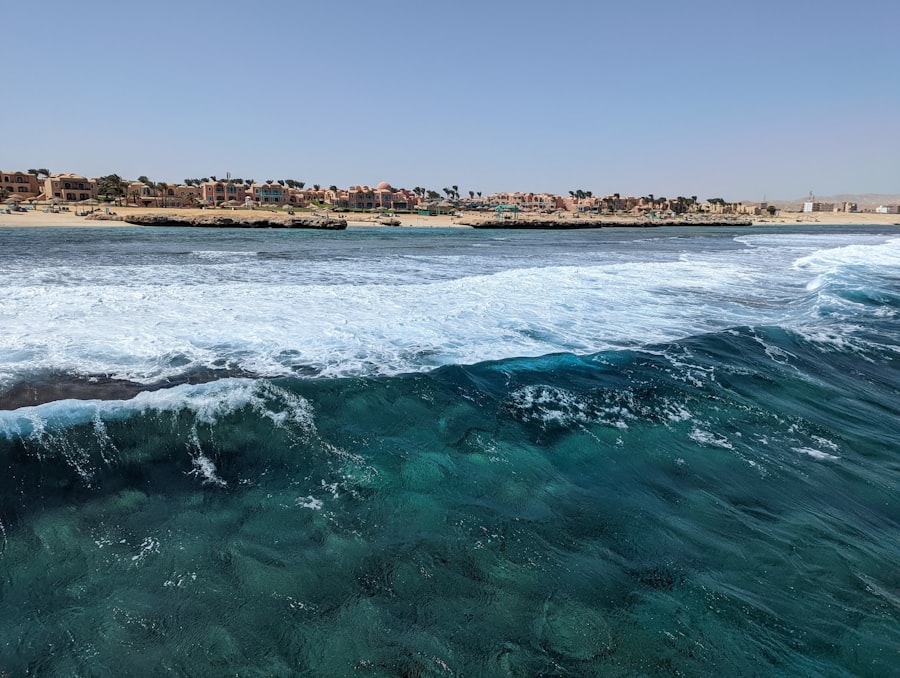
The study of Egypt’s ancient ocean fossils goes far beyond simply collecting interesting specimens. These fossils are crucial scientific tools that allow paleontologists and geologists to reconstruct ancient ecosystems, understand evolutionary processes, and even glean insights into past climate and oceanography. Each fossil unearthed contributes to a larger scientific narrative, painting a more detailed and nuanced picture of Egypt’s prehistoric marine past.
Paleoecological Reconstructions: Painting a Living Picture
By analyzing the types of fossils found together in a particular geological formation, scientists can begin to reconstruct the ancient food webs and the overall ecological structure of these vanished seas. For example, finding mosasaur fossils alongside abundant prey species like fish and ammonites clearly indicates a predator-prey relationship and highlights the mosasaur’s role as an apex predator. The presence of reef-building organisms, if found, would suggest shallow, warm, and clear waters.
Food Webs and Trophic Levels
The identification of various fossil species and their presumed diets allows for the reconstruction of food webs. This involves understanding which organisms were herbivores, which were carnivores, and where they fit into the overall trophic structure of the ancient ecosystem. The Wadi Al-Hitan site, for instance, offers a clear look at the marine food web of the Eocene, with primitive whales feeding on fish and other smaller marine animals.
Environmental Indicators
The fossil assemblages also act as natural indicators of the environmental conditions that prevailed millions of years ago. The types of marine organisms that lived in a particular area are highly dependent on factors such as water temperature, salinity, oxygen levels, and the availability of nutrients. For example, the presence of certain types of foraminifera (single-celled organisms with shells) in fossil samples can indicate whether the water was deep or shallow, warm or cold.
Evolutionary Narratives: Tracing Life’s Transformations
The most compelling scientific insights derived from these fossils lie in their ability to illuminate the processes of evolution. Egypt’s fossil record provides concrete evidence for major evolutionary transitions, such as the return of mammals to the sea and the diversification of various marine groups.
The Cetacean Journey
As mentioned earlier, Wadi Al-Hitan is a paramount site for understanding whale evolution. The fossils found there provide irrefutable evidence of the gradual evolutionary steps that led from land-dwelling ancestors to fully aquatic whales. This site has been instrumental in bridging gaps in the fossil record and solidifying our understanding of cetacean phylogeny.
Adaptation and Diversification
Beyond whales, the study of various fossil groups from Egypt, such as sharks, fish, and invertebrates, reveals patterns of adaptation to changing marine environments and the diversification of species over time. The emergence of new species, the extinction of others, and the ways in which organisms adapted to different ecological pressures are all themes that can be explored through the fossil record.
Paleoceanographic Studies: Understanding Ancient Oceans
The sedimentary rocks that contain these fossils, along with the fossils themselves, provide a wealth of information about the paleoceanography of Egypt’s ancient seas. Scientists can study the composition of the rocks, the chemical signatures within the fossils, and the types of organisms present to infer characteristics of the ancient oceans.
Sea Level Fluctuations and Ocean Chemistry
The stratigraphy of fossil-bearing rock layers can reveal evidence of past sea-level changes. Cycles of marine transgression (sea level rise) and regression (sea level fall) are recorded in the rock record, influencing the types of marine environments that existed. Furthermore, the isotopic composition of fossil shells can provide clues about past ocean temperatures and salinity.
Oceanic Circulation and Climate
While more challenging to infer directly from fossils alone, the distribution of certain fossil species and the types of sedimentary deposits can sometimes offer hints about ancient oceanic circulation patterns and the overall climate of the region. The presence of specific types of marine life that thrive in certain temperature ranges can help to reconstruct past climate conditions.
Methods and Technologies: Unearthing the Past
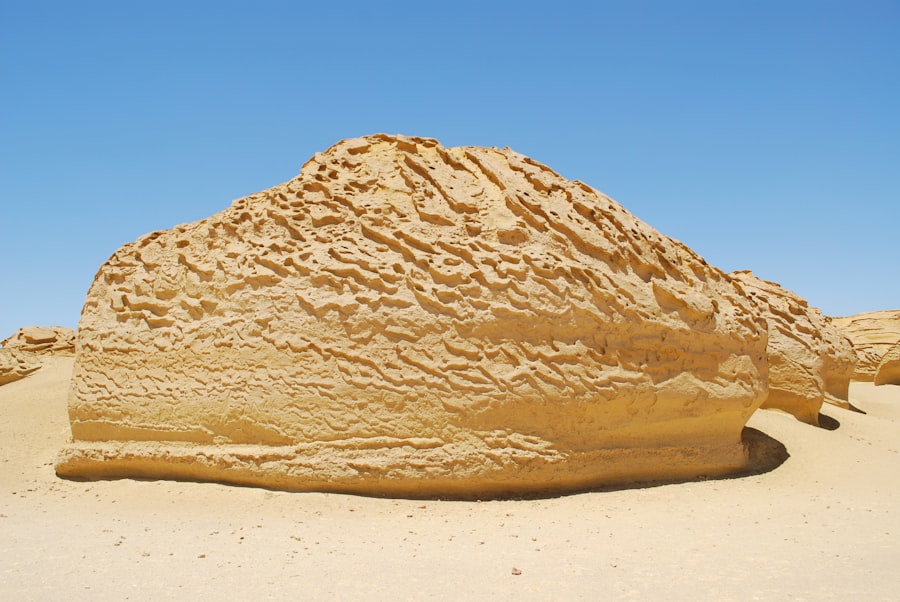
The meticulous process of uncovering and studying ancient ocean fossils requires a combination of careful fieldwork, advanced laboratory techniques, and cutting-edge analytical technologies. These methods ensure that the delicate remnants of prehistoric life are preserved and that the maximum amount of scientific information is extracted from them. The field of paleontology is constantly evolving, with new technologies offering ever-deeper insights.
Fieldwork and Excavation: The Art of Discovery
The initial stage of uncovering ancient ocean fossils is rooted in careful geological surveying and paleontological fieldwork. This involves identifying promising rock formations, meticulously excavating fossiliferous sites, and carefully extracting specimens.
Geological Surveying and Site Selection
Paleontologists work closely with geologists to identify areas where ancient marine sediments are exposed at the surface. This often involves examining geological maps and conducting field reconnaissance to locate promising outcrops of sedimentary rocks from the relevant geological periods.
Excavation Techniques
Once a fossil-rich site is identified, the excavation process begins. This is a delicate and time-consuming endeavor. Fossils are often embedded in hard rock, and their removal requires specialized tools such as chisels, hammers, brushes, and even dental picks. The goal is to free the fossil without damaging it. Large fossils may require the use of jackhammers and cranes, with meticulous attention paid to stabilizing the surrounding rock.
Field Preservation and Documentation
During excavation, it is crucial to preserve the fossils in their original context and to meticulously document their location and orientation. This is done through detailed note-taking, photography, and the creation of three-dimensional maps of the excavation site. Fossils are often encased in plaster jackets for transport to the laboratory, protecting them from damage.
Laboratory Analysis: From Rock to Revelation
Once fossils are brought back to the laboratory, a new phase of detailed analysis begins. This involves cleaning, preparation, and various scientific examinations.
Fossil Preparation and Cleaning
Laboratory preparation is a painstaking process of removing any remaining matrix material from the fossil. This can involve using fine brushes, air scribes, and even chemical treatments to gently clean the fossil surface. The goal is to reveal the intricate details of the fossil without causing any damage.
Comparative Anatomy and Morphological Studies
Once a fossil is prepared, it is subjected to detailed morphological study. This involves comparing its anatomical features to those of known species, both living and extinct. This comparative approach is fundamental to identifying the fossil and understanding its evolutionary relationships.
Microscopy and Imaging Techniques
Modern paleontological research heavily relies on microscopy and advanced imaging techniques. Scanning Electron Microscopy (SEM) allows for the examination of fossil surfaces at very high magnifications, revealing fine details of microstructures. Micro-CT scanning and X-ray imaging can create three-dimensional models of fossils, allowing researchers to study their internal anatomy without physically dissecting them.
Dating Methods: Placing Fossils in Time
Accurately dating the fossils is crucial for understanding their place in evolutionary history and for reconstructing past environments. A variety of dating methods are employed.
Stratigraphy and Biostratigraphy
The principles of stratigraphy, the study of rock layers, are fundamental. Fossils are often found within distinct layers of sedimentary rock, and the relative age of these layers can be determined by their position in the stratigraphic column. Biostratigraphy utilizes the known time ranges of specific fossil species as markers to date rock layers.
Radiometric Dating
For obtaining absolute ages, radiometric dating techniques are employed. These methods rely on the decay of radioactive isotopes. While not always directly applicable to the fossils themselves, radiometric dating of associated volcanic rocks or minerals within the sedimentary layers can provide precise age estimates for the geological formations containing the fossils.
The discovery of ocean fossils in Egypt can be attributed to the region’s geological history, which reveals that much of the area was once submerged under ancient seas. This fascinating transformation over millions of years has left behind a rich tapestry of marine life, preserved in the form of fossils. For a deeper understanding of how geological processes shape our planet, you might find it interesting to explore the related article about the militarization of the moon’s south pole, which discusses the broader implications of geological changes in different environments. You can read more about it here.
The Significance of Egypt’s Ancient Ocean Fossils
| Reasons for Ocean Fossils in Egypt |
|---|
| 1. Geological History |
| 2. Tectonic Activity |
| 3. Ancient Sea Levels |
| 4. Fossilization Processes |
| 5. Archaeological Discoveries |
The ongoing exploration of Egypt’s ancient ocean fossils is not merely a scientific endeavor; it carries profound significance for our understanding of Earth’s history, the evolution of life, and our place within it. These discoveries contribute to a global scientific narrative, but they also hold a unique importance for Egypt itself, connecting the nation to a deep and ancient heritage that predates human civilization.
Contributing to Global Paleontology
Egypt’s fossil discoveries enrich the global paleontological record, filling in crucial gaps in our knowledge of evolutionary history. The unique geological and environmental conditions of ancient Egypt meant that its marine ecosystems developed distinct lineages and showcased specific evolutionary adaptations. The findings from sites like Wadi Al-Hitan have had a global impact on our understanding of whale evolution, providing indisputable evidence for key transitional phases. Similarly, the diverse marine reptile fossils contribute to our understanding of Cretaceous marine ecosystems worldwide.
Understanding Earth’s Dynamic Past
The study of these fossils allows us to comprehend the dramatic transformations our planet has undergone. The fact that the arid landscapes of Egypt were once covered by vast, vibrant oceans is a powerful reminder of Earth’s dynamic nature. It highlights how geological forces and climate change have continuously reshaped the planet over eons, influencing the evolution and distribution of life. These insights are invaluable for understanding current environmental changes and predicting future scenarios.
A Legacy for Future Generations
The preservation and study of Egypt’s ancient ocean fossils represent a significant cultural and scientific legacy. These discoveries offer an unparalleled educational resource, inspiring future generations of scientists, geologists, and paleontologists. By understanding the deep history of life on Earth, humanity can gain a greater appreciation for the interconnectedness of all living things and the importance of conservation efforts.
Promoting Scientific Tourism and Research
Sites like Wadi Al-Hitan are increasingly becoming destinations for scientific tourism, drawing researchers and enthusiasts from around the globe. This not only promotes scientific collaboration but also contributes to the local economy. The continued exploration and research into Egypt’s fossil heritage foster a vibrant scientific community and attract international investment in scientific endeavors within the country. Ultimately, Egypt’s ancient ocean fossils are not just remnants of a bygone era; they are living testaments to the enduring power of evolution and the deep, rich history of our planet.

They Found a Shark Graveyard in the Egyptian Desert
FAQs
1. What are ocean fossils?
Ocean fossils are the remains or impressions of organisms that lived in the ocean, such as shells, corals, and skeletal remains of marine animals.
2. Why are ocean fossils found in Egypt?
Ocean fossils are found in Egypt because millions of years ago, Egypt was covered by a shallow sea called the Tethys Sea. The sea was home to a diverse range of marine life, and as a result, fossils from this ancient ocean can be found in Egypt today.
3. What types of ocean fossils are commonly found in Egypt?
Common ocean fossils found in Egypt include ammonites, trilobites, brachiopods, and various types of marine shells. These fossils provide valuable insights into the ancient marine ecosystems that once existed in the region.
4. Where in Egypt are ocean fossils typically found?
Ocean fossils are typically found in the desert regions of Egypt, particularly in areas where ancient seabeds were once located. Fossil hunting sites are often located near the Red Sea and the Western Desert.
5. What do ocean fossils found in Egypt tell us about the region’s geological history?
The presence of ocean fossils in Egypt provides evidence of the region’s geological history, including the ancient seas that once covered the area. By studying these fossils, scientists can reconstruct the environmental conditions and ecosystems that existed in Egypt millions of years ago.