“Unearthing Cahokia: A History Documentary” plunges viewers into the heart of a lost American metropolis, a civilization that thrived centuries before European arrival and has long been shrouded in mystery. This compelling documentary embarks on a meticulous excavation, not just of the earth, but of the prevailing narratives surrounding Indigenous American history. Through vivid reenactments, expert interviews, and cutting-edge archaeological discoveries, the film reconstructs the vibrant life, complex society, and ultimate demise of Cahokia, a city that once rivaled London in population and sophistication. It challenges simplistic notions of the pre-Columbian Americas, revealing a world of advanced urban planning, intricate social structures, and profound spiritual beliefs.
The Shadow of the Past: Introducing Cahokia’s Enduring Enigma
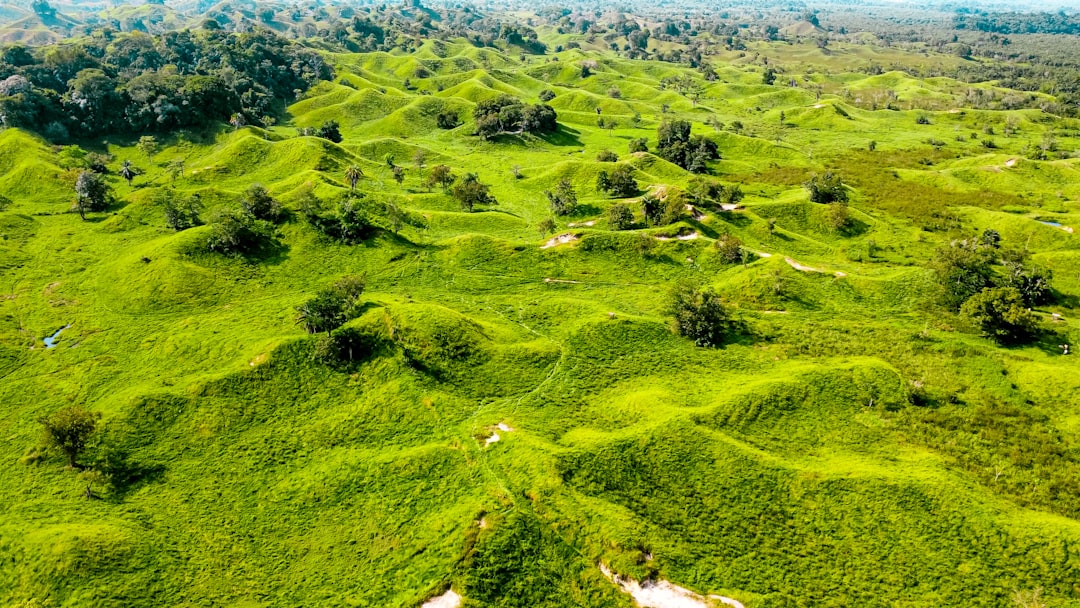
The documentary opens with a panoramic vista of the American Midwest, a landscape that belies the monumental scale of what once stood there. The familiar image of sprawling farmlands and quiet rivers is juxtaposed with artist’s renditions of a bustling ancient city, dominated by colossal earthen mounds. This stark contrast immediately establishes the central enigma of Cahokia: how could such a vast and organized civilization vanish from collective memory, leaving behind only silent, grassy monuments?
The Whisper of the Mounds
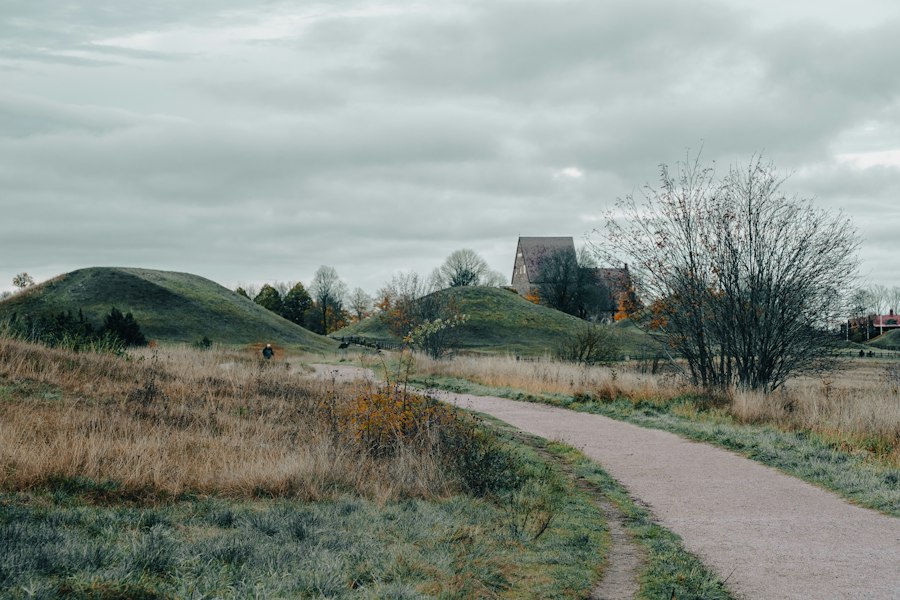
“Unearthing Cahokia” begins by focusing on the physical evidence, the imposing mounds that are the most tangible remnants of this forgotten empire. These are not mere hills, but meticulously constructed earthworks, some rivaling the size of the Great Pyramid of Giza in volume. The film emphasizes that their construction was an undertaking of immense labor and coordination, demanding a sophisticated understanding of engineering and resource management.
Monks Mound: The Heart of the Metropolis
The documentary dedicates significant attention to Monks Mound, the largest of Cahokia’s structures. Experts explain its sheer scale, its multiple terraces, and its strategic placement as the administrative and ceremonial center of the city. Viewers are guided through theories about its purpose, from a royal palace to a platform for religious rituals, and the sheer human effort involved in its creation. The sheer volume of earth moved, estimated in the millions of cubic feet, highlights the incredible organizational capacity of the Cahokian people.
The Woodhenges: Celestial Alignments
Another key element explored is the discovery of the “Woodhenges,” circular arrangements of wooden posts found in the vicinity of the mounds. These ancient observatories, the documentary reveals, were precisely aligned with celestial events such as the solstices and equinoxes. This discovery underscores the Cahokians’ advanced astronomical knowledge and their deep connection to the cycles of nature, suggesting a society deeply attuned to the cosmos.
Early Explorations and Enduring Myths
The film then delves into the history of how Cahokia has been viewed by outsiders. Early European explorers and settlers encountered the mounds, often attributing their construction to lost European or even extraterrestrial civilizations. The documentary critiques these prejudiced interpretations, highlighting how they served to diminish the achievements of Indigenous peoples and perpetuate a narrative of a primitive, static past for the Americas.
The “Lost Race” Theories
“Unearthing Cahokia” meticulously debunks the pervasive “lost race” theories that dominated early archaeological discourse. These theories, fueled by ethnocentric biases, posited that Native Americans were incapable of building such impressive structures, leading to the invention of mythical builders. The film contrasts these fantastical explanations with the robust evidence of Indigenous ingenuity and cultural development.
The Dawn of Scientific Inquiry
The documentary traces the evolution of archaeological methods, from early, often destructive excavations, to more nuanced and scientific approaches. It celebrates the work of pioneering archaeologists who began to challenge existing paradigms and advocate for a more accurate understanding of Cahokian society.
The Cahokia Mounds, a UNESCO World Heritage site, represent the remnants of a sophisticated pre-Columbian city that thrived in North America. For those interested in exploring the broader context of ancient civilizations and their development, a related article discusses Mexico’s strategic development and industrial zone plan, highlighting how historical urban planning continues to influence modern infrastructure. You can read more about it in this insightful piece: Mexico’s Strategic Development Industrial Zone Plan.
The Flourishing of a Midwestern Metropolis
Moving beyond the initial mystery, “Unearthing Cahokia” vividly reconstructs the zenith of Cahokian civilization. Through detailed CGI reconstructions, the film brings the city to life, showcasing its bustling plazas, its diverse population, and its intricate social hierarchy. This section challenges the notion of the pre-Columbian Americas as sparsely populated wilderness, presenting Cahokia as a true urban center.
City of the Sun: Urban Planning and Social Stratification
The documentary emphasizes Cahokia’s sophisticated urban planning. The city was laid out in a grid-like pattern, with distinct residential, ceremonial, and agricultural zones. This organized layout speaks to a highly developed administrative system capable of managing a large and complex population.
The Great Plaza: The Pulse of the City
The Great Plaza, a vast open space at the foot of Monks Mound, is depicted as the vibrant heart of Cahokian life. It served as a marketplace, a gathering place for ceremonies, and a site for public pronouncements. The film’s reenactments bring the sounds and sights of this bustling center to life, from the clamor of traders to the solemnity of religious processions.
Social Tiers and Specialized Labor
Through skeletal analysis and artifact distribution, “Unearthing Cahokia” illustrates the clear social stratification within Cahokian society. The documentary presents evidence of an elite class who resided in larger homes and possessed more elaborate burial goods, while commoners lived in smaller dwellings and engaged in specialized labor. This suggests a complex economy with artisans, farmers, builders, and other skilled workers.
Economy and Trade: A Wider Network
The film highlights Cahokia’s extensive trade networks, which stretched across vast distances. Artifacts found at Cahokia, such as copper from the Great Lakes and shells from the Gulf Coast, demonstrate its reach and its integration into a broader Indigenous economic system.
The Mississippi Trade Corridor
“Unearthing Cahokia” emphasizes Cahokia’s strategic position along the Mississippi River, a vital artery for trade and communication. This allowed for the movement of goods and ideas, contributing to the city’s prosperity and influence. The documentary explores the types of goods exchanged, from utilitarian items to exotic materials, and the reciprocal relationships fostered by this trade.
Agricultural Innovations and Food Security
The success of a large urban center like Cahokia was dependent on a robust agricultural base. The documentary discusses the sophisticated farming techniques employed by the Cahokians, including crop rotation and the cultivation of staple crops like maize, beans, and squash. This agricultural prowess ensured food security for the burgeoning population.
The Cahokia Mounds, a fascinating archaeological site near present-day St. Louis, offers a glimpse into the complex society that thrived in North America long before European contact. This history documentary delves into the cultural and architectural achievements of the Mississippian people, highlighting their impressive earthen structures and social organization. For those interested in exploring more about ancient civilizations and the mysteries they left behind, a related article discusses various unexplained ancient artifacts that continue to baffle researchers. You can read more about these intriguing discoveries by following this link: unexplained ancient artifacts.
Spiritual Life and Ritual Practices
Religion and spirituality were central to Cahokian life, as evidenced by the monumental mounds and the elaborate burial practices. “Unearthing Cahokia” explores the complex belief systems that guided their society.
The Cosmology of the Earth and Sky
The film delves into the Cahokians’ cosmology, their understanding of the universe and their place within it. The alignment of the Woodhenges with celestial bodies suggests a deep reverence for the sun, moon, and stars. The mounds themselves, reaching towards the sky, may have served as a bridge between the earthly and the divine.
Burial Rituals and the Afterlife
The documentary examines the fascinating burial rituals discovered at Cahokia, including the large burial mound known as Mound 72. This site revealed evidence of elaborate funeral ceremonies, including human sacrifice and the burial of individuals with rich grave goods. These practices offer insights into their beliefs about death and the afterlife. The sheer scale of some burials, suggesting the internment of hundreds of individuals with a single elite figure, points to a profound emphasis on leadership and the continuation of power even in death.
The Unraveling of a Civilization: Theories of Decline
One of the most compelling aspects of “Unearthing Cahokia” is its exploration of the factors that led to the city’s eventual decline and abandonment. The documentary presents a nuanced picture, eschewing single-cause explanations for a more complex interplay of environmental, social, and political pressures.
Environmental Stresses and Resource Depletion
The film suggests that environmental factors played a significant role in Cahokia’s downfall. Evidence of deforestation, soil erosion, and changing climate patterns are presented as potential stressors on the city’s resources.
Deforestation and its Consequences
The documentary discusses how the immense demand for wood for construction, fuel, and palisades likely led to widespread deforestation around Cahokia. This, in turn, could have caused soil erosion, impacting agricultural productivity and potentially leading to increased flooding. The film uses scientific analysis of pollen samples and soil cores to illustrate these environmental changes over time.
Climate Change and Agricultural Impact
“Unearthing Cahokia” explores the possibility that shifts in climate, perhaps increased droughts or changes in rainfall patterns, could have put a strain on Cahokia’s food supply. The documentary presents paleoclimate data that suggests periods of environmental instability coinciding with Cahokia’s decline. This underscores the vulnerability of even advanced societies to the vagaries of nature.
Internal Strife and Social Upheaval
Beyond environmental challenges, the documentary also considers the possibility of internal factors contributing to Cahokia’s decline. Evidence of increased fortifications and conflict in the later periods of Cahokian history suggests growing tensions within the city.
Fortifications and the Specter of Warfare
The film highlights the construction of defensive palisades and ditches around Cahokia in its later stages. This suggests an increase in internal conflict or external threats, indicating a shift from a period of expansion and dominance to one of concern for security. The documentary examines the archaeological evidence of burned structures and damaged artifacts that point to instances of violence.
Social Tensions and Elite Overreach
“Unearthing Cahokia” probes the idea that social tensions, perhaps related to the demands placed on the populace by the elite or growing inequality, could have contributed to instability. The documentary discusses theories that suggest a breakdown in the social contract or a loss of faith in leadership.
The Abandonment: A Gradual Dispersal
Rather than a sudden catastrophic event, the documentary argues that Cahokia’s abandonment was a more gradual process. Over time, the population dispersed, establishing new settlements and carrying aspects of Cahokian culture with them.
A New Beginning: The Diaspora of Cahokian Culture
The film concludes by emphasizing that the story of Cahokia does not end with its abandonment. Instead, it suggests that the Cahokian people and their knowledge dispersed, influencing the development of subsequent Indigenous cultures in the region. This highlights the resilience and adaptability of these societies.
Echoes of Cahokia: Legacy and Modern Understanding
The final section of “Unearthing Cahokia” focuses on the enduring legacy of this lost civilization and its importance in shaping our understanding of American history. The documentary makes a powerful case for recognizing Cahokia not as an anomaly, but as a testament to the rich and complex history of Indigenous peoples.
Rediscovering a Lost Heritage
“Unearthing Cahokia” underscores the significance of ongoing archaeological research in continually refining our understanding of Cahokia. The documentary celebrates the dedication of archaeologists and Indigenous scholars who are working to reclaim and re-contextualize this vital piece of American history.
The Role of Indigenous Voices
A crucial element of the documentary’s modern approach is the integration of Indigenous voices and perspectives. The film acknowledges the importance of listening to descendant communities and incorporating their traditional knowledge into the interpretation of Cahokian history. This approach moves beyond purely academic study to a more respectful and collaborative understanding.
Ongoing Excavations and Future Discoveries
The documentary concludes with a look towards the future, highlighting the potential for new discoveries at Cahokia and other similar sites. It emphasizes that our understanding of these ancient civilizations is constantly evolving, and much remains to be unearthed. The film inspires a sense of wonder and anticipation for what future research may reveal.
Cahokia in the Modern Consciousness: A Call for Re-evaluation
Ultimately, “Unearthing Cahokia” serves as a powerful call for a re-evaluation of American history. By bringing this lost metropolis back into the light, the documentary challenges prevailing narratives and urges viewers to recognize the depth and sophistication of pre-Columbian Indigenous civilizations.
Beyond the “Wilderness” Narrative
The film directly confronts the persistent, inaccurate narrative of the Americas as an empty wilderness before European arrival. It presents Cahokia as irrefutable evidence of complex urbanism, sophisticated governance, and vibrant cultural expression, demanding a more accurate and nuanced historical perspective.
A Shared American Story
“Unearthing Cahokia” argues that understanding Cahokia is not just about appreciating a lost Indigenous civilization, but about understanding a fundamental part of the shared American story. By acknowledging these earlier chapters, the documentary suggests, we can forge a more complete and inclusive understanding of who we are as a nation. The film leaves the viewer with a profound sense of awe for the ingenuity of the Cahokian people and a renewed appreciation for the lost histories waiting to be discovered within the American landscape.
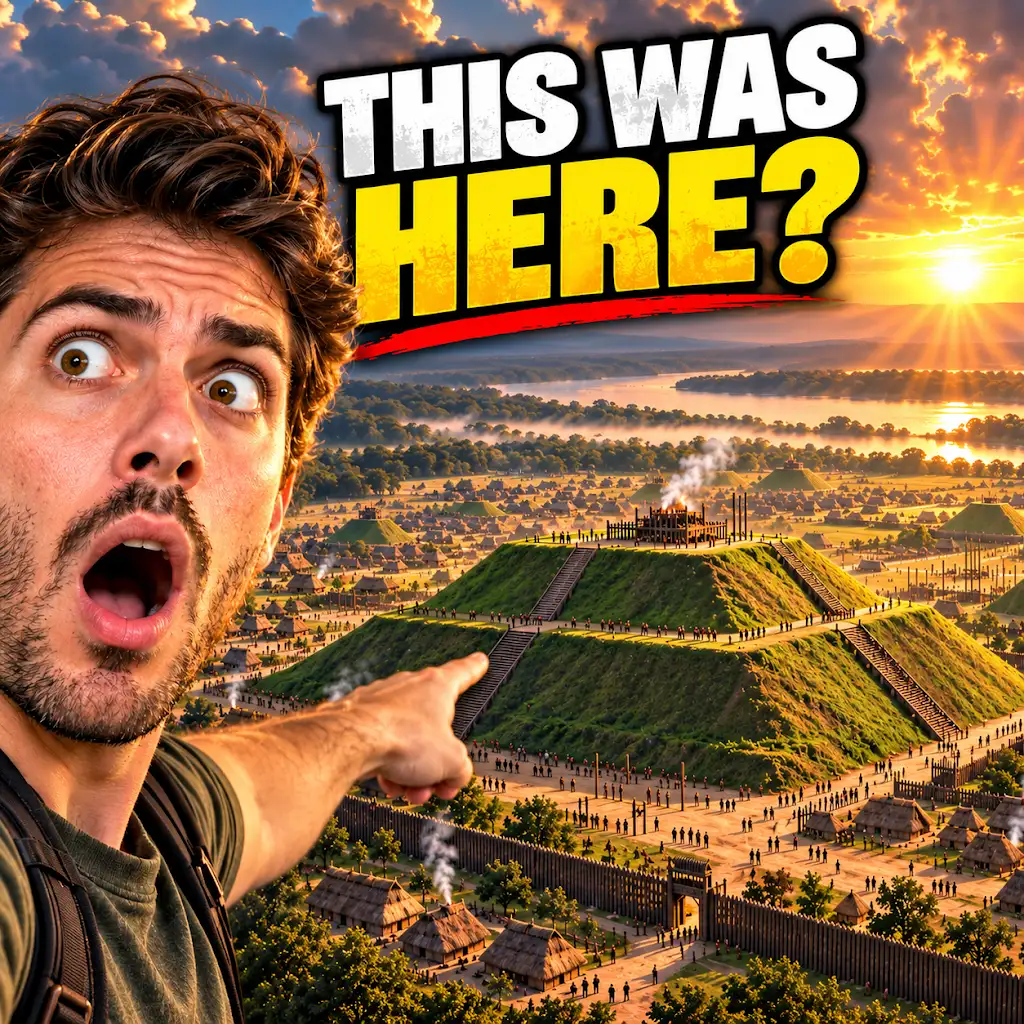
A City Bigger Than London Once Stood in America. Then It Vanished.
FAQs
What is the Cahokia Mounds history documentary about?
The Cahokia Mounds history documentary explores the history and significance of the Cahokia Mounds, a pre-Columbian Native American city located in present-day Illinois. The documentary delves into the culture, society, and architecture of the ancient Cahokia civilization.
Who created the Cahokia Mounds history documentary?
The Cahokia Mounds history documentary was created by a team of historians, archaeologists, and filmmakers who collaborated to research and produce a comprehensive documentary about the Cahokia Mounds and the civilization that built them.
What can viewers expect to learn from the Cahokia Mounds history documentary?
Viewers can expect to learn about the rise and fall of the Cahokia civilization, the significance of the Cahokia Mounds as a religious and ceremonial center, the daily life of the ancient inhabitants, and the impact of Cahokia on subsequent Native American cultures.
Where can the Cahokia Mounds history documentary be viewed?
The Cahokia Mounds history documentary may be available for viewing on streaming platforms, educational institutions, museums, and historical sites related to Native American history and archaeology. It may also be available for purchase or rental through online retailers.
Why is the Cahokia Mounds history documentary important?
The Cahokia Mounds history documentary is important because it sheds light on the rich history and cultural significance of the Cahokia Mounds, which are one of the most important archaeological sites in North America. The documentary helps to preserve and promote awareness of the ancient Cahokia civilization and its enduring legacy.