
For centuries, the whispers of a lost civilization lay dormant beneath the fertile soil of the American Midwest. These were not the faint murmurs of nomadic tribes, but the echoes of a complex society, a sprawling urban center that once rivaled its European contemporaries. This was Cahokia, a testament to human ingenuity and a stark reminder of how history can be easily overlooked, its monumental achievements buried by time and circumstance. Uncovering Cahokia means delving into a past that reshaped our understanding of pre-Columbian North America, revealing a civilization that flourished long before Columbus ever set sail.
The story of Cahokia is a narrative of ambition, adaptation, and ultimately, decline. Its genesis can be traced back to the 9th century CE, but it was between the 11th and 13th centuries that the city truly exploded into prominence, becoming the largest and most influential center in the Mississippian culture. At its zenith, Cahokia boasted a population estimated to be between 10,000 and 20,000 people, a figure that would make it one of the most populous cities in the world at the time. This wasn’t a haphazard settlement; it was a meticulously planned urban landscape, a hub of trade, religion, and political power.
Foundations of a Flourishing Society
The Mississippian culture, to which Cahokia belonged, was characterized by its sophisticated agricultural practices, primarily centered around the cultivation of maize, beans, and squash. This agricultural surplus provided the economic engine for the development of larger settlements and the support of a specialized workforce. The people of Cahokia were adept farmers, mastering irrigation techniques and land management that allowed them to sustain a substantial population. This foundational element of food security was crucial for the emergence of complex social structures.
The Agricultural Surplus and Its Impact
The abundant harvests allowed for a division of labor. Not everyone needed to be directly involved in food production. This enabled the emergence of artisans, builders, priests, and leaders who could dedicate their skills to other facets of society. This surplus also fueled a robust trade network that extended far beyond the immediate vicinity of Cahokia. Goods from across the continent, including copper from the Great Lakes, shells from the Gulf Coast, and obsidian from the Rocky Mountains, have been found within its confines, painting a picture of an interconnected and vibrant economic system.
Early Settlements and the Seeds of Cahokia
Before the grandeur of Monk’s Mound and the grand plazas, smaller villages dotted the landscape. These early settlements, while less monumental, laid the groundwork for what was to come. They represent the gradual evolution of social organization and the growing understanding of the environment. Archaeological evidence suggests a slow but steady growth in population and complexity, culminating in the rapid expansion that defined Cahokia’s Golden Age.
Cahokia, often referred to as a forgotten civilization, was a remarkable urban center that thrived in North America long before European contact. Its sophisticated society, characterized by monumental earthworks and complex social structures, has intrigued historians and archaeologists alike. For those interested in understanding how information and power dynamics have shaped civilizations, a related article can provide valuable insights into the broader context of societal control throughout history. You can read more about this topic in the article on the history of information control, which explores the evolution from censorship to digital surveillance, by visiting this link.
The Architectural Marvels of Cahokia
The most striking aspect of Cahokia, and what immediately captures the imagination, is its monumental architecture. The sheer scale of these constructions, undertaken without the benefit of modern machinery or draft animals, is a testament to the collective will and engineering prowess of the Mississippian people. These earthworks were not merely utilitarian; they were imbued with deep cultural and spiritual significance, shaping the very fabric of Cahokian life.
Monk’s Mound: The Heart of the City
Dominating the landscape is Monk’s Mound, a colossal earthen structure that is the largest pre-Columbian earthwork in the Americas. Measuring an astonishing 100 feet high, with a base larger than the Great Pyramid of Giza, Monk’s Mound was likely the ceremonial and political center of Cahokia. Its construction involved the meticulous movement of millions of cubic feet of earth, a feat requiring immense labor and organization over many decades. The four terraces that ascend its sides suggest a deliberate design, perhaps reflecting a hierarchical social structure or a connection to the cosmos.
The Purpose and Symbolism of Monk’s Mound
While its exact purpose remains a subject of scholarly debate, it is widely believed that Monk’s Mound served as a platform for the ruling elite, a stage for important ceremonies and public gatherings. Its commanding presence would have symbolized the power and authority of the Cahokian leaders, visible from afar and serving as a constant reminder of their dominion. The careful placement of structures around its base further emphasizes its centrality to the city’s spiritual and civic life.
Construction Techniques and Labor Organization
The construction of Monk’s Mound and other earthworks would have required an exceptionally organized society. The sheer volume of earth moved implies a significant population and a well-defined system for directing labor. Evidence suggests that baskets and perhaps rudimentary sleds were used to transport soil, a laborious and time-consuming process. The dedication of generations to such massive undertakings speaks to the profound importance they placed on these structures.
The Grand Plaza and Surrounding Structures
Surrounding Monk’s Mound was the Grand Plaza, a vast, open space that served as the city’s public heart. This plaza was meticulously flattened and maintained, acting as a central gathering place for religious ceremonies, markets, and civic events. Excavations have revealed evidence of temporary structures and features that were likely used for various activities. The layout of the plaza and its relationship to Monk’s Mound underscore the intentional design of Cahokia as a place of communal life and organized ritual.
The Role of the Grand Plaza in Cahokian Life
The Grand Plaza was more than just an empty space; it was the nexus of social interaction and public life. It was here that people would have come together for important occasions, reinforcing social bonds and collective identity. The constant activity within the plaza would have been a constant reminder of the vibrancy and dynamism of Cahokian society.
Other Significant Earthworks and Features
Beyond Monk’s Mound and the Grand Plaza, Cahokia was dotted with numerous other mounds, each with its own potential purpose. Some are conical, others ridge-topped, and some are in the shape of animals, suggesting a rich spiritual landscape. Woodhenge, a series of large circular arrangements of wooden posts, has been interpreted as a sophisticated astronomical calendar, used for tracking the sun’s movements and marking important seasonal events.
The Social and Political Landscape of Cahokia
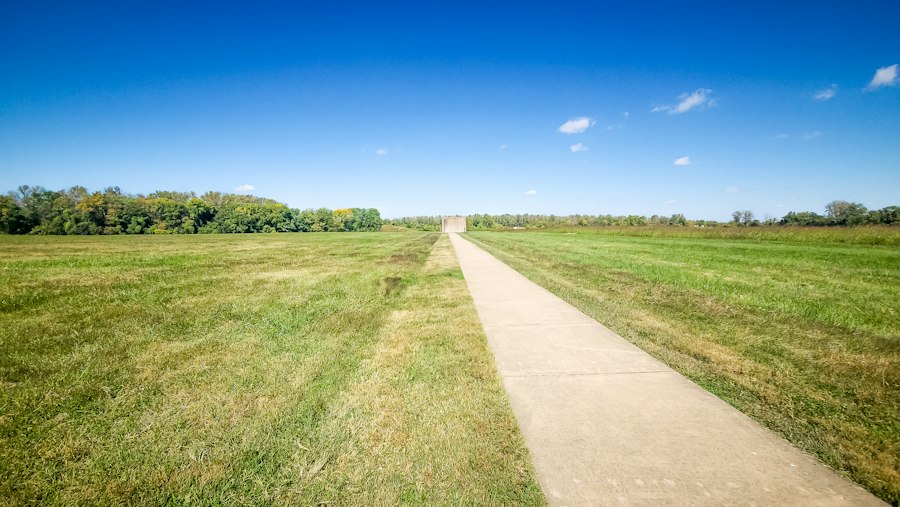
Cahokia was not a simple collection of huts; it was a complex society with a hierarchical structure, intricate social roles, and a sophisticated political system. The evidence suggests a society divided into distinct classes, with leaders wielding considerable power and influence. The meticulous planning of the city, from the placement of its mounds to the layout of its residential areas, points to a highly organized and stratified social order.
Social Stratification and Elite Power
Archaeological findings, such as the differences in burial goods and the quality of housing, reveal a clear social hierarchy. The elite, likely residing in close proximity to Monk’s Mound, enjoyed access to finer materials and enjoyed a higher standard of living. Their burials often contain elaborate grave goods, including shell beads, copper ornaments, and finely crafted pottery, indicating their elevated status.
Evidence from Elite Burials
The examination of elite burials provides crucial insights into the lives of Cahokia’s rulers and prominent figures. The presence of exotic goods, human sacrifices in some instances, and elaborate grave goods all point to the significant wealth and power accumulated by these individuals. These findings help to reconstruct the social tapestry of Cahokia and understand the mechanisms of power.
The Role of Warfare and Defense
While Cahokia was a center of culture and trade, evidence of fortifications, including palisades and defensive ditches, suggests that warfare was a reality of life. The need for defense would have contributed to the centralized authority and the mobilization of labor for construction and protection. This aspect of Cahokian life highlights the challenges and complexities of maintaining such a large and influential settlement.
Trade Networks and Economic Interdependence
Cahokia’s influence extended far and wide, facilitated by extensive trade networks. The presence of materials from distant regions demonstrates the sophisticated economic system in place. These trade routes not only facilitated the exchange of goods but also the dissemination of ideas, technologies, and cultural practices, making Cahokia a hub of interaction and exchange.
The Significance of Exotic Goods
The discovery of items like copper from the Great Lakes, mica from the Appalachian Mountains, and shells from the Gulf Coast within Cahokia highlights the vast reach of its trade networks. These exotic goods were not merely commodities; they likely held significant symbolic and ceremonial value, further solidifying the power and prestige of Cahokian elites.
The Economic Engine of Agriculture
As mentioned earlier, the agricultural surplus was the bedrock of Cahokia’s economy. The ability to produce more food than was immediately needed allowed for specialization and trade, creating a self-sustaining economic system that supported the growth of the city and its influence.
Religious Beliefs and Practices
The spiritual life of Cahokia was deeply intertwined with its physical landscape and social organization. The mounds, the plazas, and the astronomical alignments all suggest a profound connection to the natural world and a complex system of beliefs. The evidence points to a society that venerated the sun, the earth, and perhaps a pantheon of deities.
The Connection Between Religion and Power
The construction of monumental religious sites like Monk’s Mound served to legitimize and reinforce the authority of the ruling class. By acting as intermediaries between the spiritual and earthly realms, leaders could command respect and loyalty, solidifying their position at the apex of Cahokian society.
Evidence of Ritualistic Activities
Archaeological findings, including ceremonial objects, altars, and evidence of feasting and communal rituals, provide glimpses into the religious practices of Cahokia. These activities likely played a crucial role in maintaining social cohesion and reinforcing shared beliefs and values.
The Mysteries of Cahokia’s Decline
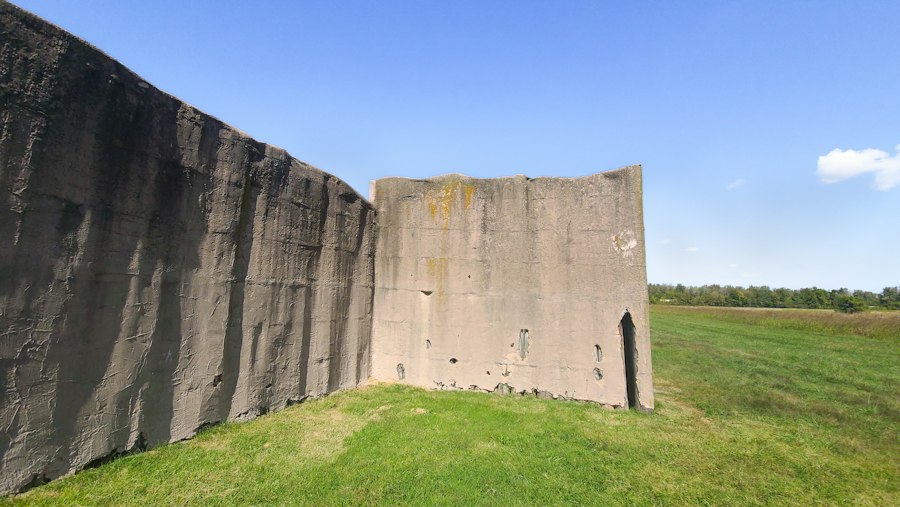
Despite its impressive rise, Cahokia experienced a dramatic and relatively rapid decline, eventually leading to its abandonment. The precise reasons for this collapse remain one of the most enduring mysteries of the Mississippian culture, sparking debate and ongoing research among archaeologists and historians.
Theories of Environmental Degradation
One prominent theory suggests that environmental factors played a significant role in Cahokia’s downfall. Over-farming, deforestation, and soil erosion, exacerbated by a growing population and intensive agriculture, may have led to resource depletion and a decline in agricultural productivity. This could have strained the city’s ability to sustain its population, leading to social unrest and eventual abandonment.
The Impact of Deforestation and Soil Erosion
The extensive use of wood for construction, fuel, and land clearing could have led to widespread deforestation. This, in turn, could have contributed to soil erosion, making it more difficult to cultivate crops and potentially leading to flooding. The delicate balance between human needs and environmental sustainability may have been disrupted.
Potential Impact of Climate Change
While challenging to prove definitively for this period, shifts in regional climate, such as prolonged droughts or increased periods of flooding, could have further stressed Cahokia’s agricultural base. Such climatic events would have amplified any existing environmental challenges.
Social and Political Instability
Another set of theories points to internal factors, such as social unrest, warfare, or a collapse of political authority. As the population grew and resources became strained, internal conflicts may have arisen, leading to the breakdown of social order. The concentration of power in the hands of an elite could have also created vulnerabilities if that leadership failed to address the growing challenges.
Evidence of Internal Conflict
While direct evidence of widespread civil war is scarce, the presence of defensive structures and the eventual abandonment of the city could be interpreted as indicators of internal strife or the inability of the leadership to maintain control and provide for the populace.
The Role of Leadership Failure
If the ruling elite became detached from the needs of the common people, or if their leadership proved ineffective in managing the growing challenges of the city, it could have led to a loss of faith and a gradual exodus of the population.
External Factors and Competition
It is also possible that external factors contributed to Cahokia’s decline. Competition from other emerging centers of power within the Mississippian world, or the rise of new trade routes that bypassed Cahokia, could have diminished its influence and economic viability.
The Rise of Competing Centers
As other Mississippian centers developed their own strengths and attracted trade and followers, Cahokia may have faced increasing competition. This could have led to a gradual shift in regional power dynamics, drawing resources and people away from the once-dominant city.
The Impact of Disease
While specific evidence is limited, the possibility of epidemic diseases, introduced through trade networks, cannot be entirely ruled out as a contributing factor to population decline and social disruption.
Cahokia, once a thriving urban center of the Mississippian culture, has long fascinated historians and archaeologists alike due to its complex society and impressive earthworks. The rise and fall of this forgotten civilization raises important questions about the sustainability of ancient economies. For a deeper understanding of how economic factors contributed to the decline of such societies, you can explore this insightful article on the topic. The analysis provides a broader context that complements the story of Cahokia and its enigmatic past, shedding light on the intricate relationships between environment, resources, and societal collapse. To read more, visit this article.
The Legacy of a Forgotten Giant
| Population | Peak Population | Area | Time Period |
|---|---|---|---|
| Unknown | 20,000-30,000 | Approximately 6 square miles | 1050-1350 AD |
Though Cahokia was eventually abandoned, its legacy is far from forgotten. The efforts of archaeologists and researchers in the 20th and 21st centuries have brought this remarkable civilization back into the light, fundamentally altering our understanding of North American history. The discovery and ongoing study of Cahokia have challenged Eurocentric narratives and revealed the depth and complexity of indigenous societies.
Reimagining Pre-Columbian North America
The existence of Cahokia demonstrated that North America was not an empty wilderness prior to European arrival, but a land populated by sophisticated societies with complex social, political, and economic systems. It forced a reevaluation of the capabilities and achievements of indigenous peoples, dispelling long-held myths and stereotypes.
Challenging Eurocentric Historical Narratives
For a long time, historical narratives in North America focused almost exclusively on the impact of European colonization. Cahokia’s rediscovery provided compelling evidence that advanced civilizations flourished independently on the continent, demanding a more nuanced and inclusive understanding of its past.
The Sophistication of Mississippian Culture
Cahokia stands as a paramount example of the sophistication of the Mississippian culture. Its urban planning, monumental architecture, extensive trade networks, and complex social organization demonstrate a level of development that was previously underestimated.
The Importance of Archaeological Research
The ongoing archaeological work at Cahokia is crucial for piecing together its story. Each excavation, each artifact unearthed, adds another layer to our understanding of this lost civilization. The meticulous scientific methods employed allow for the reconstruction of daily life, religious practices, and the trajectory of its rise and fall.
The Role of Modern Excavation Techniques
Advanced techniques such as LiDAR (Light Detection and Ranging) have been instrumental in mapping the vast landscape of Cahokia, revealing structures and features that were previously hidden beneath centuries of earth. These technologies allow for a more comprehensive understanding of the city’s layout and scale.
Ongoing Debates and Future Discoveries
The mysteries surrounding Cahokia’s decline continue to fuel scholarly debate and inspire further research. Future discoveries may shed more light on the reasons for its abandonment, offering new perspectives and potentially revising our current understanding. The site remains a living laboratory for understanding the dynamics of ancient societies.
Cahokia as a UNESCO World Heritage Site
In recognition of its outstanding universal value, Cahokia Mounds State Historic Site was designated a UNESCO World Heritage Site in 1982. This designation underscores its global significance and the importance of its preservation for future generations. It brings a global spotlight to this remarkable piece of American history.
Preserving a Vital Piece of History
The designation as a World Heritage Site signifies a commitment to the long-term preservation and protection of the Cahokia Mounds. This ensures that the site remains accessible for study and for public appreciation, allowing future generations to connect with this extraordinary civilization.
The Future of Cahokia: Education and Tourism
Cahokia is not just an archaeological site; it is a place of education and inspiration. Visitors can walk among the ancient mounds, stand on the Great Plaza, and imagine the vibrant city that once thrived there. The ongoing efforts to interpret and present its history are crucial for fostering a deeper understanding and appreciation of America’s forgotten civilization. Cahokia serves as a powerful reminder of the rich and complex history that lies beneath our feet, waiting to be uncovered.

A City Bigger Than London Once Stood in America. Then It Vanished.
FAQs
What is Cahokia?
Cahokia was a pre-Columbian Native American city located in present-day Illinois, near St. Louis, Missouri. It was the largest and most influential urban settlement of the Mississippian culture, thriving between 600-1400 AD.
How large was Cahokia?
At its peak, Cahokia covered nearly six square miles and had a population of 10,000-20,000 people, making it one of the largest cities in the world at that time.
What were some of the key features of Cahokia?
Cahokia was known for its large earthen mounds, including Monks Mound, the largest prehistoric earthwork in the Americas. The city also had a sophisticated urban layout, with plazas, residential areas, and ceremonial spaces.
What caused the decline of Cahokia?
The exact reasons for Cahokia’s decline are still debated among archaeologists, but factors such as environmental degradation, resource depletion, and social upheaval are believed to have played a role in the city’s eventual abandonment.
What is the significance of Cahokia?
Cahokia is considered a UNESCO World Heritage Site and is recognized for its cultural and historical importance. The site provides valuable insights into the complex societies of ancient North America and the achievements of indigenous peoples.