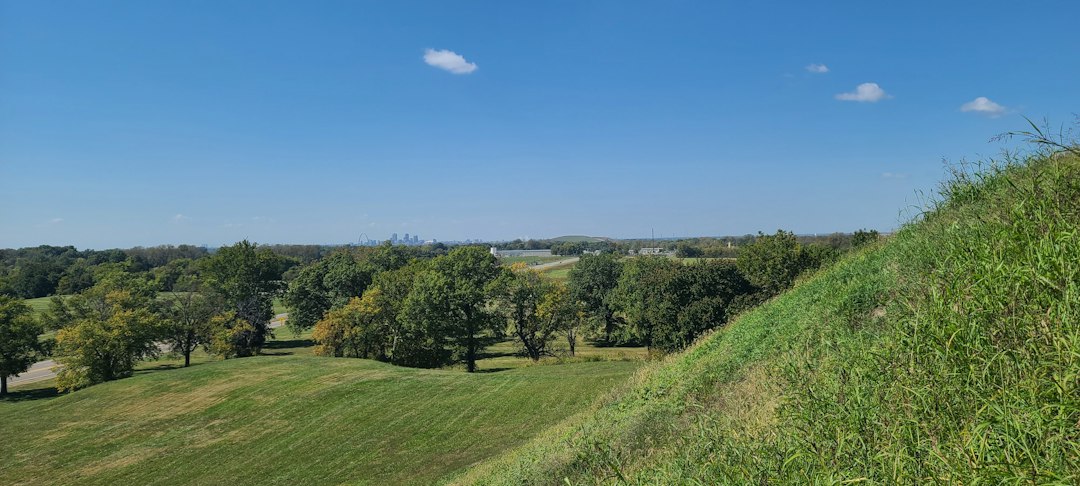
Cahokia: America’s Forgotten City
In the vast tapestry of American history, certain chapters remain largely unread, their stories obscured by the passage of time and the dominant narratives of later eras. Among these shadowed histories lies the remarkable saga of Cahokia, a sprawling urban center that once thrived on the Mississippi River floodplain, a testament to the ingenuity and complexity of indigenous North American civilizations. Often overlooked in favor of later European settlements, Cahokia stands as a powerful reminder that the continent was not a pristine wilderness awaiting discovery, but a land already home to sophisticated societies with grand ambitions and intricate social structures. This article delves into the rise and eventual decline of Cahokia, exploring its monumental achievements, its vibrant culture, and the enduring mysteries that continue to fascinate archaeologists and historians alike.
For centuries, the fertile lands of the Mississippi River Valley were home to various indigenous groups. However, around the 11th century CE, a transformative period began. A new, highly organized society emerged, centered around a burgeoning settlement that would eventually become known as Cahokia. This was not a mere village, but a true metropolis, a testament to a sophisticated understanding of agriculture, engineering, and social organization.
A Flourishing Agricultural Base
The success of Cahokia was inextricably linked to its agricultural prowess. The rich alluvial soils of the Mississippi River provided an ideal environment for cultivating staple crops, most notably maize (corn). This highly productive grain, domesticated centuries earlier, formed the caloric backbone of Cahokian society.
The Importance of Maize
Maize was more than just food; it was a symbol of prosperity and a cornerstone of their civilization. Its ability to be stored for long periods allowed for surpluses, which in turn fueled population growth and supported a non-farming elite. The cultivation of maize likely involved advanced techniques, such as companion planting (the “Three Sisters” system of corn, beans, and squash) and crop rotation, maximizing yields and maintaining soil fertility.
Riverine Resources
Beyond agriculture, the Mississippi River and its tributaries provided a wealth of resources. Fish, waterfowl, and aquatic plants were readily available, supplementing the diet and contributing to the overall sustenance of the growing population. The river also served as a vital transportation artery, facilitating trade and communication.
Monumental Architecture: Mounds of Significance
The most striking and enduring legacy of Cahokia is its monumental earthen architecture – the vast array of mounds that dot the landscape. These were not natural formations, but carefully constructed structures, built by generations of laborers carrying millions of basketfuls of soil. The sheer scale of these mounds speaks volumes about the labor organization and collective effort that characterized Cahokian society.
Monks Mound: The Heart of the City
Dominating the Cahokian skyline was Monks Mound, the largest prehistoric earthwork in the Americas. This colossal structure, covering over 14 acres and standing nearly 100 feet tall, served as the administrative and ceremonial center of the city. Its size and complexity suggest a highly stratified society with a ruling elite capable of mobilizing immense labor forces.
The Purpose of Monks Mound
While its exact functions remain a subject of debate, it is widely believed that Monks Mound was the residence of the paramount chief and the site of important public ceremonies. Its multiple terraces and flat summit may have housed palaces, temples, and other significant structures. The placement and orientation of the mound also suggest a deep understanding of astronomical cycles, hinting at sophisticated calendrical and cosmological beliefs.
Other Significant Mounds
Beyond Monks Mound, hundreds of other mounds were scattered throughout the Cahokian complex, each with its own distinct purpose and form. These included platform mounds, likely topped with residences or temples, and conical mounds, which may have served as burial sites for important individuals. The systematic layout and deliberate placement of these mounds indicate a well-planned urban environment.
A Thriving Urban Landscape
At its peak, Cahokia was a bustling urban center, far exceeding the scale of any contemporary European settlement. Estimates of its population vary, but some suggest it may have reached as high as 20,000 inhabitants, with an estimated 100,000 people living within its sphere of influence. This made it one of the largest and most complex societies north of Mexico.
Residential Areas and Social Stratification
The city was organized into distinct residential areas, reflecting a clear social hierarchy. Elite residences, often situated on elevated platforms or near important public structures, were larger and more elaborately constructed than the more modest dwellings of commoners. Evidence of specialized craft production, such as pottery, stone tool manufacturing, and textile production, indicates a division of labor and a thriving economy.
The Grand Plaza
A vast open space, known as the Grand Plaza, lay at the foot of Monks Mound. This area likely served as a central gathering place for public events, markets, and political assemblies. Its sheer size underscores the importance of communal activities and the centralized nature of Cahokian governance.
Cahokia, the forgotten American city, offers a fascinating glimpse into the advanced societies that existed in North America long before European contact. For those interested in exploring other ancient civilizations and their remarkable achievements, a related article on the Antikythera mechanism provides insights into the ingenuity of ancient technology. You can read more about this intriguing artifact and its functions in the article available at Unlocking the Antikythera Mechanism’s Ancient Functions.
Social and Political Organization: A Complex Hierarchy
The ability of Cahokia to construct such monumental architecture and sustain a large, complex population points to a highly organized social and political structure. While direct evidence of their political system is limited, archaeological findings offer tantalizing clues about their hierarchical society.
Evidence of a Chiefdom or Early State
The sheer scale of public works and the concentration of wealth and power in certain areas suggest a form of chiefdom or even an early state-level society. A paramount chief, likely residing atop Monks Mound, would have held significant authority, directing labor, controlling resources, and overseeing religious and ceremonial activities.
The Role of the Elite
The elite class likely wielded considerable influence, evidenced by their elaborate burials and the accumulation of prestige goods. These individuals may have served as intermediaries between the divine and the human realms, holding spiritual and political power. Their burials often contained finely crafted artifacts, exotic materials, and evidence of human sacrifice, further highlighting their elevated status.
Warfare and Defense
The presence of defensive palisades and evidence of warfare suggest that Cahokia, like many complex societies, faced external threats. While the exact nature of these conflicts is not fully understood, they likely played a role in shaping the city’s development and its eventual decline.
Defensive Structures
Extensive palisades, constructed from sharpened wooden posts, enclosed significant portions of the city, particularly around the core ceremonial areas. These fortifications indicate a concern for security and a readiness to defend against aggressors.
Evidence of Conflict
Archaeological evidence, such as damaged skeletal remains and projectile points found in association with human remains, suggests that violence was a part of Cahokian life. These conflicts could have been related to competition for resources, territorial disputes, or internal power struggles.
Religion and Cosmology: A World of Belief
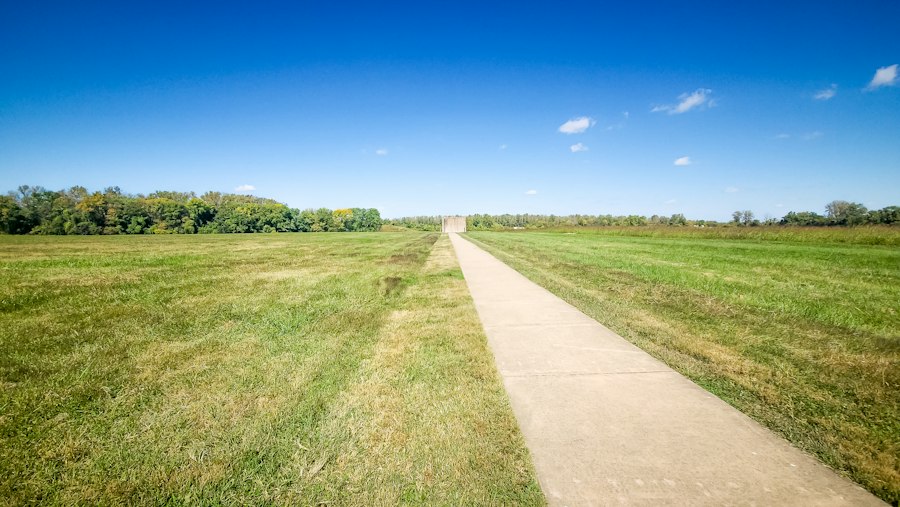
The monumental architecture of Cahokia, particularly the mounds, was deeply intertwined with the religious and cosmological beliefs of its inhabitants. While their specific pantheon and rituals are not fully documented, the archaeological record provides glimpses into their spiritual world.
The Sacred Landscape
The mounds themselves were imbued with religious significance. They were not merely constructions of earth, but sacred spaces, connecting the earthly realm with the heavens and the underworld. The orientation of certain mounds and the artifacts found within them suggest a profound understanding of celestial movements and their connection to the spiritual order.
Astronomical Alignments
Some mounds exhibit precise alignments with solstices, equinoxes, and other astronomical events. This suggests that Cahokian priests or shamans used these structures as observatories and calendrical devices, tracking the passage of time and the celestial cycles that governed their lives.
The “Woodhenge”
One of the most intriguing discoveries at Cahokia is a series of large wooden posts, known as “Woodhenge.” These circular arrangements of posts are believed to have functioned as a solar calendar, with different posts marking the rising and setting of the sun on significant dates.
Burial Practices and the Afterlife
The elaborate burials found at Cahokia offer insights into their beliefs about death and the afterlife. Elite individuals were interred with a wealth of grave goods, including finely crafted pottery, tools, jewelry, and even human sacrifices. This suggests a belief in a continued existence in the afterlife, where the status and possessions of the deceased would be important.
Ritualistic Practices
The presence of mass graves and evidence of ritualistic activities at certain mound sites indicate that burial was not simply a practical matter, but a complex ritualistic undertaking. These ceremonies likely aimed to appease spirits, ensure a smooth transition to the afterlife, and maintain the cosmic order.
The Decline of Cahokia: Unraveling the Mystery
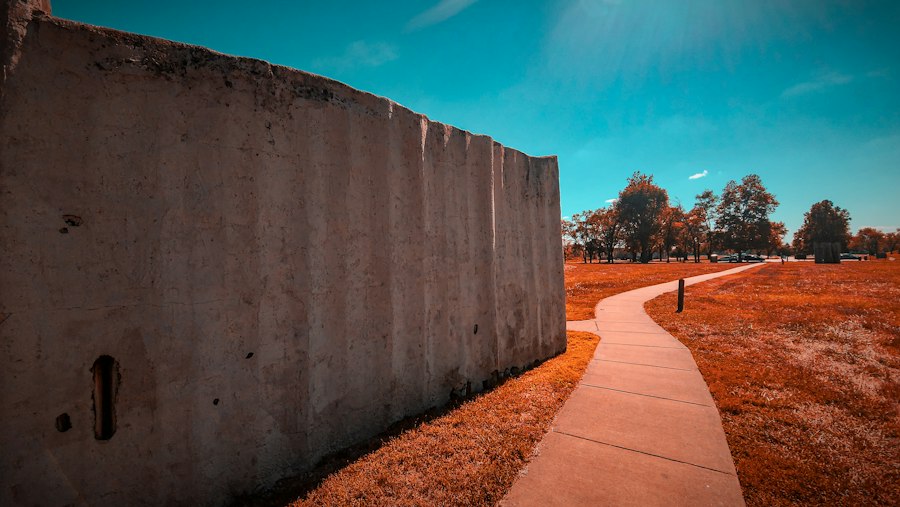
Around the 14th century CE, Cahokia began a period of decline, eventually being abandoned. The reasons for this collapse are complex and have been the subject of much scholarly debate, with no single cause definitively identified.
Environmental Factors
One prevailing theory suggests that environmental degradation played a significant role. Overexploitation of resources, deforestation, and unsustainable agricultural practices may have led to soil erosion, flooding, and a decline in agricultural productivity, making the area less able to support its large population.
Resource Depletion
The intensive use of wood for construction, fuel, and palisades may have led to widespread deforestation, impacting the local ecosystem. Similarly, overhunting and overfishing could have depleted vital food sources.
Climate Change
While direct evidence is still being sought, it is possible that shifts in climate, such as prolonged droughts or increased flooding, could have exacerbated existing environmental stresses and contributed to the decline of Cahokian agriculture.
Social and Political Factors
Internal strife, population pressure, and a breakdown in social cohesion are also considered potential factors in Cahokia’s decline. Competition for resources, the rise of competing centers of power, or the inability of the ruling elite to maintain control could have led to social unrest and eventual abandonment.
Internal Conflict
The possibility of internal conflicts, perhaps between different factions within the elite or between the city and its hinterland communities, cannot be discounted. Such conflicts could have destabilized the society and led to a loss of faith in its leadership.
Disease
While difficult to prove conclusively, the introduction of new diseases, particularly with increased contact among different groups, could have also played a role in decimating the population and weakening the social fabric of Cahokia.
Migration and Dispersion
It is unlikely that Cahokia simply vanished. Rather, its inhabitants likely migrated to other areas, dispersing their knowledge and cultural traditions to new settlements. The descendants of Cahokians may have contributed to the development of other Mississippian cultures that flourished in the centuries that followed.
Cahokia, the forgotten American city, offers a fascinating glimpse into the sophisticated urban planning and societal organization of pre-Columbian civilizations. As researchers continue to uncover the mysteries of this ancient site, parallels can be drawn with other remarkable engineering feats from history. For instance, the ancient Persian qanat system, which ingeniously managed water resources across arid landscapes, showcases the ingenuity of past societies in overcoming environmental challenges. To learn more about this remarkable water management marvel, you can read the article on the topic here.
Cahokia’s Enduring Legacy: A Rediscovered Past
| Population | Peak Population | Area | Location |
|---|---|---|---|
| Unknown | 20,000-30,000 | 4,000 acres | Illinois, USA |
Although Cahokia was eventually abandoned and reclaimed by nature, its legacy endures. The monumental mounds, silent sentinels of a lost civilization, continue to inspire awe and wonder. For centuries, their true nature was misunderstood, often attributed to natural phenomena or the work of non-indigenous peoples. However, archaeological research in the 20th and 21st centuries has begun to reveal the astonishing complexity and sophistication of Cahokian society.
A Testament to Indigenous Innovation
Cahokia stands as a powerful counterpoint to the notion of a primitive, undeveloped North America prior to European arrival. It demonstrates that indigenous peoples possessed the knowledge, organizational skills, and cultural sophistication to build complex urban centers, engage in sophisticated agricultural practices, and develop intricate social and religious systems.
Rethinking American History
The story of Cahokia challenges conventional narratives of American history, pushing back the timeline of urbanism and complex societies on the continent. It compels us to acknowledge the depth and richness of indigenous heritage and to integrate it more fully into our understanding of the nation’s past.
Ongoing Research and Discovery
The study of Cahokia is far from complete. New discoveries are continually being made, shedding further light on its inhabitants, their beliefs, and their way of life. The ongoing research promises to further illuminate this remarkable civilization and its place in the grand sweep of human history.
Preserving a Cultural Treasure
The Cahokia Mounds State Historic Site is a UNESCO World Heritage Site, a testament to its global significance. Efforts to preserve and interpret this invaluable archaeological treasure are crucial for ensuring that future generations can learn from and be inspired by the achievements of this forgotten city.
Cahokia, America’s Forgotten City, serves as a profound reminder of the vibrant and complex indigenous civilizations that shaped the continent long before the arrival of European explorers. Its story is one of ambition, innovation, and resilience, a testament to the enduring human capacity for creation and community. By unearthing its secrets, we not only rediscover a lost city but also enrich our understanding of the multifaceted tapestry of American heritage.

A City Bigger Than London Once Stood in America. Then It Vanished.
FAQs
What is Cahokia?
Cahokia was a pre-Columbian Native American city located in present-day Illinois, near St. Louis, Missouri. It was the largest and most influential urban settlement of the Mississippian culture, thriving between the 9th and 15th centuries.
How large was Cahokia?
At its peak, Cahokia covered nearly six square miles and had a population of 10,000 to 20,000 people, making it one of the largest cities in the world at that time.
What was life like in Cahokia?
Cahokia was a complex society with a hierarchical social structure, extensive trade networks, and a sophisticated agricultural system. The city was home to large earthen mounds, plazas, and residential areas.
Why is Cahokia considered a “forgotten” city?
Despite its historical significance, Cahokia is often overlooked in discussions of ancient civilizations in North America. Many people are unaware of its existence and its importance in understanding the history of indigenous cultures in the region.
What happened to Cahokia?
The decline of Cahokia is still a topic of debate among archaeologists and historians. Factors such as environmental degradation, political instability, and the spread of disease may have contributed to the city’s eventual abandonment by the 14th century.