
Cahokia, a name that echoes with the grandeur of a lost civilization, stands as a testament to the ingenuity and complexity of pre-Columbian North America. Once a thriving metropolis, it dwarfed even the most sophisticated European settlements of its time, boasting a population that rivaled contemporary London or Paris. For centuries, this vast urban center flourished along the Mississippi River, a vibrant hub of trade, culture, and spiritual life. Yet, the story of Cahokia is not one of linear progression, but rather a dramatic rise and a perplexing decline, leaving archaeologists and historians to piece together the fragments of its enigmatic past.
The story of Cahokia is inextricably linked to the development of Mississippian culture, a widespread civilization that emerged in the Midwestern and Southeastern United States around 800 CE. These societies, characterized by their mound-building traditions, sophisticated agricultural practices, and hierarchical social structures, laid the groundwork for the eventual emergence of Cahokia as their undisputed center.
The Genesis of a Settlement
The earliest inhabitants of the Cahokia site, dating back to approximately 600-700 CE, were likely small agricultural communities. These early settlers, part of the Woodland period, engaged in a more settled lifestyle than their hunter-gatherer predecessors, cultivating crops and establishing more permanent villages. However, it was the transition to the Mississippian period that truly catalyzed the transformation of this region. The adoption of intensive maize agriculture, facilitated by the fertile floodplain of the Mississippi River, allowed for a significant surplus of food. This surplus, in turn, supported a larger and denser population, enabling the emergence of more complex social and political organizations.
The Mississippian Agricultural Revolution
The success of Cahokia was underpinned by a profound agricultural revolution. The Mississippian peoples became expert farmers, cultivating staple crops like maize (corn), beans, and squash, collectively known as the “three sisters.” This triad of crops provided a balanced and nutrient-rich diet, capable of sustaining a large population. The fertile alluvial soils of the Mississippi River valley, regularly replenished by seasonal floods, were ideally suited for intensive agriculture. Beyond subsistence, the agricultural surplus provided the foundation for a specialized workforce. This allowed for the development of artisans, builders, priests, and administrators, the very individuals who would shape Cahokia into a complex urban center.
Social and Political Stratification
As the population grew and agriculture flourished, so too did social and political stratification. Cahokia developed a hierarchical society, with a ruling elite at its apex. This elite, likely comprising chiefs or paramount leaders, controlled land, labor, and resources. Evidence of this stratification can be seen in the varying sizes and elaborateness of burial sites, with some individuals interred with rich grave goods, signifying their elevated status, while others were laid to rest in simpler graves. This social hierarchy was crucial for organizing the massive labor required for monumental construction projects and for maintaining order within a growing urban population.
Cahokia, the largest pre-Columbian city north of Mexico, was a remarkable urban center that thrived around 1050 to 1350 CE, showcasing advanced societal structures and monumental architecture. For those interested in exploring the economic aspects of ancient civilizations, a related article discusses the implications of currency systems in historical contexts. You can read more about it in the article titled “Gold vs. Silver: Currency Crisis Showdown” available at this link.
The Zenith of Cahokia: A City of Mounds and People
Between approximately 1050 and 1300 CE, Cahokia reached its zenith, transforming into a sprawling metropolis. Its population, estimated to have been between 10,000 and 20,000 people, made it one of the largest urban centers in the world at the time. The city’s landscape was dominated by an astonishing array of earthen mounds, many of which were constructed with immense effort and precision.
Monks Mound: The Heart of the Metropolis
The most iconic structure at Cahokia is undoubtedly Monks Mound. This colossal earthwork, covering an area of 14 acres and rising approximately 100 feet, is the largest prehistoric earthen structure in the Americas. Its construction involved the movement of an estimated 22 million cubic feet of earth, a monumental undertaking that would have required a highly organized labor force and sophisticated planning. Monks Mound served as the ceremonial and political heart of Cahokia. At its summit, a large wooden palisade likely enclosed a complex of buildings, possibly including the residence of the paramount chief, temples, and administrative centers. The sheer scale and strategic placement of Monks Mound underscore its central role in the city’s power structure and spiritual life.
The Grand Plaza and Surrounding Settlements
Surrounding Monks Mound was a vast central plaza, a large, open space that likely served as a gathering place for public ceremonies, markets, and political assemblies. This plaza was bordered by numerous smaller mounds, each with its own purpose, whether residential, ceremonial, or burial. Beyond the central core, Cahokia was a decentralized city, with numerous smaller villages and hamlets spread across the floodplain. These outlying settlements were connected by a network of trails and waterways, facilitating trade and communication throughout the Cahokian sphere of influence.
Woodhenge: Celestial Alignment and Ritual
Another remarkable feature of Cahokia is Woodhenge, a series of circular arrangements of large wooden posts. The most famous of these, known as “Woodhenge,” was composed of 48 posts arranged in a large circle, with a central post. Archaeologists have demonstrated that Woodhenge functioned as a sophisticated solar calendar, allowing the Cahokians to track the solstices and equinoxes, crucial for agricultural planning and religious observances. The precision with which these structures were aligned suggests a deep understanding of astronomy and a strong connection between their spiritual beliefs and the celestial cycles.
Life in Cahokia: Culture, Trade, and Beliefs
The inhabitants of Cahokia lived rich and complex lives, characterized by intricate social customs, a vibrant trade network, and a deeply held spiritual cosmology. Understanding these aspects provides a window into the daily realities of this ancient metropolis.
Daily Life and Subsistence
The majority of Cahokians were engaged in agriculture, tending their fields of maize, beans, and squash. Beyond farming, fishing and hunting supplemented their diet. Their homes were typically constructed of wattle and daub, a framework of woven branches and reeds plastered with mud, often thatched with grass or reeds. The urban center would have buzzed with activity. Artisans produced pottery, stone tools, and shell ornaments. Merchants facilitated the exchange of goods, both locally and through long-distance trade. Children likely played and learned the skills necessary for their future roles in society.
A Hub of Trade and Exchange
Cahokia was a nexus of extensive trade networks that stretched across eastern North America. Goods from distant regions found their way to the city, indicating its importance as a trading partner. Copper from the Great Lakes, mica from the Appalachian Mountains, and shells from the Gulf Coast have all been discovered at Cahokia. In return, Cahokians likely traded agricultural surplus, crafted goods, and possibly even exotic materials obtained from their own extensive territories. This long-distance trade not only brought valuable resources to the city but also facilitated the exchange of ideas and cultural practices, contributing to Cahokia’s cosmopolitan character.
Spiritual Beliefs and Ritual Practices
The Mississippian peoples, including those at Cahokia, held a complex system of spiritual beliefs that permeated all aspects of their lives. Their cosmology often involved a tripartite division of the universe: the upper world, the earthly realm, and the underworld. Mounds played a significant role in their spiritual practices, serving as platforms for temples and residences for religious leaders. Rituals, often involving feasting, dancing, and elaborate ceremonies, were conducted to appease the gods, ensure good harvests, and maintain social order. The burial practices, with their emphasis on grave goods and the positioning of the deceased, suggest a belief in an afterlife and the importance of the spiritual journey of the soul.
The Decline and Disappearance of Cahokia
By the 14th century CE, Cahokia began to experience a gradual decline, culminating in its eventual abandonment. The reasons for this demographic shift and ultimate disappearance remain a subject of ongoing debate and research.
Environmental Pressures and Resource Depletion
One prominent theory suggests that environmental factors played a significant role in Cahokia’s decline. The intensive agriculture practiced by the Mississippians may have led to soil exhaustion and erosion, diminishing the land’s ability to support the large population. Deforestation, driven by the need for timber for construction and fuel, could have exacerbated these environmental problems, leading to increased flooding and reduced soil fertility.
Social and Political Instability
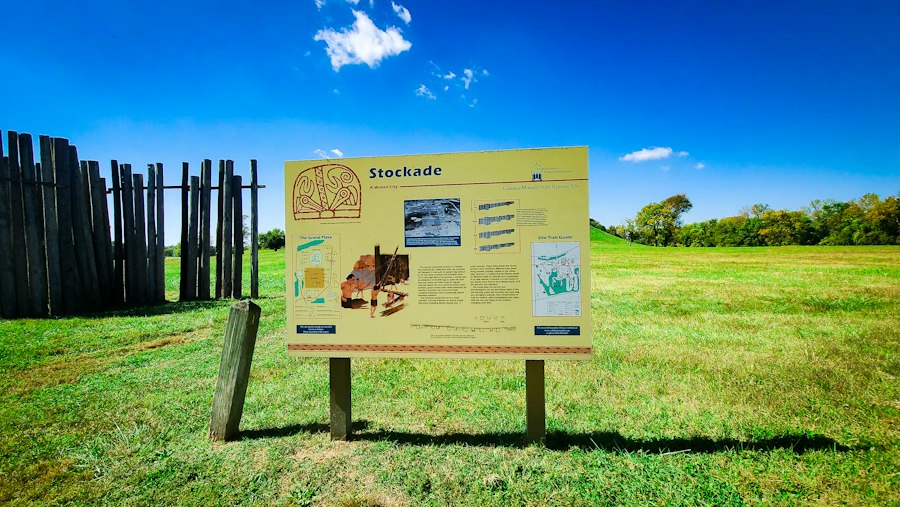
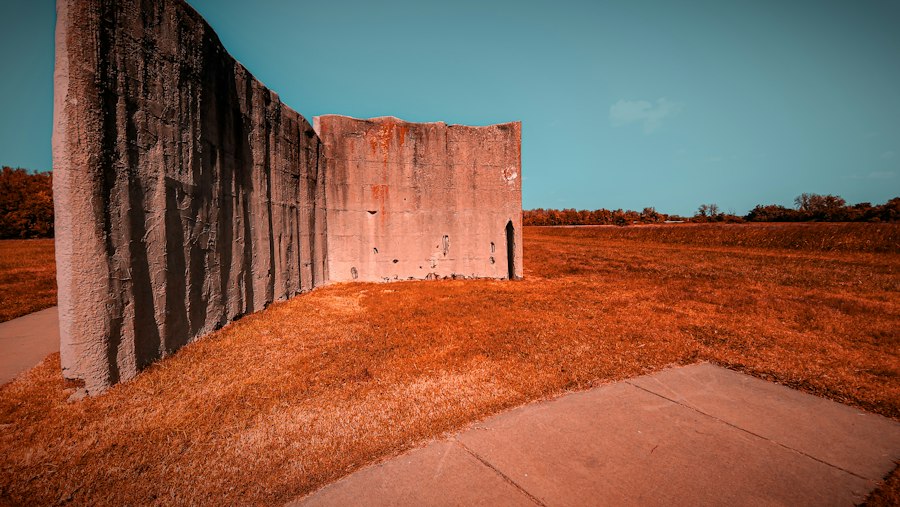
Internal social and political factors may also have contributed to Cahokia’s demise. Growing population density could have led to increased competition for resources, sparking internal conflict and social unrest. The rigid hierarchical structure, while enabling the city’s rise, might have become a source of strain, particularly if the elite were unable to effectively manage the challenges faced by the populace. Evidence of increased warfare and the construction of defensive palisades in later periods suggests growing internal and external threats.
Disease and Climate Change
The possibility of epidemic diseases, introduced through the extensive trade networks, cannot be discounted. While direct evidence is scarce, such outbreaks could have decimated the population. Additionally, shifts in climate, such as prolonged droughts or periods of increased flooding, could have severely impacted agricultural production, leading to widespread famine and societal disruption. The interaction of multiple factors, rather than a single cause, is the most likely explanation for Cahokia’s abandonment.
Cahokia, the largest pre-Columbian city north of Mexico, offers fascinating insights into the social and political structures of ancient civilizations. For those interested in understanding how historical governance can inform modern legal frameworks, a related article discusses the implications of the US National Emergency Powers Act in protecting assets. This connection highlights how the lessons from Cahokia’s complex society may resonate with contemporary issues of power and resource management. You can read more about it in this article.
Legacy and Modern Understanding
| Population | Area | Number of Mounds | Peak Period |
|---|---|---|---|
| 10,000 – 20,000 | Approximately 6 square miles | 120 mounds | 1050-1200 AD |
Though Cahokia was eventually abandoned, its legacy endures, offering invaluable insights into the rich history of pre-Columbian North America. Archaeological efforts continue to unveil the secrets of this once-great city, piecing together its story for future generations.
Archaeological Discoveries and Ongoing Research
The systematic excavation of Cahokia began in the early 20th century and continues to this day. Archaeologists have uncovered a wealth of information about its urban planning, architecture, social structure, and daily life. The discovery of Monks Mound, Woodhenge, and numerous artifacts has revolutionized our understanding of Mississippian culture. Ongoing research utilizes advanced technologies such as LiDAR and remote sensing to map the extent of the city and identify previously unknown features. These efforts continue to refine our understanding of Cahokia’s complexity and its place in the broader context of North American history.
Cahokia’s Place in American History
Cahokia stands as a powerful reminder that North America was not an empty continent prior to European arrival, but rather a landscape inhabited by sophisticated and dynamic civilizations. It challenges prevailing narratives and compels us to recognize the intellectual, social, and political achievements of indigenous peoples. Cahokia’s story is a crucial chapter in the broader narrative of human history, demonstrating the capacity for complex urban development and cultural innovation in diverse environments. Its rediscovery and continued study serve as an essential counterpoint to the often Eurocentric interpretations of American history, highlighting the enduring significance of its pre-Columbian past.

A City Bigger Than London Once Stood in America. Then It Vanished.
FAQs
What is Cahokia?
Cahokia was a pre-Columbian city located in present-day Illinois, near the city of St. Louis. It was the largest and most influential urban settlement of the Mississippian culture, which existed from approximately 800 to 1400 CE.
How large was Cahokia?
At its peak, Cahokia covered nearly six square miles and had a population of between 10,000 and 20,000 people. It was the largest pre-Columbian city north of Mexico.
What was the significance of Cahokia?
Cahokia was a major center for trade, religion, and culture in the Mississippian world. It had a complex social and political structure, with large earthen mounds, plazas, and residential areas.
What happened to Cahokia?
Cahokia declined and was abandoned around 1400 CE for reasons that are still not fully understood. Factors such as environmental degradation, political instability, and resource depletion may have contributed to its decline.
What is the legacy of Cahokia?
Cahokia’s legacy is seen in its impressive earthen mounds, which are still visible today. The site is a UNESCO World Heritage site and is considered an important archaeological and historical landmark in North America.