
Cahokia: America’s Pre-Columbian Metropolis
Long before the arrival of European explorers, North America was home to sophisticated societies that flourished for centuries. Among these, the Mississippian culture, peaking between approximately 1050 and 1350 CE, stands out for its remarkable achievements in urbanism, social organization, and monumental architecture. At the heart of this civilization lay Cahokia, a vast and complex city that, at its zenith, may have rivaled or even surpassed contemporary European metropolises in population and influence. Located in what is now southwestern Illinois, near modern-day St. Louis, Cahokia represents a pivotal chapter in the pre-Columbian history of the Americas, a testament to the ingenuity and dynamism of its indigenous inhabitants.
The story of Cahokia is one of gradual growth, strategic positioning, and the development of a complex social structure that allowed for the mobilization of resources and labor on an unprecedented scale. Its emergence was not a sudden event but rather the culmination of centuries of cultural evolution and adaptation within the fertile river valleys of the Mississippi.
Environmental Foundations and Agricultural Innovation
The success of Cahokia was deeply intertwined with its environment. Situated at the confluence of the Mississippi, Missouri, and Illinois rivers, the site offered a rich alluvial plain, ideal for agriculture. The Mississippian people were expert cultivators, focusing on a triad of crops: maize (corn), beans, and squash. This agricultural system, often referred to as the “three sisters,” provided a reliable and nutritious food source, allowing for sustained population growth and the development of sedentary settlements. The fertile soil, coupled with advanced agricultural techniques, such as the use of hoes and possibly the construction of raised fields to manage water, allowed for surplus production. This surplus was crucial, not only for feeding the growing population of Cahokia but also for supporting a specialized workforce engaged in crafts, construction, and governance.
Early Settlement and the Emergence of Social Stratification
The earliest signs of settlement in the Cahokia region date back to the Woodland period, characterized by smaller, more dispersed villages. However, around 900 CE, a significant shift occurred. A more complex social organization began to emerge, marked by increasing population density and the construction of larger earthworks. This period, known as the Emergent Mississippian phase, saw the rise of influential chiefdoms in various parts of the Mississippi Valley. These chiefdoms laid the groundwork for the eventual consolidation of power and the development of Cahokia as a dominant center.
The emergence of social stratification is evident in the archaeological record. Early burials show variations in grave goods, indicating differential wealth and status. As the settlement grew, so did the complexity of its social hierarchy. Evidence suggests a ruling elite, likely a hereditary chiefdom, who held considerable power and authority. This elite controlled land, labor, and trade, and their ability to organize large-scale public works projects, such as the construction of immense mounds, speaks volumes about their influence.
The Cahokia pre-Columbian civilization, known for its impressive earthen mounds and complex societal structure, has long fascinated historians and archaeologists. For those interested in exploring the technological advancements of ancient cultures, a related article discusses the remarkable Antikythera mechanism, an ancient Greek analog computer that showcases the ingenuity of early civilizations. You can read more about it in the article titled “Unlocking the Antikythera Mechanism’s Ancient Functions” at this link.
The Zenith of Cahokian Power: Urbanism and Monumental Architecture
At its peak, Cahokia was a sprawling urban center unlike anything else on the North American continent. Its impressive scale, sophisticated planning, and the sheer magnitude of its earthworks set it apart as a truly remarkable achievement of indigenous engineering and societal organization.
Monks Mound: The Heart of the City
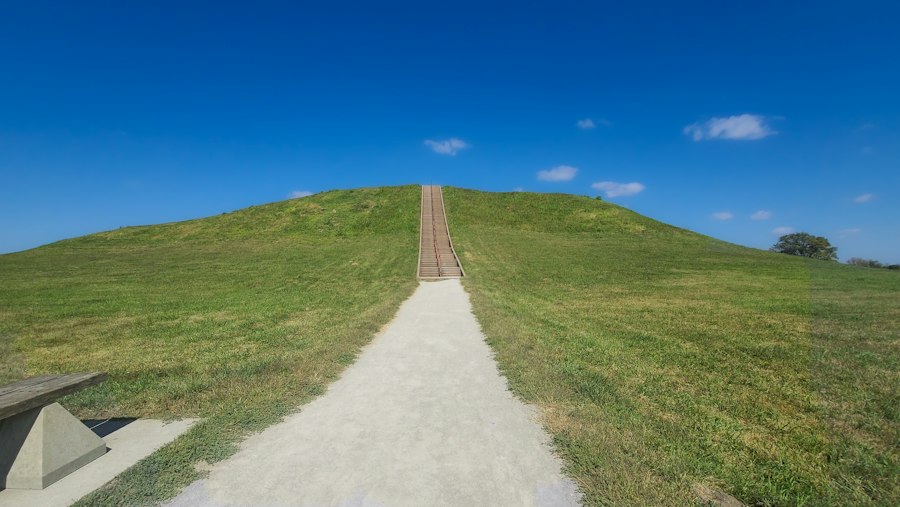
Dominating the landscape of Cahokia is Monks Mound, the largest prehistoric earthwork in the Americas. This colossal structure, covering over 14 acres and rising to a height of nearly 100 feet, is a testament to the immense labor and organizational capacity of the Cahokian people. Composed of an estimated 22 million cubic feet of earth, its construction likely took centuries, involving the organized efforts of thousands of individuals.
Construction and Purpose of Monks Mound
The precise purpose of Monks Mound remains a subject of ongoing research and debate among archaeologists. However, the prevailing theories suggest it served multiple functions. It likely housed the paramount chief and his retinue, serving as the administrative and ceremonial center of the city. The flat-topped summit, with its elaborate platform, would have provided a vantage point for public gatherings, rituals, and the display of power. Some scholars believe it also played a role in astronomical observations, with its alignment potentially reflecting celestial events. The sheer effort involved in its construction points to a highly organized society capable of mobilizing and sustaining a large workforce. The earth was likely moved in baskets or on litters, carried by hand from borrow pits located throughout the city and surrounding areas. The meticulous layering of different soil types within the mound suggests a deliberate and phased construction process.
The Grand Plaza and Surrounding Structures
Surrounding Monks Mound was a vast central plaza, known as the Grand Plaza. This open space, stretching over 50 acres, would have been the hub of public life in Cahokia. It was likely a place for markets, ceremonies, and social gatherings. The plaza was bordered by other significant structures, including numerous smaller mounds, some of which served as platforms for elite residences or temples, while others may have been burial mounds. The careful planning and layout of the Grand Plaza and its surrounding mounds indicate a deliberate urban design, with a focus on creating a monumental and imposing civic core. The regularity of some of the mound layouts suggests a degree of standardization in their construction and possibly their intended function.
Woodhenge: A Celestial Observatory
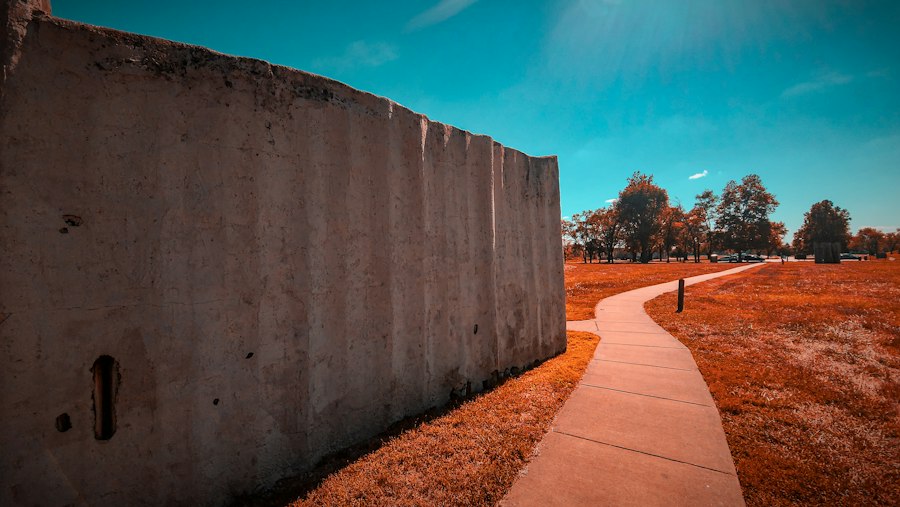
A particularly fascinating discovery at Cahokia is Woodhenge, a series of large circular constructions of wooden posts. These structures, particularly the largest one, are aligned with significant solar events, such as the summer solstice sunrise. This suggests that the Cahokians possessed a sophisticated understanding of astronomy and used these wooden circles as solar calendars for tracking seasons, agricultural cycles, and possibly for ceremonial purposes. The reconstruction of one of these Woodhenges allows modern visitors to visualize the astronomical prowess of this ancient civilization. The precise number and spacing of the posts in Woodhenges likely varied, with the larger ones serving as the primary astronomical markers.
A Thriving Hub of Trade and Cultural Exchange
Cahokia was not an isolated city but a dynamic center of interaction, connected to a vast network of trade and cultural exchange that spanned much of eastern North America. Its strategic location facilitated the movement of goods and ideas, contributing to its economic prosperity and cultural influence.
Extensive Trade Networks
The Mississippian economy was fueled by extensive trade networks. Cahokia served as a nexus for this trade, receiving raw materials and finished goods from far and wide. Copper, for example, was brought from the Great Lakes region, while shell beads originated from the Gulf Coast. Exotic stones, such as flint, were sourced from various quarries. In return, Cahokia exported its own products, likely including finely crafted pottery, agricultural surpluses, and perhaps even symbolic items that held cultural significance.
Goods and Commodities in Exchange
The archaeological record provides ample evidence of these trade connections. Artifacts made from materials not found locally are frequently unearthed at Cahokia, indicating their long-distance origins. These include mica from the Appalachian Mountains, galena from the Upper Mississippi Valley, and obsidian from the Yellowstone region. The presence of these foreign materials not only highlights the extent of Cahokian trade but also the demand for specific resources and luxury goods within its society. The exchange of these items was likely not solely economic; it also involved the transmission of cultural practices, beliefs, and social customs.
Mississippian Cultural Sphere
Cahokia was the most prominent city within the broader Mississippian cultural sphere, which encompassed a vast geographical area. While other Mississippian centers existed, Cahokia exerted a considerable degree of influence over its neighbors. This influence was likely expressed through political alliances, religious ideology, and the dissemination of Mississippian cultural traits, such as mound construction techniques, pottery styles, and ceremonial practices. The presence of Cahokian-style artifacts at distant sites, and vice-versa, attests to this cultural interconnectedness.
Shared Beliefs and Rituals
A shared cosmology and set of religious beliefs likely bound together the Mississippian world. Evidence suggests a reverence for the sun, the underworld, and a complex pantheon of supernatural beings. Rituals played a significant role in Mississippian society, and Cahokia, with its monumental architecture and elite residences, was undoubtedly a focal point for many of these ceremonies. The iconography found on pottery, shell gorgets, and other artifacts often depicts figures engaged in religious activities, warfare, or mythological scenes, providing insights into their worldview.
The Decline and Disappearance of Cahokia
By the late 14th century, Cahokia began to experience a decline, and by the time Europeans arrived, the city was largely abandoned. The reasons for this collapse are complex and likely multifaceted, involving environmental pressures, social unrest, and possibly disease.
Environmental Degradation and Resource Depletion
As the population of Cahokia grew, so did the strain on its surrounding environment. Deforestation, driven by the need for building materials and fuel, likely led to soil erosion and a decline in agricultural productivity. Over-farming could have depleted soil nutrients, further exacerbating food shortages. The management of the river systems, crucial for agriculture and transportation, may have become increasingly challenging.
Water Management and Agricultural Strain
The fertile floodplains that had supported Cahokia’s growth could have become a source of vulnerability. Increased sediment runoff from deforested areas might have altered river channels, leading to unpredictable flooding or drought conditions. The reliance on a sophisticated agricultural system would have made the city particularly susceptible to such environmental changes.
Social and Political Instability
Internal conflicts or external pressures may have contributed to Cahokia’s decline. Evidence of increased fortifications and defensive structures in later periods suggests growing insecurity. It is possible that the complex social hierarchy fractured, leading to internal strife and the breakdown of centralized authority. The ability of the elite to maintain control and mobilize labor may have diminished over time.
Evidence of Conflict and Social Change
Archaeological findings have revealed signs of increased violence and social upheaval in the later stages of Cahokia’s occupation. This could have been due to inter-group conflict, resource scarcity, or internal power struggles. The abandonment of some residential areas and the concentration of populations in fewer, more defensible locations might indicate a period of significant social stress.
Disease and External Factors
While not directly evidenced by archaeology in the same way as other factors, the introduction of diseases, to which indigenous populations had no immunity, remains a possibility for population decline and societal disruption in the aftermath of Cahokia’s zenith, although this would have been more prominent with European contact. However, it is also important to consider that even without widespread European-introduced diseases, endemic diseases could have played a role in population dynamics, especially in densely populated urban centers. Natural disasters, such as extreme weather events or earthquakes, could also have played a role, though direct evidence for such events on a catastrophic scale is scarce.
Cahokia, the largest pre-Columbian city north of Mexico, offers a fascinating glimpse into the complexities of ancient urban life and social organization. Researchers continue to explore the factors that contributed to its rise and eventual decline, shedding light on the intricate dynamics of its society. For a deeper understanding of how social structures can influence the fate of civilizations, you might find it interesting to read about the broader implications of archaeological findings in this related article on social collapse. Check it out here.
Legacy and Modern Understanding
| Aspect | Metric |
|---|---|
| Population | Estimated to be around 20,000 to 30,000 at its peak |
| Location | Located in present-day Illinois, near St. Louis, Missouri |
| Time Period | Flourished between 1050 and 1350 AD |
| Structures | Had large earthen mounds, plazas, and a Woodhenge |
| Trade | Engaged in long-distance trade with other Native American cultures |
Despite its eventual abandonment, the legacy of Cahokia endures. Archaeological research continues to reveal the astonishing complexity and sophistication of this pre-Columbian civilization, challenging previous notions about the nature of indigenous societies in North America.
Archaeological Discoveries and Ongoing Research
The ongoing work of archaeologists at Cahokia has revolutionized our understanding of the Mississippian culture. Excavations have uncovered a wealth of artifacts, offering insights into daily life, social organization, religious beliefs, and technological achievements. The use of advanced techniques, such as lidar (light detection and ranging), has helped map the vast extent of the city and identify previously unknown features.
Unraveling the Mysteries of Cahokian Society
Each new discovery at Cahokia adds another piece to the puzzle of this lost civilization. Researchers are working to reconstruct the city’s social structure, economic systems, and political dynamics. The study of skeletal remains provides information about diet, health, and migration patterns. The analysis of pottery and other artifacts helps trace trade routes and cultural influences. The challenges remain significant, as much of Cahokia’s history is preserved only in the archaeological record, requiring careful interpretation and ongoing debate.
Cahokia’s Place in American History
Cahokia stands as a powerful reminder that North America was not an empty wilderness before European arrival. It was a land inhabited by diverse and complex societies with rich histories and remarkable achievements. Understanding Cahokia is essential for a complete and nuanced understanding of American history, moving beyond a narrative solely focused on European colonization to acknowledge the profound contributions and sophisticated civilizations that predated it. It challenges romanticized or ethnocentric views of the past, offering a more accurate and inclusive portrayal of the human story on the continent. Cahokia compels us to reconsider our definitions of “civilization” and to appreciate the ingenuity and resilience of indigenous peoples. It is a testament to the fact that advanced urbanism, complex social structures, and profound cultural achievements were not solely European phenomena, but were integral to the story of humanity in the Americas.

A City Bigger Than London Once Stood in America. Then It Vanished.
FAQs
What is Cahokia?
Cahokia was a pre-Columbian Native American civilization located in present-day Illinois, near the city of St. Louis. It was the largest and most influential urban settlement of the Mississippian culture, thriving between the 9th and 15th centuries.
What were the main features of Cahokia?
Cahokia was characterized by its large earthen mounds, including Monks Mound, the largest prehistoric earthwork in the Americas. The site also featured a sophisticated urban layout, with plazas, residential areas, and ceremonial spaces.
What was the population of Cahokia?
At its peak, Cahokia is estimated to have had a population of 10,000 to 20,000 people, making it one of the largest cities in the world at the time. The civilization was a major center for trade, religion, and culture in the region.
What caused the decline of Cahokia?
The exact reasons for the decline of Cahokia are not fully understood, but factors such as environmental degradation, resource depletion, and social upheaval are believed to have played a role. By the 14th century, the city was largely abandoned.
What is the significance of Cahokia?
Cahokia is significant for its monumental architecture, complex social organization, and influence on the development of subsequent Native American cultures in the region. It is also a UNESCO World Heritage site and an important archaeological and historical landmark.