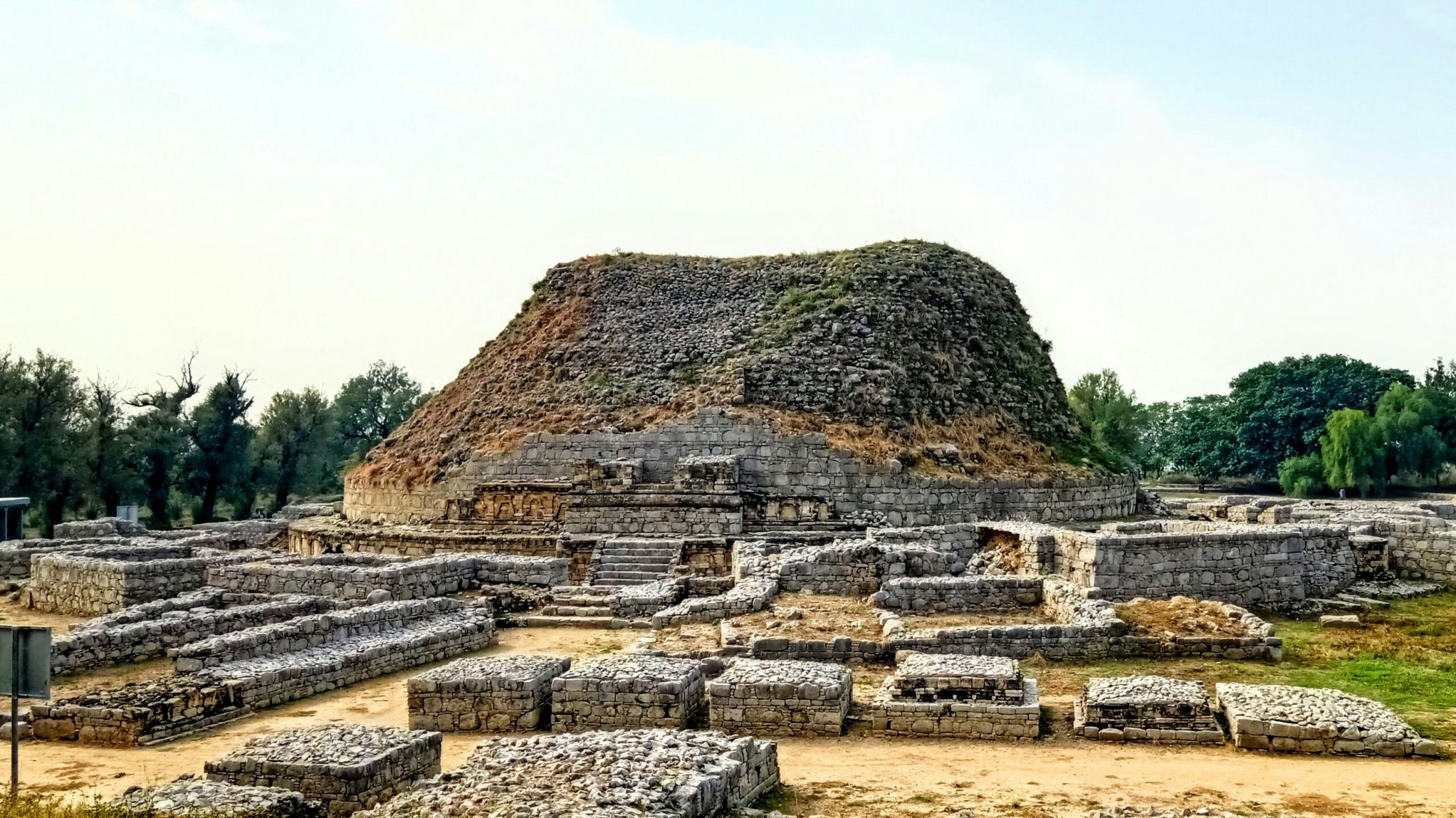
The vast, verdant plains of southwestern Illinois, near modern-day St. Louis, hold the silent, imposing remnants of a civilization that once commanded immense power and influence across eastern North America. This is the story of Cahokia, the preeminent center of the Mississippian culture, a society that flourished from approximately 1050 to 1350 CE. For centuries, its monumental earthen mounds, intricate social structures, and far-reaching trade networks remained largely a mystery, a testament to a people who left behind no written records but whose legacy is etched into the very landscape. Uncovering the rich history of Cahokia Mississippian Culture is a journey into the heart of one of America’s most significant, yet often overlooked, ancient civilizations.
Cahokia was not merely a collection of villages; it was a sprawling urban complex, a metropolis that, at its peak, may have housed as many as 20,000 to 50,000 inhabitants. This was a population density comparable to many European cities of the same era, a remarkable feat for a society without wheeled vehicles, advanced metallurgy, or domesticated draft animals. The sheer scale of Cahokia is breathtaking, with hundreds of mounds of varying sizes and purposes spread across approximately six square miles. This monumental construction was a testament to organized labor, sophisticated engineering, and a complex social hierarchy capable of mobilizing vast resources.
The Monks Mound: A Symbol of Power and Piety
At the heart of this urban landscape stands Monks Mound, a colossal structure that dominates the site and serves as its undeniable centerpiece. This immense platform mound, covering over 14 acres and rising to a height of nearly 100 feet, is the largest pre-Columbian earthwork in the Americas. Its construction involved the movement of millions of cubic feet of earth, painstakingly carried in baskets and deposited layer by layer over generations. The summit of Monks Mound once supported a large building, likely the residence of the paramount chief, offering a commanding view of the entire city and its surrounding territories. The strategic placement and immense scale of Monks Mound suggest it was not only a feat of engineering but also a potent symbol of political and religious authority. Its presence alone would have conveyed power, prestige, and the ability of the ruling elite to command the labor of their populace. Archaeological investigations have revealed distinct construction phases, indicating a long and deliberate process of creation and expansion, reflecting the evolving needs and ambitions of Cahokian society. The meticulous layering of different soil types also speaks to a sophisticated understanding of construction techniques, ensuring the stability and longevity of this monumental edifice.
The Grand Plaza: The Civic and Ceremonial Heart
Surrounding Monks Mound is the Grand Plaza, a vast, open space that served as the civic and ceremonial heart of Cahokia. This expansive area, meticulously leveled and maintained, was the stage for public gatherings, rituals, and perhaps even markets. The plaza’s scale and central location underscore its importance as a unifying space for the diverse population of Cahokia. It was here that the community likely came together for significant events, reinforcing social cohesion and collective identity. The careful planning of the plaza, its integration with Monks Mound, and its surrounding structures all point to a deliberate and sophisticated urban design, a testament to the organizational capabilities of the Mississippian people. The sheer emptiness of the plaza today belies the vibrant activity that once pulsed through it, a stark reminder of the lost vibrancy of this ancient urban center.
Residential Wards and Social Stratification
Beyond the monumental core, Cahokia was divided into distinct residential wards, each with its own characteristics and likely social standing. Archaeological evidence reveals varying levels of wealth and social complexity within these neighborhoods, from modest dwellings to more elaborate residences, suggesting a stratified society with clear distinctions in status and lifestyle. The proximity of these wards to the Grand Plaza and Monks Mound, as well as their access to resources, likely played a role in their social hierarchy. The distribution of artifacts, such as pottery styles and personal adornments, further illuminates these social distinctions, providing glimpses into the daily lives and material culture of Cahokian citizens. Understanding the spatial organization of these residential areas is crucial to comprehending the social dynamics and the functioning of Cahokia as a complex urban entity.
Cahokia, the largest pre-Columbian settlement north of Mexico, was a remarkable center of the Mississippian culture, known for its impressive earthen mounds and complex societal structures. To gain a deeper understanding of the economic systems that may have influenced Cahokia and other ancient civilizations, you can explore the article on rationing systems in the ancient world. This piece provides valuable insights into how resource management and distribution shaped societies, including those like Cahokia that thrived on agriculture and trade. For more information, visit this article.
The Pillars of Mississippian Society: Governance and Beliefs
The functioning of Cahokia, like any complex society, was underpinned by a sophisticated system of governance and a rich tapestry of religious beliefs. While direct evidence of their political structures is scarce, archaeological findings provide compelling insights into how this vast civilization was organized and what guided their worldview. The power of the chiefdom, the role of religious leaders, and the cyclical nature of life and death all played pivotal roles in shaping Cahokian society.
The Paramount Chiefdom and Elite Authority
The evidence strongly suggests that Cahokia was ruled by a paramount chief, whose authority extended over a vast territory. This chief likely resided at the pinnacle of Monks Mound, a position of immense prestige and power. The presence of elaborate burials, adorned with precious materials and exotic goods, further points to the existence of a ruling elite who wielded considerable influence. These individuals likely controlled the distribution of resources, organized labor for monumental construction, and mediated disputes. The Mississippian political system was likely a form of chiefdom, characterized by hereditary leadership and a hierarchical structure, with power flowing from the paramount chief down to lesser chiefs and village leaders. The intricate network of alliances and dependencies that Cahokia established with surrounding communities speaks to a sophisticated diplomatic and political strategy, underscoring the chiefdom’s regional dominance.
Cosmological Beliefs and Ritual Practices
The religious beliefs of the Mississippian people were deeply intertwined with their understanding of the cosmos and the cycles of nature. The mounds themselves were likely imbued with religious significance, serving as conduits between the earthly realm and the spirit world. Astronomical alignments observed in the layout of certain structures, such as Woodhenge, suggest a keen understanding of celestial movements and their importance in their ritual practices. The practice of offering sacrifices, both of goods and, in some instances, human beings, played a significant role in their ceremonies. These rituals were likely aimed at appeasing deities, ensuring good harvests, and maintaining cosmic order. The iconography found on artifacts, such as shell gorgets and pottery, often depicts mythical beings, supernatural animals, and scenes of warfare and transformation, providing a window into their complex cosmology and belief systems. The cyclical nature of life and death, rebirth and renewal, appears to have been a central theme in their spiritual outlook.
The Role of Divination and Ceremony
Within Cahokian society, individuals who could interpret omens, predict future events, and communicate with the spirit world likely held significant sway. These diviners would have been integral to the decision-making processes of the elite, guiding them in matters of warfare, agriculture, and religious observances. The elaborate ceremonies, often conducted in the Grand Plaza or atop the mounds, were crucial for reinforcing social bonds, validating the authority of the elite, and maintaining the perceived balance of the universe. These rituals would have involved elaborate costumes, music, dance, and the consumption of sacred substances, all contributing to a powerful and immersive spiritual experience for the participants. The very act of communal participation in these ceremonies would have served to strengthen the collective identity and solidarity of the Cahokian people.
The Engine of Society: Subsistence and Economy
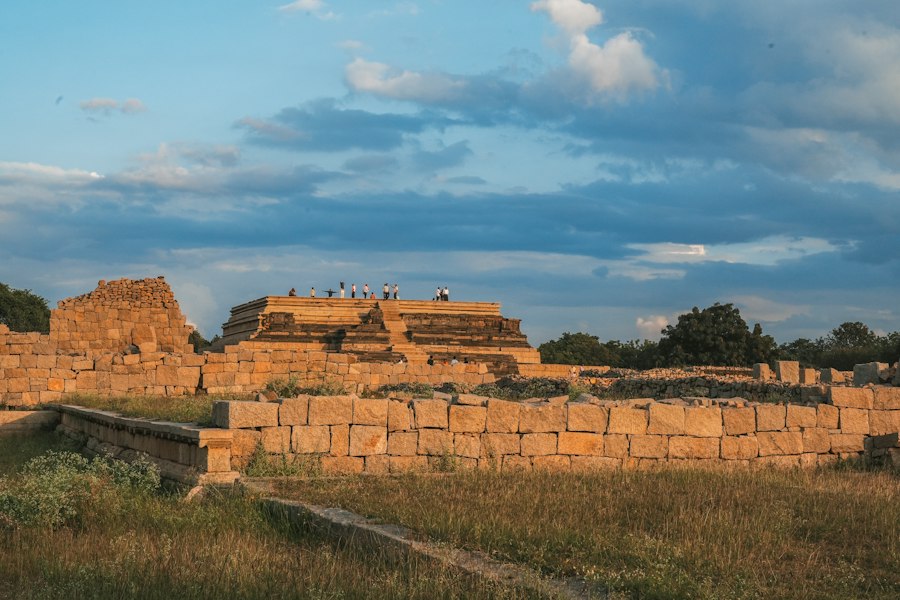
The flourishing of Cahokia was intrinsically linked to its ability to sustain a large population and engage in extensive trade. The Mississippian economy was based on a sophisticated agricultural system, supplemented by hunting, fishing, and the acquisition of valuable resources through intricate exchange networks. This economic foundation provided the surplus necessary for monumental construction, specialized craft production, and the maintenance of a complex social hierarchy.
Intensive Agriculture and the Maize Revolution
The foundation of Cahokian subsistence was intensive agriculture, with maize (corn) being the staple crop. The development of sophisticated agricultural techniques, including the use of hoes and possibly raised fields, allowed for the cultivation of large quantities of food, supporting the dense urban population. The surplus generated from agriculture was crucial for storing food reserves, feeding a non-farming population of laborers and elites, and providing goods for trade. The widespread adoption of maize cultivation throughout the Eastern Woodlands during the Mississippian period marked a significant shift in subsistence strategies, enabling the development of larger, more sedentary communities. This agricultural revolution was not just about growing more food; it also represented a fundamental change in the relationship between humans and the land, leading to increased reliance on cultivated crops.
Specialized Craft Production and Artisanship
Cahokia was also a center of specialized craft production. Artisans meticulously worked with various materials, producing a wide array of goods for daily use, ceremonial purposes, and trade. This included the creation of finely crafted pottery, often decorated with intricate designs, the carving of stone tools and ornaments, and the working of shell into beads, pendants, and effigies. The extraction and processing of raw materials, such as flint for tools and copper for ornaments, would have required skilled labor and established trade routes. The presence of workshops and evidence of discarded materials at the site further indicates a high degree of specialization within Cahokian society. The quality and sophistication of these crafted items speak to a deep understanding of material properties and artistic traditions.
Extensive Trade Networks: A Continent-Spanning Reach
Perhaps one of the most remarkable aspects of Cahokia’s history is its extensive trade network, which stretched across much of eastern North America. Cahokians traded surplus agricultural products, crafted goods, and perhaps even political influence for exotic materials such as copper from the Great Lakes region, mica from the Appalachian Mountains, and shells from the Gulf Coast. These valuable commodities were not only used for adornment and ritual but also served as markers of status and prestige, reinforcing the power of the elite. The wide distribution of Cahokian pottery styles and other artifacts in distant regions further attests to the vast reach of their influence and the interconnectedness of the Mississippian world. This economic interdependence fostered a dynamic exchange of ideas, technologies, and cultural practices, shaping the broader Mississippian landscape.
The Mysteries of Decline: Cahokia’s Disappearance
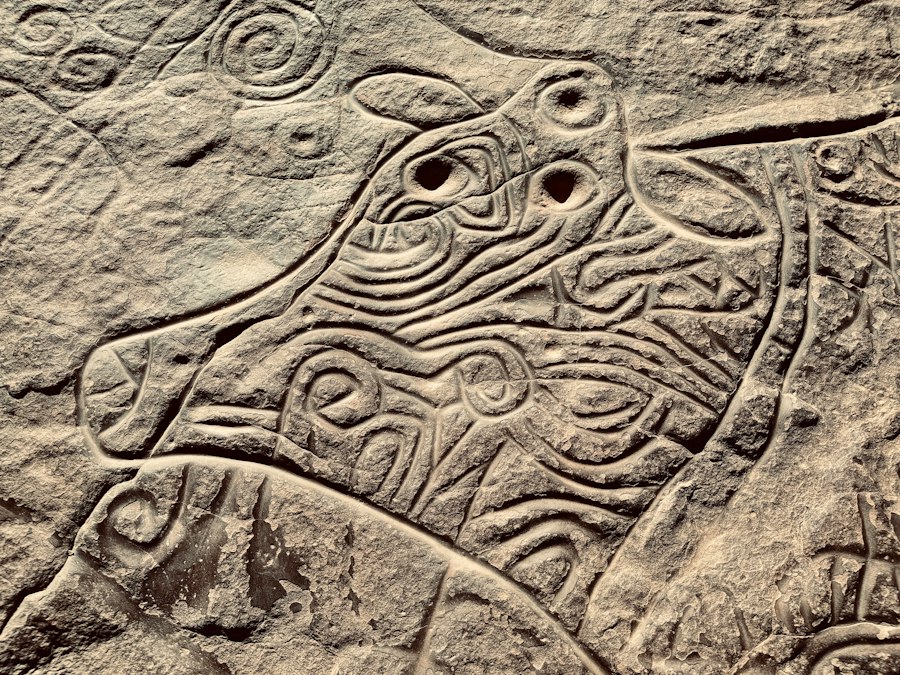
Around the 14th century CE, Cahokia began a significant decline, leading to its eventual abandonment. The reasons for this dramatic shift remain a subject of ongoing debate and research among archaeologists and historians. While no single cause is definitively identified, a confluence of factors likely contributed to the city’s demise and the dispersal of its population.
Environmental Pressures and Resource Depletion
One prominent theory suggests that environmental degradation played a significant role in Cahokia’s decline. Intensive agriculture, coupled with the large population, may have led to soil depletion, deforestation, and increased erosion. The construction of monumental earthworks also required vast amounts of timber for scaffolding and fuel, further straining local resources. A series of major floods from the Mississippi River, evidenced in geological and archaeological records, could have also caused significant damage to agricultural lands and infrastructure, impacting the city’s ability to sustain itself. The cumulative effect of these environmental pressures may have made life in Cahokia increasingly difficult, forcing its inhabitants to seek more sustainable living conditions elsewhere.
Social and Political Instability
Internal social and political strife could also have contributed to Cahokia’s downfall. As the population grew and resources became strained, tensions within the society may have escalated. Competition for power among elite factions, peasant unrest, or even the breakdown of the chiefdom’s authority could have led to instability and a decline in the city’s ability to organize and function effectively. Evidence of increased defensive structures in later periods of Cahokia’s occupation, such as palisades, might suggest growing internal conflict or external threats, further contributing to a climate of insecurity. The fragmentation of the paramount chiefdom could have led to the migration of people to establish new, smaller centers or to rejoin their kin in outlying villages.
Disease and Demographic Shifts
The possibility of disease epidemics, though difficult to prove conclusively without direct skeletal evidence, cannot be entirely ruled out. Large, densely populated urban centers are often vulnerable to the rapid spread of infectious diseases, especially in pre-modern societies. A significant demographic collapse due to disease could have severely weakened the city and contributed to its eventual abandonment. Moreover, shifts in trade routes, the rise of competing centers, or the migration of populations to more fertile or strategically advantageous locations could have also played a role in Cahokia’s decline and the dispersal of its people. The Mississippian culture did not disappear entirely; rather, it transformed and adapted, with its descendants carrying on traditions in various forms across the Eastern Woodlands.
Cahokia, a remarkable center of Mississippian culture, has long fascinated historians and archaeologists alike due to its complex societal structures and monumental earthworks. Recent discoveries, such as those reported in an article about archaeologists uncovering a sealed chamber in an ancient city, shed light on the intricate lives of its inhabitants and their connections to other cultures. These findings not only enhance our understanding of Cahokia’s significance but also highlight the broader context of ancient urban development in North America. For more insights into these exciting archaeological revelations, you can read the full article here.
Legacy and Ongoing Discovery: Preserving Cahokia’s Story
| Time Period | Location | Population | Significance |
|---|---|---|---|
| AD 600-1400 | Illinois, United States | Estimated 10,000-20,000 at its peak | One of the largest pre-Columbian urban centers in North America |
The story of Cahokia is far from over. Archaeological research continues to unveil new insights into this fascinating civilization, and efforts are underway to preserve its remains and share its rich history with the world. The ongoing discoveries at Cahokia not only deepen our understanding of the Mississippian culture but also challenge preconceived notions about the complexity and sophistication of indigenous societies in North America prior to European contact.
Archaeological Excavations and Scientific Advancement
Modern archaeological techniques, including LiDAR (Light Detection and Ranging) scanning, ground-penetrating radar, and advanced DNA analysis, are revolutionizing our understanding of Cahokia. These technologies allow researchers to map the subsurface features of the site with unprecedented detail, revealing hidden structures and patterns that were previously invisible. Ongoing excavations continue to unearth artifacts, skeletal remains, and environmental data, providing crucial clues about the daily lives, diet, health, and social structures of the Cahokian people. The careful study of these finds, combined with interdisciplinary research, is constantly refining our interpretations of this ancient metropolis.
The Importance of Preservation and Public Engagement
The preservation of the Cahokia Mounds State Historic Site is paramount to ensuring that future generations can learn from and appreciate this invaluable cultural heritage. Protecting the site from erosion, development, and vandalism is an ongoing challenge that requires dedicated conservation efforts. Furthermore, public engagement plays a vital role in fostering an appreciation for Cahokia’s history. Interpretive centers, guided tours, and educational programs help to bring the story of the Mississippian culture to life for visitors, fostering a sense of connection to this ancient past and highlighting the enduring legacy of its inhabitants. The site serves as a powerful reminder of the ingenuity, complexity, and resilience of indigenous peoples who shaped the North American landscape for millennia.

A City Bigger Than London Once Stood in America. Then It Vanished.
FAQs
What is the Cahokia Mississippian culture?
The Cahokia Mississippian culture refers to the Native American civilization that existed in the Mississippi River Valley from approximately 800 to 1400 CE. It was centered around the Cahokia Mounds, a large pre-Columbian archaeological site located in present-day Illinois.
What were the main characteristics of the Cahokia Mississippian culture?
The Cahokia Mississippian culture was known for its large earthen mounds, complex social structure, extensive trade networks, and sophisticated agricultural practices. The society was organized around a central political and religious authority, and it is believed to have been a hub for regional trade and cultural exchange.
What is the significance of the Cahokia Mississippian culture in North American history?
The Cahokia Mississippian culture is significant in North American history as it was one of the most complex and influential pre-Columbian societies in the region. It played a key role in shaping the cultural and political landscape of the Mississippi River Valley and had a lasting impact on subsequent Native American civilizations.
What led to the decline of the Cahokia Mississippian culture?
The decline of the Cahokia Mississippian culture is believed to have been caused by a combination of factors, including environmental degradation, resource depletion, social and political unrest, and possibly external conflicts. The exact reasons for its decline are still a subject of scholarly debate.
What is the legacy of the Cahokia Mississippian culture today?
The legacy of the Cahokia Mississippian culture can be seen in the archaeological remains of the Cahokia Mounds, as well as in the cultural and artistic traditions of contemporary Native American tribes in the region. The site is also a UNESCO World Heritage site and continues to be a source of fascination and study for archaeologists and historians.