The whisper of ancient civilizations echoes across the North American continent, a testament to human ingenuity and adaptation that predates written records for many of its original inhabitants. From the towering pyramids of Mesoamerica to the sophisticated settlements of the Eastern Woodlands, these forgotten metropolises offer a captivating glimpse into the lives, beliefs, and achievements of peoples who shaped the land long before the arrival of European explorers. Exploring these ancient cities is not merely an archaeological endeavor; it is a journey through time, a humbling encounter with the enduring power of human culture.
The Maya civilization, a brilliant and complex society that flourished in Mesoamerica, stands as one of the most remarkable ancient cultures of North America. Their cities, meticulously planned and beautifully adorned, were not just centers of population but also hubs of astronomical observation, religious devotion, and sophisticated artistic expression. Nestled within the lush and often challenging rainforests of present-day Mexico, Guatemala, Belize, Honduras, and El Salvador, Maya cities rose from the jungle floor, their stone structures reaching towards the heavens. These urban centers were the heart of a civilization that developed an advanced writing system, a profound understanding of mathematics and astronomy, and a distinctive artistic style that continues to awe and inspire.
Tikal: The Resonant City of Echoes
Tikal, located in the Petén Basin of Guatemala, is arguably the most iconic Maya city, a sprawling metropolis that once housed hundreds of thousands of people. Its sheer scale and the grandeur of its monumental architecture are breathtaking. Towering pyramids, such as Temple I (the Temple of the Great Jaguar) and Temple IV, dominate the skyline, their steep staircases once ascending to sacred ceremonial platforms. The jungle has reclaimed much of Tikal, with ancient stone carvings peeking out from tangled roots and the calls of howler monkeys replacing the chants of priests. Yet, standing atop these ancient structures, one can almost feel the pulse of a vibrant civilization, the murmur of crowds, and the solemnity of religious processions.
The Grand Plaza and its Temples
The heart of Tikal is its Great Plaza, a vast ceremonial space flanked by monumental temples and palaces. Temple I, with its imposing roof comb, served as a royal tomb, while Temple II, the Temple of the Masks, likely honored a queen. The North Acropolis and the Central Acropolis are vast complexes of interconnected courtyards, residential areas, and administrative buildings, offering a glimpse into the daily lives of the Maya elite. The intricate stelae, carved with hieroglyphic inscriptions and portraits of rulers, provide invaluable historical and dynastic information, deciphered over decades by dedicated epigraphers.
The Observatory and Astronomical Prowess
The Maya possessed an extraordinary understanding of astronomy, and their cities reflect this deep connection to the cosmos. Structures like the Observatory at Chichén Itzá, though not exclusively Maya, demonstrate a keen interest in celestial movements. In Tikal, specific alignments of buildings and plazas suggest a sophisticated knowledge of the sun, moon, and planets, influencing their calendar systems and religious practices. The Maya Long Count calendar, for instance, allowed them to track vast periods of time, demonstrating a cosmological worldview that extended far beyond the human lifespan.
Palenque: The Jewel of the Chiapas Highlands
Further west, in the Chiapas Highlands of Mexico, lies Palenque, a city renowned for its exquisite artistry and the elegance of its architecture. While smaller than Tikal, Palenque boasts some of the most beautifully preserved and intricately decorated Maya structures. Its temples and palaces are adorned with elaborate stucco carvings and detailed bas-reliefs that depict rulers, gods, and mythological scenes with an unparalleled level of refinement.
The Temple of the Inscriptions and Pakal the Great
The Temple of the Inscriptions, a towering pyramid, is perhaps Palenque’s most significant structure, primarily due to the discovery of the tomb of Pakal the Great within its depths. The sarcophagus lid, a masterpiece of Maya art, depicts Pakal’s descent into the underworld, a complex and symbolic representation of death and rebirth. The hieroglyphic inscriptions within the tomb chronicle Pakal’s lineage and reign, offering a deeply personal and historical narrative.
The Palace Complex and its Water Systems
The Palace complex at Palenque is a labyrinthine arrangement of courtyards, halls, and residential quarters, showcasing the Maya’s mastery of engineering and architecture. Notably, Palenque is also famous for its sophisticated water management systems, including aqueducts and channels, which supplied the city with fresh water and managed its drainage. This demonstrates a practical understanding of their environment and a commitment to urban planning.
The ancient cities of North America, such as Cahokia and Chaco Canyon, offer fascinating insights into the complex societies that thrived long before European contact. These urban centers were characterized by impressive architectural achievements and sophisticated social structures. For a deeper understanding of how historical contexts can influence modern economic strategies, you might find the article on US economic stabilization measures for recovery particularly relevant. It explores how lessons from the past can inform current policies and practices. You can read more about it here: US Economic Stabilization Measures for Recovery.
The Aztec Empire: Masters of Tenochtitlan
Emerging later in Mesoamerica, the Aztec Empire built a vast and powerful state, centered on the awe-inspiring city of Tenochtitlan. Founded on an island in the middle of Lake Texcoco, Tenochtitlan was a marvel of engineering and urban planning, a bustling metropolis that rivaled any in Europe at the time of its conquest. Its impressive chinampas, or floating gardens, transformed the shallow lake into fertile agricultural land, supporting a massive population. The Aztecs were skilled warriors, administrators, and builders, their culture rich in religious ceremony and artistic expression.
Tenochtitlan: The Venice of the Americas
Tenochtitlan, now the site of modern Mexico City, was an island city connected to the mainland by causeways and crisscrossed by canals. Its heart was the Templo Mayor, a massive twin pyramid dedicated to the gods Huitzilopochtli (god of war and sun) and Tlaloc (god of rain and agriculture). The city was a vibrant center of trade, politics, and religion, a testament to the organizational prowess of the Mexica people.
The Templo Mayor and its Sacrificial Rites
The Templo Mayor was the spiritual and ceremonial epicenter of Tenochtitlan. Excavations have revealed the layered history of its construction, with successive temples built upon the ruins of older ones. Numerous artifacts, including stone carvings, pottery, and offerings, have been unearthed, providing insights into Aztec religious beliefs and practices, which often included elaborate rituals and sacrifices.
The Chinampas: Ingenious Agriculture
The chinampas were an ingenious agricultural system developed by the Aztecs. These artificial islands, built from layers of mud and vegetation, were incredibly fertile and allowed for year-round cultivation. They were a crucial element in supporting the large population of Tenochtitlan, demonstrating a remarkable ability to adapt to and manipulate their environment for sustenance.
The Ancestral Puebloans: Masters of the Mesa
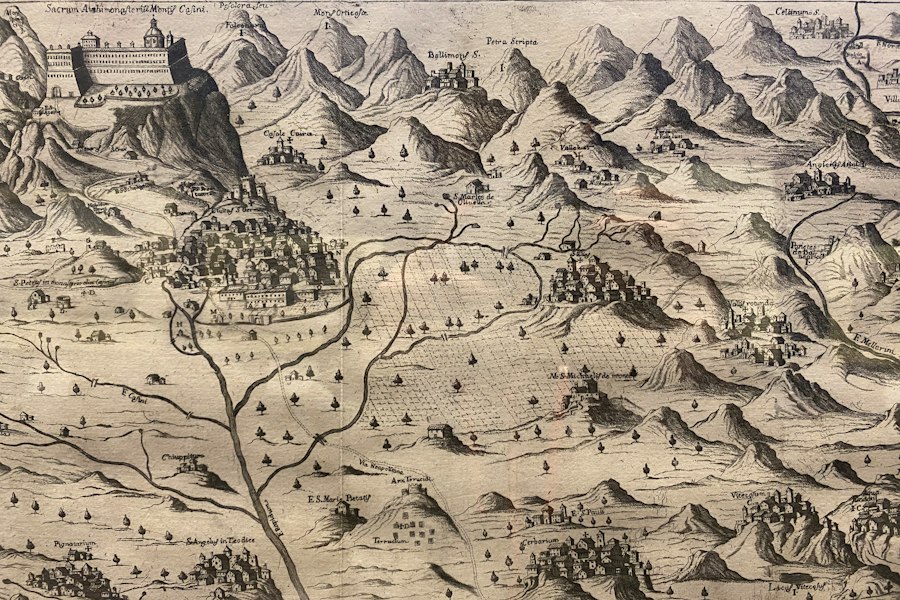
Moving north into the arid landscapes of the American Southwest, the Ancestral Puebloans, also known as the Anasazi, left behind a legacy of spectacular cliff dwellings and pueblo villages. These ancient peoples, who inhabited areas of present-day Arizona, New Mexico, Colorado, and Utah, were remarkable builders and skilled agriculturalists, ingeniously adapting to a challenging environment. Their settlements, often perched precariously on cliff faces or clustered on mesa tops, stand as enduring symbols of their resilience and ingenuity.
Mesa Verde: The City in the Cliffs
Mesa Verde National Park in Colorado is home to some of the most impressive Ancestral Puebloan sites, most notably Cliff Palace and Balcony House. These villages, constructed within natural alcoves in the sheer sandstone cliffs, offer a dramatic visual display of their architectural prowess. The dwellings are intricately built from stone and mortar, with multi-story structures, kivas (ceremonial chambers), and storage areas.
Cliff Palace: A Thriving Community
Cliff Palace, the largest cliff dwelling in North America, once housed an estimated 100 to 120 people. Its well-preserved rooms, plazas, and ceremonial spaces provide a vivid impression of daily life in this unique settlement. The careful planning and construction, utilizing the natural contours of the rock, highlight the Ancestral Puebloans’ deep understanding of their environment and their architectural capabilities.
Balcony House: A Defensive Marvel
Balcony House, another remarkable cliff dwelling, is known for its defensive features, including a single entrance tunnel and narrow passageways. This suggests a need for protection from potential threats, a common concern for ancient communities. Exploring Balcony House requires navigating narrow tunnels and climbing ladders, offering a tangible sense of the challenges and triumphs of life in these elevated settlements.
Chaco Canyon: A Center of Trade and Culture
Chaco Canyon, in northwestern New Mexico, was a major center of Ancestral Puebloan civilization for several centuries. It is characterized by its large, multi-story pueblos, such as Pueblo Bonito, and its extensive road system. Chaco Canyon served as a hub for trade and social interaction, connecting disparate communities across a vast region.
Pueblo Bonito: The Great House
Pueblo Bonito, meaning “beautiful village,” is the most famous and largest of the Chacoan “great houses.” This D-shaped structure, with its over 600 rooms and multiple stories, was a complex of residential, ceremonial, and administrative functions. The intricate masonry and sophisticated design of Pueblo Bonito point to a highly organized society with a strong leadership structure.
The Chacoan Road System: A Network of Connection
The Ancestral Puebloans built an extensive network of roads radiating out from Chaco Canyon. These well-engineered pathways, often straight and wide, connected Chaco to smaller outlying settlements. The purpose of these roads is still debated, but they likely facilitated trade, pilgrimage, and communication, underscoring the importance of Chaco Canyon as a regional center.
The Mississippian Culture: Mound Builders of the East
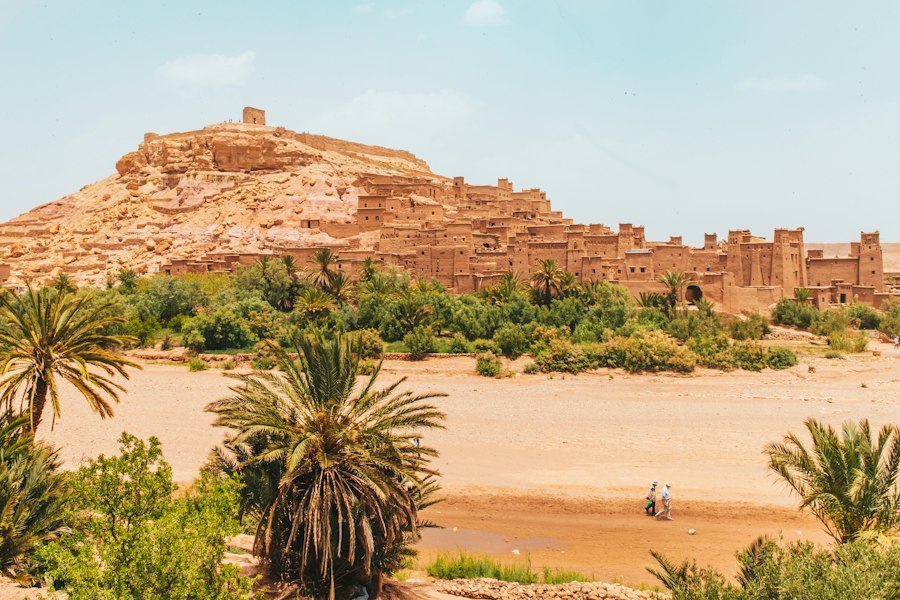
Further east, across the vast plains and forests of North America, the Mississippian culture rose to prominence, leaving behind a legacy of monumental earthworks known as mounds. These mound builders, who flourished between approximately 800 and 1600 CE, developed complex societies with hierarchical structures, sophisticated agricultural practices, and extensive trade networks. Their cities, though often ephemeral compared to stone structures, played a crucial role in the social, political, and religious life of the Eastern Woodlands.
Cahokia: Metropolis of the Midwest
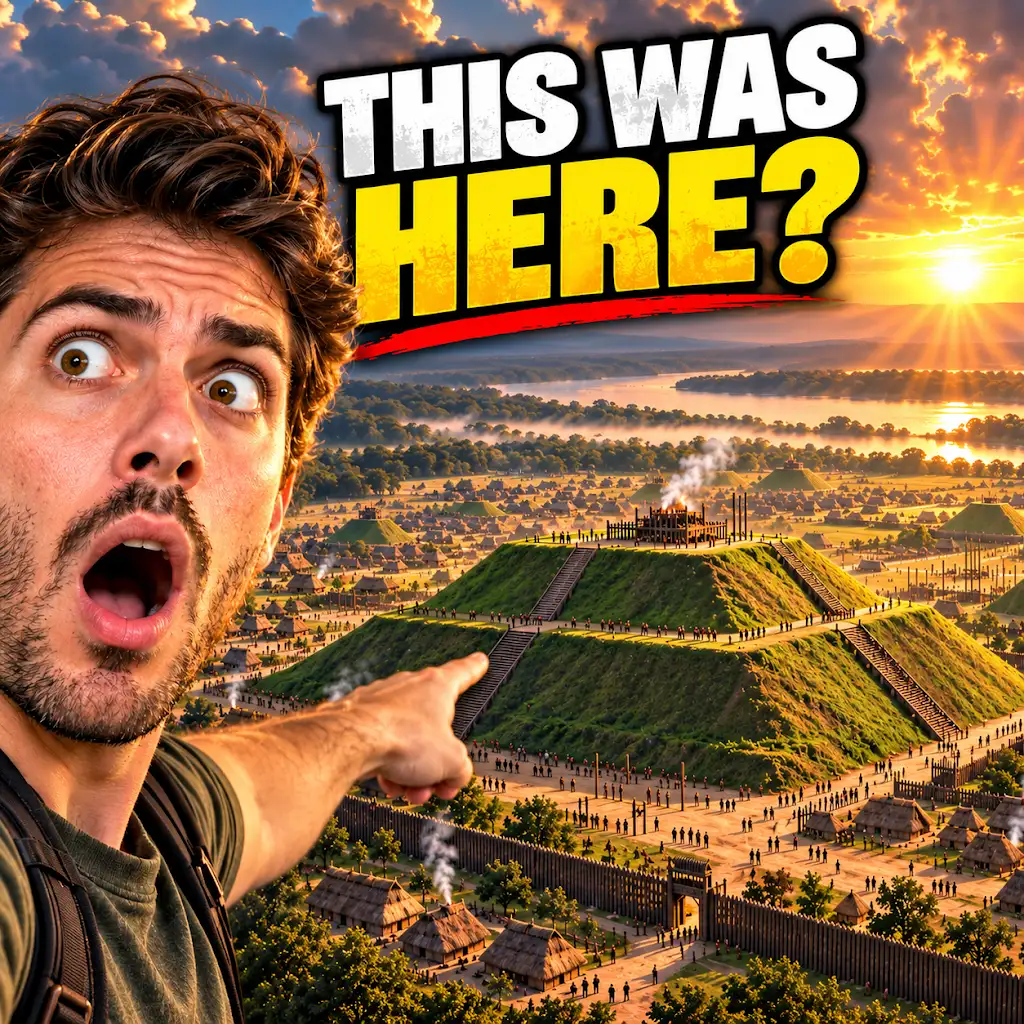
Cahokia, located near modern-day St. Louis, Illinois, was the largest and most influential city of the Mississippian culture. At its peak, around 1050-1200 CE, Cahokia was a sprawling metropolis that likely housed tens of thousands of people, making it one of the most populous pre-Columbian cities north of Mexico. Its most striking feature is Monks Mound, a colossal earthen platform mound that is larger at its base than the Great Pyramid of Giza.
Monks Mound: The Seat of Power
Monks Mound, a testament to the engineering prowess of the Mississippian people, served as the primary ceremonial and political center of Cahokia. Its immense size and strategic location suggest it was the seat of power for the paramount chief. Archaeologists believe it was topped by a large wooden structure, likely a temple or a ruler’s residence, from which pronouncements and ceremonies were conducted.
The Woodhenges: Celestial Observatories
The “Woodhenges” of Cahokia, concentric circles of large wooden posts, are believed to have served as solar calendars. By observing the rising and setting sun in relation to these posts, the Mississippian people could track the solstices and equinoxes, important markers for their agricultural cycles and religious ceremonies. These structures highlight their deep connection to the natural world and their understanding of celestial phenomena.
Etowah Indian Mounds: A Sacred Landscape
Etowah Indian Mounds State Historic Site in Georgia preserves one of the most significant Mississippian ceremonial centers. The site features several large platform mounds, including Mound A, which is believed to have been the burial place of a powerful chief. The intricate artifacts found at Etowah, such as copper ornaments and finely crafted pottery, reveal a highly skilled artisan class and a rich spiritual tradition.
Mound A and its Royal Burials
Mound A at Etowah is a striking example of the Mississippian mound-building tradition. Excavations have uncovered elaborate burials containing rich grave goods, indicating the presence of an elite class and a complex social hierarchy. The artifacts suggest extensive trade networks, with materials sourced from across eastern North America.
The Plaza and its Ceremonial Significance
The flat area surrounding the mounds, known as the plaza, served as a crucial space for public gatherings, ceremonies, and rituals. It was the heart of social and political life, where people would congregate for important events. The careful layout of the mounds and plaza reflects a deliberate and organized approach to community planning and spiritual practice.
The ancient cities of North America, such as Cahokia and Chaco Canyon, offer fascinating insights into the complex societies that once thrived long before European contact. These urban centers were characterized by impressive architecture, intricate trade networks, and sophisticated agricultural practices. For those interested in the broader implications of land ownership and its historical context, a related article discusses the safety of real estate from government seizure, which can be viewed here. Understanding the past can provide valuable lessons for the present, especially regarding the significance of land and its stewardship.
The Hohokam: Masters of the Desert Southwest
| City | Location | Population | Founded |
|---|---|---|---|
| Cahokia | Illinois, USA | 10,000-20,000 | 600 AD |
| Chaco Canyon | New Mexico, USA | 2,000-6,000 | 850 AD |
| Mesa Verde | Colorado, USA | 2,000-3,000 | 600 AD |
In the Sonoran Desert of Arizona, the Hohokam civilization developed a unique and sophisticated culture, characterized by their mastery of irrigation and their distinctive pottery. Flourishing from approximately 300 CE to 1450 CE, the Hohokam carved an existence out of the arid landscape, transforming the desert into a fertile oasis through an extensive network of canals. Their settlements, often featuring unique platform mounds and ballcourts, speak to a vibrant and interconnected society.
Snaketown: A Hub of Hohokam Life
Snaketown, located in the Gila River Valley of Arizona, was a major Hohokam settlement and a testament to their advanced irrigation system. The Hohokam constructed miles of canals, some stretching for many miles, to bring water from the rivers to their fields, enabling them to grow maize, beans, and squash. This ingenuity allowed them to thrive in an environment that would be inhospitable to many other cultures.
The Irrigation Canals: A Lifeline in the Desert
The intricate network of irrigation canals is the most defining feature of the Hohokam. These canals were not just ditches but sophisticated water management systems, carefully engineered to maximize the flow of water and minimize evaporation. Their construction and maintenance required immense labor and organization, reflecting a well-developed social structure.
The Ballcourts: Ritual and Recreation
The Hohokam built distinctive ballcourts, similar to those found in Mesoamerica, although typically smaller and with different architectural features. These enclosed, rectangular spaces likely served as arenas for ritualistic ballgames, which held significant social and religious importance. The presence of ballcourts suggests cultural connections and influences from further south.
Casa Grande Ruins National Monument: Echoes of a Lost Civilization
Casa Grande Ruins National Monument preserves the remains of a large Hohokam settlement, including the impressive “Great House.” This multi-story adobe structure, built by the Hohokam, stands as a silent sentinel to their architectural skills and their ability to adapt to the desert environment. The ruins offer a tangible connection to this fascinating desert civilization.
The Great House: A Monumental Adobe Structure
The Great House at Casa Grande is a testament to Hohokam architectural achievements. Constructed from caliche, a natural cement-like substance, this imposing structure served various purposes, likely including residential and ceremonial functions. Its enduring presence in the harsh desert climate is a remarkable feat of engineering and preservation.
Platform Mounds: Sacred Spaces and Social Centers
Hohokam settlements often featured platform mounds, similar to those of the Mississippian culture, though typically smaller and often more square or rectangular. These mounds likely served as elevated platforms for important structures or as ceremonial spaces, playing a role in the social and religious organization of their communities.
The exploration of these ancient cities across North America is an ongoing process, with new discoveries continually reshaping our understanding of these remarkable civilizations. Each ruin, each artifact, offers a piece of the puzzle, allowing us to reconstruct the lives, beliefs, and achievements of peoples who, though long gone, have left an indelible mark on the continent. These ancient cities are not just remnants of the past; they are vital reminders of human resilience, ingenuity, and the enduring power of culture to shape the world. They stand as silent witnesses to a shared human story, inviting us to listen to their whispers and learn from their profound legacies.
A City Bigger Than London Once Stood in America. Then It Vanished.
FAQs
What are some examples of ancient cities in North America?
Some examples of ancient cities in North America include Cahokia in Illinois, Chaco Canyon in New Mexico, Mesa Verde in Colorado, and Teotihuacan in Mexico.
How old are these ancient cities?
These ancient cities date back to various time periods, with some, like Cahokia, being established around 600 AD, while others, like Teotihuacan, were established as early as 100 BC.
What were these ancient cities used for?
These ancient cities were used for various purposes, including as centers of trade, religious ceremonies, and political administration. They were also often home to large populations.
What evidence exists of these ancient cities today?
Today, evidence of these ancient cities can be found in the form of archaeological ruins, including structures such as temples, dwellings, and ceremonial plazas. Artifacts such as pottery, tools, and artwork also provide insight into the lives of the people who inhabited these cities.
What can we learn from studying these ancient cities?
Studying these ancient cities can provide valuable insights into the history, culture, and societal organization of the indigenous peoples of North America. It can also help us understand the development of complex societies in the region.