The North American continent, long before the arrival of European explorers, was home to a tapestry of sophisticated and diverse civilizations. These pre-Columbian societies, flourishing for millennia, developed complex social structures, innovative technologies, and rich cultural traditions. Far from being a primitive wilderness, North America witnessed the rise of remarkable cultures that shaped the landscape and left an indelible mark on the continent’s history. Understanding these civilizations is crucial to appreciating the depth and complexity of human ingenuity and adaptation across varied environments.
The story of pre-Columbian North America begins with the arrival of its first inhabitants, tracing their origins to migrations out of Asia. These early peoples, known as Paleo-Indians, were hunter-gatherers who navigated a dramatically different world than the one that exists today. Their presence laid the foundation for the subsequent development of more sedentary and complex societies.
Peopling the Continent: Theories of Migration
The prevailing theory suggests that the first humans entered North America from Siberia, crossing a land bridge known as Beringia that connected Asia and North America during the last Ice Age.
The Bering Land Bridge Hypothesis
This hypothesis posits that as glaciers advanced, sea levels dropped, exposing a vast landmass across the Bering Strait. This allowed for the movement of people and animals between continents. Archaeological evidence, such as distinctive stone tools like Clovis points, found across North America, supports the idea of a widespread migration event.
Alternative Migration Routes
While the Bering Land Bridge remains the most accepted theory, some scholars explore alternative possibilities, including coastal migration routes where people may have traveled along the Pacific coast, utilizing boats and marine resources. Evidence for this is still being actively investigated.
Adapting to a New World: Paleo-Indian Lifestyles
Paleo-Indians were highly skilled hunters and gatherers, adapting their strategies to the megafauna and diverse environments of Ice Age North America.
Hunter-Gatherer Societies
These early groups lived in small, nomadic bands, following migratory patterns of large game animals such as mammoths, mastodons, and giant bison. Their survival depended on intimate knowledge of animal behavior, plant life, and the landscape.
Sophisticated Tool Use and Technology
Paleo-Indians developed remarkable lithic technologies, most notably the fluted projectile points, such as those associated with the Clovis and Folsom cultures. These projectile points were expertly crafted and attached to spears, allowing for effective hunting of large game. Beyond projectile points, they also created scrapers, knives, and other tools for processing hides, butchering animals, and working with other materials.
Environmental Pressures and the Extinction of Megafauna
The end of the Pleistocene epoch and the subsequent warming period led to significant environmental changes, including the extinction of many megafauna species. This environmental shift presented a challenge to Paleo-Indian societies, prompting adaptations in their hunting strategies and resource utilization.
Pre-Columbian civilizations in North America are a fascinating subject, revealing the rich tapestry of cultures that existed long before European contact. For those interested in delving deeper into the mysteries of ancient societies, a related article titled “Exploring the Mysterious Secrets of Ancient Palace Ruins” provides intriguing insights into the architectural achievements and societal structures of these early inhabitants. You can read more about it by visiting this link: Exploring the Mysterious Secrets of Ancient Palace Ruins.
The Archaic Period: Diversification and Regional Specialization
Following the Paleo-Indian era, North America entered the Archaic period, a long span characterized by a diversification of cultures and a greater regional specialization in subsistence strategies. As the megafauna disappeared, humans adapted to a wider range of flora and fauna, leading to more settled lifestyles in some areas.
Shifting Subsistence Strategies
The decline of large game necessitated a broader subsistence base, encouraging the exploitation of smaller animals, fish, shellfish, and a greater variety of plants.
Exploitation of Diverse Food Sources
Archaic peoples developed sophisticated techniques for gathering nuts, seeds, roots, and berries. They also became adept at fishing, utilizing nets, traps, and spears. The marine resources along the Atlantic and Pacific coasts were particularly important for many Archaic groups.
The Development of Sedentary Lifestyles
In resource-rich areas, particularly along rivers and coastlines, some Archaic groups began to establish more permanent or semi-permanent settlements. This led to the accumulation of material possessions and the development of more complex social organization.
Innovations in Technology and Material Culture
The Archaic period saw the development of new tools and technologies that facilitated resource processing and improved daily life.
Ground Stone Tools and Early Agriculture
The development of ground stone tools, such as axes, adzes, and grinding stones (manos and metates), became more prominent. In some regions, early forms of plant domestication and horticulture began to emerge, laying the groundwork for later agricultural societies. This was a gradual process, often involving the cultivation of native plants before the introduction of crops from Mesoamerica.
Basketry and Textiles
The production of finely crafted baskets for gathering, storage, and cooking became a hallmark of many Archaic cultures. The weaving of plant fibers also led to the development of textiles, used for clothing, shelters, and other purposes.
Early Regional Identities and Social Complexity
As different groups adapted to their specific environments, distinct cultural traditions began to emerge.
Emergence of Regional Cultures
Geographic isolation and adaptation to specific ecosystems led to the development of unique toolkits, artistic styles, and burial practices in different regions of North America. These early regional identities foreshadowed the more prominent cultural divisions seen in later periods.
Evidence of Social Stratification
In some Archaic sites, evidence suggests the beginnings of social stratification, with differential burial goods and the presence of more elaborate structures indicating varying levels of status within communities.
The Woodland Period: The Rise of Agriculture and Mound Builders
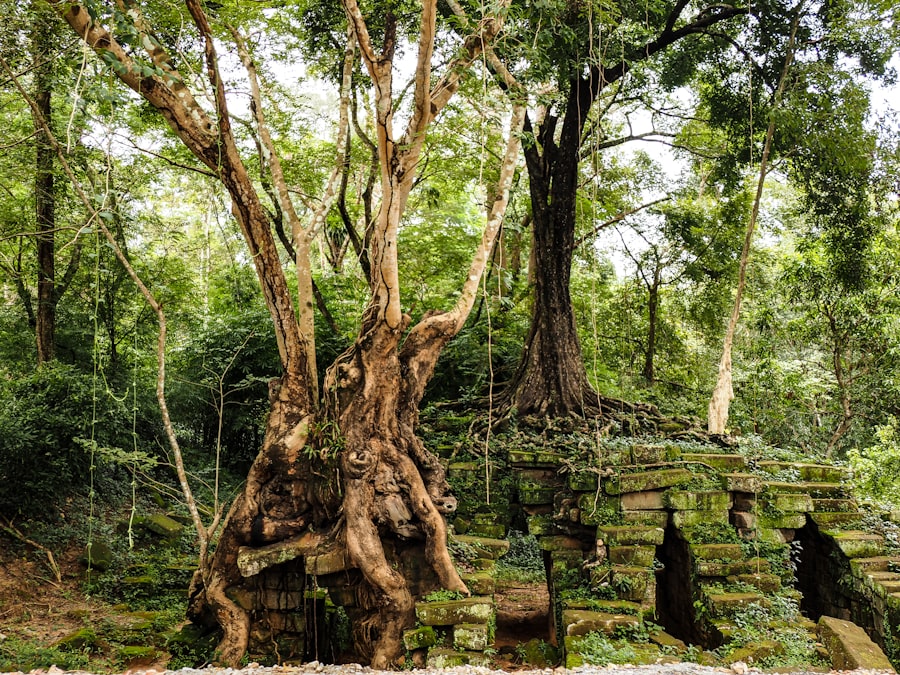
The Woodland period, spanning roughly from 1000 BCE to 1000 CE, witnessed a significant transformation in North American societies with the increasing importance of agriculture and the iconic development of elaborate earthwork structures, particularly mounds.
The Influence of Agriculture
The gradual adoption of agriculture, likely influenced by Mesoamerican innovations, provided a more stable food supply, supporting larger populations and more sedentary lifestyles.
Maize Cultivation and its Impact
The introduction and widespread adoption of maize (corn) cultivation were pivotal. Maize offered a calorie-rich and storable food source, allowing for surplus production, which in turn supported population growth and specialization of labor.
Other Cultivated Crops
Alongside maize, other native crops such as beans, squash, sunflowers, and various gourds were cultivated, further diversifying agricultural practices and diets.
The Mound Builders: Monumental Architecture and Religious Significance
The most striking feature of the Woodland period is the construction of large, complex earthwork mounds. These structures served a variety of purposes, from burial sites to ceremonial platforms.
Adena and Hopewell Cultures
Two prominent Woodland cultures, the Adena and Hopewell, are renowned for their mound-building traditions. The Adena culture, originating in the Ohio River Valley, is known for its conical and circular mounds, often containing elaborate burials with rich grave goods. The Hopewell, who succeeded and interacted with the Adena, further refined mound construction, creating more complex earthworks and developing extensive trade networks.
Purpose and Symbolism of Mounds
Mounds were often used as burial places for elites, indicating a hierarchical society. They also served as ceremonial centers, astronomical observatories, and places for public gatherings. The precise construction and alignment of some mounds with celestial events suggest a sophisticated understanding of astronomy.
Trade Networks and Material Exchange
The Hopewell culture, in particular, is noted for its vast trade networks. Raw materials such as copper from the Great Lakes, obsidian from the Rocky Mountains, mica from the Appalachian Mountains, and marine shells from the Gulf Coast were exchanged over long distances, demonstrating significant interregional connections and the prestige associated with certain exotic goods.
Development of Ceramic Technologies
The Woodland period saw significant advancements in pottery production.
Sophisticated Pottery Styles
Woodland peoples developed diverse and often highly decorated ceramic vessels. These pottery styles varied regionally, providing important markers for archaeologists to identify different cultures and their interactions. Pots were used for cooking, storage, and ceremonial purposes.
Decorative Techniques
Techniques such as cord-marking, stamping, incising, and punctating were employed to create intricate patterns on pottery surfaces. These designs often held cultural or symbolic meaning.
The Mississippian Culture: Apex of North American Civilization

The Mississippian culture, flourishing between approximately 800 CE and 1600 CE, represents the zenith of pre-Columbian civilization in eastern North America. Characterized by large, complex societies, urban centers, and sophisticated agricultural systems, the Mississippian people left behind enduring legacies of monumental architecture and intricate social organization.
Urban Centers and Political Structures
The Mississippian period is marked by the rise of large, nucleated settlements that functioned as political and economic hubs.
Cahokia: The Metropolis of the Mississippi
Cahokia, located near modern-day St. Louis, was the largest and most influential Mississippian center. At its peak, it may have housed 10,000 to 20,000 people, making it larger than contemporary London. Cahokia was characterized by a vast array of mounds, including Monks Mound, North America’s largest prehistoric earthwork, and a complex system of plazas, residential areas, and defensive palisades.
Chiefdoms and Hierarchical Societies
Mississippian societies were organized into complex chiefdoms, with a distinct social hierarchy. Chiefs, often hereditary, held significant political and religious authority. Evidence from burial sites, with differential grave goods, points to a clear stratification of society into elites and commoners.
Advanced Agricultural Systems and Population Growth
The Mississippian economy was heavily reliant on intensive maize agriculture, which supported large, sedentary populations.
Intensive Farming Techniques
Mississippian farmers utilized sophisticated techniques, including the construction of raised fields and drainage systems, to maximize crop yields. The consistent surplus of maize allowed for population growth and the development of specialized labor.
Diet and Subsistence
While maize was the staple crop, the Mississippian diet also included beans, squash, supplemented by hunting deer and other game, fishing, and gathering wild plants.
Mississippian Art, Religion, and Ritual
The Mississippian people produced a wealth of artistic expressions and engaged in complex religious and ritual practices.
Iconic Religious Symbolism
Mississippian iconography often featured motifs such as raptors, snakes, jaguars (though not native to the region, suggesting symbolic representation or trade of hides), and human figures, often depicted in warfare or ceremonial contexts. The “Southeastern Ceremonial Complex” (SECC) is a widely recognized suite of shared symbols and practices found across many Mississippian sites.
Mound Use and Ceremonialism
Mounds continued to play a central role in Mississippian life. Platform mounds served as bases for temples, elite residences, and other important structures. Burial mounds also remained significant, often containing rich offerings for the deceased. Rituals and ceremonies were likely performed on these elevated platforms, visible to the wider community.
Skilled Craftsmanship
Mississippian artisans were highly skilled in various crafts, including pottery, stonework, shell carving, and copper working. They produced exquisite items such as effigy pots, intricate shell gorgets (necklaces), and copper headdresses, often adorned with symbolic imagery.
Pre-Columbian civilizations in North America were profoundly influenced by their environment, and understanding this relationship is crucial for appreciating their development. An insightful article that explores the broader context of environmental changes and their impact on human societies is available at The Climate Change Chronicles. This piece delves into how shifts in climate have shaped civilizations throughout history, including those that thrived long before European contact.
Southwestern Civilizations: The Ancestral Puebloans and Hohokam
| Civilization | Location | Time Period | Main Achievements |
|---|---|---|---|
| Mississippian culture | Southeastern United States | 800-1600 AD | Large earthen mounds, complex social structure |
| Ancestral Puebloans | Southwestern United States | 100-1600 AD | Cliff dwellings, advanced irrigation systems |
| Hohokam culture | Southwestern United States | 1-1450 AD | Canal systems, pottery, trade networks |
| Adena culture | Ohio River Valley | 1000 BC-200 AD | Large burial mounds, extensive trade networks |
While the eastern woodlands were dominated by mound-building cultures, the arid Southwest of North America was home to equally impressive and distinct civilizations, most notably the Ancestral Puebloans and the Hohokam. These societies developed ingenious adaptations to challenging desert environments, creating enduring legacies of architecture, water management, and sophisticated cultural practices.
The Ancestral Puebloans: Masters of the Cliffs and Canyons
The Ancestral Puebloans, descendants of the Basketmaker culture, are famous for their remarkable cliff dwellings and pueblo villages, particularly in the Four Corners region of Arizona, New Mexico, Colorado, and Utah.
The Evolution of Pueblo Architecture
Starting with pit houses, the Ancestral Puebloans transitioned to above-ground structures known as pueblos, built from adobe, stone, and timber. These multi-story dwellings, often clustered together, provided communal living spaces and defense. The iconic cliff dwellings, such as those at Mesa Verde and Chaco Canyon, represent a remarkable feat of engineering and adaptation.
Sophisticated Water Management
In the arid Southwest, water was life. The Ancestral Puebloans developed ingenious methods for collecting, storing, and distributing water. This included the construction of reservoirs, canals, and check dams to irrigate their crops, primarily maize, beans, and squash.
Chaco Canyon: A Center of Power and Influence
Chaco Canyon was a major ceremonial and administrative center for the Ancestral Puebloans. It was characterized by “Great Houses,” large, multi-story masonry structures, and an extensive network of roads connecting Chaco to outlying communities. The purpose of Chaco Canyon remains a subject of debate, but it was clearly a significant hub of political, religious, and economic activity.
The “Great Silence” and Dispersal
By the late 13th century, many Ancestral Puebloan communities experienced a period of decline and dispersal, often referred to as the “Great Silence.” This was likely due to a combination of factors, including prolonged drought, resource depletion, and possibly social unrest. Descendants of the Ancestral Puebloans continue to live in the Southwest today, forming the modern Pueblo tribes.
The Hohokam: Architects of the Desert Rivers
The Hohokam culture, primarily located in present-day Arizona along the Gila and Salt Rivers, is renowned for its extensive irrigation systems and distinct pottery.
Extensive Irrigation Networks
The Hohokam constructed an elaborate network of canals, some stretching for miles, to divert water from the rivers to irrigate their agricultural fields. This sophisticated water management system allowed them to cultivate large amounts of maize, enabling them to support significant populations in the desert environment.
Unique Architectural Styles
Hohokam settlements were characterized by pit houses, often arranged around central plazas. They also built platform mounds, but these differed from those of the Mississippian cultures. Ballcourts, reminiscent of those found in Mesoamerica, have also been discovered at Hohokam sites, suggesting potential cultural exchange.
Distinctive Red-on-Buff Pottery
Hohokam pottery is easily recognizable by its distinctive red-on-buff coloration and intricate geometric designs. This pottery served utilitarian and ceremonial purposes and is a key artifact for archaeologists studying their culture.
Decline and Legacy
Like the Ancestral Puebloans, the Hohokam experienced a decline in the centuries preceding European contact. The reasons for their dispersal are not fully understood but may include environmental changes, increased raiding, and internal social factors. Their descendants are believed to have contributed to the Pima and Tohono O’odham peoples of Arizona.
The pre-Columbian civilizations of North America represent a testament to the adaptability, ingenuity, and cultural richness of its indigenous peoples. From the early hunter-gatherers of the Paleo-Indian era to the sophisticated societies of the Mississippian and Southwestern cultures, these civilizations developed unique ways of life, leaving behind a legacy of monumental architecture, complex social systems, and profound spiritual beliefs that continue to inspire and inform our understanding of the human past on the continent. Their stories are an integral part of the North American narrative, offering a crucial counterpoint to narratives solely focused on European arrival and colonization.

A City Bigger Than London Once Stood in America. Then It Vanished.
FAQs
What were the major pre-Columbian civilizations in North America?
Some of the major pre-Columbian civilizations in North America include the Ancestral Puebloans, the Mississippian culture, the Hopewell culture, and the Hohokam culture.
What were some key characteristics of these civilizations?
These civilizations were known for their advanced agricultural practices, complex social structures, impressive architectural achievements, and sophisticated artistic and religious traditions.
What were the main achievements of these civilizations?
The pre-Columbian civilizations in North America achieved significant advancements in agriculture, pottery, trade networks, and urban planning. They also left behind impressive architectural structures and artwork.
What led to the decline of these civilizations?
The decline of these civilizations was often attributed to factors such as environmental changes, warfare, disease, and social unrest. Each civilization faced its own unique challenges that contributed to its eventual decline.
What is the legacy of these civilizations in North America today?
The legacy of these pre-Columbian civilizations can be seen in the archaeological sites, artifacts, and cultural traditions that have been preserved. Their influence can also be seen in the modern-day practices and beliefs of indigenous peoples in North America.