The rich tapestry of Native American civilization, woven over millennia, stands as a testament to human ingenuity, resilience, and a profound connection to the natural world. Long before European contact, North America was home to a diverse array of societies, each with its own unique languages, cultures, spiritual beliefs, and intricate systems of governance, trade, and knowledge. These civilizations, often characterized by their deep understanding of their environments, developed sophisticated agricultural techniques, complex social structures, and a rich artistic and oral tradition that continues to influence the modern world. To truly appreciate the depth and breadth of this history, one must delve into the distinct eras and regions that shaped these remarkable peoples.
The story of Native American civilization begins with the earliest human migrations into the Americas. While precise timelines and routes are still subjects of ongoing scientific research, it is widely accepted that humans first arrived on the continent tens of thousands of years ago, likely traversing a land bridge that connected Siberia and Alaska during the last Ice Age. These initial inhabitants, known as Paleo-Indians, were hunter-gatherers, remarkably adapted to the harsh, glacial landscapes.
The Clovis First Theory and Its Evolution
For decades, the “Clovis First” theory dominated archaeological understanding, suggesting that the Clovis culture, characterized by distinctive fluted projectile points, represented the first inhabitants of the Americas. These sites, dating back approximately 13,000 years, provided evidence of sophisticated hunting strategies, with projectile points designed to bring down large game, such as mammoths and mastodons. However, more recent discoveries at pre-Clovis sites have challenged this long-held assumption, pushing back the timeline of human presence in the Americas and suggesting a more complex migration history with multiple waves of arrival.
Adapting to a Changing World: The Archaic Period
Following the end of the last Ice Age, approximately 10,000 years ago, the environment of North America underwent significant transformation. As glaciers retreated and megafauna became extinct, Paleo-Indian societies adapted to these changing conditions. This period, known as the Archaic period, saw a diversification of subsistence strategies, with a greater reliance on smaller game, fish, and a wider array of plant resources.
Regional Adaptations and Innovations
The Archaic period was not monolithic. Different geographical regions fostered distinct adaptations. In the Eastern Woodlands, for instance, communities began to experiment with horticulture, cultivating wild plants and laying the groundwork for later agricultural development. Along the Pacific coast, abundant marine resources supported settled communities with complex social hierarchies. The Southwest saw the development of early forms of pottery and more settled village life. These regional adaptations highlight the adaptive capacity and innovative spirit of early Native American peoples.
The Rise of Sedentary Lifestyles and Early Agriculture
While often associated with later periods, the Archaic era witnessed the nascent stages of sedentary lifestyles and the gradual domestication of plants. This was a slow and evolutionary process, driven by careful observation and experimentation with local flora. The development of agriculture, even in its early forms, marked a profound shift in human-environment relationships, enabling larger populations and the development of more complex social and political structures.
The rich tapestry of Native American civilization history is intricately woven with stories of resilience and adaptation. For those interested in exploring a pivotal moment in this history, the article “The Year History Stood Still: When the Wind Ceased” provides a compelling narrative that delves into the significant events that shaped Native American societies. This piece highlights the cultural and historical impacts of various challenges faced by these communities. To read more about this fascinating topic, visit the article here: The Year History Stood Still: When the Wind Ceased.
The Agricultural Revolution and the Flourishing of Complex Societies
The domestication of key crops, most notably maize (corn), beans, and squash – the “Three Sisters” – marked a true revolution in Native American civilization. This agricultural surplus allowed for increased population densities, the development of permanent settlements, and the rise of increasingly complex social and political organization. This era witnessed the emergence of distinct cultural spheres, each with its own unique achievements.
The Mesoamerican Influence: A Cradle of Civilization
While the focus of this article is on North America, it is crucial to acknowledge the profound influence of Mesoamerica, the region encompassing modern-day Mexico and parts of Central America. Civilizations like the Olmec, Maya, and Aztec developed advanced calendrical systems, monumental architecture, sophisticated writing systems, and complex religious and political structures. Evidence suggests significant cultural exchange and trade between Mesoamerica and parts of what is now the United States, particularly the Southwest.
The Hohokam: Masters of Irrigation in the Desert
In the arid landscapes of present-day Arizona, the Hohokam civilization (roughly 300 to 1450 CE) achieved remarkable feats of engineering. They developed extensive irrigation systems, channeling water from rivers to cultivate crops in the desert. Their intricate canal networks, some stretching for miles, allowed them to sustain large populations and create fertile agricultural fields. The Hohokam also produced distinctive red-on-buff pottery and built platform mounds, suggesting a complex social hierarchy.
The Ancestral Puebloans: Architects of the Canyons
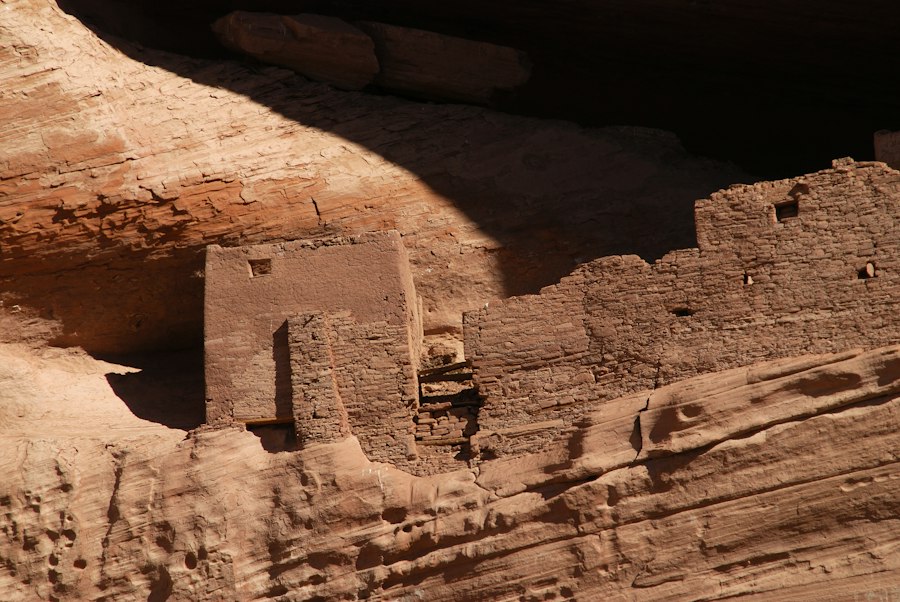
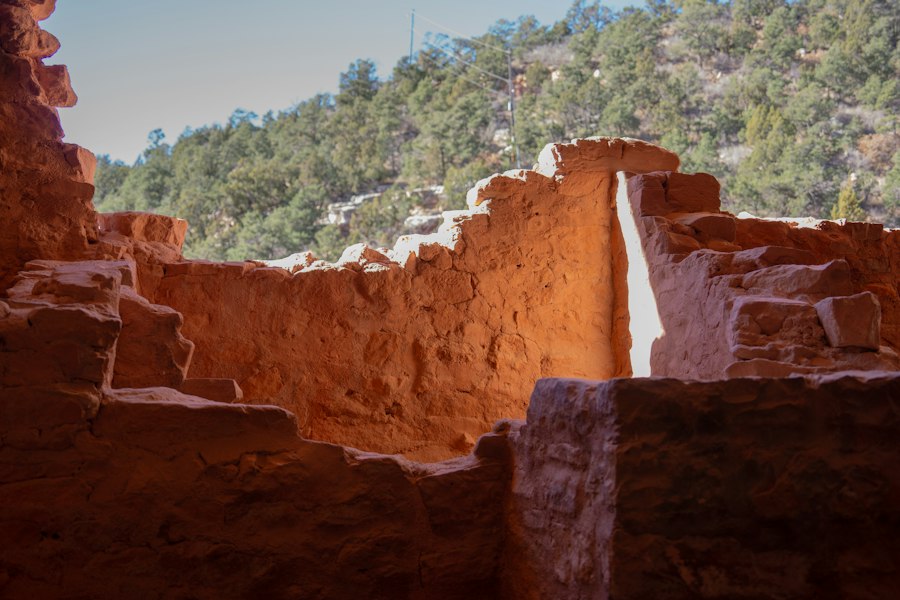
Further north, in the Four Corners region of the American Southwest, the Ancestral Puebloans (also known as the Anasazi, a Navajo term meaning “ancient enemies”) flourished from around 200 to 1300 CE. They are renowned for their remarkable architecture, including cliff dwellings like those at Mesa Verde and Chaco Canyon. These multi-story stone structures, often built into natural alcoves, demonstrate exceptional architectural skill and a deep understanding of their environment. Their society was organized around farming villages, with sophisticated water management systems and a rich ceremonial life.
The Eastern Woodlands: Mound Builders and Horticulturalists
East of the Mississippi River, a series of complex societies known as the “Mound Builders” emerged, characterized by the construction of elaborate earthen mounds for various purposes, including ceremonial platforms, burial sites, and defensive structures. These cultures demonstrate a sophisticated understanding of social organization and resource management.
The Adena Culture: Early Mound Builders
The Adena culture (roughly 1000 BCE to 100 CE) represents one of the earliest phases of mound building in the Eastern Woodlands. They constructed conical and ridge-top mounds, often containing burial chambers and rich grave goods, indicating a stratified society with a priestly or elite class. Their subsistence was based on hunting, gathering, and early horticulture.
The Hopewell Tradition: A Network of Exchange
The Hopewell culture (roughly 100 BCE to 500 CE) built upon the traditions of the Adena, creating a vast network of exchange that spanned much of eastern North America. They are known for their intricate art and craftsmanship, producing objects from exotic materials like copper, obsidian, and mica, which were traded over long distances. The large, geometrically shaped earthworks associated with Hopewell sites suggest a shared cosmology and complex ceremonial practices.
The Mississippian Culture: Urban Centers and Chiefdoms
The Mississippian culture (roughly 800 to 1600 CE) represents the apex of pre-Columbian civilization in the Eastern Woodlands. They established large, complex urban centers, such as Cahokia, near modern-day St. Louis, which at its peak may have housed tens of thousands of people. Mississippian societies were organized into chiefdoms, with powerful leaders who commanded significant resources and labor. They were skilled farmers, cultivating maize extensively, and renowned for their sophisticated pottery and intricate wood carvings. The iconic Monks Mound at Cahokia, the largest prehistoric earthen structure in the Americas, stands as a testament to their organizational power and engineering prowess.
Diversity and Sophistication: Cultural and Social Life
Beyond agricultural achievements, Native American civilizations exhibited an incredible diversity in their cultural expressions, social structures, and spiritual beliefs. These societies were not monolithic; rather, they were characterized by a vast spectrum of traditions, languages, and ways of life, each shaped by their unique environments and histories.
Linguistic Diversity: A Mosaic of Voices
The Americas were home to hundreds of distinct languages, representing a remarkable linguistic diversity. These languages were not merely tools for communication but were intrinsically linked to worldview, spirituality, and identity. Major language families, such as Algonquian, Iroquoian, Siouan, and Uto-Aztecan, encompassed numerous individual languages and dialects, each with its own complex grammar and rich vocabulary. The loss of many of these languages due to historical events represents an immeasurable cultural tragedy.
Governance and Social Structures: From Bands to Confederacies
Native American societies ranged from small, egalitarian bands of hunter-gatherers to highly stratified chiefdoms and confederacies. In many hunter-gatherer societies, leadership was fluid and based on consensus and individual merit. Agricultural societies often developed more hierarchical structures, with chiefs or councils of elders holding authority. The Iroquois Confederacy, formed by several allied nations, is a prime example of sophisticated political organization, demonstrating a system of checks and balances and a complex decision-making process that influenced later governmental structures.
Spiritual Beliefs and Worldviews: The Sacredness of Nature
At the heart of most Native American civilizations lay a profound spiritual connection to the natural world. Their cosmologies often viewed the universe as alive and imbued with spiritual energy. Animals, plants, and natural phenomena were seen as having spirits and played vital roles in their spiritual narratives and practices. Rituals, ceremonies, and oral traditions served to maintain balance with the natural world and honor the spiritual forces that governed existence.
Totemism and Animal Spirits
Many cultures recognized the importance of animal spirits, often depicted in totem poles, carvings, and stories. Totemism, a belief system that associates individuals or groups with specific animals or plants, provided a framework for understanding kinship, social identity, and the interconnectedness of all living things.
The Role of Shamans and Spiritual Leaders
Spiritual leaders, often referred to as shamans or medicine people, played crucial roles in Native American societies. They were believed to possess the ability to communicate with the spirit world, heal the sick, and offer guidance to their communities. Their knowledge of medicinal plants and their understanding of spiritual forces were vital to the well-being of their people.
Artistic Expression and Material Culture
Native American civilizations produced a rich and diverse array of artistic expressions, reflecting their beliefs, social structures, and daily lives. From intricate beadwork and pottery to monumental architecture and ceremonial regalia, their artistry showcased remarkable skill and a deep aesthetic sensibility.
Pottery and Ceramics
The development of pottery marked a significant technological advancement, enabling better food storage and preparation. Styles and techniques varied widely across regions, with distinctive designs and motifs reflecting cultural traditions. The intricate designs on Ancestral Puebloan pottery or the polished redware of the Hohokam showcase the artistic achievements of these cultures.
Sculpture and Carving
Wood carving, stone sculpture, and the creation of intricate objects from bone, shell, and other materials were common throughout Native America. The totem poles of the Pacific Northwest, with their detailed depictions of ancestral figures and mythical beings, are iconic examples of this art form.
The Impact of European Colonization: Disruption and Resilience
The arrival of Europeans in the Americas marked a profound and often devastating turning point for Native American civilizations. The introduction of diseases, warfare, forced displacement, and the systematic dismantling of their cultures had a catastrophic impact, leading to demographic collapse and immense suffering. However, despite these immense challenges, Native American peoples demonstrated remarkable resilience and a fierce determination to preserve their identities and traditions.
The Introduction of Diseases: A Biological Catastrophe
European colonizers unknowingly brought with them a host of diseases, such as smallpox, measles, and influenza, to which Native American populations had no immunity. These diseases spread rapidly, decimating communities and causing immense demographic losses, often wiping out entire villages before direct contact with Europeans. This biological catastrophe fundamentally altered the demographic landscape of the Americas.
Warfare and Land Dispossession: The Loss of Sovereignty
From the initial encounters, conflicts over land and resources became a defining feature of the relationship between Native Americans and European powers. Wars, massacres, and systematic policies of forced removal, such as the Trail of Tears, resulted in the loss of ancestral homelands and the disruption of traditional ways of life. Treaties, often made under duress or broken by colonial powers, further eroded Native sovereignty.
Cultural Assimilation and the Residential School System
In an effort to erase Native cultures, colonial governments implemented policies of forced assimilation. The residential school system, particularly in Canada and the United States, aimed to “civilize” Native children by removing them from their families and communities, forbidding them from speaking their languages, and forcing them to adopt European customs and religions. This system inflicted deep psychological and cultural wounds that continue to be addressed today.
The rich tapestry of Native American civilization history is a fascinating subject that reveals the diverse cultures and societies that thrived across North America long before European contact. For those interested in exploring the intricate connections between indigenous peoples and their environments, a related article can provide valuable insights. You can read more about this topic in the article on exploring the Earth-Moon Lagrange points, which discusses how understanding celestial mechanics can enhance our appreciation of the natural world that Native American civilizations navigated and revered.
Enduring Legacies and the Path Forward: Resilience and Revitalization
| Time Period | Key Events |
|---|---|
| Paleo-Indian Period (before 8000 BCE) | Arrival of the first Native Americans in North America |
| Archaic Period (8000 BCE – 1000 BCE) | Development of agriculture and permanent settlements |
| Woodland Period (1000 BCE – 1000 CE) | Introduction of pottery and mound building |
| Mississippian Period (1000 CE – 1600 CE) | Flourishing of large, complex societies with extensive trade networks |
| European Contact (1492 CE onwards) | Impact of European colonization on Native American civilizations |
Despite centuries of oppression and cultural suppression, Native American civilizations have not only survived but have also begun to revitalize their languages, cultures, and traditions. Their enduring legacy is evident in the art, music, literature, and political movements of today, as well as in the ongoing efforts to reclaim and celebrate their rich histories.
The Resurgence of Indigenous Languages
Language is a cornerstone of culture. In recent decades, there has been a powerful movement among Native American communities to revitalize their ancestral languages. This includes language immersion programs, the creation of new dictionaries and learning materials, and the promotion of language use in daily life. These efforts are crucial for cultural preservation and intergenerational knowledge transfer.
Contemporary Native American Arts and Culture
Native American artists, writers, musicians, and filmmakers are producing vibrant and innovative works that draw upon their rich heritage while also engaging with contemporary issues. From traditional storytelling and intricate craftsmanship to groundbreaking literature and political activism, their creative expressions are challenging stereotypes and asserting their cultural identity on the global stage.
Reclaiming History and Seeking Justice
Native American communities are actively engaged in reclaiming their histories, challenging colonial narratives, and seeking justice for past injustices. This includes efforts to repatriate ancestral remains and artifacts, advocate for land rights and sovereignty, and educate the wider public about the complexities and triumphs of Native American civilizations. The ongoing struggle for self-determination and cultural preservation remains a central theme in the contemporary experience of Native Americans. The rich history of Native American civilization is not merely a relic of the past; it is a living, breathing force that continues to shape the present and inspire the future.

A City Bigger Than London Once Stood in America. Then It Vanished.
FAQs
What is the history of Native American civilization?
The history of Native American civilization dates back thousands of years, with evidence of their presence in the Americas as early as 15,000 years ago. They developed complex societies, cultures, and traditions long before the arrival of European settlers.
What were some key aspects of Native American civilization?
Native American civilizations were diverse and varied, with different tribes and groups developing unique languages, customs, and belief systems. They were skilled in agriculture, hunting, and trade, and many built impressive cities and monuments.
How did European colonization impact Native American civilization?
European colonization had a devastating impact on Native American civilizations. The arrival of Europeans brought diseases, warfare, and forced displacement, leading to a significant decline in Native American populations and the destruction of many traditional ways of life.
What are some notable Native American civilizations?
Some notable Native American civilizations include the Aztecs, Mayans, Incas, and the various tribes of North America such as the Cherokee, Navajo, and Sioux. Each of these civilizations made significant contributions to art, architecture, agriculture, and more.
What is the status of Native American civilization today?
Today, Native American civilizations continue to thrive, with many tribes preserving their languages, traditions, and cultural practices. However, they still face challenges such as poverty, discrimination, and the ongoing struggle for recognition of their rights and sovereignty.