Exploring Ancient Indigenous Civilizations in America
The vast continent of the Americas, from the frozen expanses of the north to the southernmost tip of Patagonia, was once home to a breathtaking array of sophisticated and diverse indigenous civilizations. Long before European explorers set foot on these shores, these societies had developed complex social structures, advanced agricultural techniques, monumental architecture, intricate belief systems, and profound understandings of the natural world. Their stories, etched in stone, pottery, oral traditions, and the very landscapes they shaped, offer a compelling glimpse into the ingenuity and resilience of humanity. This article delves into the exploration of these ancient indigenous civilizations, uncovering their remarkable achievements and the enduring legacies they have left behind.
Mesoamerica, a cultural region encompassing present-day Mexico and parts of Central America, witnessed the rise and fall of some of the most influential ancient civilizations in the Americas. These societies were characterized by their advanced calendrical systems, hieroglyphic writing, elaborate religious practices, and impressive urban centers. The exploration of Mesoamerica reveals a tapestry of interconnected cultures, each contributing to a shared heritage of innovation and artistic expression.
The Olmec: The “Mother Culture”
Often referred to as the “mother culture” of Mesoamerica, the Olmec civilization laid the groundwork for many subsequent developments in the region. Flourishing from roughly 1500 BCE to 400 BCE, they are renowned for their colossal stone heads, enigmatic basalt sculptures that likely represented rulers or deified ancestors.
Monumental Art and Sculpture
The colossal heads are arguably the most iconic Olmec artifact. Carved from massive basalt boulders, some weighing several tons, these portraits exhibit distinct facial features and headdresses, suggesting a high degree of craftsmanship and social organization necessary for their creation and transport. Beyond the heads, the Olmec also produced exquisite jade carvings, intricate figurines, and impressive ceremonial platforms, demonstrating a sophisticated understanding of stoneworking and artistic techniques.
Early Urbanism and Religious Centers
The Olmec established influential ceremonial centers, such as San Lorenzo Tenochtitlán and La Venta. These sites featured elaborate earthworks, pyramids, plazas, and courtyards, serving as hubs for religious rituals, political gatherings, and social interaction. The arrangement of these centers often reflected cosmological beliefs and the importance of astronomical observations.
The Seeds of Later Civilizations
The Olmec are credited with introducing or developing key elements that would be adopted and adapted by later Mesoamerican cultures. These include a sophisticated understanding of astronomy, a system of calendrical notation, the beginnings of hieroglyphic writing, and the concept of the ballgame, which held significant religious and social importance. Their influence can be seen in the art, architecture, and religious iconography of the Maya, Aztec, and other subsequent peoples.
The Maya: Masters of Time and Astronomy
The Maya civilization, which reached its zenith between 250 CE and 900 CE, is perhaps the most celebrated of Mesoamerica’s ancient societies. Their remarkable achievements in mathematics, astronomy, writing, and art continue to inspire awe and scholarly inquiry. Their sprawling city-states, adorned with towering pyramids and intricate carvings, offer a tangible legacy of their intellectual prowess.
The Maya Calendar and Mathematics
The Maya developed one of the most sophisticated calendrical systems in the ancient world, comprising multiple interlocking cycles, including the Tzolk’in (260-day sacred calendar) and the Haab’ (365-day solar calendar). They also employed the concept of zero, a crucial innovation in mathematics, and used a vigesimal (base-20) number system, allowing for complex calculations and precise astronomical observations.
Hieroglyphic Script and Codices
The Maya possessed a complex hieroglyphic writing system, one of the few fully developed scripts in the pre-Columbian Americas. This script, deciphered over decades of dedicated research, adorns stelae, pottery, and lintels, recording historical events, dynastic lineages, religious beliefs, and astronomical data. Their surviving codices, though few in number, provide invaluable insights into their knowledge of astronomy, divination, and rituals.
Grand City-States and Monumental Architecture
The Maya world was characterized by independent city-states, such as Tikal, Palenque, Chichen Itza, and Copán, each with its own ruling elite and distinct architectural style. These cities featured impressive pyramids, temples, palaces, observatories, and ballcourts, often oriented to celestial events. The intricate stucco work and detailed carvings that adorned these structures are testaments to their artistic mastery and symbolic language.
The “Collapse” and Resilience
The reasons behind the decline of the Classic Maya civilization around 900 CE remain a subject of debate among scholars. Factors such as environmental degradation, warfare, overpopulation, and drought are often cited. However, it is crucial to note that Maya civilization did not disappear entirely; rather, it underwent a transformation, with populations shifting and societal structures evolving. Maya culture continues to thrive today in the descendants who maintain their traditions and languages.
The Aztec: Empire Builders of the Valley of Mexico
The Aztec, a Nahuatl-speaking people, rose to prominence in the Valley of Mexico in the 14th century, eventually forging a vast empire through military conquest and political alliances. Their capital city, Tenochtitlan, built on an island in Lake Texcoco, was a marvel of urban planning and engineering, reflecting their power and influence.
Tenochtitlan: A City of Wonder
Tenochtitlan was a sprawling metropolis, a testament to Aztec ingenuity. Connected by causeways and canals, the city boasted grand temples, palaces, markets, and chinampas (floating gardens) that provided a substantial food supply. The Templo Mayor, the Great Temple of Tenochtitlan, was the religious and political heart of the empire, dedicated to the gods Huitzilopochtli and Tlaloc.
Religious Beliefs and Human Sacrifice
Aztec religion was complex and polytheistic, with a pantheon of gods influencing all aspects of life. The practice of human sacrifice, while often sensationalized, was an integral part of their religious system, believed to be necessary to appease the gods and ensure the continuation of the cosmos. These rituals were often elaborate and deeply symbolic.
Social Hierarchy and Warfare
Aztec society was highly stratified, with a distinct hierarchy of nobles, priests, warriors, merchants, artisans, and commoners. Warfare was central to Aztec expansion and the acquisition of tribute from conquered peoples. The warrior class held a prestigious position, and military prowess was highly valued.
The Arrival of the Spanish
The Aztec Empire’s existence was dramatically cut short by the arrival of Hernán Cortés and his Spanish conquistadors in 1519. Superior weaponry, alliances with disgruntled indigenous groups, and the devastating impact of European diseases ultimately led to the fall of Tenochtitlan in 1521, marking a turning point in the history of the Americas.
Ancient Indigenous civilizations in America have left a profound impact on the continent’s history, showcasing their advanced societal structures and cultural practices. A related article that delves into the environmental challenges faced by these civilizations is titled “Unearthing Ancient Droughts: Archaeological Evidence.” This piece explores how periods of drought influenced the development and decline of various Indigenous societies, shedding light on their resilience and adaptability. For more insights, you can read the article here: Unearthing Ancient Droughts: Archaeological Evidence.
The Mighty Empires of the Andes
To the south, in the rugged terrain of the Andes Mountains, arose equally impressive civilizations, characterized by their mastery of engineering, agriculture, and social organization. These societies adapted to the challenging mountainous environment, developing sophisticated solutions for sustenance, transportation, and governance.
The Inca: Masters of the Inca Road System
The Inca Empire, the largest empire in pre-Columbian America, flourished in the 15th and early 16th centuries. Their domain stretched along the Pacific coast and the Andes Mountains, encompassing a vast territory unified by an extraordinary network of roads and a highly organized administrative system.
The Inca Road System (Qhapaq Ñan)
The Inca are perhaps most famous for their Qhapaq Ñan, a vast and sophisticated road system that traversed the Andes. This network, spanning over 40,000 kilometers, facilitated communication, trade, and the movement of armies and officials throughout the empire. It included bridges, tunnels, and rest stops (tambos), showcasing remarkable engineering prowess.
Machu Picchu and Architectural Marvels
The Inca are renowned for their monumental architecture, with Machu Picchu being the most iconic example. This breathtaking citadel, nestled high in the Andes, exemplifies their skilled stonework and harmonious integration with the natural landscape. Other notable sites include Cusco, the imperial capital, and Sacsayhuamán, a formidable fortress.
Social Organization and the Mita System
The Inca Empire was characterized by a highly centralized and hierarchical social structure. The emperor (Sapa Inca) held absolute power, supported by a complex bureaucracy. The mita system, a form of compulsory labor tax, was crucial to the empire’s functioning, with citizens contributing labor to public works, agriculture, and military service.
Inca Quipu: A System of Record Keeping
In the absence of a written script, the Inca developed the quipu, a system of knotted cords used for recording information. These complex arrangements of knots, colors, and lengths likely served as a means of accounting, census data, historical records, and even potentially narrative accounts, though their full decipherment remains an ongoing challenge.
The Spanish Conquest and the End of an Empire
Like many indigenous empires, the Inca Empire fell victim to the Spanish conquest, initiated by Francisco Pizarro in the 1530s. Internal strife and the devastating impact of European diseases significantly weakened the empire, paving the way for its eventual collapse.
Ancient Indigenous civilizations in America have long fascinated historians and archaeologists, revealing a rich tapestry of cultures that thrived long before European contact. These societies, known for their advanced agricultural practices and intricate social structures, left behind a wealth of artifacts and knowledge. For those interested in exploring the mysteries surrounding these civilizations, a related article discusses the intriguing concept of advanced ancient technology and its implications for our understanding of history. You can read more about this topic in the article found here.
The Moche: Artisans of the Peruvian Coast
The Moche civilization, flourishing on the northern coast of Peru from approximately 100 CE to 700 CE, is celebrated for its exquisite ceramic artistry and sophisticated irrigation systems. Their culture offers a window into the daily lives, religious beliefs, and social practices of a vibrant coastal society.
Masterful Ceramic Production
The Moche are renowned for their highly realistic and often strikingly detailed pottery. Their ceramic vessels, frequently depicting portraits of individuals, animals, mythological scenes, and everyday activities, provide invaluable ethnographic information about their society. These “portrait vessels” are particularly remarkable for their lifelike quality.
Advanced Irrigation and Agricultural Techniques
The Moche developed sophisticated irrigation canals and reservoirs to harness the scarce water resources of the coastal desert. These engineered systems allowed them to cultivate a variety of crops, supporting a dense population and enabling the development of complex urban centers.
Lord of Sipán and Elaborate Tombs
The discovery of the tomb of the Lord of Sipán in the 1980s provided unprecedented insights into Moche social stratification and funerary practices. This richly adorned tomb, filled with gold, silver, and precious stones, revealed a powerful ruler and his attendants, highlighting the wealth and artistry of the Moche elite.
Religious Iconography and Warfare
Moche art frequently depicts deities, shamans, and scenes of warfare and sacrifice. Their iconography suggests a complex religious system centered around powerful deities and ritualistic practices. Evidence of warfare is also prevalent, indicating a society that engaged in conflict and conquest.
Civilizations of North America: Beyond the Empires
While Mesoamerica and the Andes are often highlighted for their monumental empires, North America was also home to diverse and complex indigenous societies, many of which developed intricate cultural traditions, sustainable agricultural practices, and impressive architectural achievements.
The Ancestral Puebloans (Anasazi): Architects of the Southwest
The Ancestral Puebloans, often referred to by the Navajo term “Anasazi,” inhabited the Four Corners region of the American Southwest from around 1500 BCE to 1300 CE. They are renowned for their distinctive adobe architecture, sophisticated farming techniques, and the creation of stunning cliff dwellings.
Cliff Dwellings and Pueblos
The most iconic manifestations of Ancestral Puebloan culture are their awe-inspiring cliff dwellings, such as Mesa Verde and Canyon de Chelly, and their large pueblos, like Chaco Canyon and Taos Pueblo. These structures, built from stone, adobe, and wood, were communal living spaces, defensive structures, and centers for social and religious life.
Advanced Agriculture and Water Management
The Ancestral Puebloans were skilled farmers, cultivating maize, beans, and squash in the arid Southwest. They developed sophisticated water management systems, including check dams, reservoirs, and irrigation ditches, to maximize their agricultural yields. Their ability to thrive in such an environment speaks volumes about their ingenuity.
The Great Houses of Chaco Canyon
Chaco Canyon was a major ceremonial and administrative center for the Ancestral Puebloans, featuring impressive multi-story structures known as “Great Houses.” These structures, built with precise masonry, were aligned with astronomical events and served as hubs for trade and social interaction across a wide network.
Migration and Cultural Continuity
Around 1300 CE, the Ancestral Puebloans began to migrate from their northern settlements, likely due to environmental factors and social pressures. Their descendants are the modern Pueblo peoples of the Southwest, who continue to maintain many of their ancestral traditions and cultural practices.
The Mississippian Culture: Builders of Earthworks
The Mississippian culture, which flourished in the Eastern Woodlands of North America from approximately 800 CE to 1600 CE, is characterized by its large, complex societies, sophisticated agricultural practices, and impressive mound-building traditions.
Cahokia: A Metropolis of the Woodlands
Cahokia, located near modern-day St. Louis, was the largest and most influential Mississippian center. At its peak, it was a bustling city with a population estimated to be in the tens of thousands. Its centerpiece, Monks Mound, is the largest prehistoric earthwork in the Americas, a testament to the scale of their organized labor and engineering capabilities.
Platform Mounds and Ceremonial Centers
Mississippian peoples constructed numerous earth mounds, many of which were large platform mounds, often topped with wooden structures serving as temples, residences for chiefs, or mortuary structures. These mounds formed the core of their ceremonial centers and served as visible symbols of their social and political power.
Sophisticated Agriculture and Trade Networks
The Mississippians relied on intensive maize agriculture, which supported their large populations and complex social structures. They also engaged in extensive trade networks, exchanging goods such as copper, shells, mica, and exotic stones across vast distances, demonstrating their interconnectedness and reach.
Social Hierarchy and Chiefdoms
Mississippian societies were organized into complex chiefdoms, with a hierarchical social structure headed by powerful chiefs. Their art and burial practices, which often included elaborate grave goods for elites, indicate a society with significant social stratification and a strong emphasis on lineage and status.
Exploring the Legacy and the Future
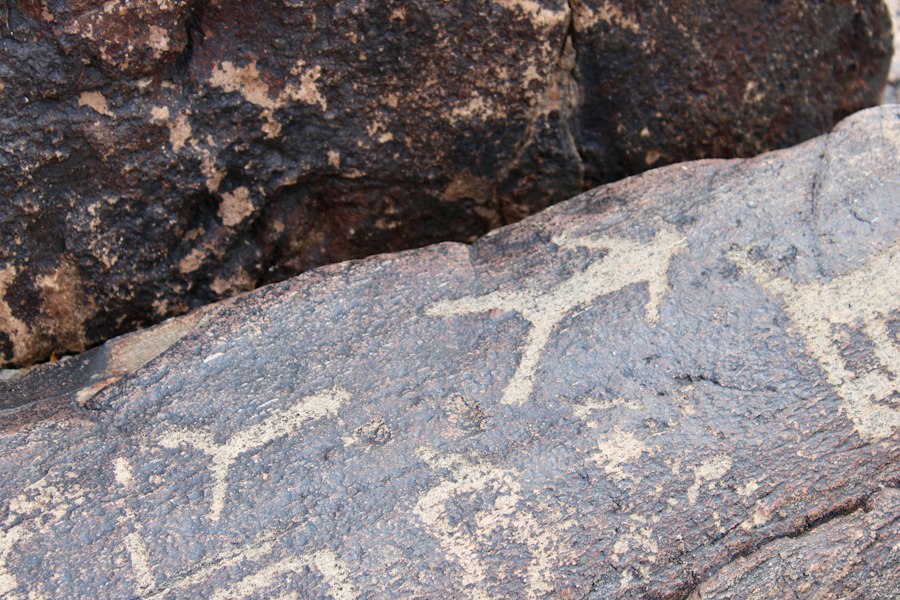
The exploration of ancient indigenous civilizations in America is an ongoing and dynamic process. Archaeological discoveries, advances in scientific analysis, and the invaluable contributions of descendant communities continue to enrich our understanding of these remarkable societies.
The Importance of Archaeological Research
Archaeology plays a crucial role in uncovering the material remains of past indigenous peoples. Excavations, meticulous documentation, and the application of new technologies, such as LiDAR and remote sensing, allow researchers to map ancient sites, analyze artifacts, and reconstruct the lives of those who came before.
The Role of Indigenous Voices
In recent decades, there has been a growing recognition of the vital importance of incorporating indigenous voices and perspectives into the exploration and interpretation of their ancestral heritage. Collaboration with descendant communities ensures that knowledge is respected, cultural sensitivities are honored, and that the narrative is presented in a holistic and culturally appropriate manner.
Enduring Legacies and Modern Relevance
The legacies of these ancient civilizations are not confined to the past. Their agricultural innovations, architectural principles, understanding of the environment, and artistic traditions continue to inspire and inform contemporary societies. Furthermore, the resilience and continuity of indigenous cultures today stand as a powerful testament to the enduring strength and adaptability of these ancient peoples. Exploring their past is not merely an academic exercise; it is an act of profound respect and an opportunity to learn from the wisdom and achievements of humanity’s ancestors. The ongoing journey of discovery promises to reveal even more about the incredible diversity and complexity of the indigenous civilizations that once flourished across the Americas, shaping the continent and leaving an indelible mark on human history.
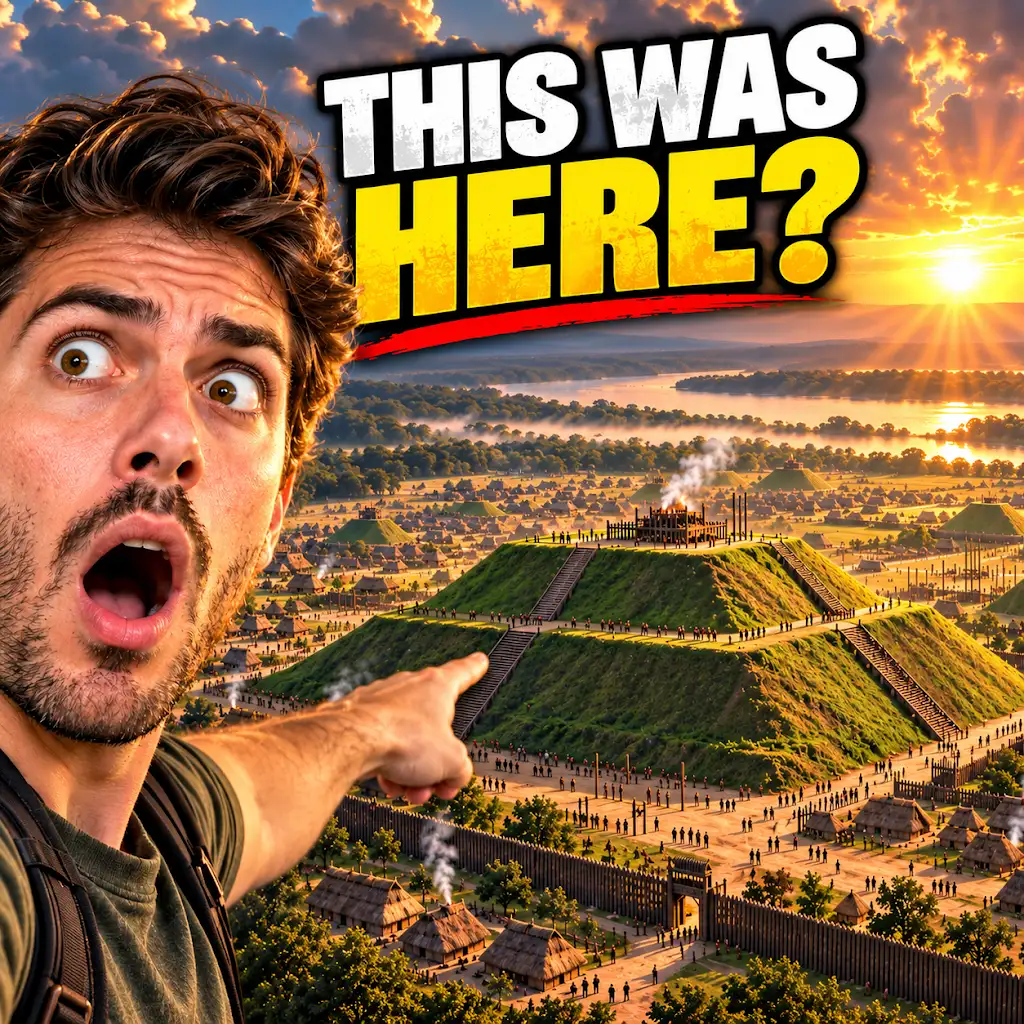
A City Bigger Than London Once Stood in America. Then It Vanished.
FAQs
What are some examples of ancient Indigenous civilizations in America?
Some examples of ancient Indigenous civilizations in America include the Maya, Aztec, Inca, Olmec, and Mississippian cultures.
What were some key achievements of ancient Indigenous civilizations in America?
Ancient Indigenous civilizations in America made significant achievements in architecture, agriculture, astronomy, mathematics, and art. They built impressive cities, developed complex irrigation systems, and created advanced calendars.
How did ancient Indigenous civilizations in America interact with each other?
Ancient Indigenous civilizations in America interacted through trade, alliances, and sometimes conflict. They exchanged goods, ideas, and technologies, and formed networks that connected different regions.
What led to the decline of ancient Indigenous civilizations in America?
The decline of ancient Indigenous civilizations in America was often due to factors such as environmental changes, warfare, disease, and the arrival of European colonizers. These factors disrupted established societies and led to the collapse of some civilizations.
What is the legacy of ancient Indigenous civilizations in America today?
The legacy of ancient Indigenous civilizations in America can be seen in the languages, traditions, and knowledge that have been passed down through generations. Their achievements continue to inspire and influence modern societies in the Americas.