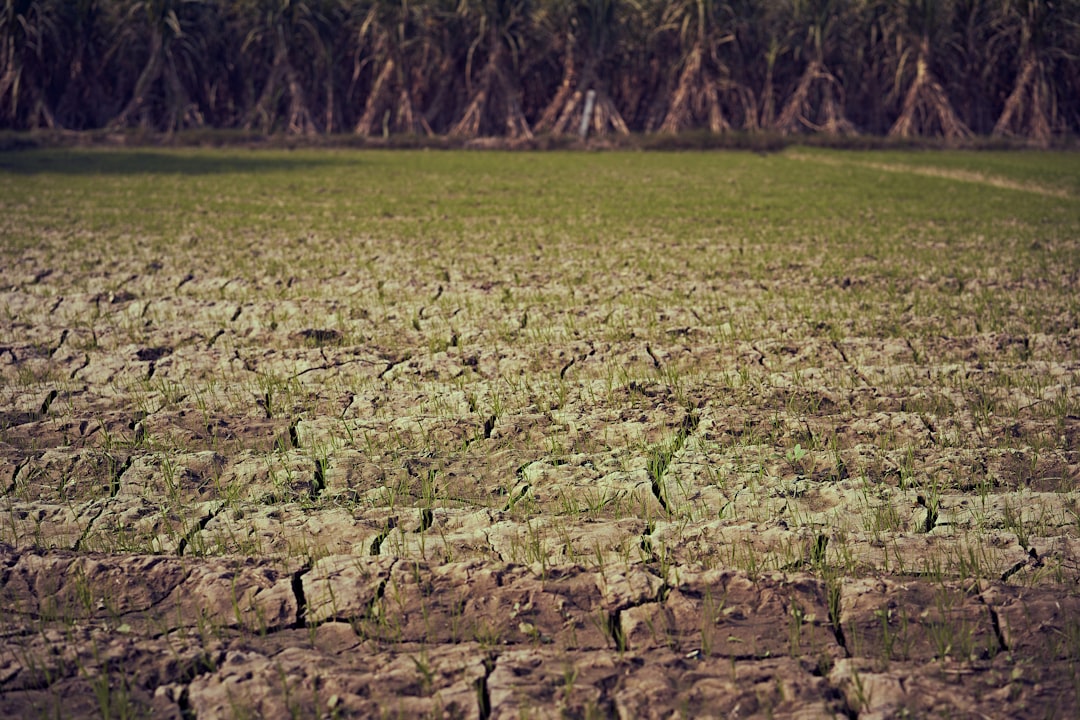
For centuries, the rise and fall of Cahokia, the pre-Columbian metropolis near modern-day St. Louis, has been a captivating enigma. This vast urban center, once home to tens of thousands of people, dominated the Mississippi River Valley for over 500 years. Its monumental earthen mounds, sophisticated social structure, and extensive trade networks speak of a civilization of remarkable complexity. Yet, by the 14th century, Cahokia was largely abandoned, leaving behind a silent testament to its former glory and a profound question: what caused its demise? For decades, scholars have debated the reasons behind Cahokia’s collapse, with theories ranging from warfare and resource depletion to disease and internal strife. Now, a compelling new theory, rooted in detailed paleoclimate research, proposes that prolonged and severe drought played a pivotal, perhaps even decisive, role in the civilization’s downfall.
Cahokia’s zenith was reached around AD 1050-1200, a period characterized by immense population growth, extensive construction of earthen mounds – most notably Monk’s Mound, a structure larger than the Great Pyramid of Giza – and the establishment of a complex sociopolitical hierarchy. The city was the heart of a widespread Mississippian culture, its influence reaching hundreds of miles across eastern North America. Artifacts found at Cahokia, such as copper from the Great Lakes and mica from the Appalachians, attest to an elaborate and far-reaching trade system. The sheer scale of human organization required to build and sustain such a city, coupled with the impressive agricultural output necessary to feed its inhabitants, points to a highly effective and resilient society.
Evidence of a Flourishing Civilization
The archaeological record provides abundant evidence of Cahokia’s success. Excavations have revealed sophisticated urban planning, with distinct residential, ceremonial, and administrative areas. Large plazas, public thoroughfares, and defensive palisades indicate a well-organized and defended city. The presence of specialized craft production, including pottery, stonework, and shell ornamentation, further highlights the city’s economic vitality. The sheer volume of agricultural produce required to sustain such a large population suggests advanced farming techniques, likely involving extensive floodplain management and possibly the cultivation of staple crops like maize, beans, and squash.
The Abrupt End
Despite its apparent strength, Cahokia’s population began to decline significantly after AD 1200, with abandonment occurring in phases, culminating in the early 14th century. The reasons for this decline have been a source of continuous academic debate, with numerous hypotheses put forth over the years.
Warfare and Social Unrest
One prominent theory suggests that internal conflict or external warfare led to Cahokia’s demise. Evidence of palisades and the occasional discovery of human remains with signs of violent trauma have been cited as support for this idea. However, a sustained pattern of widespread conflict that would lead to the abandonment of such a large urban center has not been definitively proven.
Resource Depletion and Environmental Degradation
Another line of reasoning focuses on the possibility that Cahokia’s intensive agricultural practices and resource extraction led to environmental degradation and the depletion of vital resources. Overfarming, deforestation for fuel and construction, and soil exhaustion could have made sustaining the large population increasingly difficult. This hypothesis aligns with general principles of societal collapse often linked to unsustainable resource use.
Disease and Epidemics
The possibility of disease epidemics sweeping through the densely populated urban center has also been considered. While difficult to prove definitively from archaeological evidence alone, dense populations are often vulnerable to the rapid spread of infectious diseases, which could have contributed to population decline.
The Cahokia drought collapse theory suggests that severe climate changes, particularly prolonged droughts, played a significant role in the decline of this once-thriving Native American city. This theory is supported by various archaeological findings and climate data that indicate a correlation between environmental stress and societal collapse. For those interested in understanding how environmental factors can impact civilizations, a related article discussing the implications of economic instability in the face of environmental challenges can be found here: Preparing for a US Debt Crisis: What You Need to Know.
The Paleoclimate Connection: Unearthing New Insights
The new theory centers on advancements in paleoclimate research, specifically the analysis of lake sediments and tree rings. These natural archives provide invaluable, long-term records of past environmental conditions, including rainfall patterns and drought severity. By examining proxies such as pollen, charcoal, and isotopic signatures within these archives, scientists can reconstruct past climates with remarkable accuracy.
Lake Sediments as Climate Diaries
One of the key sources of evidence comes from the study of lake sediments in the Midwest. Researchers have analyzed cores from lakes in the vicinity of Cahokia, looking for indicators of hydrological conditions. These sediments can reveal periods of increased or decreased water levels, changes in erosion rates (often linked to rainfall), and the composition of plant life, all of which are sensitive to climate shifts.
Varves and Their Significance
Laminated lake sediments, known as varves, are particularly informative. These layers form annually, with distinct differences between sediment deposited during wet seasons (typically finer material and organic matter) and dry seasons (coarser material and increased erosion). The thickness and composition of these varves can be used to reconstruct past precipitation regimes.
Pollen Analysis and Vegetation Shifts
The presence and abundance of different pollen types within the sediment layers offer insights into past vegetation. During prolonged dry periods, drought-tolerant species may become more prevalent, while water-dependent plants decline. This shift in vegetation directly reflects changes in moisture availability.
Tree Rings and Drought Reconstruction
Another crucial line of evidence comes from dendrochronology, the science of dating and studying tree rings. By analyzing the width and density of annual tree rings from ancient wood, scientists can reconstruct past climate conditions, particularly rainfall and drought. Wider rings generally indicate favorable growing conditions with ample moisture, while narrower rings suggest stress due to drought or other environmental challenges.
Crossdating and Chronological Accuracy
The principle of crossdating is vital in dendrochronology. By comparing ring patterns from multiple trees, researchers can establish a precise chronological framework, ensuring that the ring record accurately reflects the passage of time and the environmental conditions experienced each year.
The “CDMP” Drought Index
Specific studies have developed drought indices based on tree ring data, such as the “Central Default Mode Precipitation” (CDMP) index. This index quantifies the severity and duration of droughts in the region over long periods, providing a direct measure of hydrological stress.
The Cahokian Climate Record: A Story of Increasing Aridity
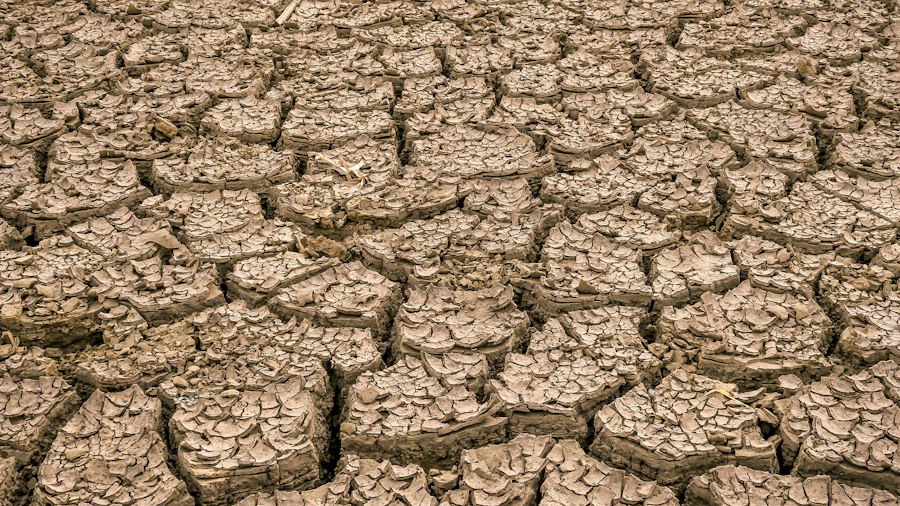
When the paleoclimate data from various sources is synthesized, a compelling narrative emerges: the period following Cahokia’s peak of influence was marked by a significant and prolonged shift towards drier conditions. This period, roughly beginning around AD 1200 and intensifying in subsequent centuries, saw a marked increase in drought frequency and severity.
Evidence of a Drying Trend
The lake sediment cores and tree ring records from the Midwest consistently show a trend of declining precipitation and increased aridity coinciding with, and following, the period of Cahokia’s decline. This is not a picture of a sudden, catastrophic drought, but rather a gradual yet persistent environmental stress that likely had profound consequences for a society heavily reliant on agriculture.
The “Great Drought” Hypothesis
While not a single, catastrophic event, the combined impact of a series of increasingly severe and prolonged droughts would have placed immense pressure on Cahokia’s agricultural system and its ability to support its large population. This prolonged period of reduced rainfall could be metaphorically referred to as a “Great Drought” in terms of its cumulative impact.
Regional Consistency of the Data
Crucially, the paleoclimate data indicating this drying trend is not isolated to a single location. Similar patterns of increasing aridity have been observed in various paleoclimate archives across the wider North American Midwest, suggesting a regional climatic shift rather than a localized anomaly.
The Impact of Drought on Cahokian Society
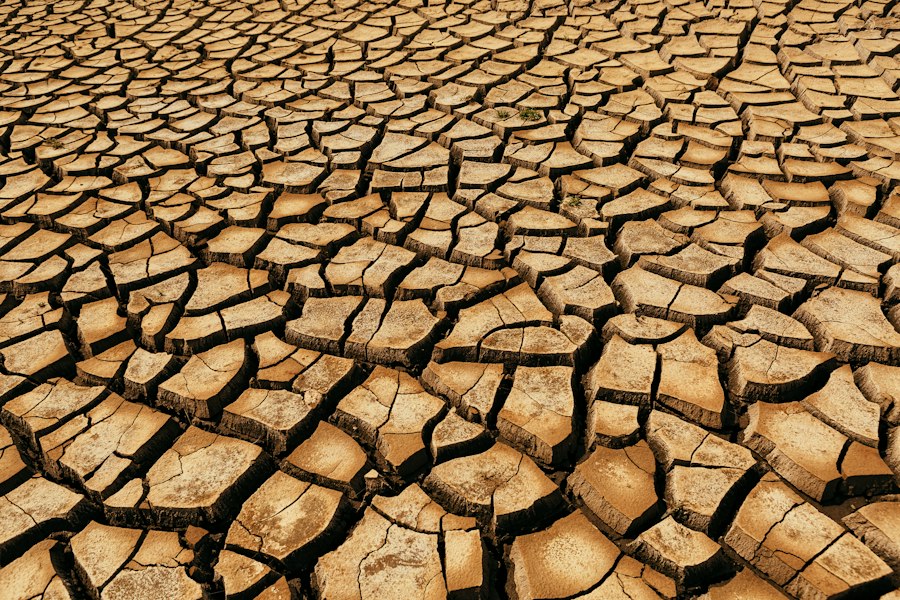
The implications of prolonged drought for an agrarian society like Cahokia are profound. The civilization’s success was intricately linked to its ability to harness the fertile floodplains of the Mississippi River for intensive agriculture. Drought would have directly undermined this foundation.
Agricultural Vulnerability
Maize, a staple crop for the Mississippians, is particularly sensitive to water availability. Reduced rainfall would have led to lower crop yields, increased crop failure, and potentially widespread food shortages. The sophisticated water management systems that Cahokians may have employed would have been overwhelmed by sustained drought conditions.
Reduced Harvests and Food Security
Even with advanced farming techniques, prolonged dry spells would have significantly reduced the amount of food that could be produced. This would have directly impacted food security, leading to increased competition for dwindling resources.
Soil Degradation and Erosion
Drought can also exacerbate soil degradation. Dry soils are more susceptible to wind erosion, and when rain eventually does fall, it can lead to increased surface runoff and soil loss. This would have further diminished the agricultural productivity of the surrounding lands.
Water Scarcity and Social Stress
Beyond agriculture, drought would have also led to water scarcity for drinking, sanitation, and other essential uses. This would have placed additional stress on the urban population, potentially leading to increased social tensions and conflict.
Competition for Scarce Water Resources
As water sources dwindled, competition for what remained would have intensified. This could have led to disputes between different social groups or even between Cahokia and its surrounding communities, further destabilizing the region.
Public Health Implications
Water scarcity and reduced sanitation can have significant public health consequences. Lack of clean water can lead to increased incidence of waterborne diseases, further weakening the population.
The Cahokia drought collapse theory suggests that severe climate changes played a significant role in the decline of this once-thriving civilization. Recent studies have examined how environmental factors can impact societal stability, drawing parallels to modern issues of resource management and sustainability. For a deeper understanding of how government responses to crises can affect communities, you can read this insightful article on the implications of the Defense Production Act during national emergencies. This connection highlights the importance of recognizing environmental challenges both in the past and present. You can find the article here: Defense Production Act and Property Seizure in National Emergency.
Reinterpreting Cahokia’s Collapse Through a Climate Lens
| Year | Drought Severity | Population Decline |
|---|---|---|
| 1150-1200 AD | Severe | Significant decline |
| 1250-1300 AD | Extreme | Complete collapse |
The new theory suggests that the long-term environmental stress imposed by prolonged drought, rather than a single catastrophic event, was a primary driver of Cahokia’s decline. This shift in perspective offers a more nuanced and perhaps more accurate understanding of the civilization’s demise.
A Gradual Unraveling
Instead of a sudden collapse due to warfare or disease, the new theory paints a picture of a gradual unraveling. As the environmental conditions became increasingly challenging, the sophisticated social and economic systems of Cahokia would have struggled to adapt. This gradual pressure would have led to a slow but steady decline in population and influence.
Resilience Tested to its Limits
Cahokian society, while clearly advanced and resilient in many ways, ultimately faced an environmental challenge that may have exceeded its adaptive capacity. The ability to manage resources and feed a large population was fundamental to their success, and drought directly attacked this core strength.
Feedback Loops and Systemic Failure
The theory posits that the impacts of drought likely created feedback loops that exacerbated the problems. For example, lower agricultural output could lead to increased deforestation for fuel, which in turn could worsen erosion and further reduce agricultural productivity. These interconnected failures could have led to a systemic collapse of the societal structure.
The Role of Other Factors in the New Theory
It is important to note that the drought collapse theory does not necessarily exclude other contributing factors. Warfare, disease, and internal social dynamics may have still played roles in the decline. However, the new theory suggests that drought provided the underlying stressor that weakened the society and made it more vulnerable to these other pressures.
Drought as an Enabler, Not the Sole Cause
Drought may have acted as an enabler, creating the conditions for other problems to arise or to have a more devastating impact. For instance, food shortages due to drought could have fueled social unrest or led to increased conflict over resources.
A Multifaceted Collapse
Ultimately, the collapse of Cahokia was likely a multifaceted event. The paleoclimate evidence, however, provides a compelling new lens through which to understand this complex history, highlighting the critical role that environmental factors can play in the trajectory of even the most advanced human societies. This evolving understanding of Cahokia’s past serves as a powerful reminder of the intricate relationship between human civilization and the natural world.

A City Bigger Than London Once Stood in America. Then It Vanished.
FAQs
What is the Cahokia drought collapse theory?
The Cahokia drought collapse theory suggests that the decline of the ancient Native American city of Cahokia, located near present-day St. Louis, was caused by a prolonged period of drought.
When did the Cahokia drought collapse theory emerge?
The theory emerged after researchers found evidence of a significant decrease in precipitation during the time of Cahokia’s decline, which coincided with the 13th century.
What evidence supports the Cahokia drought collapse theory?
Evidence supporting the theory includes sediment cores from nearby lakes that show a decrease in pollen from water-loving plants, indicating drier conditions. Additionally, tree ring data from the region also suggests a period of decreased rainfall.
How did the Cahokia people adapt to the drought?
It is believed that the Cahokia people attempted to adapt to the drought by building more reservoirs and intensifying agricultural practices. However, these efforts may not have been enough to sustain the population during the prolonged dry period.
What impact did the Cahokia drought collapse have on the region?
The collapse of Cahokia had a significant impact on the region, leading to the abandonment of the city and the dispersal of its population. It also had implications for the social, political, and economic systems of the time.