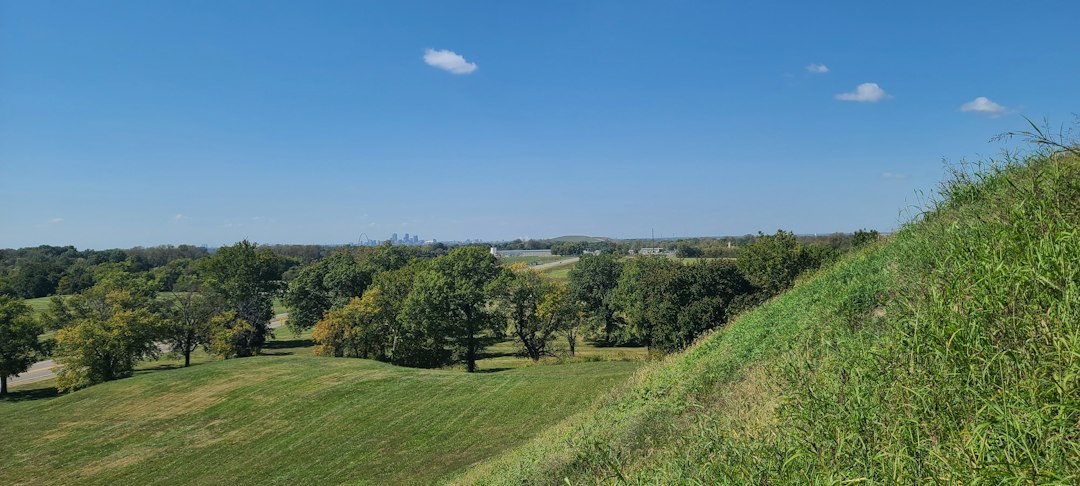
The sun beat down on the vast, fertile plains of the Mississippi River valley, much as it had for centuries. But a strange silence had fallen over the city of Cahokia. The bustling marketplace, once a vibrant hub of activity, now echoed with an eerie emptiness. The towering mounds, magnificent testaments to a sophisticated civilization, stood sentinel over a city that was slowly, inexplicably, fading into the past. The once-thriving metropolis, a beacon of pre-Columbian North America, had vanished, leaving behind a profound enigma that continues to captivate and confound historians and archaeologists to this day.
Cahokia, flourishing between roughly 1050 and 1350 CE, was not merely a collection of villages; it was a sprawling urban center, a true testament to the ingenuity and organizational prowess of the Mississippian culture. At its zenith, it boasted a population estimated to be between 10,000 and 20,000 people, with some scholars suggesting it may have been as high as 50,000 or even more at its peak. This made Cahokia larger than any contemporary European city, a staggering achievement for a society without written language or advanced technology as we understand it.
The Center of the Mississippian World
Cahokia was the undisputed heart of the Mississippian world, a complex and widespread culture that dominated much of the Eastern Woodlands of North America. It was a center of political power, religious ceremony, and economic exchange. Its influence extended for hundreds of miles, evident in the widespread distribution of Cahokian artifacts and the adoption of Mississippian customs by surrounding communities. This vast network of interaction facilitated the movement of goods, ideas, and people, solidifying Cahokia’s position as a cultural and political powerhouse.
Monks Mound: A Monument to Power
The most iconic feature of Cahokia is undoubtedly Monks Mound. This colossal earthen structure, covering an area of over 14 acres and rising 100 feet high, is the largest prehistoric earthwork in the Americas. Its construction, which took centuries and involved the movement of millions of cubic feet of earth, speaks volumes about the sheer labor and coordination capabilities of the Cahokian people. It served as the administrative and ceremonial center of the city, likely housing the ruling elite and serving as the stage for important rituals and public gatherings. The sheer scale of Monks Mound is a tangible reminder of the ambition and vision of its creators.
The Sophistication of Cahokian Society
The society that built Cahokia was far from primitive. Archaeological evidence reveals a highly stratified society with a distinct ruling class, skilled artisans, and a large labor force. They were skilled farmers, cultivating maize, beans, and squash, which formed the basis of their diet and supported their large population. They were also adept traders, exchanging goods such as shell beads, copper, and mica over vast distances. The intricate designs on their pottery and the precision of their stone tools demonstrate a high level of craftsmanship.
Social Hierarchy and Governance
The presence of large, elaborate structures like Monks Mound, alongside smaller residences and specialized workshops, points to a complex social hierarchy. The elite likely resided in the more prominent areas, enjoying access to resources and wielding considerable power. The governance of Cahokia remains a subject of debate, but it is widely believed to have been a chiefdom or a confederacy of chiefdoms, with a powerful leader or leaders at the helm. Evidence suggests a sophisticated understanding of social organization and resource management was crucial for maintaining such a large and complex society.
The Economic Engine of the Region
Cahokia’s economic significance cannot be overstated. It served as a central marketplace, attracting traders from across the continent. The fertile Mississippi River valley provided abundant agricultural resources, supporting a large population and allowing for surplus production. This surplus could then be traded for goods not available locally, such as exotic shells from the Gulf Coast, copper from the Great Lakes, and flint from distant quarries.
The Cahokia Trade Network
The extensive trade network of Cahokia was a vital component of its prosperity. Archaeologists have unearthed artifacts originating from hundreds of miles away, indicating a sophisticated understanding of long-distance trade routes and the value of different commodities. This trade not only brought wealth and desirable goods to Cahokia but also facilitated the spread of Cahokian culture and influence to other regions. The network fostered interdependence and likely contributed to the stability and growth of the Mississippian world for a considerable period.
Specialized Crafts and Production
Beyond trade, Cahokia was also a center of specialized craft production. Excavations have revealed evidence of skilled artisans working with stone, shell, copper, and pottery. The creation of intricate jewelry, tools, and ceremonial objects required specialized knowledge and techniques, suggesting a division of labor within Cahokian society. These specialized crafts were not only for domestic use but also important trade items, further enhancing Cahokia’s economic power.
Agricultural Innovations
The agricultural backbone of Cahokia was its sophisticated farming practices. The Mississippian people were adept at cultivating staple crops like maize, which provided a reliable food source and allowed for population growth. They likely employed crop rotation and other soil management techniques to maintain the fertility of the land. The availability of such a dependable food supply was fundamental to supporting the large urban population and the intensive labor required for monumental construction projects.
Cahokia, once a thriving pre-Columbian city near present-day St. Louis, serves as a fascinating case study in the rise and fall of complex societies. The decline of Cahokia raises important questions about sustainability and resource management, themes that resonate in contemporary discussions about technology and its impact on society. For instance, an article discussing the advancements in lunar operations with autonomous systems highlights how modern technology can help us manage resources more effectively in challenging environments. You can read more about this topic in the article here: Advancing Lunar Operations with Autonomous Systems.
The Twilight of Cahokia
Around the 13th century, signs of decline began to emerge. The vibrant urban life that characterized Cahokia started to falter, and within a few centuries, the city was largely abandoned. The reasons for this dramatic shift remain a subject of intense speculation and scientific inquiry, with no single definitive answer. The mystery surrounding Cahokia’s decline is as profound as the story of its rise.
Environmental Stress and Resource Depletion
One of the most compelling theories points to environmental factors. Prolonged periods of drought or flooding could have severely impacted agricultural yields, leading to food shortages and social unrest. Overpopulation may have also put a strain on local resources, leading to deforestation, soil erosion, and a decline in the natural bounty of the region.
Climate Change and Agricultural Collapse
Evidence from paleoclimate studies suggests that Cahokia experienced periods of significant climate fluctuation. Shifts in rainfall patterns could have disrupted the delicate balance of their agricultural system, which was heavily reliant on predictable weather. A prolonged drought or a series of devastating floods could have led to crop failures, famine, and ultimately, the destabilization of the society. The ability of a civilization to thrive is often directly linked to its ability to adapt to its environment, and in this case, the environment may have presented insurmountable challenges.
Deforestation and Soil Erosion
The sheer scale of construction at Cahokia, involving the clearing of vast tracts of land for timber and to support a large population, could have led to significant deforestation. This, in turn, can result in soil erosion, reducing the fertility of agricultural lands and impacting water availability. The cumulative effect of such environmental degradation could have made sustaining the city increasingly difficult.
Disease and Epidemics
The dense urban population of Cahokia, coupled with its extensive trade networks, may have made it vulnerable to the rapid spread of infectious diseases. While direct evidence of widespread epidemics is scarce, it is a plausible factor that could have contributed to population decline and social disruption. The introduction of new diseases, perhaps through contact with distant groups, could have had devastating consequences for a population lacking immunity.
Social and Political Upheaval
Internal strife, warfare, or a breakdown in social cohesion could also have played a role in Cahokia’s decline. As resources became scarce or as social tensions rose, the complex social and political structures that held the city together may have begun to unravel. The elite’s ability to maintain control and distribute resources could have been challenged, leading to instability and ultimately, abandonment.
Internal Conflict and Rebellions
It is possible that societal pressures, such as growing inequality or dissatisfaction with leadership, could have led to internal conflict. The large population and the centralized nature of Cahokian society would have made it susceptible to such internal challenges. Rebellions or a gradual erosion of the ruling elite’s authority could have weakened the city’s ability to function effectively.
Warfare and External Threats
While direct evidence of large-scale warfare against Cahokia is limited, it is not impossible that external threats or escalating conflicts with neighboring groups could have contributed to its decline. The collapse of a major center like Cahokia could have also led to increased competition and conflict among its former dependencies or rivals.
Loss of Trade and Influence
The decline of Cahokia’s economic power and its extensive trade networks could have had a cascading effect. As its influence waned, other centers may have risen to prominence, drawing trade and populations away from Cahokia. The loss of its economic dynamism would have severely hampered its ability to sustain itself.
Theories and Speculations: Unraveling the Enigma

Over the years, numerous theories have been proposed to explain Cahokia’s disappearance, ranging from the plausible to the more speculative. Archaeologists and historians continue to sift through the evidence, seeking to piece together the fragmented story of this lost civilization.
Cahokia, once a thriving pre-Columbian city near present-day St. Louis, faced a mysterious decline that has intrigued historians for years. The factors contributing to its downfall are still debated, with theories ranging from environmental changes to social upheaval. A fascinating exploration of how communities respond to threats can be found in a related article discussing the consequences of an attack on a lunar base, which highlights the importance of resilience in the face of adversity. You can read more about this intriguing topic here.
The “Big Bang” and Rapid Collapse Theory
This theory suggests a relatively rapid decline and abandonment of Cahokia, perhaps triggered by a sudden environmental catastrophe or a significant social upheaval. The idea is that the city’s complex infrastructure and large population made it vulnerable to a swift collapse once a critical threshold was crossed.
Sudden Environmental Catastrophe
Imagine a catastrophic flood that inundates the city, or a prolonged drought that decimates crops and makes the region uninhabitable. Such events, while dramatic, could indeed lead to rapid abandonment as people seek safer and more sustainable locations. The lack of gradual decline in some archaeological strata could lend credence to this idea of a more sudden event.
Sociopolitical Instability Leading to Exodus
Alternatively, a rapid breakdown in social order, perhaps triggered by famine or internal conflict, could have led to a mass exodus. If the ruling elite lost control or if widespread unrest erupted, the population might have dispersed quickly to find new opportunities and stability elsewhere.
Disease Outbreak and Population Collapse
A devastating epidemic could also lead to a rapid decline in population, making it impossible to sustain the infrastructure and social organization of a large city. Such an event would leave the city vulnerable and likely lead to its eventual abandonment.
The Gradual Decline and Dispersal Theory
This perspective posits a more gradual process of decline, where Cahokia slowly lost its prominence and population over time, with people dispersing to smaller settlements. This theory emphasizes adaptation and migration rather than a sudden catastrophic event.
Shifting Agricultural Practices and Resource Management
As environmental conditions changed or as the population grew, Cahokians may have had to adapt their agricultural practices or find new ways to manage resources. This could have involved a slow shift towards more sustainable practices or a gradual migration to areas with better resources.
Emergence of New Centers of Power
It is possible that as Cahokia weakened, other, smaller centers of power emerged in surrounding regions. These new centers may have attracted population and economic activity, leading to a slow but steady drain on Cahokia’s resources and influence.
Cultural Diffusion and Assimilation
The Mississippian culture was not static. Over time, cultural practices and beliefs diffused and evolved. It is plausible that Cahokian people and their cultural traditions were gradually assimilated into surrounding communities as the centralized authority of Cahokia diminished.
Supernatural and Mythological Explanations
While not scientifically supported, some early accounts and indigenous oral traditions have offered more mystical explanations for Cahokia’s disappearance, often involving supernatural forces or the wrath of the gods. These narratives, while lacking empirical evidence, reflect the profound sense of awe and mystery that the site has always inspired.
Legends of Vanishing Peoples
Indigenous oral traditions in the region often speak of powerful ancestral peoples who vanished or moved on, leaving behind their monumental works. These stories, passed down through generations, speak to the enduring cultural memory of a once-great civilization.
Religious or Spiritual Interpretations
Some interpretations suggest that Cahokia’s decline was tied to a spiritual crisis or a shift in religious beliefs. Perhaps the abandonment of traditional practices or the failure to appease spiritual forces led to the city’s downfall in the eyes of its people.
The “Lost Tribe” Mythology
The idea of a “lost tribe” or a vanished civilization has long captured the popular imagination. While Cahokia’s disappearance is not that of a literally lost tribe in the sense of a group that ceased to exist, the profound mystery of its abandonment fuels such speculative narratives.
Archaeological Discoveries and Ongoing Research
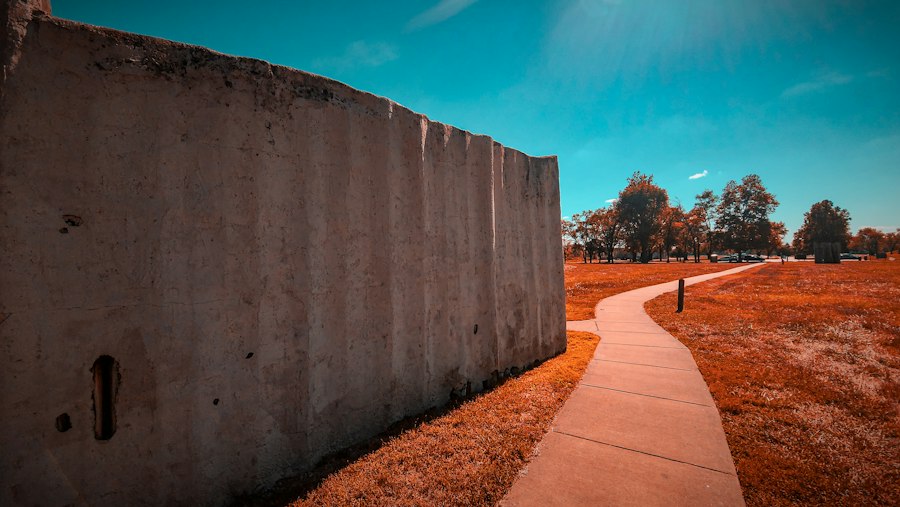
Despite the challenges, archaeologists continue to make remarkable discoveries at Cahokia, shedding new light on its history and the lives of its inhabitants. Ongoing research, utilizing cutting-edge technologies, promises to further unravel the secrets of this remarkable ancient city.
Excavations and Artifact Analysis
Systematic excavations at Cahokia have unearthed a wealth of artifacts, including pottery, tools, jewelry, and remnants of structures. The meticulous analysis of these objects provides invaluable insights into the diet, daily life, social organization, and artistic achievements of the Cahokian people.
Revealing Daily Life Through Material Culture
Pottery fragments tell us about cooking methods and dietary staples. Stone tools reveal their hunting and crafting techniques. Personal adornments offer clues about social status and beliefs. Each artifact, no matter how small, is a piece of a much larger puzzle.
Understanding Social Stratification
The distribution of wealth and the quality of housing found in different areas of Cahokia provide strong evidence of a stratified society. The elaborate burials of elites, often accompanied by rich grave goods, stand in stark contrast to the simpler remains of commoners.
Reconstruction of Foodways and Diet
Analysis of human remains and food-related artifacts helps reconstruct the diet of Cahokians. Evidence points to a heavy reliance on maize, supplemented by hunting, fishing, and the gathering of wild plants.
Advanced Technologies in Archaeological Research
Modern scientific techniques are revolutionizing our understanding of Cahokia. From satellite imagery to radiocarbon dating, these technologies allow researchers to explore the site in unprecedented detail and with greater accuracy.
LiDAR and Remote Sensing
LiDAR (Light Detection and Ranging) technology allows archaeologists to “see through” vegetation and map the subtle contours of the landscape, revealing hidden structures and features that might otherwise remain undetected.
Radiocarbon Dating and Chronological Frameworks
Radiocarbon dating of organic materials provides precise dates for different periods of Cahokia’s occupation, helping to establish a more accurate chronological framework for its rise, peak, and decline.
Geoarchaeological Investigations
Geoarchaeological studies examine the soil layers and geological history of the site, providing information about past environmental conditions, soil erosion, and the impact of human activities on the landscape.
The Importance of Interdisciplinary Collaboration
Understanding Cahokia requires the collaboration of a diverse range of experts, including archaeologists, anthropologists, geologists, paleoclimatologists, and historians. This interdisciplinary approach allows for a more holistic and comprehensive interpretation of the evidence.
Integrating Scientific Data with Indigenous Knowledge
Increasingly, researchers are recognizing the value of integrating scientific findings with indigenous oral traditions and knowledge systems. This partnership can offer unique perspectives and a deeper understanding of the cultural context of Cahokia.
The Ongoing Quest for Answers
The mystery of Cahokia’s disappearance is not yet fully solved. However, with each new discovery and every refined theory, we move closer to understanding the complex factors that led to the rise and fall of this extraordinary pre-Columbian metropolis. The story of Cahokia continues to unfold, a captivating testament to the enduring power of human ingenuity and the ephemeral nature of even the greatest civilizations.

A City Bigger Than London Once Stood in America. Then It Vanished.
FAQs
What is Cahokia?
Cahokia was a pre-Columbian Native American city located in present-day Illinois, near St. Louis, Missouri. It was the largest and most influential urban settlement of the Mississippian culture, thriving between the 9th and 15th centuries.
What happened to Cahokia?
Cahokia experienced a decline and eventual abandonment around the 14th century. The exact reasons for its decline are still debated among archaeologists, but factors such as environmental degradation, political instability, and resource depletion are believed to have played a role.
What is the current state of Cahokia?
Today, Cahokia is a UNESCO World Heritage Site and a state historic site in Illinois. The remnants of the ancient city include mounds, plazas, and other earthworks that provide insight into the culture and society of the Mississippian people.
What can visitors see at Cahokia today?
Visitors to Cahokia can explore the various mounds and earthworks, including Monks Mound, the largest prehistoric earthwork in North America. The site also features a museum with exhibits on the history and archaeology of Cahokia.
What is the significance of Cahokia?
Cahokia is significant for its role as a major center of Mississippian culture and its influence on the development of indigenous societies in North America. Its architectural achievements and complex social organization make it an important site for understanding the pre-Columbian history of the region.