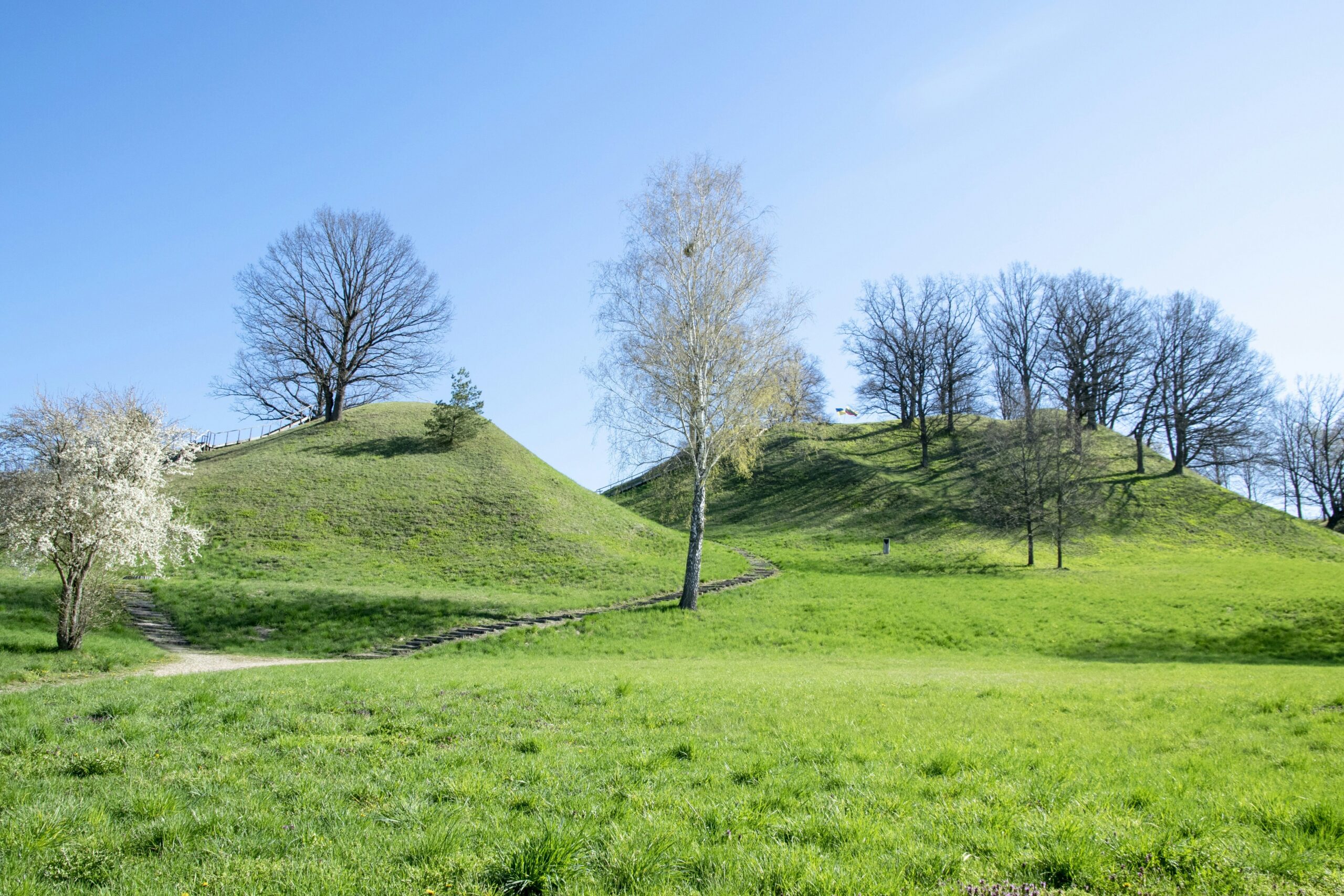
Monks Mound, a colossal earthen structure rising from the Mississippi River floodplain near Cahokia, Illinois, stands as an enduring testament to the sophisticated engineering capabilities of the Mississippian culture. For centuries, this monumental platform mound, the largest pre-Columbian earthwork in North America, has captivated scholars and the public alike, prompting questions about its construction, purpose, and the people who conceived and executed such an ambitious undertaking. Building Monks Mound was not a simple endeavor; it was an ancient engineering feat that demanded meticulous planning, immense labor, and a deep understanding of the natural environment.
The decision to construct a structure of Monks Mound’s magnitude was not made lightly. It represented a significant investment of resources and human capital, suggesting a powerful organizing force and a clear societal vision. The purpose of such a monumental undertaking would have been multifaceted, encompassing religious, political, and social dimensions. While definitive answers remain elusive, archaeological evidence and comparative studies offer compelling insights into the motivations behind its creation.
Sociopolitical Hierarchy and Centralized Authority
The sheer scale of Monks Mound strongly implies a highly stratified society with a centralized authority capable of mobilizing and directing a vast workforce. The ability to organize thousands of individuals for extended periods, often over generations, points to a leadership structure that commanded respect, obedience, or perhaps a combination of both. This ruling elite likely resided atop the mound, signifying their elevated status and their connection to the divine. The construction itself could have served as a powerful symbol of this authority, a tangible manifestation of their power and influence over the surrounding landscape and population.
Religious and Spiritual Significance
Platform mounds, and Monks Mounds in particular, are widely believed to have held profound religious and spiritual significance for the Mississippian people. They likely served as sacred spaces, connecting the earthly realm with the celestial. The elevated position of the mound would have provided a vantage point for observing astronomical events, crucial for calendrical systems and religious rituals. Temples, plazas, and elite residences would have adorned its summit, forming a sacred precinct where religious ceremonies and political gatherings would have taken place. The mound’s orientation, often aligned with celestial bodies, further underscores its cosmological importance.
Astronomical Alignments and Cosmological Understanding
The deliberate placement and orientation of Monks Mound suggest a sophisticated understanding of astronomy and a worldview deeply intertwined with celestial cycles. Archaeological investigations have revealed potential alignments with solstices and equinoxes, hinting at the mound’s role as a calendrical marker. The Mississippian cosmology likely viewed the cosmos as layered, with the heavens above, the earth in the middle, and the underworld below. Monks Mound, as a structure that reached towards the heavens, would have served as a physical bridge between these realms, a conduit for communication with the gods or ancestral spirits.
A Lasting Legacy: The Purpose of Endurance
The enduring nature of Monks Mound speaks to the Mississippian desire to create something permanent, a legacy that would transcend generations. Its construction was a deliberate act of landscape modification, transforming the natural environment into a symbol of their civilization. This desire for permanence could have stemmed from a need to solidify their claim to the land, to assert their presence, or to leave an indelible mark on history for their descendants and perhaps even for future civilizations.
Monks Mound, the largest earthen structure in North America, has long fascinated archaeologists and historians due to its impressive size and construction techniques. To understand the methods used in its creation, one can explore the geological processes that influenced ancient civilizations. A related article that delves into geological evidence and its implications for understanding human activity is available at this link. This resource provides insights into how geological factors can shape human endeavors, paralleling the monumental efforts seen in the construction of Monks Mound.
The Herculean Task: Mobilizing Labor and Resources
The construction of Monks Mound was an undertaking of immense proportions, requiring the mobilization of a vast and sustained labor force. This was not a project completed by a few individuals; it was a collective endeavor that likely involved thousands of people working over decades, if not centuries. The sheer volume of earth moved and the techniques employed speak volumes about the organizational capacity of the Mississippian society.
A Multi-Generational Effort
Archaeological dating suggests that the construction of Monks Mound occurred in stages, spanning several centuries, from around 900 CE to 1250 CE. This indicates that it was not a single, rapid construction event but rather a process that unfolded across multiple generations. Each generation would have contributed to its growth, adding layers of earth and refining its form. This generational commitment underscores the importance of the mound and the sustained societal commitment to its completion.
The Workforce: Who Built It?
The identity of the laborers who built Monks Mound is a subject of ongoing research. It is highly probable that the workforce was diverse, encompassing not only skilled craftspeople and engineers but also a large contingent of ordinary citizens. This could have been achieved through various forms of labor organization, such as communal work parties, tribute labor, or even a form of corvée labor imposed by the ruling elite. The evidence does not suggest the use of enslaved labor in the way we understand it today, but rather a system of communal or mandated service.
Tools and Techniques of Earth Moving
The Mississippian people possessed a remarkable understanding of basic engineering principles and utilized simple yet effective tools to move and shape the earth. They would have primarily used:
Hand Tools and Implements
- Digging Sticks: These sharpened wooden poles, often hardened by fire, would have been the primary tools for excavating soil.
- Shell and Bone Scrapers: Used for loosening compacted earth and for smoothing surfaces.
- Woven Baskets and Gourds: These were essential for carrying and transporting the excavated soil. The capacity of these containers, though limited individually, would have been significant when used by thousands of people.
Techniques for Moving Earth
- Basket Loading and Carrying: Excavated soil would have been placed into baskets and carried by individuals to the mound. This was likely a labor-intensive process, requiring constant movement and replenishment of the workforce.
- Leverage and Inclined Planes: While direct evidence is scarce, it is conceivable that the builders utilized simple levers to help dislodge large clumps of earth. The mound itself, as it grew, would have naturally formed inclined planes, facilitating the transport of baskets uphill.
The Source of the Soil: Landscape Modification
The immense volume of earth required for Monks Mound – estimated at over 21 million cubic feet – meant that its construction involved significant modification of the surrounding landscape. The soil was likely quarried from nearby borrow pits, areas where earth was excavated for construction. These borrow pits, still visible today as depressions in the landscape, demonstrate the scale of the earth-moving operations. The strategic selection of borrow pit locations would have minimized the distance soil needed to be transported, optimizing efficiency.
The Engineering Marvel: Design and Construction

The construction of Monks Mound was not simply a matter of piling up dirt. It involved sophisticated design principles and meticulous construction techniques to ensure its stability, shape, and longevity. The mound’s stepped terraces, level summit, and internal structure reveal a deliberate and intelligent approach to earthworks.
Structural Integrity and Stability
The stability of such a massive earthen structure is paramount. The Mississippian builders likely understood the principles of load-bearing and compaction.
Layering and Compaction Techniques
- Sequential Earth Deposition: The mound was not built as a monolithic entity. Instead, it was constructed in distinct layers, with each layer likely being compacted before the next was added. This layering technique would have helped to distribute weight evenly and prevent internal slumping.
- Interspersed Organic Material: Evidence suggests that layers of organic material, such as logs and reeds, may have been incorporated into the fill. These materials could have acted as internal drainage or provided a more stable matrix for the soil, preventing water saturation and erosion.
- Clay Lenses and Drainage: The builders may have strategically incorporated layers of clay to act as waterproof membranes, channeling water away from the core of the mound and preventing saturation that could lead to collapse.
Gradual Slopes and Terraces
- Stepped Design: Monks Mound is characterized by its four distinct terraces, which ascend its sides. This stepped design was not merely aesthetic; it served a crucial structural purpose.
- Weight Distribution: The terraces effectively distribute the weight of the upper portions of the mound over a wider base, increasing its overall stability.
- Erosion Control: The stepped design also helped to mitigate erosion by breaking the flow of rainwater down the steep slopes.
- Access and Functionality: The terraces likely provided pathways for movement up and down the mound and may have also served as platforms for various structures or activities.
Maintaining Shape and Form
Achieving and maintaining the specific shape of Monks Mound required careful planning and execution.
Precise Excavation and Embankment
- Defined Boundaries: The builders would have had a clear vision of the mound’s intended dimensions and shape. This would have involved establishing boundaries and building up the earth within those confines.
- Smoothing and Shaping: Once the basic form was achieved, the surfaces would have been meticulously smoothed and shaped using tools to create the desired profiles of the terraces and slopes.
Internal Structures and Features
- Possible Internal Chambers or Drainage Systems: While much of the internal structure of Monks Mound remains unexplored due to its sheer size and the preservation concerns, some archaeological investigations have hinted at the possibility of internal chambers or sophisticated drainage systems designed to manage water runoff and maintain structural integrity. The existence of such features would further underscore the advanced engineering knowledge of the Mississippian people.
Life on the Summit: The Purposeful Occupation
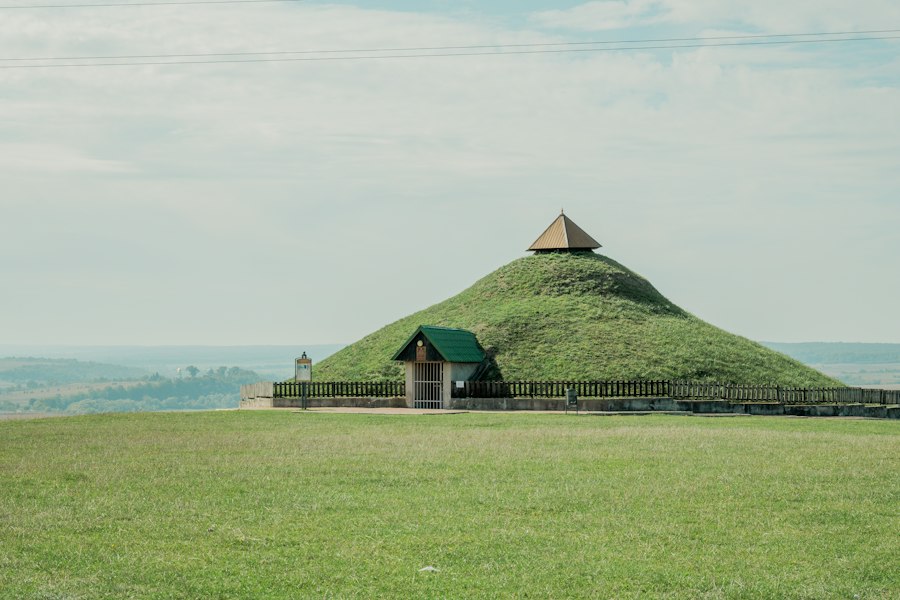
The summit of Monks Mound was not an empty space but a highly organized and purposeful area, serving as the focal point of Mississippian political, religious, and social life. The structures that once adorned its top would have been central to the functioning of Cahokia as a major urban center.
Elite Residences and Palaces
The highest and most prominent locations on the summit would have been reserved for the most important individuals in Mississippian society.
The Chief’s Dwelling
- Prominent Location: The uppermost platform of Monks Mound would have been the most prestigious address, likely housing the paramount chief or ruler. This position would have provided unparalleled views of the surrounding landscape, allowing the leader to oversee their domain and receive visitors from afar.
- Substantial Structures: Evidence suggests that substantial wooden structures, potentially thatched with reeds or bark, would have stood on the summit. These were not mere huts but likely residences of considerable size and complexity, befitting a powerful leader.
Structures for the Elite Class
- Dwellings for Nobles and Priests: Surrounding the paramount chief’s residence, there would have been dwellings for other members of the elite, including nobles, priests, and important advisors. These structures would have been connected by pathways and plazas, forming a cohesive center of power and governance.
Religious and Ceremonial Centers
The spiritual life of Cahokia was deeply intertwined with the mound, and its summit served as a crucial site for religious practices.
Temple Structures
- Iconic Religious Sites: Large, well-constructed wooden temples, likely adorned with religious iconography and offerings, would have been situated on the summit. These temples were not just places of worship but also centers for community rituals and ceremonies.
- Sacred Spaces: The entire summit area would have been considered a sacred space, imbued with spiritual power and importance. Access to these areas might have been restricted to certain individuals or during specific times.
Ritual and Ceremony Areas
- Plazas for Gatherings: Open areas, or plazas, on the summit would have served as gathering places for ceremonies, feasts, and important public pronouncements. The scale of these plazas would have accommodated large gatherings of the elite.
- Evidence of Offerings: Archaeological excavations have uncovered evidence of ritualistic activities, including the deposition of valuable artifacts, animal remains, and even human remains, indicating the significant role of sacrifice and offerings in Mississippian religious practices.
The Role of the Mound in Daily Life
Beyond its grand ceremonial functions, Monks Mound also played a role in the daily lives of the elite who inhabited its summit.
Observation and Control
- Panoramic Vistas: The elevated position of the mound provided inhabitants with panoramic views of Cahokia and its surrounding agricultural lands, the Mississippi River, and the wider region. This allowed for constant observation and effective control over their territory.
- Communication Hub: From the summit, signals could have been relayed to distant settlements, facilitating communication and coordination across the Mississippian polity.
Symbol of Power and Prestige
- Living Above the People: Residing on the summit of Monks Mound was a constant visual reminder of the elite’s elevated status and their connection to the divine. It served as a powerful symbol of their authority and the societal order.
- Access and Movement: The construction of ramps and pathways leading up to the summit, while not always explicitly preserved, would have been crucial for the movement of people and goods, emphasizing the controlled access to this sacred and powerful space.
Monks Mound, the largest earthen structure in North America, was built through a remarkable combination of labor, engineering, and community effort by the Mississippian culture. This monumental construction showcases the advanced understanding of architecture and social organization that existed at the time. For those interested in exploring the complexities of ancient civilizations and their monumental achievements, a fascinating article discusses the hidden agendas behind modern explorations, which can provide a unique perspective on how past societies, like the builders of Monks Mound, may have influenced contemporary endeavors. You can read more about this intriguing connection in the article here.
Legacy and Modern Understanding: Unveiling the Secrets
| Aspect | Details |
|---|---|
| Construction Period | Monks Mound was built over several centuries, starting around 900 AD and continuing until around 1200 AD. |
| Materials | The mound was constructed using layers of soil, clay, and large wooden posts, which were used to create a stable base for the structure. |
| Labor Force | The construction of Monks Mound involved the labor of hundreds, if not thousands, of workers from the Mississippian culture. |
| Engineering Techniques | The builders used a combination of earthen ramps, platforms, and terraces to create the massive structure, which required careful planning and coordination. |
| Purpose | It is believed that Monks Mound served as a ceremonial and administrative center for the Mississippian people, and possibly as a platform for the ruling elite. |
The enduring presence of Monks Mound has spurred centuries of exploration and research, continually refining our understanding of its construction and the society that built it. Modern archaeological techniques and a growing appreciation for indigenous engineering have shed new light on this ancient marvel.
Early Explorations and Interpretations
From early European explorers to 19th and 20th-century archaeologists, Monks Mound has been a focal point of curiosity.
Initial Encounters and Descriptions
- European Accounts: Early European travelers and explorers encountered the mounds and were struck by their scale and artificiality. Their descriptions, though often influenced by their own cultural biases, provide valuable early records of the site.
- Nineteenth-Century Interest: The 19th century saw increasing scientific interest in the mounds, with early archaeological excavations beginning to reveal their complex nature.
Early Archaeological Investigations
- Systematic Excavations: Archaeologists like Cyrus Thomas in the late 19th century and later figures like Warren K. Moorehead and Paul Carpenter in the early to mid-20th century conducted significant excavations, beginning to piece together the chronology and purpose of the mounds.
- Challenges and Limitations: These early investigations, while groundbreaking, were often limited by the technology and theoretical frameworks of their time. The sheer size of Monks Mound presented immense logistical challenges for full excavation.
Modern Archaeological Methods and Discoveries
Contemporary archaeology, armed with advanced technology and interdisciplinary approaches, continues to unlock the secrets of Monks Mound.
Non-Invasive Techniques
- LiDAR (Light Detection and Ranging): This revolutionary technology allows archaeologists to “see” through dense vegetation, revealing subtle topographic features and the precise outlines of ancient earthworks. LiDAR has been instrumental in mapping the full extent of the Cahokia site, including areas around Monks Mound.
- Ground-Penetrating Radar (GPR): GPR uses radar pulses to image the subsurface, helping archaeologists identify buried structures, features, and changes in soil composition without disturbing the ground.
Advanced Excavation and Analysis
- Stratigraphy and Radiocarbon Dating: Detailed excavation of specific areas within and around the mound, coupled with precise stratigraphic analysis and radiocarbon dating, has allowed for the reconstruction of the mound’s construction phases and chronology.
- Paleoethnobotany and Zooarchaeology: The study of ancient plant remains (paleoethnobotany) and animal bones (zooarchaeology) provides insights into the diet, environment, and resource management practices of the Mississippian people, informing our understanding of the labor required for construction.
- Material Culture Analysis: The study of artifacts found at the site, such as pottery, tools, and ornaments, helps to reconstruct the social organization, trade networks, and belief systems of the people who built and inhabited Monks Mound.
Preserving a National Treasure
Monks Mound and the surrounding Cahokia Mounds State Historic Site are recognized as a UNESCO World Heritage Site, underscoring their global significance and the importance of their preservation for future generations.
Conservation Efforts
- Erosion Control and Stabilization: Ongoing efforts focus on protecting the mounds from erosion caused by weather and human activity. This includes managing vegetation, reinforcing slopes, and implementing drainage solutions.
- Public Education and Interpretation: The site serves as a vital educational resource, with interpretive centers, guided tours, and educational programs aimed at informing the public about the history and significance of the Mississippian culture and Monks Mound.
Ongoing Research and Interpretation
- New Questions and Theories: Each new discovery sparks further questions and leads to the development of new hypotheses. Researchers continue to debate aspects of Mississippian social structure, religious practices, and the precise engineering techniques employed in building Monks Mound.
- Reconnecting with the Past: The ongoing study of Monks Mound is not just an academic pursuit; it is an effort to connect with a profound and complex past, to understand the ingenuity and resilience of ancient peoples, and to acknowledge their remarkable achievements in shaping their world. Monks Mound stands as a powerful reminder of the enduring legacy of human ambition and engineering prowess in the ancient Americas.

A City Bigger Than London Once Stood in America. Then It Vanished.
FAQs
1. What is Monks Mound?
Monks Mound is the largest pre-Columbian earthwork in North America, located at the Cahokia Mounds State Historic Site in Illinois. It was built by the Mississippian culture between 900-1200 AD.
2. How was Monks Mound built?
Monks Mound was built using a combination of earth, clay, and wooden posts. The construction involved the use of baskets to carry and distribute the soil, creating a series of terraces that formed the mound’s structure.
3. How long did it take to build Monks Mound?
The construction of Monks Mound is estimated to have taken several decades to complete, with evidence suggesting that it was built in several stages over a period of 250 years.
4. What was the purpose of Monks Mound?
The purpose of Monks Mound is believed to have been primarily ceremonial and religious. It likely served as a platform for important rituals, ceremonies, and possibly the residences of elite members of the Cahokia society.
5. What is the significance of Monks Mound?
Monks Mound is a significant archaeological and historical site, providing valuable insights into the complex and sophisticated culture of the Mississippian people. It is also a UNESCO World Heritage Site and a symbol of the cultural achievements of pre-Columbian Native American societies.