
The sun beat down on the sprawling fields of southern Illinois, a familiar heat that had baked these grounds for centuries. But for Dr. Eleanor Vance, a renowned archaeologist, this particular summer held a different kind of warmth – the thrill of discovery. Her team, a dedicated group of scholars and students, meticulously brushed away layers of earth at the Cahokia Mounds State Historic Site. This ancient city, once a thriving metropolis of the Mississippian culture, had been largely enigmatic, its secrets whispered only by the wind and the earth. Today, however, those whispers were beginning to coalesce into tangible truths, thanks to Vance’s persistent and innovative approach to uncovering ancient artifacts.
For decades, Cahokia had been a subject of fascination, a testament to the ingenuity and complexity of pre-Columbian North American societies. Yet, much of what was known was pieced together from monumental structures and fragmented pottery. Traditional excavation methods, while valuable, had often been destructive and time-consuming, yielding only a fraction of the city’s story. Dr. Vance, however, brought with her a suite of modern technologies and a fresh perspective, aiming to unlock Cahokia’s past with unprecedented precision and minimal disruption.
The Limitations of Past Excavations
Early archaeologists at Cahokia, though driven by a desire to understand, often operated with different ethical and scientific standards. Large-scale digs, while exposing structures like Monk’s Mound, frequently lacked the meticulous documentation and stratigraphic analysis that are now considered essential. The focus was often on acquiring prominent artifacts for museum display, sometimes at the expense of understanding their original context. This resulted in a fragmented understanding of daily life, social organization, and the intricate networks that connected Cahokia to other settlements.
Vance’s Innovative Approach: A Multi-Pronged Strategy
Dr. Vance recognized that a more comprehensive approach was needed. Her team employed a combination of non-invasive survey techniques, advanced digital mapping, and targeted, micro-excavations. This meant beginning with tools that could “see” beneath the surface without disturbing it.
Ground-Penetrating Radar (GPR) as a Detective’s Tool
One of the cornerstones of Vance’s strategy was the extensive use of Ground-Penetrating Radar (GPR). This technology sends electromagnetic waves into the ground and analyzes the reflections to create a subsurface map. It can identify anomalies, such as buried walls, pits, hearths, and even human remains, without the need for digging. Vance’s team meticulously surveyed large sections of Cahokia, creating detailed GPR maps that highlighted potential areas of interest with remarkable accuracy. These digital blueprints allowed them to pinpoint where to focus their more labor-intensive excavations, maximizing their efforts and minimizing the risk of damaging fragile remains.
LiDAR: Revealing the Hidden Landscape
Another crucial technology was LiDAR (Light Detection and Ranging). By flying aircraft equipped with laser scanners over the site, LiDAR can penetrate dense vegetation and create highly detailed topographical maps of the terrain. This was particularly valuable at Cahokia, where overgrowth often obscures subtle landscape features. LiDAR revealed previously unrecognized mounds, depressions, and ancient pathways, offering a new perspective on the city’s layout and its integration with the surrounding environment.
Geo-Resistivity and Magnetometry: Complementary Techniques
To further refine their understanding of subsurface features, Vance’s team also utilized geo-resistivity and magnetometry surveys. Geo-resistivity measures the electrical resistance of the soil, which can vary depending on moisture content and the presence of different materials. Magnetometry detects variations in the Earth’s magnetic field, often caused by burned materials like hearths or kilns, or by iron-rich artifacts. Together, these techniques provided complementary data, cross-referencing GPR findings and offering even greater confidence in the identification of buried features.
Recent archaeological evidence at Cahokia, the largest pre-Columbian settlement north of Mexico, has shed light on the complex social and economic structures of the Mississippian culture. Researchers have uncovered artifacts that suggest a sophisticated society engaged in extensive trade networks and agricultural practices. For further insights into how historical developments influence modern manufacturing trends in the southern United States, you can read a related article at this link.
The Unveiling of Daily Life: Beyond the Monumental
While the towering mounds of Cahokia are its most famous features, Dr. Vance’s work aimed to bring to life the everyday existence of its inhabitants. Her team’s meticulous excavations, guided by the preliminary surveys, began to unearth a wealth of artifacts that spoke of daily routines, social interactions, and the resourcefulness of the Mississippian people.
Domestic Spaces: Homes and Hearth
One of the most significant breakthroughs came from the careful excavation of what appeared to be domestic structures. These were not grand palaces, but the homes of ordinary citizens. The team uncovered the remains of wattle-and-daub walls, charred wooden posts, and layers of ash from cooking fires. The presence of these features provided invaluable insights into the architecture and construction techniques of Mississippian dwellings.
The Hearth as the Heart of the Home
Within these domestic spaces, hearths were a recurring and crucial element. The ashes, charcoal, and burned stones within these hearths provided a direct link to the culinary practices of Cahokia. Vance’s team carefully collected samples for analysis, hoping to identify the types of food that were being cooked.
Botanical Remains: A Taste of the Past
Through flotation techniques, where sediment samples are carefully washed and screened, the team recovered a treasure trove of botanical remains. Seeds, nuts, and fragments of cultivated plants like maize (corn) and beans painted a vivid picture of the Cahokian diet. The presence of specific plant species also hinted at agricultural practices and the types of crops that sustained this large population.
Pottery Shards: Stories in Clay
Pottery fragments, though often found in abundance, can be incredibly informative. Vance’s team meticulously cataloged and analyzed the various types of pottery discovered. The presence of different temper materials (like grit or shell), firing techniques, and decorative motifs could indicate regional variations, trade networks, and even social status. Some shards bore intricate incised designs, while others were simpler utilitarian wares, each telling a part of the story of daily life.
Tools and Technology: The Ingenuity of the Artisans
The artifacts unearthed also highlighted the skill and ingenuity of Cahokian artisans and craftspeople. The tools they used, and the objects they created, provided a window into their technological capabilities and their mastery of available resources.
Lithic Assemblages: Stone Tools of the Trade
Stone tools, or lithic assemblages, were a common find. The team unearthed projectile points, scrapers, knives, and axes, all fashioned from various types of stone. The identification of the types of stone used and their origins could reveal extensive trade routes, as materials were often sourced from distant quarries. Analyzing the wear patterns on these tools also offered clues about their specific uses and the activities they were employed for.
Bone and Antler Implements: Versatile Materials
Bone and antler were also extensively utilized. The team found awls, needles, fishhooks, and gaming pieces, demonstrating the versatility of these materials. The careful crafting of these objects spoke to the skill of the artisans who worked with them.
Personal Adornment: Identity and Status
The personal adornment of the Cahokians, as revealed by recovered artifacts, offered insights into their sense of self, their social hierarchies, and their aesthetic sensibilities.
Beads and Pendants: Symbols of Status
Beads made from shell, stone, and bone were frequently found, often in burial contexts. The quantity and quality of these beads could indicate the social status of the individual. Elaborate necklaces and pendants suggested a society with a defined hierarchy, where adornment played a role in expressing power and prestige.
Figurines and Ornaments: Artistic Expression
Small figurines and decorative ornaments, often made from pottery or shell, provided glimpses into Cahokian artistry and potentially their belief systems. These objects, though sometimes abstract, hinted at a rich symbolic world and a desire for aesthetic expression.
Unlocking Social Structures: Beyond the Elite

Cahokia was undoubtedly a complex society with a ruling elite. However, Dr. Vance’s excavations aimed to go beyond simply identifying the residences of chiefs and priests, seeking to understand the lives of the broader population and the intricate social fabric that held the city together.
Burial Practices: A Reflection of Society
The study of burial practices is often one of the most revealing aspects of archaeological research. Vance’s team approached the careful excavation of burials with the utmost respect, employing advanced techniques to preserve delicate skeletal remains and analyze associated grave goods.
Grave Goods: Clues to Life and Afterlife
The objects found interred with individuals, known as grave goods, are invaluable for understanding social status, occupation, and beliefs about the afterlife. At Cahokia, burials varied dramatically, from simple interments with few or no offerings to elaborate burials accompanied by rich caches of artifacts, including precious materials like shell beads and copper ornaments.
The “Princess” Burial: A Glimpse of Elite Power
One of the most famous discoveries at Cahokia, predating Vance’s current work but informing it, was the so-called “Princess” burial. This individual was found interred with hundreds of shell beads, mica sheets, and other precious items, suggesting immense wealth and power. Vance’s team aimed to find more such burials, but also to contextualize them within a broader spectrum of burial practices, understanding how the majority of Cahokians were laid to rest.
Mound 72: A Complex Ritual Landscape
Mound 72, a significant burial mound, has yielded some of the most compelling evidence of elite rituals and social stratification. Excavations here have uncovered numerous burials, including mass graves and offerings, suggesting large-scale ceremonies and sacrifices. Vance’s team continued to meticulously analyze the deposits within and around Mound 72, seeking to refine the chronology and understand the ritualistic significance of this complex site.
Evidence of Labor and Craft Specialization
The sheer scale of Cahokia, with its massive earthworks and extensive infrastructure, points to a highly organized society capable of mobilizing large labor forces. Vance’s team looked for evidence of this organization in the form of specialized craft production.
Workshops and Production Sites: The Hands of the Artisans
The identification of specific areas within Cahokia that were dedicated to craft production is crucial for understanding economic specialization. The team looked for concentrations of lithic debris, pottery kilns, or areas where specific raw materials were processed. Discovering these “workshops” provided tangible evidence of artisans dedicating their time and skills to producing goods for the community.
Evidence of Trade and Exchange Networks
The presence of exotic materials in Cahokia, such as copper from the Great Lakes region or mica from the Appalachian Mountains, clearly indicates extensive trade networks. Vance’s team employed geochemical analysis on artifacts to determine their origins, mapping the reach of Cahokian influence and the complex web of exchange that sustained the city.
Revealing Ritual and Belief Systems: The Spiritual Landscape
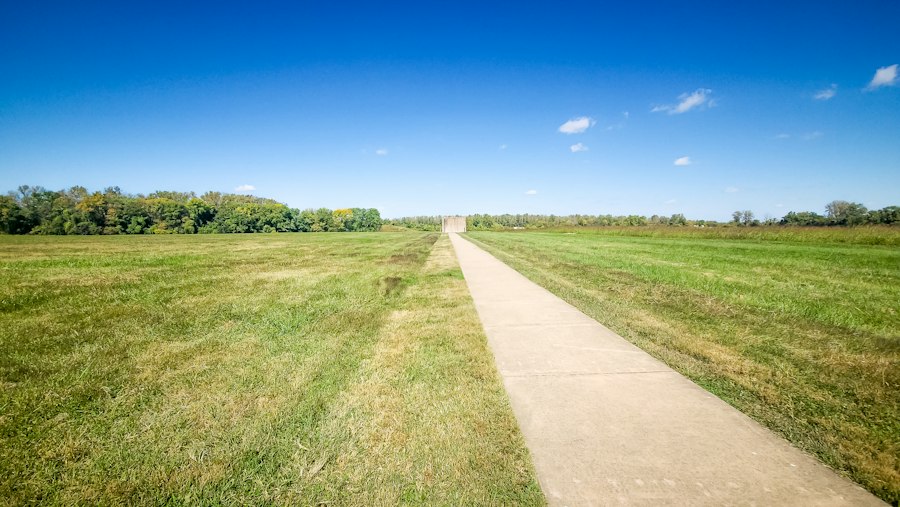
Understanding the spiritual life of a lost civilization is often the most challenging aspect of archaeology. However, through careful analysis of artifacts, site structures, and burial practices, Dr. Vance’s team sought to shed light on the beliefs and rituals that shaped Cahokian society.
Iconography and Symbolism: The Language of the Sacred
The symbolic language of the Mississippian culture is often expressed through iconography found on pottery, shell gorgets, and other artifacts. Vance’s team meticulously documented and analyzed these designs, seeking patterns and recurring motifs that might represent deities, spirits, or important cosmological concepts.
The Birdman Iconography: A Recurring Motif
The “Birdman” motif, often depicted on shell gorgets, is one of the most recognizable symbols of Mississippian culture. These intricate carvings of human figures with bird-like attributes have been interpreted in various ways, from shamanic figures to representations of powerful warriors or rulers. Vance’s team continued to search for such artifacts, hoping to gain a deeper understanding of the meaning and significance of this potent symbol.
Cosmic Maps and Calendrical Devices: Understanding the Universe
Evidence suggests that Cahokians had a sophisticated understanding of astronomy and the cyclical nature of time. The alignment of certain mounds and structures with celestial events points to the use of the landscape as a cosmic calendar. Vance’s team analyzed these alignments with modern astronomical software, attempting to decipher their calendrical and ritualistic functions.
Ceremonial Spaces and Structures: Places of Power
The monumental architecture of Cahokia, particularly its mounds, served not only as residential areas for the elite but also as significant ceremonial spaces. Vance’s team focused on understanding the ritualistic functions of these structures.
Plaza and Processional Pathways: The Stage for Ritual
The vast open plazas at Cahokia, often located at the base of major mounds, likely served as gathering places for large-scale ceremonies and public events. Vance’s team meticulously mapped these plazas and identified potential processional pathways, envisioning the movement of people and the performance of rituals within these sacred landscapes.
Mound Construction as a Ritual Act
The construction of the mounds themselves was likely a monumental undertaking imbued with ritualistic significance. The careful layering of earth, the inclusion of offerings, and the sheer scale of these projects suggest a society deeply invested in performing acts that honored their ancestors, their deities, and their social order.
Recent discoveries at Cahokia, the largest pre-Columbian settlement north of Mexico, have shed light on the sophisticated societal structures of its inhabitants. Archaeological evidence, including intricate mounds and artifacts, suggests a complex urban center that thrived long before European contact. For those interested in understanding how historical events can influence modern societal structures, a related article discusses the implications of government policies on personal finances, which can be explored further in this insightful piece about retirement accounts. You can read more about it here.
The Future of Cahokian Archaeology: A Legacy of Discovery
| Archaeological Evidence at Cahokia | Description |
|---|---|
| Artifacts | Various artifacts such as pottery, tools, and jewelry have been discovered at Cahokia, providing insights into the daily lives of its inhabitants. |
| Mounds | The site is home to numerous earthen mounds, including the famous Monk’s Mound, which was likely used for ceremonial and residential purposes. |
| Palisade | Remnants of a wooden palisade have been found, suggesting that the site was fortified and had defensive structures. |
| Burial Sites | Grave goods and burial mounds have been uncovered, shedding light on the burial practices and beliefs of the ancient Cahokians. |
Dr. Eleanor Vance’s work at Cahokia represents a significant leap forward in our understanding of this remarkable ancient city. By embracing modern technology and a holistic approach, her team has unearthed a wealth of new information, piecing together a more nuanced and complete picture of Mississippian life. The artifacts uncovered are not merely objects of scientific interest; they are tangible links to a lost civilization, whispers from the past that are now becoming clearer and more resonant.
The Digital Archive: Preserving and Sharing Knowledge
A crucial component of Vance’s project is the creation of a comprehensive digital archive. All data, from GPR scans and LiDAR imagery to detailed excavation records and artifact analyses, is being meticulously cataloged and stored digitally. This ensures the long-term preservation of this invaluable information and makes it accessible to scholars worldwide, fostering continued research and collaboration.
Engaging the Public: Bringing Cahokia to Life
Dr. Vance is also deeply committed to public outreach. She believes that understanding Cahokia is not just the domain of archaeologists but a shared human heritage. Through public lectures, educational programs, and engaging online content, her team aims to bring the stories and discoveries of Cahokia to a wider audience, fostering a sense of wonder and appreciation for this ancient American civilization.
Ongoing Research and Unanswered Questions
Despite the significant progress made, Cahokia continues to hold many mysteries. Dr. Vance’s work has opened new avenues of inquiry, raising as many questions as it answers. Future research will likely focus on further refining the chronology of the city, understanding the specifics of its political organization, and unraveling the complexities of its eventual decline. The legacy of Cahokia is far from fully uncovered, and the work of dedicated archaeologists like Dr. Vance ensures that its story will continue to unfold for generations to come. The earth at Cahokia still holds secrets, but with each carefully excavated shard, each precisely mapped anomaly, Dr. Vance and her team are bringing those secrets into the light, illuminating a vital chapter in the history of the Americas.

A City Bigger Than London Once Stood in America. Then It Vanished.
FAQs
What is Cahokia?
Cahokia is an ancient Native American city located in present-day Illinois, near St. Louis, Missouri. It was the largest pre-Columbian settlement north of Mexico and was inhabited from about 700 to 1400 AD.
What archaeological evidence has been found at Cahokia?
Archaeologists have uncovered evidence of large earthen mounds, plazas, and residential areas at Cahokia. They have also found artifacts such as pottery, tools, and jewelry, as well as evidence of trade networks and agricultural practices.
What do the archaeological findings tell us about Cahokia’s society?
The archaeological evidence suggests that Cahokia was a complex society with a hierarchical social structure, extensive trade networks, and a sophisticated agricultural system. The presence of large earthen mounds and plazas indicates a highly organized and centralized political and religious authority.
What is the significance of the archaeological evidence at Cahokia?
The archaeological evidence at Cahokia provides valuable insights into the culture, society, and history of the ancient Mississippian people. It also challenges previous assumptions about the capabilities and complexity of pre-Columbian societies in North America.
How can people learn more about the archaeological evidence at Cahokia?
People can learn more about the archaeological evidence at Cahokia by visiting the Cahokia Mounds State Historic Site, which features a museum, interpretive center, and guided tours of the archaeological remains. Additionally, there are numerous scholarly publications and resources available for those interested in further study.