
The rustling of leaves and the whisper of wind through ancient timbers are the only sounds that now greet visitors to the Cahokia Mounds State Historic Site. Yet, beneath this tranquil surface lies a story of a civilization so vast, so complex, and so influential that its rediscovery continues to reshape our understanding of pre-Columbian North America. For centuries, the monumental earthen structures of Cahokia lay dormant, their builders a mystery to all but the earth that cradled them. It was the persistent curiosity and meticulous work of archaeologists, however, that would eventually lift the veil on this forgotten metropolis, revealing a society that thrived for centuries, leaving behind a legacy etched in soil and stone.
For generations, the immense earthworks scattered across the Mississippi River valley posed a profound puzzle. These colossal mounds, some reaching hundreds of feet in height, defied simple explanation. Native American oral traditions often spoke of ancient peoples, but concrete evidence of a sophisticated society capable of such monumental construction remained elusive. The sheer scale and organization required to build these structures suggested a level of societal complexity that many European colonists and early American scholars found difficult to attribute to indigenous populations. This intellectual blind spot, fueled by prevailing racist ideologies, led to the proliferation of theories attributing the mounds to lost white civilizations, ancient mariners, or even extraterrestrial visitors. The possibility that Native Americans themselves had engineered these marvels was, for a long time, largely dismissed.
Early Explorations and Lingering Questions
The first systematic investigations of the Cahokia Mounds site began in the 19th century. Explorers and amateur archaeologists marveled at the sheer number and size of the mounds, cataloging their forms and attempting to decipher their purpose. However, these early efforts were often more descriptive than analytical, lacking the scientific rigor that would later define archaeological practice. The focus was on the visible – the mounds themselves – with limited exploration of the underlying cultural context.
The Shift Towards Scientific Inquiry
It wasn’t until the mid-20th century that a more scientific and systematic approach to understanding Cahokia began to take root. Pioneering archaeologists like Thorne Deuel, Warren K. Moorehead, and later, James B. Griffin, laid crucial groundwork. They recognized the need for controlled excavation, detailed stratigraphic analysis, and the collection of artifacts in context. This shift marked a turning point, moving beyond mere observation to active interpretation and the slow, painstaking process of reconstructing a lost civilization.
Archaeologists have made significant strides in uncovering the mysteries of Cahokia, a pre-Columbian Native American city located near present-day St. Louis. Through advanced techniques such as ground-penetrating radar and aerial surveys, researchers have revealed the extensive urban planning and complex societal structures that once thrived in this ancient metropolis. For a deeper understanding of how archaeological methods can illuminate historical contexts, you can explore a related article discussing the urgent need for international aid in crisis situations, which highlights the importance of preserving cultural heritage in regions facing turmoil. Check it out here: Yemen Crisis: The Urgent Need for International Aid.
Unearthing the Urban Heart: The Discovery of Cahokia’s Scale
The true revelation about Cahokia came not just from studying individual mounds, but from understanding their interconnectedness and the sheer urban scale of the settlement they supported. Early archaeologists, while impressed by the mounds, often underestimated the extent of the populated areas surrounding them. It was through more comprehensive surveys and excavations that the true magnitude of Cahokia as a thriving metropolis began to emerge.
The Monks Mound Revelation
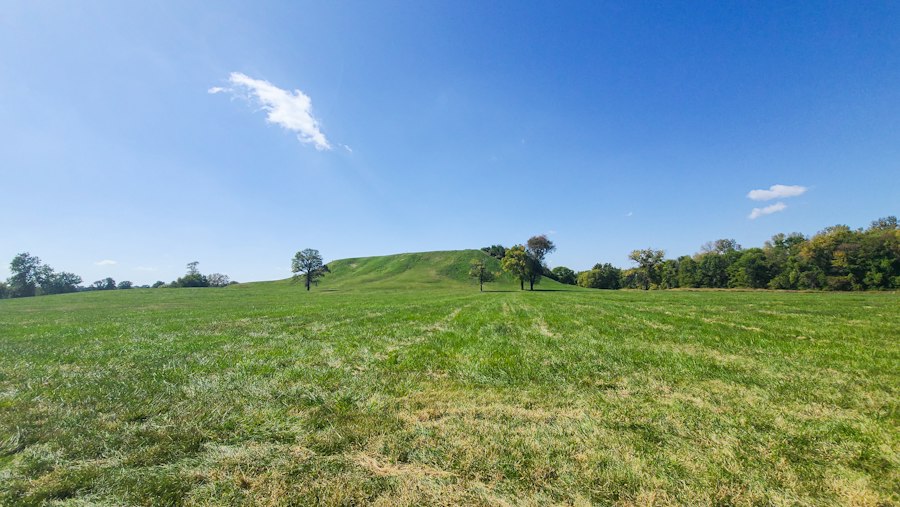
Perhaps the most iconic symbol of Cahokia, Monks Mound, has always been the most visually arresting feature. Its colossal size – a four-terraced platform mound covering over 14 acres and rising nearly 100 feet – suggested a central ceremonial or administrative hub. However, initial interpretations often focused solely on its agricultural or defensive potential. It was through extensive excavation and analysis, particularly by archaeologists like Melvin L. Fowler and his team in the mid-20th century, that the complexity of Monks Mound’s construction and its central role in Cahokian society became clear. They unearthed evidence of repeated construction phases, indicating a long period of development and the organized labor of thousands.
Beyond the Mounds: The Extent of the Settlement
Archaeologists discovered that Cahokia was not merely a collection of mounds, but a vast urban center. Extensive investigations revealed that the settled area stretched for miles, encompassing numerous smaller mounds, plazas, residential areas, and defensive palisades. This understanding dramatically altered the perception of Cahokia from a mere ceremonial site to a bustling city with a large and organized population.
The Emergence of a Centralized Society
The sheer logistical undertaking of constructing Monks Mound and the surrounding infrastructure, including the sophisticated Woodhenge, points to a highly organized and stratified society. Evidence of specialized labor, the redistribution of resources, and the existence of a ruling elite became increasingly apparent as more of the settlement was uncovered.
The Significance of the Plaza
The large, flat open areas adjacent to the major mounds, known as plazas, were initially thought to be simple open spaces. However, excavations revealed them to be integral to Cahokian life. These plazas served as gathering places for ceremonies, markets, and public events, and their careful design and maintenance underscore the communal organization and ritualistic importance of the site.
The Social Tapestry: Unraveling Cahokian Life
As archaeologists delved deeper into the earth, they began to unearth the remnants of the lives lived within Cahokia. Artifacts, burial sites, and the layout of the settlement provided crucial clues to the social structure, daily routines, and belief systems of its inhabitants. This was a painstaking process, piecing together fragments of a civilization that left no written records.
Burials as Historical Records
The cemeteries and individual burials discovered at Cahokia have been invaluable to understanding its social hierarchy. The elaborate grave goods found with some individuals, including finely crafted copper ornaments, shell beads, and finely worked stone tools, indicate a class of elites with significant status and wealth. Conversely, burials with fewer or simpler grave offerings suggest a broader population with varying levels of social standing.
The Great Mound Builder Sacrifice
One of the most striking and chilling discoveries was the mass burial found near Monks Mound, sometimes referred to as the “burial of the sacrificants.” This site contained the remains of over 200 individuals, many of whom appeared to have been ritually sacrificed. The presence of young women and older men, along with evidence of violence, suggests a grim aspect of Cahokian ritual and power.
Residential Structures and Daily Life
Excavations of residential areas have revealed the types of homes Cahokians lived in, the tools they used for daily tasks, and the food they consumed. Evidence of post-hole villages, with their characteristic circular or rectangular layouts, and the presence of hearths, storage pits, and domestic artifacts paint a picture of everyday life, including farming, crafting, and communal activities.
Diet and Agriculture
Analysis of botanical remains and animal bones provides insight into the Cahokian diet. They were skilled agriculturalists, cultivating crops such as maize, beans, and squash, and also relied on hunting and fishing. The presence of large storage pits indicates sophisticated food management and storage techniques.
Craft Specialization and Trade Networks
The discovery of workshops and specialized tools indicates that Cahokians had artisans who produced a range of goods, from pottery and stone tools to intricate shell and copper ornaments. The presence of exotic materials, such as copper from the Great Lakes and shell from the Gulf Coast, points to extensive trade networks that connected Cahokia to distant regions.
Woodhenge and Celestial Observations
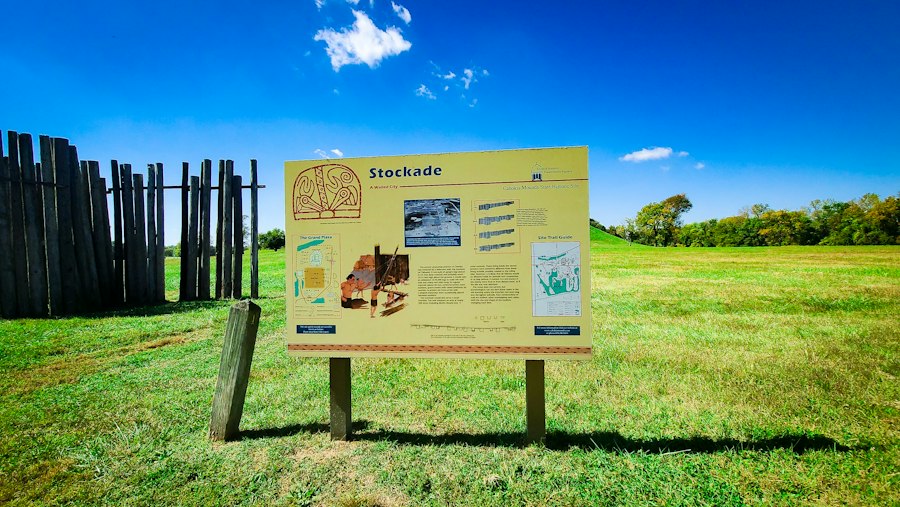
One of the most remarkable discoveries at Cahokia was the evidence of Woodhenge, a series of large, circular timber structures that appear to have been used for astronomical observation. The precision with which these structures were aligned suggests a sophisticated understanding of celestial movements and their importance to Cahokian society.
Reconstructing the Calendar
Archaeologists, most notably Warren K. Moorehead and later Robert L. Lyman, meticulously mapped the locations of postholes that formed these circles. Through careful analysis and reconstruction, they determined that these alignments allowed Cahokians to track the solstices, equinoxes, and other significant astronomical events. This suggests that Cahokia possessed a complex calendar system, likely tied to agricultural cycles and religious ceremonies.
The Solar Alignments
The careful positioning of the posts within Woodhenge allowed for precise observation of the sunrise and sunset on the solstices and equinoxes. This provided Cahokians with a predictable way to mark the passage of time and organize their lives around important seasonal events.
The Astronomical Significance
The use of Woodhenge for astronomical observation indicates a deep connection between the Cahokian people and the cosmos. It suggests a worldview where celestial phenomena played a significant role in their religious beliefs, agricultural practices, and perhaps even their political structures.
Archaeologists made significant discoveries at Cahokia, the largest pre-Columbian settlement in North America, revealing insights into the complex society that thrived there. Their findings, which include massive earthen mounds and evidence of advanced agricultural practices, have reshaped our understanding of Native American history. For those interested in exploring how ancient civilizations like Cahokia can inform modern economic strategies, a related article discusses the potential of investing in Mexican nearshoring companies, highlighting the importance of historical context in contemporary business decisions. You can read more about this intriguing connection here.
The Mystery of Cahokia’s Decline
| Method | Description |
|---|---|
| Excavation | Archaeologists conducted extensive excavations at the Cahokia site, uncovering artifacts, structures, and evidence of ancient human activity. |
| Ground-penetrating radar | Modern technology such as ground-penetrating radar was used to map the layout of the ancient city and identify buried structures. |
| LiDAR | LiDAR (Light Detection and Ranging) technology was employed to create detailed 3D maps of the landscape, revealing hidden features and topography. |
| Geophysical surveys | Geophysical surveys were conducted to detect subsurface anomalies and features, providing insights into the layout and organization of the ancient city. |
Despite its grandeur and sophistication, Cahokia experienced a decline and eventual abandonment. The reasons for this collapse are still debated among archaeologists, with various theories suggesting a combination of environmental, social, and political factors.
Environmental Pressures
Some theories propose that environmental degradation played a significant role. Overexploitation of resources, deforestation for construction and fuel, and potential changes in the climate could have placed unsustainable pressure on the Cahokian population. The construction of extensive earthworks also altered the local hydrology, potentially leading to issues with flooding or water availability.
Resource Depletion
The immense population of Cahokia would have required vast amounts of resources, including timber for construction and fuel, and land for agriculture. Evidence of deforestation in the surrounding areas suggests that these resources may have become increasingly scarce over time.
Social and Political Instability
Other hypotheses point to internal social or political unrest. The sheer size of the population and the potential for social stratification could have led to internal conflicts or the breakdown of leadership. The abandonment of the site may have been a gradual process, with people migrating to other areas.
Internal Conflict and Warfare
While direct evidence of large-scale warfare at Cahokia is limited, the presence of defensive palisades around the city suggests that conflict was a concern. It is possible that internal strife or external threats contributed to the eventual decline of the city.
Migration and Dispersal
It is unlikely that Cahokia was simply destroyed overnight. Instead, it is more probable that its inhabitants gradually dispersed to other settlements, carrying their cultural knowledge and traditions with them. This dispersal may have been driven by a combination of the factors mentioned above, leading to the eventual abandonment of the great city. The legacy of Cahokia, however, persisted in the descendant cultures of the Mississippian period and continues to resonate in the archaeological record, a testament to a civilization that once dominated the American landscape.

A City Bigger Than London Once Stood in America. Then It Vanished.
FAQs
What is Cahokia?
Cahokia is an ancient Native American city located in present-day Illinois, near St. Louis, Missouri. It was the largest pre-Columbian settlement north of Mexico and was inhabited from about 700 to 1400 AD.
How did archaeologists discover Cahokia?
Archaeologists discovered Cahokia in the late 19th century through excavations and surveys of the area. The site was further studied and excavated in the 20th and 21st centuries, leading to a better understanding of its significance.
What did archaeologists find at Cahokia?
Archaeologists found evidence of large earthen mounds, plazas, and residential areas at Cahokia. They also uncovered artifacts such as pottery, tools, and jewelry, providing insights into the daily lives and culture of the ancient inhabitants.
What is the significance of Cahokia?
Cahokia is significant because it was a major center of Mississippian culture, with a complex society and extensive trade networks. Its large population and monumental architecture demonstrate the sophistication of pre-Columbian Native American civilizations.
How does the discovery of Cahokia contribute to our understanding of history?
The discovery of Cahokia has contributed to a better understanding of the diversity and complexity of ancient Native American societies. It has also challenged previous assumptions about the capabilities and achievements of pre-Columbian civilizations in North America.