
For over two decades, the story of Kennewick Man was a tale of scientific curiosity intertwined with legal battles and cultural sensitivities. A remarkably preserved human skeleton, discovered by chance in the summer of 1996 along the banks of the Columbia River in Kennewick, Washington, ignited a fierce debate about its origins, identity, and rightful stewardship. The skeletal remains, later nicknamed “the Ancient One” by some Native American tribes, presented a profound enigma. Their age, estimated to be around 9,000 years old, placed them among the oldest human remains ever found in North America. However, the physical characteristics of the skeleton, particularly the shape of its skull, bore a striking resemblance to the indigenous peoples of Japan rather than the Native American tribes historically inhabiting the region. This apparent contradiction fueled years of contention, with scientists eager to study the remains for insights into early human migration and settlement patterns, and several Native American tribes asserting their ancestral rights and cultural claims to the skeleton. The breakthrough that would ultimately untangle this complex web of scientific inquiry and cultural claims arrived not through further archaeological excavation or legal precedent, but through the revolutionary power of DNA analysis.
The Discovery and the Initial Enigma
The serendipitous discovery of Kennewick Man occurred during a severe drought that lowered the water levels of the Columbia River. Two spectators at the annual Hydroplane races, David Thomas and Colleen Hiner, noticed bones exposed on the riverbank. Initially, they believed they had stumbled upon the remains of a recent drowning victim. However, upon closer inspection, it became apparent that the bones were far older and were indeed human. Local authorities were notified, and an archaeological investigation commenced. The skeletal remains were in an astonishing state of preservation, a testament to the anaerobic conditions of the riverbed. Over 200 bones were recovered, representing approximately 80-90% of an adult male skeleton.
The initial dating of the remains, conducted through radiocarbon analysis, placed Kennewick Man at approximately 9,000 to 9,500 years before present. This alone made him an invaluable find for understanding the Paleoindian period in North America, a time when the continent was first being populated by humans. However, the anthropological analysis of the skull presented a significant puzzle.
Cranial Morphology: A Source of Controversy
Dr. James Chatters, the lead archaeologist on the initial investigation, was struck by the cranial features of Kennewick Man. The skull exhibited a relatively narrow, elongated shape with a prominent brow ridge and a receding jawline. These characteristics were not typical of modern Native American populations, which generally possess broader, shorter skulls. Instead, Dr. Chatters observed similarities to the Ainu people of Japan, an indigenous group with a distinct genetic and cultural heritage. This observation, though based on visual comparison and not definitive proof, ignited the controversy. If Kennewick Man was not genetically linked to the tribes historically present in the area, did the Native American tribes have the legal right to claim him under the Native American Graves Protection and Repatriation Act (NAGPRA)?
NAGPRA and the Evolving Legal Landscape
The discovery of Kennewick Man coincided with the implementation of NAGPRA, a landmark piece of legislation enacted in 1990. NAGPRA aimed to protect Native American graves, burial sites, and cultural artifacts, and to facilitate the repatriation of ancestral remains and associated funerary objects to federally recognized tribes. Under NAGPRA, if human remains are determined to be Native American, they are generally subject to repatriation. The question of whether Kennewick Man qualified as “Native American” for the purposes of NAGPRA became the central legal battleground.
Several tribes, including the Umatilla, Nez Perce, Confederated Tribes of the Colville Reservation, and the Yakama Nation, claimed Kennewick Man as their ancestor, citing oral traditions and historical connections to the land. However, the perceived cranial differences, coupled with the scientific desire for extensive study, led the U.S. Army Corps of Engineers, which managed the land where the remains were found, to deny the tribes’ repatriation claims. This denial triggered a series of lawsuits, with scientists arguing for the importance of studying the remains to understand human migration patterns, and tribes asserting their cultural and spiritual rights to their ancestors.
Recent advancements in DNA analysis have shed light on the long-standing mystery of Kennewick Man, one of the oldest and most complete human skeletons ever found in North America. Researchers have successfully sequenced his genome, revealing insights into his ancestry and the migration patterns of early humans. For a deeper understanding of how historical events and legal frameworks can influence scientific research, you can read a related article on the implications of the Trading with the Enemy Act at this link.
The Scientific Stalemate and the Quest for Definitive Evidence
The legal battles effectively halted scientific research on Kennewick Man for years. While some initial non-destructive analyses were performed, the full potential of studying the remains remained largely untapped. Scientists were eager to conduct further analyses, including DNA testing, to shed light on the skeleton’s origins. However, the legal proceedings and the protection of tribal interests meant that such invasive research could only proceed under specific conditions and with the consent of the relevant authorities.
The Role of Anthropology and Archaeology
Anthropologists and archaeologists relied on a variety of methods to understand human history, including skeletal analysis, artifact dating, and comparative studies. In the case of Kennewick Man, the physical characteristics of the skeleton provided initial clues, but these clues were ambiguous and open to interpretation. The lack of associated artifacts that could definitively link the individual to a specific cultural group further complicated the matter. The scientific community was divided, with some advocating for further research to resolve the ambiguities, while others expressed concern about potential harm to tribal relations and the desecration of ancestral remains.
The Advent of Ancient DNA Analysis
The field of ancient DNA (aDNA) analysis, which involves extracting and analyzing degraded DNA from ancient specimens, was rapidly advancing during this period. This technology offered a potential pathway to bypass the limitations of morphological studies and provide definitive genetic evidence of Kennewick Man’s ancestry. However, the recovery of usable DNA from ancient skeletal remains is a challenging process, often hindered by environmental factors and post-mortem degradation. Furthermore, the legal and ethical considerations surrounding the extraction of DNA from human remains, especially those with cultural significance, were substantial.
The Breakthrough: DNA Analysis and the Unveiling of Ancestry
After years of legal wrangling, a breakthrough finally arrived. In 2013, a federal court granted permission for scientists to conduct DNA analysis on Kennewick Man. This decision was a pivotal moment, offering the prospect of finally resolving the long-standing mystery. The research team, led by Dr. Eske Willerslev, a renowned paleogeneticist, embarked on the complex task of extracting and analyzing ancient DNA from bone fragments of Kennewick Man.
The Extraction and Sequencing Process
The process of extracting aDNA is meticulous and requires strict sterile conditions to prevent contamination with modern DNA. Tiny fragments of bone were carefully drilled, and the resulting powder was subjected to chemical treatments to isolate any surviving DNA molecules. Once extracted, the DNA was amplified using techniques like Polymerase Chain Reaction (PCR) to create enough copies for sequencing. The sequencing machines then read the order of the nucleotide bases in the DNA, generating a vast amount of genetic data.
Genetic Ancestry and Haplogroups
The analysis of Kennewick Man’s DNA revealed crucial insights into his genetic heritage. By comparing his genetic profile to modern and ancient human populations, researchers could determine his closest relatives. The results indicated that Kennewick Man was most closely related to modern Native American populations. Specifically, his DNA showed a strong affiliation with the broader Native American genetic cluster, suggesting a common ancestry with the indigenous peoples of the Americas.
The Scientific Consensus and the Resolution of the Mystery
The results of the DNA analysis provided the definitive evidence that had been eluding scientists and policymakers for years. Kennewick Man, despite his unusual cranial morphology, was indeed genetically linked to the Native American tribes of the Pacific Northwest. This finding not only resolved the scientific mystery surrounding his identity but also had profound implications for the legal and cultural aspects of the case.
Reconciling Morphology and Genetics
The apparent discrepancy between Kennewick Man’s cranial features and his genetic ancestry was a key aspect of the initial controversy. The DNA results provided a framework for understanding this phenomenon. Scientists proposed that the cranial variations observed in Kennewick Man could be attributed to several factors, including:
- Founder Effects: Early populations migrating to new continents often carried a limited genetic diversity. As these populations expanded, certain genetic traits, including variations in skull shape, could become more prevalent.
- Genetic Drift: Random fluctuations in gene frequencies within a population over time can lead to the emergence of unique characteristics in isolated groups.
- Adaptation to Local Environments: Over thousands of years, populations can adapt to specific environmental conditions, which might influence physical traits such as skull morphology.
- Distinct Paleoindian Lineages: It is possible that early Paleoindian populations in North America exhibited a wider range of physical variations than previously understood. Kennewick Man might represent a lineage that diverged from the main migratory paths or developed distinct traits before assimilating into broader Native American genetic patterns.
The DNA evidence demonstrated that genetic relatedness does not always manifest in identical physical features, especially over vast stretches of time and across different environmental pressures. The scientific consensus shifted from viewing cranial morphology as the sole determinant of ancestry to recognizing the power of genetic data as a more objective measure.
The Impact on NAGPRA and Tribal Relations
The DNA findings had a significant impact on the interpretation and application of NAGPRA in the Kennewick Man case. With clear genetic evidence of his Native American ancestry, the arguments against repatriation based on perceived non-Native origin were no longer tenable. This paved the way for the eventual repatriation of Kennewick Man to the culturally affiliated tribes.
The process was not without its complexities, as the determination of “cultural affiliation” under NAGPRA involves more than just genetic ties. However, the scientific validation of his ancestry provided a strong foundation for the tribes’ claims. The resolution of the scientific mystery also helped to foster a more collaborative relationship between the scientific community and Native American tribes, emphasizing the importance of respecting both scientific inquiry and cultural heritage. The years of legal battles underscored the need for clear communication, mutual understanding, and respect in handling ancestral remains.
The mystery surrounding Kennewick Man, one of the oldest and most complete human skeletons ever found in North America, has captivated researchers for decades. Recent advancements in DNA analysis have shed light on his origins, revealing significant insights into the early inhabitants of the region. For those interested in exploring how modern science intersects with historical mysteries, a related article discusses the implications of these findings on our understanding of ancient populations. You can read more about it in this informative piece on the subject here.
The Legacy of Kennewick Man: A Symbol of Scientific Progress and Cultural Respect
The story of Kennewick Man has become a powerful testament to the transformative potential of scientific advancements and the evolving understanding of human history. The ability of DNA analysis to unravel ancient mysteries has not only provided invaluable insights into our past but has also contributed to a more nuanced and respectful approach to dealing with human remains and the cultural heritage of indigenous peoples.
A Turning Point for Paleoamerican Studies
The Kennewick Man case and the subsequent DNA analysis have significantly advanced the field of Paleoamerican studies. The genetic data has provided a crucial piece of the puzzle in understanding the complex patterns of human migration into the Americas, the genetic diversity of early populations, and the relationships between ancient and modern indigenous groups. This research continues to inform our understanding of the peopling of the Americas, a topic that has captivated scientists for generations.
The Interplay of Science, Law, and Culture
The Kennewick Man saga serves as a compelling case study in the intricate interplay between science, law, and culture. It highlights the challenges and rewards of navigating scientific discovery within a framework of legal protections and cultural sensitivities. The case underscores the necessity of ethical considerations in scientific research, particularly when dealing with human remains, and the importance of inclusivity in decision-making processes that involve cultural heritage.
The resolution of the Kennewick Man mystery, facilitated by the revolutionary power of DNA, offers a hopeful precedent for future investigations into ancient human remains. It demonstrates that by embracing scientific innovation while upholding cultural respect, we can continue to unravel the enigmas of our past and build a more harmonious future. The Ancient One, once a source of division, has ultimately become a symbol of scientific progress and the enduring connection between humanity and its ancestors.
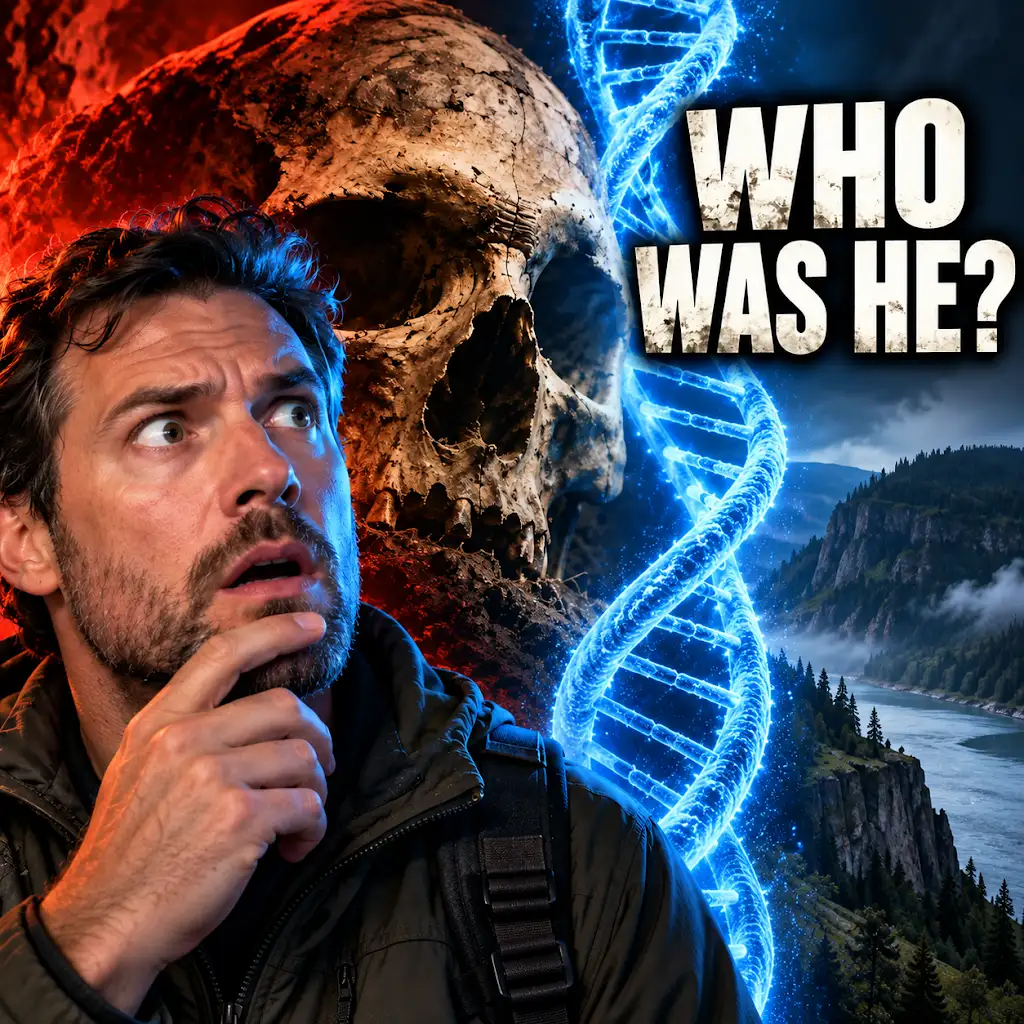
Kennewick Man’s Skull Said One Thing. DNA Said Another.
FAQs
What is the Kennewick Man mystery?
The Kennewick Man mystery refers to the discovery of a nearly complete skeleton in Kennewick, Washington in 1996, which sparked a debate over the ancestry and cultural affiliation of the remains.
How was the Kennewick Man mystery solved?
The mystery of Kennewick Man was solved through DNA analysis, which revealed that the individual had genetic ties to Native American tribes in the region.
What did the DNA analysis of Kennewick Man reveal?
The DNA analysis of Kennewick Man revealed that he was closely related to modern Native American tribes, particularly those from the Pacific Northwest.
Why was the Kennewick Man mystery significant?
The Kennewick Man mystery was significant because it challenged previous theories about the peopling of the Americas and raised questions about the cultural heritage and rights of Native American tribes.
What impact did the resolution of the Kennewick Man mystery have?
The resolution of the Kennewick Man mystery led to the repatriation of the remains to Native American tribes for reburial, highlighting the importance of respecting indigenous rights and cultural heritage.