The whispering past, once confined to the silent stones of tombs and the fragmented pottery shards unearthed by patient archaeologists, has begun to speak. This new voice, however, is not one of hieroglyphs or cuneiform, but of molecules – the very building blocks of life. Ancient DNA (aDNA), extracted from the bones, teeth, and other preserved remains of long-deceased individuals, is revolutionizing our understanding of human history, migration, and adaptation. Population genetics, the study of genetic variation within and between populations, is the key that unlocks these ancient secrets, transforming fragmented clues into a compelling narrative of our shared ancestry.
The journey of aDNA research has been a remarkable testament to scientific ingenuity. For decades, the prospect of recovering genetic material from ancient specimens was largely a pipe dream. DNA, a relatively fragile molecule, degrades over time, particularly in warm or humid environments. Exposure to UV radiation, microbial activity, and chemical processes all contribute to its breakdown. Early attempts to amplify and analyze aDNA were plagued by contamination from modern DNA, leading to unreliable results and widespread skepticism within the scientific community. However, advancements in molecular biology techniques, particularly the development of polymerase chain reaction (PCR) for amplifying minute quantities of DNA and sophisticated clean laboratory protocols to minimize contamination, have dramatically changed the landscape.
Overcoming the Hurdles of Degradation
The primary challenge in aDNA research lies in the inherent instability of DNA. Over thousands of years, DNA strands break down into smaller fragments, and chemical modifications alter the nucleotide bases. These changes can make it difficult for sequencing technologies to accurately read the genetic code. Researchers have developed specialized extraction methods designed to isolate the remaining intact DNA fragments while minimizing the influence of inhibitors and contaminants present in ancient samples.
The Era of High-Throughput Sequencing
The advent of next-generation sequencing (NGS) technologies has been a game-changer. NGS allows for the simultaneous sequencing of millions of DNA fragments, significantly increasing the throughput and efficiency of aDNA analysis. This means that even from highly degraded samples, researchers can now recover enough genetic information to reconstruct substantial portions of an individual’s genome. The ability to generate vast amounts of data has fueled the rapid expansion of aDNA research.
Rigorous Contamination Control
One of the most critical aspects of aDNA research is the stringent control of contamination. Modern DNA, present in the researchers’ skin cells, saliva, and laboratory environment, can easily overwhelm the tiny amounts of ancient DNA present in a sample. To combat this, dedicated aDNA laboratories employ strict protocols, including working in specialized cleanrooms, using disposable equipment, and employing unique molecular indexing to distinguish between ancient and modern DNA fragments. These measures are crucial for ensuring the authenticity and reliability of the data obtained.
Ancient DNA population genetics has become an essential field for understanding human evolution and migration patterns. Recent studies have revealed fascinating insights into how ancient populations interacted and adapted to their environments. For those interested in the intersection of genetics and historical narratives, a related article can be found at Securing Satellites: Defending Deep Space Assets, which explores the implications of genetic research in broader contexts, including the preservation of biological diversity in the face of modern challenges.
Population Genetics: The Blueprint of Human History
Population genetics provides the theoretical framework and analytical tools necessary to interpret the complex patterns of genetic variation found in ancient DNA. By studying the frequencies of different genetic variants (alleles) within and between populations, researchers can infer demographic events such as migration, admixture, population size fluctuations, and natural selection. Applying these principles to aDNA allows us to directly observe the genetic makeup of past populations, offering an unparalleled window into their lives and movements.
Understanding Genetic Variation
At its core, population genetics examines the diversity of genes within a group of individuals. This variation arises from mutations and is shaped by evolutionary forces. By analyzing the patterns of this variation, such as the presence of specific single nucleotide polymorphisms (SNPs) or longer stretches of DNA, population geneticists can identify distinct ancestral components and track their contributions to modern populations.
Inferring Demographic Histories
The genetic signatures left behind by past populations provide a detailed record of their demographic history. For instance, a sudden increase in genetic similarity between two geographically distant populations might indicate a large-scale migration event. Conversely, a divergence in allele frequencies could point to periods of isolation or bottleneck events, where population size drastically decreased. aDNA allows us to anchor these inferences to specific time periods, providing a temporal dimension to our understanding of human movements.
The Power of Ancient Genomes
The availability of complete or near-complete ancient genomes is particularly powerful. These genomes offer a comprehensive snapshot of an individual’s genetic heritage, allowing for detailed comparisons with other ancient and modern genomes. This comprehensive data enables researchers to construct detailed phylogenetic trees, illustrating the evolutionary relationships between different groups and tracing their ancestral connections across vast stretches of time and space.
Unraveling Migratory Journeys: The Impact of aDNA on our Understanding of Human Dispersal

One of the most profound contributions of ancient DNA to population genetics has been in illuminating the intricate patterns of human migration. For millennia, humans have been on the move, expanding across continents and interacting with existing populations. aDNA provides direct genetic evidence of these movements, allowing us to identify the origins of incoming groups, the routes they took, and their interactions with indigenous peoples. This has fundamentally reshaped our understanding of the peopling of continents and the complex tapestry of human dispersal.
The Peopling of the Americas: A Shifting Narrative
Historically, the timeline and routes of human migration into the Americas have been a subject of intense debate. Early aDNA studies, particularly from ancient skeletal remains, have provided crucial insights. For example, the discovery of ancient individuals with genetic links to Siberian populations has solidified the land bridge hypothesis, suggesting migration from Northeast Asia across Beringia during glacial periods. Furthermore, genetic analyses have revealed that there were likely multiple waves of migration, contributing to the diverse genetic landscape of indigenous American populations.
European Migrations and the Bronze Age
The European continent, with its long and complex history of human settlement, has been a fertile ground for aDNA research. Studies have shed light on the substantial migrations that shaped the genetic landscape of Europe, particularly during the Bronze Age. The arrival of Steppe pastoralists from what is now Ukraine and southern Russia is a prime example. Genetic evidence shows a significant influx of this ancestry across much of Europe, contributing to the genetic makeup of modern Europeans and carrying with them new technologies and cultural practices, such as the spread of Indo-European languages.
The Spread of Agriculture and its Genetic Consequences
The Neolithic Revolution, the transition from hunter-gatherer lifestyles to settled agriculture, was a pivotal moment in human history. aDNA has been instrumental in tracing the spread of agriculture and its associated populations. Studies have revealed that the expansion of farming in Europe was largely driven by the migration of farmers from the Near East, who carried their agricultural knowledge and genetic heritage with them. This migration event had a profound impact on the genetic makeup of European populations, leading to significant admixture and the displacement of some Mesolithic hunter-gatherer groups.
Admixture and Ancestry: Weaving the Threads of Human Relatedness

Ancient DNA has provided direct genetic evidence for admixture events, the mixing of distinct populations. These events have played a crucial role in shaping the genetic makeup of all modern human populations. By analyzing the proportions of ancestry derived from different ancient groups within an individual’s genome, researchers can reconstruct complex demographic histories and understand the genetic legacy of historical interactions.
Unmasking Hidden Admixture Events
Often, historical accounts or archaeological evidence alone cannot fully capture the extent or timing of population mixing. aDNA offers a direct genetic measure of admixture. For instance, studies have revealed that many modern populations are a mosaic of ancestries from various ancient groups that may not have been previously recognized through traditional historical or archaeological methods. This allows for a more nuanced understanding of how populations have interbred over time.
Quantifying Ancestral Contributions
Population genetic analyses of aDNA allow for the precise quantification of ancestral contributions. Researchers can estimate the percentage of DNA in a modern individual or ancient individual that originates from specific ancient populations. This level of detail enables the reconstruction of complex demographic histories, identifying periods of intense gene flow and the relative importance of different ancestral groups in shaping the genetic makeup of a population.
The Genetic Landscape of South Asia
South Asia, with its immense diversity and long history of migrations and interactions, has been a significant focus of aDNA research. Studies have revealed a complex tapestry of ancestries, with contributions from ancient Central Asian populations, indigenous groups, and migrations from the Near East. The genetic evidence has also provided insights into the historical formation of distinct social groups and their ongoing genetic connections.
Recent advancements in ancient DNA population genetics have shed light on the complex histories of human migration and adaptation. Researchers are increasingly utilizing ancient genomic data to uncover the intricate relationships between ancient populations and their environments. For those interested in exploring how geographical factors influence human conflict and societal development, a fascinating read can be found in the article on the role of topography in navigating conflict. You can access it here: topography’s role in navigating conflict. This intersection of genetics and geography provides a deeper understanding of our past and the forces that shaped human societies.
Adaptation and Resilience: How Genes Shaped our Past and Present
| Population | Time Period (Years BP) | Sample Size | mtDNA Haplogroups | Y-DNA Haplogroups | Notable Genetic Findings |
|---|---|---|---|---|---|
| Neolithic European Farmers | 7000-5000 | 150 | H, J, T | G2a | Evidence of Near Eastern ancestry, spread of agriculture |
| Western Hunter-Gatherers (WHG) | 12000-8000 | 80 | U5, U4 | I2 | Distinct from early farmers, contributed to modern European gene pool |
| Yamnaya Steppe Pastoralists | 5000-4000 | 60 | U2, U4 | R1b-M269 | Major source of Indo-European languages, large genetic impact on Europe |
| Ancient North Eurasians (ANE) | 24000-15000 | 20 | Unknown/rare | Q, R | Contributed ancestry to Native Americans and Europeans |
| Early Anatolian Farmers | 9000-7000 | 40 | N1a, K | G2a | Origin of European Neolithic farming populations |
Beyond migration and admixture, ancient DNA is also shedding light on how human populations adapted to diverse environments and challenges. By identifying genetic variants that became more common in specific populations over time, researchers can infer the selective pressures that shaped human evolution. This includes adaptations to diet, climate, disease, and other environmental factors.
Adapting to New Diets: Lactase Persistence
The ability to digest milk sugar (lactose) in adulthood, known as lactase persistence, is a remarkable example of recent human adaptation. aDNA studies have traced the evolution of lactase persistence in Europe, showing that the genetic variants enabling this trait arose independently in different regions and spread through populations that domesticated dairy animals. This adaptation significantly altered human diets and lifestyles, highlighting the power of natural selection to shape human biology in response to cultural innovations.
Facing the Challenges of Disease
Throughout history, infectious diseases have been a major driver of human mortality and evolution. aDNA can provide direct evidence of past pathogen exposure and the genetic factors that influenced susceptibility or resistance. By analyzing immune system genes in ancient individuals, researchers can infer how populations responded to prevalent diseases and how these responses may have shaped their genetic makeup over time, potentially contributing to the development of modern disease resistance.
Climate and Environmental Adaptations
Human populations have migrated and settled in a vast array of climates, from the frigid Arctic to arid deserts. aDNA can reveal genetic adaptations to these diverse environments. For instance, studies have identified genes associated with heat tolerance, cold adaptation, and high-altitude living in ancient populations. These genetic variations provided a survival advantage, allowing humans to thrive in previously uninhabitable regions and demonstrating the remarkable plasticity of the human genome in response to environmental pressures.
The Future of Ancient DNA in Population Genetics: Unlocking Deeper Histories
The field of ancient DNA research is still in its relative infancy, and its potential for future discoveries is immense. As technologies continue to advance and our understanding of aDNA degradation and preservation deepens, we can expect even more groundbreaking insights into our collective past. The ethical considerations surrounding the study of ancient human remains are also paramount, ensuring that this powerful science is conducted with respect and in collaboration with descendant communities.
Deeper Time Depths and Wider Geographic Coverage
Future research will undoubtedly push the boundaries of how far back in time we can retrieve and analyze DNA. The ability to recover DNA from even older, more degraded samples will open up entirely new chapters of human history, potentially reaching back to the very origins of our species and its early dispersals out of Africa. Expanding geographic coverage to understudied regions will further enrich our understanding of global human genetic diversity.
Insights into Social Structures and Kinship
Beyond broad population movements, aDNA can also offer unprecedented insights into the social structures and kinship networks of past societies. By analyzing the relationships between individuals within burial sites, researchers can reconstruct family trees, identify cooperative groups, and even infer social hierarchies. This allows for a more intimate and granular understanding of how ancient communities functioned.
Ethical Considerations and Collaborative Research
The study of ancient human remains carries significant ethical responsibilities. Researchers must engage in thoughtful dialogue and collaboration with descendant communities, ensuring that their ancestral remains are treated with respect and that the scientific findings are communicated in a culturally sensitive manner. The future of aDNA research hinges on fostering equitable partnerships and ensuring that the benefits of this science are shared broadly.
In conclusion, ancient DNA, when analyzed through the lens of population genetics, has become an indispensable tool for reconstructing human history. It has transformed our understanding of migration, admixture, and adaptation, revealing the complex and dynamic story of our species’ journey across the globe. As the field continues to evolve, the whispers of the past, carried within the very fabric of our DNA, will undoubtedly continue to unveil the profound and interconnected narrative of human existence.
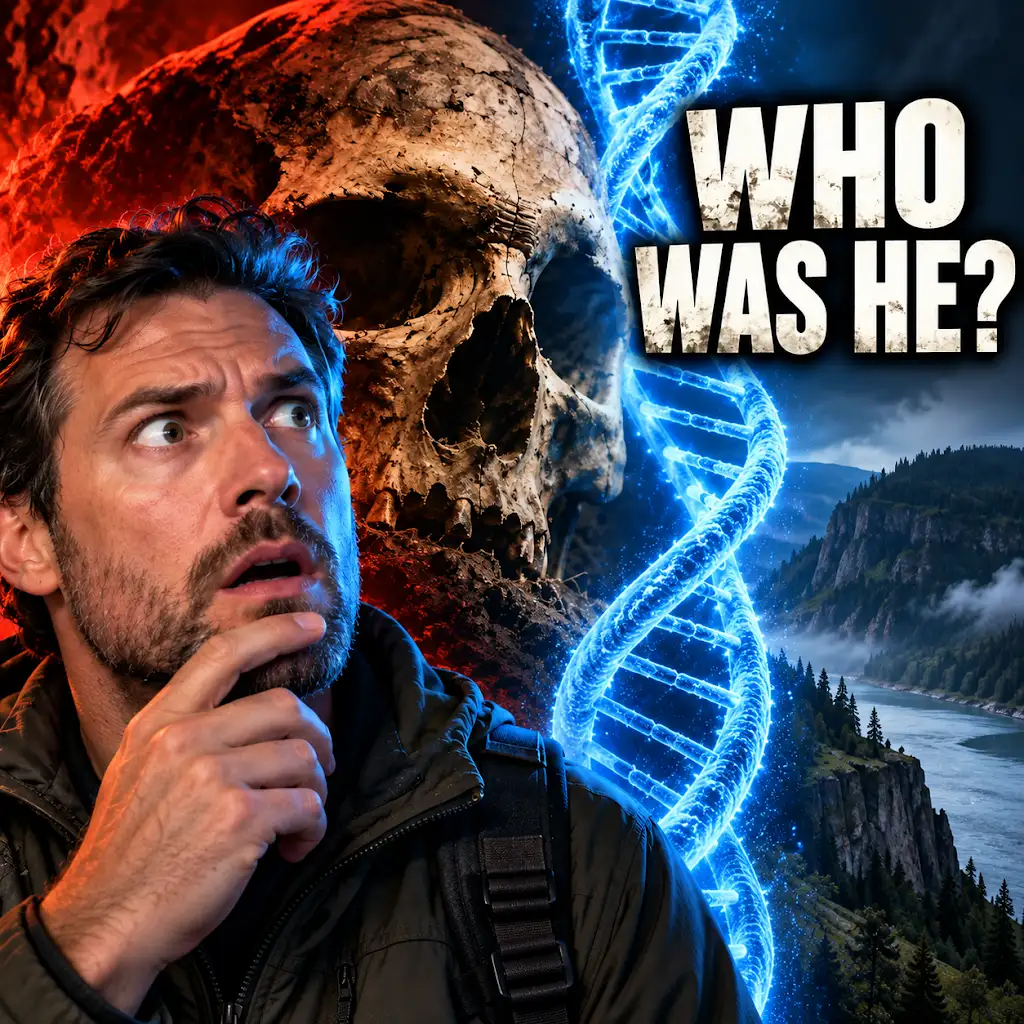
Kennewick Man’s Skull Said One Thing. DNA Said Another.
FAQs
What is ancient DNA population genetics?
Ancient DNA population genetics is a field of study that uses genetic material extracted from ancient human remains to understand the genetic diversity, migration patterns, and population dynamics of past human populations.
How is ancient DNA extracted from archaeological remains?
Ancient DNA is extracted from archaeological remains such as bones, teeth, and hair by carefully collecting samples, isolating the DNA, and using specialized techniques to amplify and sequence the genetic material.
What can ancient DNA tell us about past populations?
Ancient DNA can provide insights into the genetic relationships between ancient populations, their migration patterns, interbreeding events, and adaptations to different environments over time.
What are some challenges in studying ancient DNA population genetics?
Challenges in studying ancient DNA population genetics include contamination from modern DNA, degradation of the ancient DNA over time, limited sample sizes, and the need for rigorous authentication of results.
How has ancient DNA population genetics contributed to our understanding of human history?
Ancient DNA population genetics has revolutionized our understanding of human history by revealing previously unknown migration events, genetic admixture between populations, and the impact of major historical events on genetic diversity.