
The discovery of Kennewick Man, a remarkably well-preserved ancient skeleton found on the banks of the Columbia River in Washington State, ignited a firestorm of scientific inquiry and cultural debate. For over two decades, this prehistoric individual, whose origins and identity have been shrouded in mystery, has been the subject of intense study, legal battles, and ethical discussions. A compelling new archaeology documentary promises to delve deep into this enigmatic saga, offering viewers an unparalleled journey into the scientific process, the complexities of heritage, and the enduring questions surrounding humanity’s earliest presence in North America. This documentary, a meticulous and engaging exploration of the Kennewick Man case, aims to unravel the layers of mystery that have surrounded this ancient American for so long.
The Genesis of a Discovery: A Serendipitous Find
The story of Kennewick Man begins not with a planned excavation, but with a chance encounter. In July 1996, two young men, David Lacy and Steve Pommery, were wading in the Columbia River near Kennewick, Washington, during a low water period. Their casual pastime turned extraordinary when they stumbled upon a human skull. What initially appeared to be a modern anomaly soon revealed itself to be something far more ancient and significant. The discovery, made in an area known for its rich archaeological potential, immediately captured the attention of local authorities and, subsequently, the scientific community.
The Initial Examination and the Spark of Controversy
The initial recovery of the remains was handled by the local coroner, who, upon recognizing the antiquity of the skeleton, alerted archaeologists. Dr. James Chatters, a prominent archaeologist, was among the first to examine the remains. His preliminary findings were astonishing. The skeleton, nicknamed “Kennewick Man” due to its discovery location, was estimated to be over 9,000 years old. This age was significant, placing it among the oldest human remains ever found in North America. The skeleton’s remarkable preservation, attributed to the unique conditions of the riverbed, allowed for unprecedented study. However, it was Chatters’ initial assessment of the skull’s morphology, which bore resemblances to Polynesian or European populations rather than Native American groups, that ignited the first embers of what would become a protracted and highly charged debate.
The Kennewick Man archaeology documentary provides a fascinating insight into one of the oldest and most significant human remains discovered in North America, shedding light on ancient cultures and their connection to modern Indigenous peoples. For those interested in exploring related historical mysteries, the article on the Piri Reis map offers an intriguing perspective on early exploration and cartography, revealing how ancient maps can challenge our understanding of history. You can read more about this captivating topic in the article here: Exploring the Piri Reis Map and Columbus.
Scientific Scrutiny: Piecing Together the Past
The Kennewick Man case quickly transitioned from a remarkable discovery to a complex scientific puzzle. The sheer age of the remains, coupled with their unusual cranial features, necessitated a rigorous and multidisciplinary approach to unraveling their secrets. Scientists from various fields converged, each bringing their expertise to bear on the fragmented clues left by this ancient individual. The documentary meticulously chronicles these scientific endeavors, showcasing the dedication and intellectual curiosity that drove the investigation.
Dating the Bones: Unlocking the Timeline
One of the most crucial aspects of understanding Kennewick Man was establishing his precise age. Radiocarbon dating, a cornerstone of archaeological science, became a primary tool. Multiple samples were taken from different parts of the skeleton, and various laboratories independently conducted these tests. The results, while initially presenting some minor discrepancies, consistently pointed to an age of approximately 9,000 to 9,500 years before present. This age placed Kennewick Man firmly within the Archaic period of North American prehistory, a time of significant cultural and technological development.
The Significance of Radiocarbon Dating
The documentary effectively explains the principles of radiocarbon dating, illustrating how the decay of radioactive carbon isotopes within organic material provides a reliable means of determining age. The viewer gains an appreciation for the meticulous calibration and cross-verification required to ensure the accuracy of such dating methods, especially when dealing with ancient specimens. This scientific rigor underscores the foundation upon which the entire Kennewick Man narrative is built.
Morphological Analysis: A Face from the Distant Past
Dr. James Chatters’ initial observations about the cranial morphology of Kennewick Man were a pivotal point in the investigation. The skull displayed characteristics that differed from the typical features associated with modern Native American populations. This led to speculation about the origins of the individual, with comparisons drawn to ancient peoples from East Asia, Siberia, and even Europe. The documentary features detailed discussions with anthropometric experts who painstakingly analyzed the skeletal structure, comparing it to vast databases of ancient and modern human remains.
Craniometry and its Limitations
The documentary sheds light on the science of craniometry, the measurement and study of the skull. It illustrates how subtle variations in cranial indices, such as cephalic index and facial prognathism, can provide clues about population origins and evolutionary history. However, the film also acknowledges the limitations of relying solely on morphology, especially when dealing with a single individual and in the absence of a broader skeletal context. The complexity of human migration patterns and the plasticity of human form are highlighted as factors that can complicate simple interpretations.
DNA Analysis: The Ultimate Genetic Fingerprint
The advent of ancient DNA (aDNA) analysis represented a groundbreaking advancement in the Kennewick Man saga. The potential to extract genetic material from the ancient bones offered the prospect of definitively determining Kennewick Man’s ancestral lineage. The documentary details the arduous process of extracting and analyzing aDNA, a field fraught with challenges due to DNA degradation over millennia.
The Perils and Promise of Ancient DNA
Viewers are taken behind the scenes of specialized laboratories, witnessing the sterile environments and sophisticated techniques required to prevent contamination. The documentary explains the process of DNA sequencing and the subsequent analysis of genetic markers that can trace ancestry. The excitement and anticipation surrounding the initial aDNA results are palpable, as scientists hoped for a clear answer to the question of Kennewick Man’s identity. The film addresses the initial difficulties in obtaining viable DNA and the eventual breakthroughs that provided crucial insights.
The Cultural Crossroads: Heritage and Ownership
The scientific investigation into Kennewick Man was inevitably intertwined with profound cultural and legal complexities. As the age and potential non-Native American affinities of the skeleton became apparent, the Native American tribes of the Columbia River region asserted their ancestral claim over the remains. This assertion triggered a protracted legal battle that would set important precedents for the repatriation of ancient human remains.
Native American Claims: Ancestral Ties and Sacred Trust
The documentary sensitively portrays the perspectives of the Umatilla, Nez Perce, Yakama, and other tribes who view Kennewick Man as their ancestor. Their cultural traditions and oral histories often speak of an ancient presence in the region that predates recorded history. For these communities, the remains are not merely scientific specimens but sacred ancestors deserving of respect and proper burial according to their traditions. The film includes interviews with tribal elders and cultural representatives, offering a deeply personal and moving account of their connection to the land and its ancient inhabitants.
The Burden of Proof and Cultural Continuity
The documentary explores the challenges faced by Native American tribes in demonstrating a direct ancestral link to Kennewick Man, particularly given the vast temporal distances and the scientific debate surrounding his origins. The concept of cultural continuity and the spiritual significance of ancestral remains are central to their arguments. The film highlights the historical context of dispossession and the desire for self-determination in matters of cultural heritage.
The Legal Quagmire: NAGPRA and the Rights of Discovery
The legal framework governing the discovery and handling of human remains in the United States, particularly the Native American Graves Protection and Repatriation Act (NAGPRA), became a focal point of the Kennewick Man dispute. NAGPRA, enacted in 1990, aims to protect Native American graves and cultural items and to facilitate their repatriation to culturally affiliated tribes. However, the application of NAGPRA to Kennewick Man, given his exceptional antiquity and the debated tribal affiliation, proved to be a contentious issue.
Navigating NAGPRA and the Definition of “Tribal Affiliate”
The documentary meticulously unpacks the legal arguments presented by both the government and the scientists. It examines how the courts interpreted NAGPRA and the criteria for establishing tribal affiliation. The film illustrates the complexities of applying a law designed for more recent discoveries to a prehistoric individual. The legal maneuvering and the appeals process are laid bare, revealing the intellectual and emotional toll on all parties involved.
The Science Versus Sacredness Debate
The Kennewick Man case became a powerful symbol of the ongoing tension between scientific inquiry and cultural or religious beliefs. Scientists viewed the remains as an invaluable opportunity to expand human knowledge about prehistoric populations, migration patterns, and the peopling of the Americas. Native American tribes, however, saw the exploitation of their ancestors’ remains as a violation of their sacred trust and a continuation of historical injustices.
The Ethics of Archaeological Research
The documentary delves into the ethical considerations that arise when studying human remains. It poses questions about who has the right to study ancient peoples, under what conditions, and for what purpose. The film explores the evolving ethical landscape of archaeology, highlighting the increasing emphasis on collaboration with descendant communities and the importance of respecting cultural sensitivities.
Balancing Scientific Advancement with Cultural Respect
The documentary effectively showcases the delicate balance that must be struck between the pursuit of scientific knowledge and the profound respect due to human ancestors and their descendants. It emphasizes the need for dialogue, understanding, and compromise between scientific institutions and cultural groups. The film advocates for a more inclusive and collaborative approach to archaeological research.
The Kennewick Man archaeology documentary sheds light on the fascinating discoveries surrounding one of the oldest human skeletons found in North America, prompting discussions about ancient cultures and their connection to modern indigenous peoples. For those interested in exploring how historical artifacts can influence contemporary issues, a related article discusses strategies for safeguarding wealth against hyperinflation, which can be found here. This connection between past and present highlights the importance of understanding history in navigating current economic challenges.
The Evolving Understanding of Kennewick Man
Over the years, the scientific understanding of Kennewick Man has continued to evolve, fueled by advancements in technology and further research. The documentary brings viewers up to date on the latest findings, presenting a more nuanced and comprehensive picture of this ancient individual. The debate, while still carrying echoes of its initial intensity, has shifted towards a greater appreciation for the complexities involved.
The Y-Chromosome and Haplogroup Insights
Recent genetic studies have provided crucial insights into Kennewick Man’s paternal lineage. Analysis of his Y-chromosome revealed that he belonged to Haplogroup Q, a lineage prevalent among indigenous peoples of the Americas and Siberia. This finding, while not definitively linking him to any specific modern tribe, significantly narrowed the possibilities and reinforced the idea of an ancient East Asian origin.
Tracing Ancient Migrations Through Genetics
The documentary explains how haplogroups are used to trace ancient human migrations and population movements. The identification of Kennewick Man’s haplogroup within the broader context of global genetic patterns offers a compelling narrative of early human dispersal across continents. The viewer gains an understanding of how genetic data can serve as a powerful tool for reconstructing deep human history.
New Analytical Techniques and Ongoing Research
The film highlights how technological advancements continue to refine our understanding of Kennewick Man. New analytical techniques, such as isotopic analysis of teeth and bones, can provide information about his diet, geographic origins, and even the types of water he consumed. Ongoing research projects continue to build upon the foundational discoveries, piecing together a more detailed biography of this ancient individual.
The Future of Paleogenomics and Bioarchaeology
The documentary offers a glimpse into the future of paleogenomics and bioarchaeology, showcasing how these fields are revolutionizing our understanding of ancient humans. The ongoing collaboration between scientists and descendant communities is presented as the path forward, ensuring that future discoveries are approached with both scientific rigor and profound cultural respect.
A Legacy of Mystery and Discovery
The story of Kennewick Man is more than just an archaeological tale; it is a profound reflection of humanity’s enduring quest to understand its origins and its place in the world. The documentary meticulously weaves together the scientific, cultural, and legal threads of this complex saga, offering viewers a comprehensive and thought-provoking exploration of this ancient enigma. It underscores the importance of scientific inquiry, the complexities of heritage, and the ongoing dialogue between the past and the present.
The Enduring Significance of Kennewick Man
The Kennewick Man case, through its challenges and triumphs, has left an indelible mark on the fields of archaeology, anthropology, and law. It has fostered greater understanding and collaboration between scientists and Indigenous communities, leading to more respectful and inclusive research practices. The documentary serves as a testament to the power of human curiosity and the unyielding desire to uncover the secrets of our ancestors.
What Lies Ahead for the Study of Ancient Americans?
As the documentary concludes, it leaves the viewer with a sense of anticipation for what further discoveries await in the ongoing exploration of North America’s ancient past. The legacy of Kennewick Man is one of continuous learning, evolving perspectives, and a deeper appreciation for the rich tapestry of human history that lies buried beneath the surface, waiting to be uncovered. The mystery of Kennewick Man may never be fully solved, but the journey to understand him has profoundly enriched our collective knowledge and fostered a more harmonious approach to the sacred task of uncovering our shared human story.
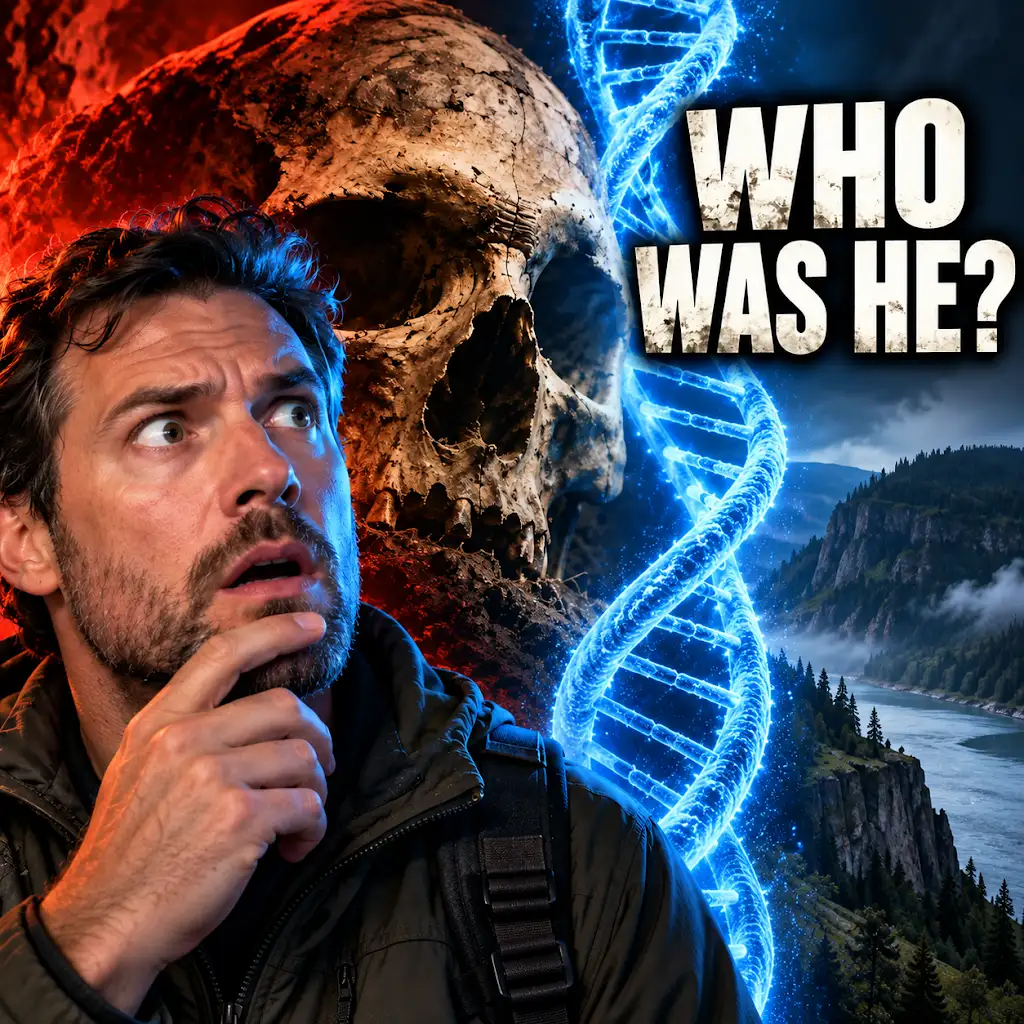
Kennewick Man’s Skull Said One Thing. DNA Said Another.
FAQs
What is the Kennewick Man archaeology documentary about?
The Kennewick Man archaeology documentary explores the discovery and controversy surrounding the ancient skeletal remains found in Kennewick, Washington.
Who is Kennewick Man?
Kennewick Man is the name given to the ancient human remains discovered in 1996 along the Columbia River in Kennewick, Washington. The skeleton is estimated to be over 9,000 years old.
What are some of the key findings presented in the documentary?
The documentary presents findings related to the age, ancestry, and cultural significance of Kennewick Man. It also delves into the legal battles and scientific debates surrounding the ownership and study of the remains.
Why is Kennewick Man significant in the field of archaeology?
Kennewick Man is significant in the field of archaeology because the discovery challenged previous theories about the peopling of the Americas and raised questions about the ancestry and cultural affiliations of early inhabitants of North America.
Where can I watch the Kennewick Man archaeology documentary?
The Kennewick Man archaeology documentary may be available for viewing on streaming platforms, educational websites, or through archaeological organizations. Check with your local library or online sources for access to the documentary.