The silent whisper of history, once confined to the dusty pages of scrolls and the weathered carvings on stone, is now being amplified by the microscopic power of DNA. The human genome, a blueprint of life, holds within its intricate sequence the echoes of our ancestors, their migrations, their relationships, and even their health. When applied to ancient remains, this genetic information transforms from abstract possibility into a tangible narrative, allowing us to peer into the past with unprecedented clarity. The journey of “The Ancient One,” a hypothetical but representative individual whose remains have yielded a rich genetic tapestry, exemplifies the profound capabilities of DNA analysis in deciphering the lives of those long gone.
The Discovery and Initial Assessment
The discovery of The Ancient One’s remains was, as is often the case, a confluence of fortunate circumstances and meticulous archaeological practice. Unearthed in a remote peat bog, a natural preservative that offered a remarkable degree of cellular integrity, the skeletal fragments presented a tantalizing prospect for scientific inquiry. Initial visual examination, a crucial first step in any archaeological excavation, revealed the presence of remarkably well-preserved bone and, remarkably, soft tissue. This level of preservation is rare, and it immediately signaled the potential for successful DNA extraction. The environmental conditions of the bog, characterized by low oxygen levels and acidic water, had effectively inhibited the activity of decomposers, safeguarding the organic material from rapid decay.
Before any invasive procedures, a comprehensive archaeological context was meticulously documented. The stratigraphic layers in which the remains were found, the associated artifacts, and the surrounding environment were all carefully recorded. This contextual information is vital, as it provides the bedrock upon which genetic interpretations can be built. Without understanding where and how The Ancient One was interred, the genetic data would be like a book without a cover, lacking the crucial framing for comprehension.
The skeletal morphology also offered preliminary clues. Anthropological analysis of the bones suggested a mature individual, potentially male, based on certain cranial and pelvic features. However, the degree of post-mortem alteration and the potential for taphonomic processes – changes to the remains caused by natural forces after death – meant that these initial assessments were to be treated with caution. The definitive answers, it was hoped, lay within the very fabric of The Ancient One’s cells.
The recent DNA analysis of The Ancient One has sparked significant interest in the scientific community, shedding light on the migration patterns and genetic heritage of early populations. For those looking to explore related topics, an insightful article on safeguarding wealth during economic uncertainties can be found at Strategies for Safeguarding Wealth Against Hyperinflation. This piece discusses the importance of financial resilience in the face of historical and contemporary challenges, paralleling the lessons we can learn from ancient civilizations.
The Extraction and Sequencing Process
The journey from discovery to genetic revelation is a complex, multi-stage process that requires both precision and cutting-edge technology. The successful extraction of ancient DNA (aDNA) is a delicate art, as the genetic material is often degraded and present in minuscule quantities.
Safeguarding the Sample
- Sterile Environment: The entire process of DNA extraction takes place in a strictly controlled, sterile laboratory environment. This is paramount to prevent contamination from modern DNA. Researchers meticulously clean all surfaces, use disposable tools, and often work in dedicated clean rooms with filtered air. Even the breath of the researcher is considered a potential contaminant, leading to specialized protocols for handling samples.
- Minimizing Degradation: Ancient DNA is inherently more fragile than modern DNA. It is fragmented into smaller pieces and can be damaged by various chemical and physical processes over time. Therefore, handling protocols are designed to minimize further degradation. Samples are typically stored at low temperatures, often below -20°C, to slow down any remaining molecular decay.
The Extraction Method
- Bone Powders: The most common method for extracting DNA from ancient bone involves grinding a small portion of the bone into a fine powder. This increases the surface area, allowing for more efficient access to the DNA trapped within the mineral matrix of the bone.
- Chemical Digestion: The bone powder is then treated with a series of chemicals designed to break down the protein and mineral components of the bone, releasing the DNA. This often involves a combination of chelating agents, proteases, and other enzymes. The process is carefully controlled to avoid damaging the DNA itself.
- Purification: Following the digestion, the DNA must be purified from the surrounding chemical soup. Various purification techniques are employed, often involving silica-based matrices that bind to DNA, allowing it to be washed free of contaminants. The goal is to isolate the precious DNA fragments in a clean, usable form.
The Power of Sequencing
Once extracted, the fragmented ancient DNA needs to be “read” – its precise sequence of molecular bases (Adenine, Guanine, Cytosine, and Thymine) determined. This is where next-generation sequencing (NGS) technologies have revolutionized the field.
- Library Preparation: Before sequencing, the extracted DNA fragments are prepared into a “library.” This involves attaching small molecular adapters to the ends of each fragment, which are essential for the sequencing process. These adapters act like barcodes, allowing the sequencer to identify and orient the fragments.
- Massive Parallel Sequencing: NGS instruments can sequence millions or even billions of DNA fragments simultaneously. The prepared library is loaded onto a flow cell, where each fragment is amplified and then sequenced base by base. As each nucleotide is added, a signal is generated, which is captured and translated into a digital read.
- Bioinformatic Reconstruction: The output of the NGS machine is a vast collection of short DNA reads. The challenge then becomes piecing these short reads back together into longer, more complete sequences, much like assembling a giant jigsaw puzzle. Sophisticated bioinformatics pipelines are used to align these reads to a reference genome (if available) or to reconstruct the genome de novo (without a reference). This process is computationally intensive and requires significant processing power.
Unveiling The Ancient One’s Identity
The genetic data derived from The Ancient One’s remains offers a profound window into their personal identity, extending far beyond what skeletal analysis could reveal. This includes not only their genetic sex but also insights into their lineage and even predispositions to certain traits.
Genetic Sex Determination
One of the most fundamental pieces of information that can be gleaned from DNA is an individual’s genetic sex. By analyzing the X and Y chromosomes, scientists can definitively determine if The Ancient One carried XX (female) or XY (male) chromosomes. This is particularly valuable when skeletal indicators of sex are ambiguous or have been compromised by decomposition or post-mortem damage.
- Chromosome Analysis: The Y chromosome is present only in males and carries genes responsible for male development. Its presence or absence, as well as specific markers on the Y chromosome, provides clear evidence of genetic sex.
- X Chromosome Dosage: Females have two X chromosomes. The relative dosage of genes on the X chromosome can also be used for sex determination, especially in cases where the Y chromosome may be degraded or absent.
Ancestry and Population Affiliations
Perhaps the most transformative aspect of ancient DNA analysis is its ability to trace an individual’s ancestry. By comparing the genetic makeup of The Ancient One to modern and other ancient populations, researchers can reconstruct their ancestral origins and understand their place within the broader human migration story.
- Mitochondrial DNA (mtDNA): This small, circular DNA molecule is inherited solely from the mother. Analysis of mtDNA reveals maternal lineage and can provide broad insights into ancient population movements and connections. It is also highly abundant and often better preserved than nuclear DNA, making it a valuable marker in aDNA studies.
- Autosomal DNA: This comprises the vast majority of our DNA and is inherited from both parents. Analyzing autosomal DNA provides a more comprehensive picture of an individual’s ancestry, allowing for the identification of specific ancestral components and the estimation of admixture proportions from different ancient populations.
- Y-Chromosome Analysis (for males): As mentioned, the Y chromosome traces paternal lineage. Studying specific haplogroups on the Y chromosome can reveal ancient migration routes and the origins of paternal lines.
Phenotypic Traits and Predispositions
While not always possible with limited or degraded DNA, modern aDNA analysis can sometimes offer glimpses into observable physical characteristics and even potential health predispositions.
- Hair and Eye Color: Genes associated with pigmentation, such as OCA2 and HERC2, can be analyzed to infer the likely color of an individual’s hair and eyes. This can help paint a more vivid picture of The Ancient One’s appearance.
- Disease Susceptibility: By examining genes known to be associated with various diseases, researchers can identify whether The Ancient One carried genetic variants that might have increased their susceptibility to certain conditions. This is not a diagnosis but rather an indication of potential genetic predispositions. For instance, the presence of certain variants of the APOE gene might suggest a higher risk for Alzheimer’s disease in later life.
Reconstructing The Ancient One’s Life and Environment
The genetic insights into The Ancient One’s identity are not merely isolated facts; they are threads that can be woven into a richer tapestry of their life and the world they inhabited. By integrating genetic data with archaeological context, a more nuanced understanding emerges.
Diet and Lifestyle
While direct evidence of diet comes from stable isotope analysis of bone and teeth, genetic markers can sometimes offer indirect clues about dietary adaptations and historical food sources.
- Lactase Persistence: The ability to digest lactose, the sugar in milk, into adulthood is a relatively recent evolutionary adaptation in many human populations. The presence or absence of the lactase persistence gene variant in The Ancient One could indicate whether dairy consumption was a common part of their diet or that of their immediate ancestors.
- Metabolic Genes: Variations in genes involved in nutrient metabolism might hint at dietary patterns or adaptations to specific food sources prevalent in their region.
Health and Disease Patterns
The genetic information about disease predispositions can be correlated with skeletal pathologies observed by archaeologists.
- Infectious Diseases: While ancient pathogens are difficult to recover directly from DNA, genetic variants associated with immune response and susceptibility to certain infectious diseases can provide clues about the health challenges faced by The Ancient One and their community.
- Chronic Conditions: As mentioned, genetic predispositions to chronic conditions, when combined with evidence of osteoarthritis or other degenerative diseases in the skeletal remains, can build a more comprehensive picture of an individual’s health journey.
Social and Kinship Networks
In cases where multiple individuals from the same burial site or related sites are analyzed, ancient DNA becomes a powerful tool for reconstructing social and kinship structures.
- Family Relationships: By comparing the genomes of individuals found together, it is possible to identify parent-offspring relationships, sibling ties, and other familial connections. This can reveal burial practices and how individuals were organized within their communities.
- Migration Patterns within a Community: If The Ancient One is found in a burial site distinct from their ancestral homeland, genetic analysis can help determine if they were part of a migration event or if their community was a melting pot of different origins.
Recent advancements in DNA analysis have shed light on the enigmatic figure known as The Ancient One, revealing fascinating insights into our genetic past. This groundbreaking research not only enhances our understanding of ancient civilizations but also connects to broader themes in contemporary studies, such as those explored in a related article about the United States Space Force’s lunar strategy. For more on this intriguing topic, you can read the full article here.
The Broader Implications and Future Directions
The story of The Ancient One, as told through their DNA, is not just an isolated case study. It represents a paradigm shift in how we understand human history, offering a powerful new lens through which to examine our past. The ongoing advancements in ancient DNA technology promise even deeper insights in the years to come.
Rewriting the History Books
The ability to directly analyze the genetic material of our ancestors allows for the validation or revision of historical narratives that were previously based solely on textual evidence or archaeological interpretation. This can lead to a more accurate and nuanced understanding of human migrations, the spread of cultures, and the development of societies. For example, genetic studies have significantly reshaped our understanding of the peopling of the Americas, the spread of agriculture, and the interactions between different ancient populations.
Ethical Considerations and Future Technologies
As the power of ancient DNA analysis grows, so too do the ethical considerations surrounding its use. Questions of ancestry disclosure, the ownership of genetic information, and the potential for misuse are increasingly important.
- Respect for Ancestors: Researchers must navigate the delicate balance between scientific inquiry and respect for the deceased and their descendants. Protocols for consent and community engagement are becoming increasingly crucial.
- New Sequencing Methods: Future advancements will likely involve even more sensitive sequencing techniques, allowing for the recovery of DNA from even more degraded samples and from a wider range of biological materials, such as fossilized skin or hair.
- Ancient Epigenomics: Beyond the DNA sequence itself, scientists are beginning to explore ancient epigenomics – the study of modifications to DNA that can affect gene expression without altering the underlying sequence. This could provide insights into how environmental factors and lifestyle influenced gene activity in ancient populations.
- Paleovirology and Paleopathology: The ability to recover ancient viral or bacterial DNA from remains could revolutionize our understanding of past epidemics and pandemics, offering crucial lessons for combating modern diseases.
In conclusion, the analysis of ancient DNA, as exemplified by the hypothetical case of The Ancient One, has moved us from inference to direct observation of our past. Each fragment of ancient DNA is a tiny time capsule, holding within it the secrets of our ancestors. By meticulously decoding these genetic messages, we are not only learning about individuals long gone but also about the shared journey of humanity, a journey that continues to unfold with every new genetic discovery. The silent whispers of history are now speaking, and they are telling us stories more profound and compelling than we could have ever imagined.
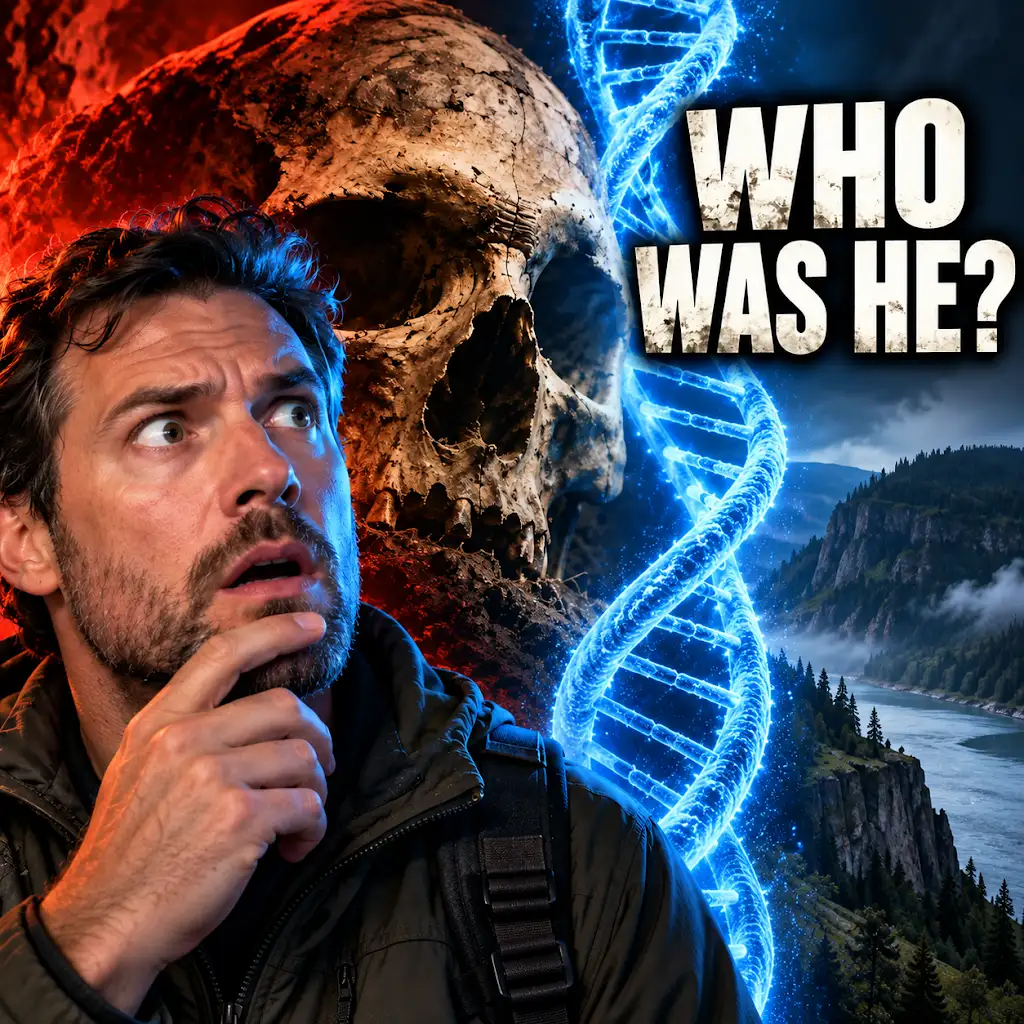
Kennewick Man’s Skull Said One Thing. DNA Said Another.
FAQs
What is the Ancient One DNA analysis?
The Ancient One DNA analysis refers to the genetic testing and analysis conducted on the remains of an ancient individual, often to learn more about their ancestry, genetic traits, and relationships with other populations.
Why is DNA analysis important in studying ancient individuals?
DNA analysis of ancient individuals provides valuable insights into human history, migration patterns, population dynamics, and genetic adaptations over time. It helps researchers understand the genetic diversity and relationships among different populations.
What can DNA analysis reveal about the Ancient One?
DNA analysis of the Ancient One can reveal information about their genetic ancestry, possible genetic traits, relationships with other ancient populations, and potential migration patterns. It can also shed light on their evolutionary history and genetic adaptations.
How is DNA extracted from ancient remains for analysis?
DNA extraction from ancient remains involves careful and specialized techniques to prevent contamination and degradation of the genetic material. Researchers use small bone or tooth samples, and sometimes extract DNA from the inner ear bones, which are more protected from environmental factors.
What are some challenges in conducting DNA analysis on ancient remains?
Challenges in DNA analysis of ancient remains include contamination from modern DNA, degradation of the ancient DNA due to environmental factors, limited sample sizes, and difficulties in distinguishing endogenous DNA from microbial DNA. Researchers must use stringent protocols to ensure accurate results.