The whisper of ages, locked within the silent chambers of the earth, is beginning to speak. For millennia, the resting places of ancient peoples have held their secrets, guarded by the passage of time and the very soil that embraced them. Yet, a revolution in science is now allowing us to listen. Uncovering ancient Native American skeleton DNA is not merely an academic pursuit; it is a profound journey into the past, a way to connect with the earliest inhabitants of the Americas, and to understand their stories in a way never before possible. This scientific endeavor is meticulously reconstructing ancestral narratives, revealing migration patterns, cultural connections, and the deep tapestry of human history that predates recorded chronicles.
The ability to extract and analyze ancient DNA, a field known as paleogenomics, has been a game-changer in our understanding of human history. Before this technology, our knowledge of ancient populations relied heavily on archaeological evidence—tools, pottery, burial practices, and skeletal morphology. While invaluable, these provided only glimpses, often fragmented and open to interpretation. Ancient DNA analysis, however, offers a direct window into the biological inheritance of individuals who lived thousands of years ago. It allows scientists to delve into their genetic makeup, providing concrete data that can confirm or challenge existing theories and uncover entirely new insights.
The Science Behind Ancient DNA Extraction
The process of obtaining ancient DNA is fraught with challenges. DNA degrades over time, becoming fragmented and contaminated by modern microbes or even the DNA of researchers themselves. The most promising sources of well-preserved ancient DNA are typically found in cold, dry environments, where microbial activity is limited. In the context of Native American skeletons, teeth and petrous bones (the dense part of the temporal bone in the skull, surrounding the inner ear) are often the preferred sources. These bones are dense, offering a degree of protection for the DNA.
Sample Collection and Preparation
The initial step involves carefully excavating the skeletal remains, ensuring minimal contamination. When a suitable specimen is identified, samples are meticulously collected, often from the inner ear canal of a tooth or from the petrous bone. This collection is performed in sterile laboratory conditions, utilizing specialized tools to prevent the introduction of foreign DNA. Once collected, the samples undergo a rigorous cleaning and sterilization process to remove any surface contaminants.
DNA Extraction Techniques
The extraction of DNA from these ancient samples requires highly specialized protocols. The bone or tooth material is first pulverized into a fine powder. This powder is then subjected to a series of chemical treatments designed to break down the bone matrix and release the DNA molecules. These treatments often involve enzymes, buffers, and organic solvents. The extracted DNA is then purified and concentrated, typically through techniques like magnetic bead purification. The resulting DNA is often in very small quantities and heavily fragmented, requiring sophisticated amplification methods to generate enough material for sequencing.
The Challenges of Ancient DNA Analysis
The fragmented nature of ancient DNA is a significant hurdle. Unlike modern DNA, which exists as long, intact strands, ancient DNA often appears in short pieces. This makes it difficult to reconstruct the full genetic sequence. Furthermore, contamination is a constant concern. DNA is ubiquitous, and even a tiny amount of modern human DNA can overwhelm the signal from the ancient sample, leading to erroneous results. Researchers employ stringent protocols to minimize contamination, including working in dedicated ancient DNA laboratories with filtered air systems and strict personal protective equipment requirements.
Identifying and Mitigating Contamination
Contamination can arise from various sources: the soil surrounding the remains, the animals that may have inhabited the burial site, and even the researchers themselves. Scientists have developed sophisticated methods to identify and mitigate contamination. This includes analyzing the presence of characteristic markers of modern human DNA, such as post-mortem damage patterns that are less common in ancient DNA. Comparing DNA profiles from multiple individuals within a burial site can also help distinguish ancient lineages from potential contaminants. In some cases, researchers may re-excavate a site or collect multiple samples to confirm their findings.
The Importance of Authentication
To ensure the reliability of their findings, researchers must rigorously authenticate their ancient DNA results. This involves multiple lines of evidence. For example, DNA sequences should exhibit specific molecular characteristics indicative of ancient DNA. Furthermore, the phylogenetic placement of the ancient DNA within a broader genetic tree should be consistent with archaeological and anthropological evidence. Independent replication of results by different research groups using different sample sets further strengthens the authenticity of the findings.
Recent studies on ancient Native American skeleton DNA have shed light on the complex history and migration patterns of Indigenous peoples in North America. These findings have sparked discussions about the implications for cultural heritage and identity. For a deeper understanding of how historical narratives can be influenced by scientific discoveries, you might find this article interesting: Defending the Lunar Base: Consequences of an Attack.
Tracing Ancestral Migrations: The Footprints of Early Americans
One of the most impactful contributions of ancient Native American skeleton DNA analysis has been in illuminating the complex and often debated pathways of human migration into the Americas. For decades, the Bering Land Bridge theory, suggesting migration from Siberia to Alaska during the last Ice Age, has been the dominant model. Ancient DNA has provided crucial genetic evidence to support, refine, and even expand upon this theory.
The Bering Land Bridge Hypothesis and its Genetic Underpinnings
The Bering Land Bridge, a vast landmass that once connected Asia and North America, is believed to have been the primary route for the initial peopling of the Americas. Ancient DNA studies have revealed a deep genetic connection between ancient Native Americans and ancient Siberian populations, providing strong support for this hypothesis. Genetic markers, such as specific Y-chromosome and mitochondrial DNA haplogroups, are found in both ancient American and Siberian populations, indicating a shared ancestral origin.
Evidence from Mitochondrial DNA (mtDNA)
Mitochondrial DNA, inherited solely from the mother, is particularly useful for tracing maternal lineages. Specific mtDNA haplogroups, such as A, B, C, and D, are prevalent among Native American populations and are also found in East Asian and Siberian populations. The distribution and diversity of these haplogroups in ancient samples allow researchers to infer migration timings and directions. For instance, the presence of haplogroup X, which is less common in Asia but found in some Native American groups, has fueled debates about alternative migration routes or distinct founding populations.
Insights from Y-Chromosome DNA
Y-chromosome DNA, inherited from the father, provides insights into paternal lineages. Certain Y-chromosome haplogroups, such as Q and C, are particularly common among Native American men and have strong links to Siberian populations. The analysis of these haplogroups in ancient DNA has helped pinpoint the timing of the divergence of Native American populations from their Asian ancestors and their subsequent dispersal across the Americas.
Beyond the Bering Strait: Unveiling Multiple Waves of Migration
While the Bering Land Bridge remains a central element, ancient DNA evidence suggests that the story of the peopling of the Americas might be more nuanced, potentially involving multiple waves of migration. Some studies have indicated genetic signatures that are not solely attributable to a single Siberian ancestral group.
The “First Americans” and the Clovis First Model
For a long time, the “Clovis First” model dominated archaeological thought, suggesting that the Clovis culture, characterized by distinctive stone projectile points, represented the earliest inhabitants of the Americas, arriving around 13,000 years ago. However, ancient DNA from pre-Clovis skeletons, such as that of the Anzick-1 child, linked to the Clovis culture, has provided insights into this period. This DNA suggested a single ancestral population that gave rise to both Clovis and later Native American groups, suggesting a rapid dispersal after entering the Americas.
Evidence for Earlier Migrations and Potential Coastal Routes
More recent ancient DNA studies from sites predating Clovis have challenged the simple “Clovis First” narrative. The discovery of genetically distinct individuals from earlier periods suggests that humans may have arrived in the Americas thousands of years before the Clovis culture. There is also growing interest in the possibility of coastal migration routes, where groups may have traveled along the Pacific coast, either by boat or by traversing exposed continental shelves, potentially bypassing the ice sheets that blocked inland passage. Genetic evidence from populations in South America, in particular, has pointed to a more complex history than a single migration event.
Reconstructing Kinship and Social Structures: The Family Tree of the Ancients

Ancient DNA analysis allows us to move beyond viewing ancient individuals as isolated specimens and to understand them as part of complex social networks and family units. By examining the genetic relationships between individuals found in the same burial site or in geographically proximate sites, researchers can reconstruct kinship ties and gain insights into social organization.
Identifying Family Relationships within Burial Sites
When multiple individuals are found interred together, ancient DNA can reveal their genetic relatedness. This can demonstrate direct parent-child relationships, sibling connections, or more distant familial ties. Such discoveries can shed light on burial practices, inheritance patterns, and the social importance of family units within ancient societies.
Parent-Child and Sibling Relationships
Through techniques like comparing shared DNA segments, scientists can identify individuals who were biologically related as parents and children or as siblings. This allows for the reconstruction of family structures within a burial context. For example, finding a child buried alongside their presumed parent can offer insights into how families mourned and honored their deceased.
Broader Kinship Networks
Beyond immediate family, ancient DNA can also reveal connections within broader kinship networks. Identifying individuals who are more distantly related, such as cousins or aunts/uncles, can help researchers understand the structure of larger kin groups and their potential roles in social and economic life. This is particularly valuable when dealing with multiple burials where specific arrangements might reflect social hierarchy or lineage affiliations.
Understanding Marriage Patterns and Exogamy
The genetic makeup of individuals can also provide clues about marriage patterns. By analyzing the genetic diversity within a population and comparing it to neighboring populations, researchers can infer whether marriages were typically within the group (endogamy) or involved individuals from outside the group (exogamy).
Endogamy vs. Exogamy
If ancient DNA from a particular site shows very low genetic diversity and a strong resemblance to nearby sites, it might suggest endogamous practices. Conversely, if individuals show genetic contributions from more distant populations, it points towards exogamy, where individuals married outside their immediate community. This has implications for understanding cultural exchange and the spread of ideas and technologies.
The Role of Ancient DNA in Studying Patrilocality and Matrilocality
In some cases, ancient DNA can provide evidence for patrilocal or matrilocal residence patterns, where individuals typically reside with the husband’s or wife’s family, respectively, after marriage. For example, if most adult males in a cemetery are closely related, while females show more genetic diversity from other regions, it might suggest a patrilocal system. Conversely, if adult females are closely related, but males show more diverse ancestry, it could indicate a matrilocal system.
Unveiling Dietary Habits and Health Histories: A Window into Ancient Lifestyles
The DNA preserved within ancient skeletons is not solely about lineage; it also holds clues about the lifestyle, diet, and health of the individuals. While direct dietary analysis often relies on isotopic studies of bone and teeth, DNA can provide complementary information, particularly regarding the microbiome and the genetic predispositions to certain diseases.
The Ancient Microbiome: A Silent Companion
The human body is a complex ecosystem, and we are hosts to trillions of microorganisms, collectively known as the microbiome. Ancient DNA techniques can now even recover DNA from these ancient microbes, offering a glimpse into the gut bacteria and other microbial communities that co-existed with ancient peoples.
Reconstructing Gut Microbiomes
The analysis of ancient fecal matter or material found within the intestines of skeletons can reveal the composition of their gut microbiomes. These ancient microbiomes can provide insights into their diets, the presence of pathogens, and the impact of environmental factors on microbial health. Comparing ancient microbiomes to modern ones can reveal how human diets and lifestyles have altered our microbial partners over time.
Implications for Health and Disease
The ancient microbiome may have played a significant role in the health and disease patterns of ancient populations. For instance, the presence of certain bacteria can be linked to nutrient absorption, immune function, and susceptibility to infections. Understanding these ancient microbial communities can help us decipher the history of human health and the evolution of diseases.
Genetic Predispositions to Diseases in Ancient Populations
While ancient individuals did not suffer from the same chronic diseases of affluence seen today, they were still susceptible to infectious diseases and genetic conditions. Ancient DNA can reveal genetic variations that may have conferred predispositions to certain illnesses.
The Presence of Pathogen DNA
In rare cases, DNA from ancient pathogens, such as bacteria or viruses, can be recovered from skeletal remains. This can provide direct evidence of past epidemics and help reconstruct the evolutionary history of infectious diseases. For example, ancient DNA has been instrumental in understanding the origins and spread of diseases like plague and tuberculosis.
Genetic Adaptations and Disease Resistance
Ancient DNA can also reveal genetic adaptations that conferred resistance to certain diseases prevalent in their environments. For instance, variations in genes related to immune response might have been selected for in populations exposed to particular pathogens. Studying these genetic adaptations can provide insights into the long-term evolutionary pressures faced by ancient Native American populations.
Recent studies have shed light on the genetic makeup of ancient Native American populations, revealing fascinating insights into their ancestry and migration patterns. For those interested in the intersection of ancient cultures and their environmental practices, an intriguing article discusses the advanced filtration systems used by the Maya civilization, showcasing their understanding of water purification. You can read more about this topic in the article on Maya filtration systems, which highlights the ingenuity of ancient societies in managing their resources.
Ethical Considerations and the Future of Ancient DNA Research
| Sample ID | Location | Estimated Age (years BP) | mtDNA Haplogroup | Y-DNA Haplogroup | Genome Coverage | Notable Findings |
|---|---|---|---|---|---|---|
| USR1 | Alaska, USA | 11,500 | B2 | Q1a2a | 14x | Oldest known genome from Native Americans, links to Siberian populations |
| Anzick-1 | Montana, USA | 12,600 | D4h3a | Q1a2a1a1 | 15x | Clovis culture association, supports single migration theory |
| Spirit Cave | Nevada, USA | 10,600 | C1b | Not determined | 5x | Shows genetic continuity with modern Native Americans |
| Kennewick Man | Washington, USA | 8,500 | X2a | Q1a2a | 8x | Genetic affinity with modern Native American tribes |
| La Braña 1 | Spain (for comparison) | 7,000 | U5b2c1 | Not determined | 10x | Western European hunter-gatherer, used as outgroup in studies |
The ability to extract and analyze ancient DNA from human remains is a powerful scientific tool, but it also raises significant ethical considerations. The respectful handling of ancestral remains and the inclusion of descendant communities are paramount to ensuring that this research is conducted responsibly and benefits all stakeholders.
Respectful Treatment of Ancestral Remains
For Indigenous communities, ancestral remains are not simply scientific specimens; they are the physical connection to their ancestors and hold deep cultural and spiritual significance. The scientific community must prioritize collaboration with and consent from descendant communities in all aspects of research involving ancient Native American skeletons.
Indigenous Sovereignty and Collaboration
Recognizing Indigenous sovereignty over their ancestral remains and cultural heritage is fundamental. This means engaging in meaningful consultation, obtaining informed consent, and ensuring that research plans align with the wishes and priorities of Indigenous communities. Collaborative research models, where Indigenous scholars and community members are active participants in the research process, are essential.
Repatriation and Reburial
In many cases, ancestral remains have been removed from their original resting places and are held in museum collections. The principle of repatriation, returning ancestral remains to their descendant communities for appropriate reburial, is a crucial aspect of ethical practice. This process acknowledges the historical injustices and restores a sense of dignity to the ancestors.
The Evolving Landscape of Paleogenomics
The field of paleogenomics is rapidly advancing, with new technologies and analytical methods constantly emerging. This promises even more detailed and nuanced insights into the lives of ancient peoples.
Technological Advancements
Future advancements in DNA sequencing technologies are expected to lead to higher throughput, lower costs, and the ability to recover DNA from even more challenging samples. This will allow for the analysis of larger datasets and the investigation of a wider range of genetic questions.
Broader Applications and Interdisciplinary Research
The application of ancient DNA analysis is likely to expand beyond population genetics and migration studies. It will increasingly be integrated with other scientific disciplines, such as archaeology, anthropology, linguistics, and environmental science, to create a more holistic understanding of ancient human societies and their interactions with their environments. This interdisciplinary approach holds the key to unlocking even deeper secrets of our shared human past.
Uncovering ancient Native American skeleton DNA is a testament to human curiosity and scientific ingenuity. It is a field that demands not only technical expertise but also a profound sense of respect for the past and for the people whose stories are etched within their very bones. As this science continues to evolve, it offers an unparalleled opportunity to connect with the deep roots of humanity, to understand the resilience and ingenuity of ancient peoples, and to honor their enduring legacy. The silent whispers from the earth are growing louder, and their narratives are enriching our understanding of who we are and where we come from.
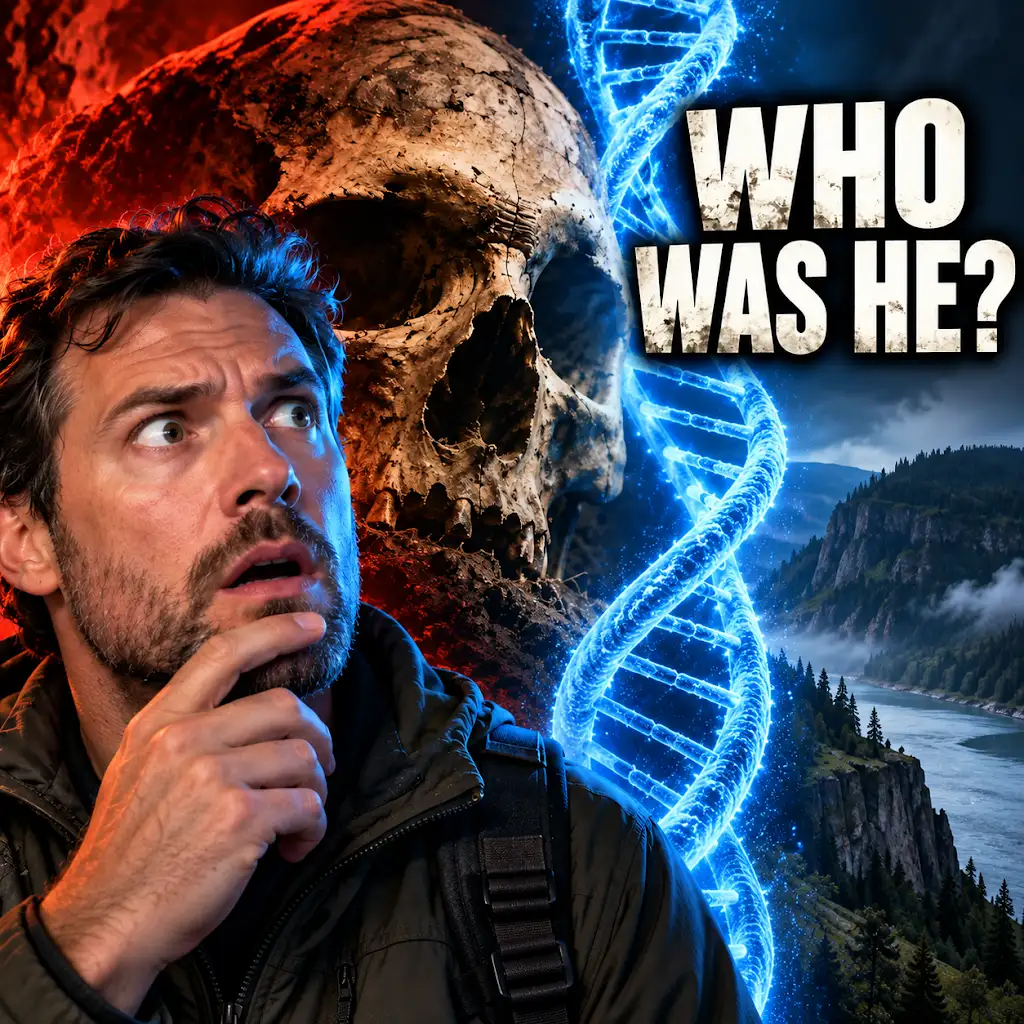
Kennewick Man’s Skull Said One Thing. DNA Said Another.
FAQs
What is the significance of studying ancient Native American skeleton DNA?
Studying ancient Native American skeleton DNA can provide valuable insights into the population history, migration patterns, and genetic diversity of indigenous peoples in the Americas.
How is ancient Native American skeleton DNA extracted and analyzed?
Ancient Native American skeleton DNA is typically extracted from bone or tooth samples using specialized laboratory techniques. The DNA is then sequenced and analyzed to determine genetic relationships and ancestry.
What have studies of ancient Native American skeleton DNA revealed?
Studies of ancient Native American skeleton DNA have revealed complex population dynamics, genetic admixture, and connections to modern indigenous populations. These findings have helped to reconstruct the history of human settlement in the Americas.
What challenges are faced when studying ancient Native American skeleton DNA?
Challenges in studying ancient Native American skeleton DNA include degradation of DNA over time, contamination from modern DNA, and ethical considerations regarding the handling and analysis of human remains.
How does the study of ancient Native American skeleton DNA contribute to our understanding of human history?
The study of ancient Native American skeleton DNA contributes to our understanding of human migration, adaptation, and cultural exchange in the Americas. It provides a deeper appreciation of the rich and diverse heritage of indigenous peoples.