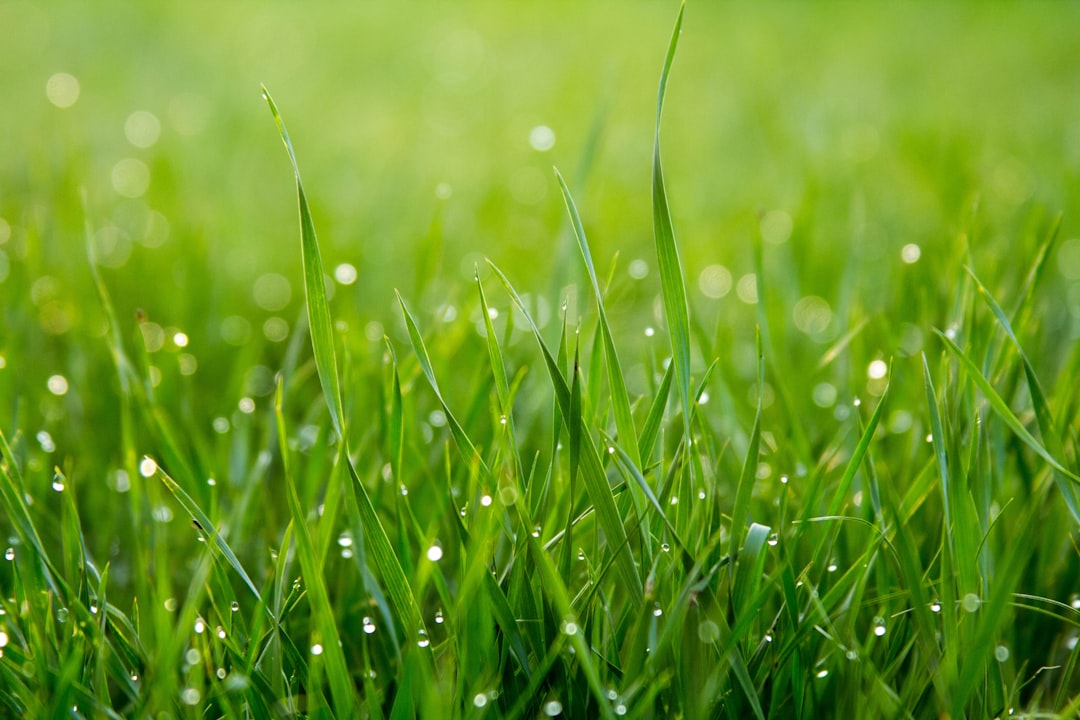
Pyramiden, a ghost town on the Svalbard archipelago in Norway, is a stark reminder of the Soviet Union’s ambitious and ultimately failed attempts to establish a thriving presence in the Arctic. While the abandoned coal mining town is well-known for its imposing architecture and the lingering presence of its past inhabitants, a less-discussed but equally fascinating aspect of Pyramiden’s history is its attempt to cultivate Soviet-style life, complete with imported grass. This article delves into the peculiar story of how the Soviet Union tried to green a frozen landscape, the challenges they faced, and the legacy of this unusual horticultural endeavor.
The establishment of Pyramiden was driven by strategic and economic imperatives. The Soviet Union, like other nations, recognized the potential of the Arctic for resource extraction and geopolitical influence. Svalbard, a Norwegian archipelago located between the mainland and the North Pole, offered rich coal deposits, making it an attractive target for Soviet interest. In 1927, the Soviet coal company Arktikugol acquired the rights to mine in Pyramiden, and by 1931, the settlement was officially founded.
Strategic Significance of Svalbard
Svalbard’s location was not merely about coal. Its proximity to vital shipping lanes and its strategic position in the Arctic made it a point of interest for global powers during the Cold War. The Soviet Union saw the archipelago as a crucial foothold in the High North, a region that was becoming increasingly militarized and politically charged. Establishing and maintaining a substantial settlement like Pyramiden served as a tangible assertion of their presence and claims in the area.
The Lure of Coal: Economic Motivations
The primary economic driver for Pyramiden was its abundant coal reserves. The Soviet Union relied heavily on coal for its industrial needs, and the Svalbard mines offered a readily accessible and potentially lucrative source. The development of Pyramiden was intrinsically linked to the success of the mining operations, with the settlement designed to support the workforce and their families.
Early Days and Soviet Ideology
From its inception, Pyramiden was envisioned not just as a mining town, but as a microcosm of Soviet society. The leadership aimed to create a self-sufficient community that embodied Soviet ideals of progress, collectivism, and a utopian vision of life, even in the harshest of environments. This ideological undercurrent would shape many of the decisions made in the town, including the surprising focus on cultivating a semblance of “home” through imported flora.
The Pyramiden imported grass, a notable agricultural initiative during the Soviet Union era, has been the subject of various studies highlighting its impact on Soviet agricultural practices and the environment. For a broader understanding of how international dynamics influence market trends, you might find the article on the challenges posed by Chinese electric vehicles to the U.S. market insightful. It explores the complexities of global trade and competition, which can be paralleled to the agricultural strategies employed during the Soviet period. You can read more about it in this article: Chinese EVs Threat to U.S. Market.
The Challenge of a Frozen Frontier
The Arctic environment presents a formidable obstacle to any form of agriculture. Svalbard’s climate is characterized by extremely low temperatures, short growing seasons, long periods of darkness, and permafrost. These conditions make traditional farming virtually impossible. Yet, the Soviet Union was determined to overcome these natural limitations and create a semblance of normal life for the inhabitants of Pyramiden.
Permafrost: The Unyielding Ground
Permafrost, ground that remains frozen for at least two consecutive years, is a defining feature of the Arctic. It presents significant engineering challenges for construction and makes any form of deep-rooted agriculture exceptionally difficult. To cultivate anything, the Soviets had to find ways to circumvent or mitigate the effects of this frozen earth.
The Harsh Arctic Climate
Svalbard experiences a polar climate with average temperatures well below freezing for most of the year. Summers are brief and cool, with a limited number of frost-free days. The extreme seasonality meant that any attempt at growing plants would be confined to a very narrow window, demanding careful planning and specialized techniques.
Limited Sunlight and Long Polar Nights
The Arctic is also defined by its unique light cycles. During the summer months, there is continuous daylight, but this is followed by prolonged periods of darkness during the polar night. This absence of natural sunlight for extended periods poses a significant hurdle for plant photosynthesis and growth.
Resource Constraints and Logistics
Establishing and maintaining a settlement in such a remote location came with inherent logistical challenges and resource constraints. Every item, from building materials to food, had to be transported vast distances. This made importing and sustaining any kind of horticultural project a complex and costly undertaking.
The Imported Grass: A Symbol of Soviet Greening
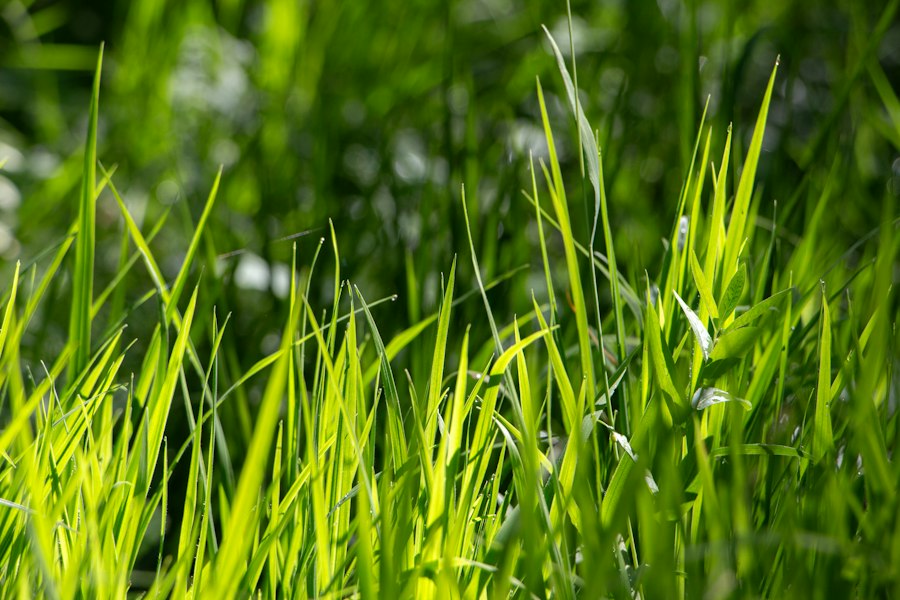
The desire to bring greenery to Pyramiden wasn’t just about aesthetics; it was deeply intertwined with Soviet propaganda and the aspiration to create a habitable and desirable living space. The decision to import grass, a seemingly simple element of a temperate climate, speaks volumes about the lengths to which the Soviets would go to replicate a familiar environment and project an image of success.
The Rationale: Bringing the Homeland North
The primary motivation behind importing grass was to recreate a familiar and comforting element of the Soviet homeland. For miners working in harsh conditions, the sight and feel of green grass would have evoked a sense of normalcy, belonging, and perhaps even a reminder of the fertile lands they had left behind. It was a psychological tool, aiming to foster morale and combat the isolation and bleakness of the Arctic.
Where Did the Grass Come From?
The specifics of the grass’s origin are not always clearly documented, but it is understood that seeds were procured from various regions within the Soviet Union. The intention was likely to select varieties that were robust and could potentially adapt to the challenging conditions, or at least survive for a period. The logistics of acquiring and transporting these seeds across vast distances further underscore the commitment to this project.
The “Green Lung” of Pyramiden
The imported grass was intended to serve as a “green lung” for the settlement. It was strategically planted in areas where it could be seen and enjoyed by the inhabitants, such as around residential buildings, public spaces, and perhaps even a designated park area. The presence of green vegetation, even if artificial or carefully cultivated, was seen as essential for improving the quality of life and creating a more pleasant atmosphere.
Propaganda and Image Building
Beyond the immediate comfort of the residents, the imported grass also served a propaganda purpose. It was a visible testament to Soviet ingenuity and their ability to “conquer” nature, to bring life and prosperity even to the most inhospitable corners of the Earth. Images of green spaces in Pyramiden would have been used to showcase the success of Soviet colonization efforts and the superiority of their system.
Cultivation Techniques: A Fight Against Nature

The actual cultivation of imported grass in Pyramiden was an arduous and experimental process. It required significant human intervention and the development of specialized techniques to overcome the environmental challenges. The Soviets had to become resourceful horticulturalists in a land where nature seemed determined to resist any form of cultivation.
Greenhouse Operations: Creating Artificial Microclimates
The most crucial element in the success of the imported grass was the use of greenhouses. These structures provided a controlled environment where temperature, humidity, and light could be regulated. Within these artificial microclimates, the grass had a much better chance of germination, growth, and survival, shielded from the harsh external conditions.
Building and Maintaining the Greenhouses
The construction of these greenhouses would have been a significant engineering feat in itself, given the permafrost and the remoteness of the location. They would have needed to be robust enough to withstand Arctic winds and snow loads, while also being insulated to retain heat. The ongoing maintenance and heating of these structures would have required a constant supply of energy and resources.
Specialized Lighting and Heating Systems
To compensate for the limited natural sunlight, especially during the polar night, sophisticated lighting systems were likely employed within the greenhouses. These artificial lights would have mimicked sunlight, providing the necessary spectrum for photosynthesis. Heating systems were also vital to maintain the optimal temperatures for grass growth, further emphasizing the artificiality of the environment.
Soil Management and Fertilization
Even with greenhouses, the soil itself presented a challenge. The natural Arctic soil is often thin and nutrient-poor. The Soviets would have had to import or create fertile soil, likely a mix of compost and other amendments, to provide the necessary nutrients for the grass to thrive. Regular fertilization would have been essential to maintain the soil’s quality and support the grass’s growth.
Importing Soil and Amendments
The most straightforward, albeit logistically demanding, solution for soil was to import it. This would have involved bringing in significant quantities of soil from more temperate regions, a costly and complex operation. Alternatively, they might have experimented with composting local organic matter, though this would have been a slower and less reliable process.
The Importance of Nutrient-Rich Substrates
The quality of the soil substrate was paramount. Without adequate nutrients, even the best imported seeds would struggle. The Soviets likely invested in creating rich, loamy soil mixes that could sustain the grass’s growth cycle. This involved carefully selecting and combining different materials to create an optimal growing medium.
Watering and Drainage
Managing water in an Arctic environment, especially within enclosed spaces, required careful consideration. While water might have been readily available from melted snow or ice, ensuring proper drainage within the greenhouses was crucial to prevent waterlogging and the associated issues like root rot, especially in a closed system.
Water Supply and Conservation
The supply of water would have been a continuous operational concern. Melted snow and ice could provide a source, but the process of melting and purifying it would have required energy. Water conservation methods would also have been important to ensure a steady supply without excessive waste.
Preventing Waterlogging and Root Rot
Within the confines of a greenhouse, efficient drainage systems were vital. Overwatering or poor drainage could lead to a build-up of moisture, creating an environment conducive to fungal diseases and root rot, which would quickly decimate the grass.
The fascinating history of Pyramiden, a former Soviet settlement in the Arctic, is closely tied to the unique agricultural practices that were implemented there, including the importation of grass species to sustain livestock in the harsh climate. For those interested in exploring how innovative approaches to resource management can be applied in extreme environments, a related article discusses the development of a lunar power grid, highlighting the importance of sustainable practices in extraterrestrial settings. You can read more about this intriguing topic by visiting this article.
The Decline and Legacy of Soviet Greening
| Metric | Data | Notes |
|---|---|---|
| Location | Pyramiden, Svalbard | Former Soviet coal mining settlement |
| Grass Type Imported | Various grass species | Used for landscaping and soil stabilization |
| Import Period | 1970s-1980s | During active Soviet mining operations |
| Purpose of Import | Landscaping and environmental control | To improve living conditions in Arctic environment |
| Quantity Imported | Approx. several tons | Exact figures not publicly documented |
| Environmental Impact | Limited but notable | Introduced non-native species to Arctic tundra |
| Current Status | Grass remains in some areas | Settlement largely abandoned since 1998 |
Despite the efforts, the imported grass in Pyramiden was a fragile endeavor, ultimately destined to fade with the settlement itself. The economic and political shifts that led to the closure of Pyramiden also marked the end of its artificial green spaces. However, the story of the imported grass leaves a lasting legacy, offering insights into human ambition, the challenges of extreme environments, and the enduring desire for nature.
Economic Unsustainability and the Collapse of the Soviet Union
The coal mining operations in Pyramiden, like many Soviet enterprises, were not always economically viable. The cost of extraction, transportation, and maintaining the settlement, especially with ambitious projects like importing grass, placed a significant strain on Soviet resources. The eventual collapse of the Soviet Union in 1991 made such remote and resource-intensive outposts unsustainable.
The Faltering Coal Industry
The global demand for coal shifted over time, and the profitability of the Pyramiden mine began to decline. Coupled with increasing operational costs and the logistical challenges of the Arctic, the economic justification for maintaining the settlement weakened.
The End of an Era: The 1998 Evacuation
In 1998, Arktikugol officially ceased operations in Pyramiden, and the last residents were evacuated. This marked the end of a significant chapter in Soviet Arctic history and with it, the active maintenance of the settlement’s infrastructure, including the greenhouses and their precious imported grass.
The Fate of the Green Spaces
Once the human intervention ceased, nature, as it always does, began to reclaim its territory. The greenhouses, no longer heated and maintained, would have succumbed to the harsh Arctic elements. The imported grass, without its artificial supports, would have struggled and eventually perished in the unforgiving climate.
Nature’s Reclamation
The abandonment of Pyramiden allowed the natural Arctic environment to assert itself. Without the constant efforts to maintain the imported flora, the elements would have taken over. Snow and ice would have buried any remnants of the green spaces, and the permafrost would have continued its unyielding grip.
Ghosts of Greenery
While the physical grass is likely long gone, the idea of it lingers. It has become a poetic symbol of the Soviet attempt to impose their will and their vision of civilization onto a wild and untamed land. The story of imported grass in Pyramiden is a poignant reminder of the human desire to create a semblance of home and familiarity, even in the most alien of landscapes.
A Legacy of Ingenuity and Ambition
The story of Pyramiden’s imported grass is more than just a quirky anecdote. It is a testament to human ingenuity and ambition in the face of extreme challenges. It highlights the lengths to which societies will go to establish a presence, to create a sense of community, and to project an image of prosperity and control.
The Human Element in a Stark Landscape
The endeavor underscores the importance of the human element in creating a habitable environment. It speaks to the psychological needs of people living in isolation and the lengths to which they will go to feel connected to their roots and to a sense of normalcy. The grass was more than just plants; it was a piece of home, carefully transplanted.
A Cautionary Tale and a Symbol of Hope
The story of Pyramiden’s imported grass can be viewed as both a cautionary tale about the limits of human intervention in nature and a symbol of human resilience and the enduring hope for green spaces, even in the bleakest of environments. It prompts reflection on our relationship with nature and the often-unseen efforts made to cultivate life and beauty in unexpected places. The spectral green of Pyramiden’s imported grass, though vanished, continues to whisper its tale of ambition and the indomitable human spirit.

Why Did the Soviet Union Abandon This Arctic City?
FAQs
What is Pyramiden?
Pyramiden is a Russian settlement located on the archipelago of Svalbard, Norway. It was once a mining town operated by the Soviet Union.
Why did Pyramiden import grass?
Pyramiden imported grass to create a more pleasant environment for its residents and to provide recreational spaces in the otherwise barren Arctic landscape.
When did Pyramiden import grass?
Pyramiden imported grass during the Soviet era, when the town was a thriving mining community. The grass was brought in to enhance the quality of life for the residents.
How did Pyramiden import grass to the Arctic region?
Pyramiden imported grass by shipping it from mainland Russia to Svalbard. The grass was then planted and maintained in designated areas around the town.
What is the current status of Pyramiden?
Pyramiden is now a ghost town, with only a handful of residents and tourists visiting the abandoned settlement. The imported grass still remains in some areas, adding a surreal touch to the deserted landscape.