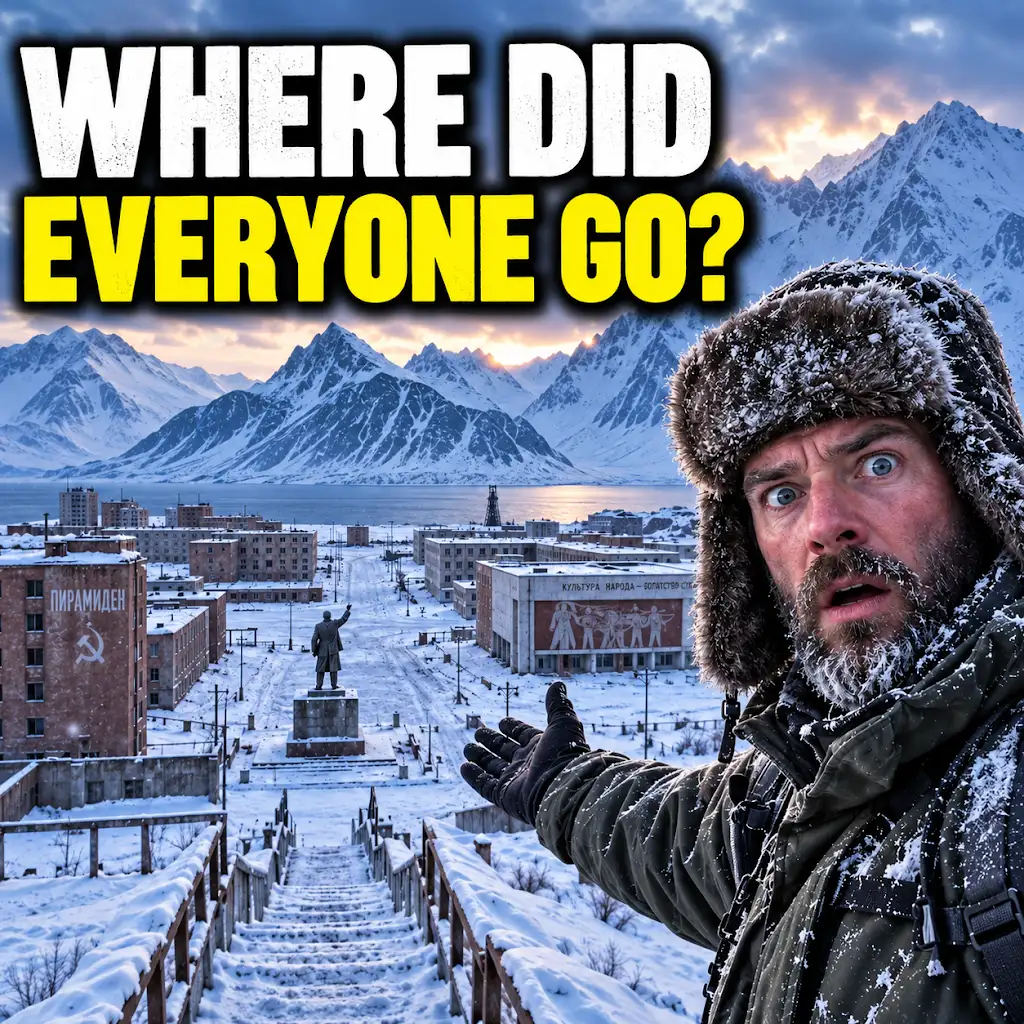
The biting Arctic wind whipped across the barren landscape, carrying with it whispers of a forgotten past. Pyramiden, a Soviet mining settlement on the remote Svalbard archipelago, stood as a stark testament to a grand ambition that ultimately faded into silence. Its skeletal structures, dusted with snow, loomed like specters against the pale Arctic sky, a haunting monument to a lost era. The story of Pyramiden is not one of a sudden catastrophe, but a slow, almost melancholic unraveling, a gradual abandonment that has left behind a potent enigma. This article seeks to explore the layers of this mystery, delving into the reasons behind its inception, its thriving existence, and the quiet exodus that left it frozen in time.
Pyramiden’s existence was born from a confluence of geopolitical ambition and the insatiable demand for coal in the mid-20th century. The Svalbard archipelago, a Norwegian territory rich in mineral resources, became a focal point of Soviet interest. The establishment of mining settlements was not merely an economic endeavor; it was a strategic play, a Soviet presence in a region of growing international importance.
Geopolitical Aspirations in the High Arctic
The Cold War cast a long shadow over the Arctic. Both the Soviet Union and the Western powers recognized the strategic significance of the region, not only for its resources but also for its potential as a military theater. By establishing and maintaining settlements like Pyramiden, the Soviets asserted their claim and projected their influence into this remote and unforgiving environment. The presence of Soviet citizens, even in a civilian capacity, served as a visible reminder of their territorial interests.
The Lure of Coal: A Black Gold Rush
Coal was the primary driver behind Pyramiden’s establishment. The abundant coal seams beneath the mountains surrounding the settlement promised a valuable resource, a fuel that powered industries and homes across the Soviet Union. The initial prospect of a profitable mining operation was a powerful incentive, attracting investment and labor from afar. The extraction of this ‘black gold’ was intended to bolster the Soviet economy and secure a vital energy source.
Early Settlement and Infrastructure Development
The creation of Pyramiden was a monumental undertaking, requiring the construction of an entire town from scratch in a place where nature held absolute dominion. Soviet engineers and laborers worked tirelessly to build everything from housing and a central heating system to a school, a cultural center, and even a swimming pool. The settlement was designed to be a self-sufficient community, a microcosm of Soviet life transplanted to the edge of the world. The architectural style, characteristic of Soviet urban planning, aimed to create a sense of order and communal living, even in this isolated locale.
Pyramiden, a once-thriving Soviet settlement in the Arctic, was abandoned in 1998 due to a combination of economic decline, the collapse of the Soviet Union, and the harsh living conditions that made it unsustainable for its residents. The town’s closure serves as a poignant reminder of how geopolitical shifts can impact remote communities. For a deeper understanding of how economic factors influence settlements, you may find the article on the economic value of lunar helium-3 insightful. It explores the potential for new resources to reshape economies and communities in ways that echo the historical abandonment of places like Pyramiden. You can read more about it here.
Life in the Frozen Frontier: A Thriving, Isolated Community
For decades, Pyramiden was not an abandoned place, but a vibrant, albeit isolated, community. It pulsed with the rhythm of daily life, the sounds of children playing, workers returning from the mines, and the hum of communal activities. The residents, largely miners and their families, forged a unique existence, bound together by shared hardship and the camaraderie of their extraordinary surroundings.
The Daily Grind of the Miner’s Life
The heart of Pyramiden’s economy, and the daily lives of its inhabitants, revolved around the coal mines. Miners descended into the earth each day, facing the inherent dangers of their profession. The work was arduous and demanding, but it provided employment and a sense of purpose for the community. The success of the mines was directly tied to the prosperity and survival of the settlement.
A Sense of Community and Social Life
Despite the geographical isolation, Pyramiden fostered a strong sense of community. The Soviet system emphasized collective living and social interaction. The settlement boasted a cultural palace, a cinema, a library, and sports facilities, all designed to provide entertainment and recreation for the residents. Social events, parties, and cultural activities were integral to life in Pyramiden, helping to combat the isolation and build a cohesive social fabric.
Education and Recreation in the Arctic
Children in Pyramiden received their education within the settlement’s schools. The curriculum mirrored that of schools across the Soviet Union, ensuring that even in this remote outpost, the future generation received a standard Soviet education. Beyond academics, recreational activities were crucial for well-being. Sports teams, children’s clubs, and communal games provided outlets for energy and fostered healthy development. The swimming pool, a remarkable amenity in such a frigid climate, was a cherished facility.
The Promise of a Better Future
For many who moved to Pyramiden, it represented an opportunity for a better life, a chance to escape the constraints of their former circumstances and contribute to a grand national project. The Soviet government offered incentives to encourage people to settle in these remote areas, including higher wages and subsidized living. This promise of advancement and belonging fueled the community’s growth and dedication.
The Slow Unraveling: Cracks in the Soviet Facade
The Soviet Union, like Pyramiden, was a grand experiment facing internal pressures and external challenges. The economic and political shifts that began to grip the Soviet empire in its later years eventually cast a long shadow over its remote outposts. The once-unshakeable foundations of Pyramiden’s existence began to erode.
Economic Strain on the Soviet Union
As the Soviet economy began to falter in the 1980s, the cost of maintaining remote and resource-intensive settlements like Pyramiden became increasingly unsustainable. The subsidies required to keep the mining operations and the community afloat grew, placing a significant burden on the central government. The economic realities began to outweigh the strategic and resource-based arguments for the settlement’s existence.
The Changing Geopolitical Landscape
The end of the Cold War fundamentally altered the geopolitical dynamics of the Arctic. The strategic importance of maintaining a visible Soviet presence diminished. With the thawing of international relations, the necessity for such a robust and costly outpost in Svalbard lessened. The rationale for its continued existence shifted, and the economic pressures became even more pronounced.
Declining Coal Reserves and Increasing Costs
The economics of coal mining are inherently tied to the accessibility and yield of the deposits. Over time, the most easily accessible and richest coal seams in Pyramiden began to deplete. Extracting the remaining coal became more challenging and expensive, further impacting the profitability of the operation. This diminishing resource base, coupled with rising operational costs, made the settlement increasingly economically unviable.
The Perestroika and Glasnost Reforms
Mikhail Gorbachev’s reforms of Perestroika (restructuring) and Glasnost (openness) brought about significant changes within the Soviet Union. These reforms, while aimed at revitalizing the system, also exposed its inherent weaknesses and inefficiencies. The increased transparency and the focus on economic rationalization led to a re-evaluation of state-funded projects, including expensive overseas ventures like Pyramiden.
The Quiet Exodus: A Phased Withdrawal

The abandonment of Pyramiden was not a single, dramatic event, but a carefully orchestrated, albeit gradual, process. The decision to cease operations and withdraw the population was made in stages, reflecting the changing economic and political realities.
The Announcement and Initial Departures
The initial announcement that the settlement’s operations would be phased out likely came as a blow to the residents. The process of informing the community and facilitating the departures began. This would have been a period of uncertainty and emotional upheaval, as families contemplated their futures and the dissolution of their unique way of life.
The Relocation of Residents
The Soviet government had a responsibility to its citizens. The residents of Pyramiden were not simply left to fend for themselves. A systematic plan was implemented to relocate the population to mainland Russia. This involved finding them new housing, employment, and ensuring their integration into new communities. The process was likely complex, involving logistical challenges and ensuring the well-being of hundreds of individuals and families.
The Gradual Cessation of Operations
As residents departed, the operations of the settlement began to wind down. Mines were closed, infrastructure was decommissioned, and services were gradually withdrawn. This left behind an increasing number of empty buildings and a growing silence. The process was managed to minimize disruption and ensure the safety of those remaining until the final departure.
The Final Farewell
The exact date of Pyramiden’s final abandonment is often cited as October 1998, though the process of departure had been ongoing for some time. The last remaining personnel, likely those involved in the decommissioning and security of the site, eventually left, leaving Pyramiden to the mercy of the Arctic elements. It was a poignant end to a chapter of Soviet history, a silent retreat from a frozen frontier.
Pyramiden, a once-thriving Soviet mining town in the Arctic, was abandoned in 1998 due to a combination of economic decline and the shifting priorities of the Russian government. The harsh climate and remote location made it increasingly difficult to sustain a viable community, leading to the eventual evacuation of its residents. For a deeper understanding of how historical contexts can influence settlements, you might find it interesting to explore an article on the Piri Reis map, which discusses the significance of ancient maps and their implications for understanding past civilizations. You can read more about it here.
The Legacy of Pyramiden: A Ghost Town Frozen in Time
| Metric | Data/Information |
|---|---|
| Location | Pyramiden, Svalbard, Norway |
| Founded | 1910 (Swedish company), sold to Soviet Union in 1927 |
| Main Industry | Coal mining |
| Population at Peak | Approximately 1,000 residents |
| Reason for Abandonment | Economic decline due to falling coal prices and high operational costs |
| Year Abandoned | 1998 |
| Additional Factors | End of Soviet subsidies after the USSR collapse, remote location, and harsh Arctic conditions |
| Current Status | Abandoned ghost town, partially maintained for tourism |
Today, Pyramiden stands as a stark and compelling ghost town, a relic of a bygone era. Its abandoned buildings, still remarkably preserved by the cold, offer a unique glimpse into Soviet life and the challenges of human endeavor in extreme environments. The mystery of its abandonment is not in the why of its closure, which is largely understood through economic and political shifts, but in the profound silence and the enduring stories etched into its frozen landscape.
The Unfinished Stories within the Buildings
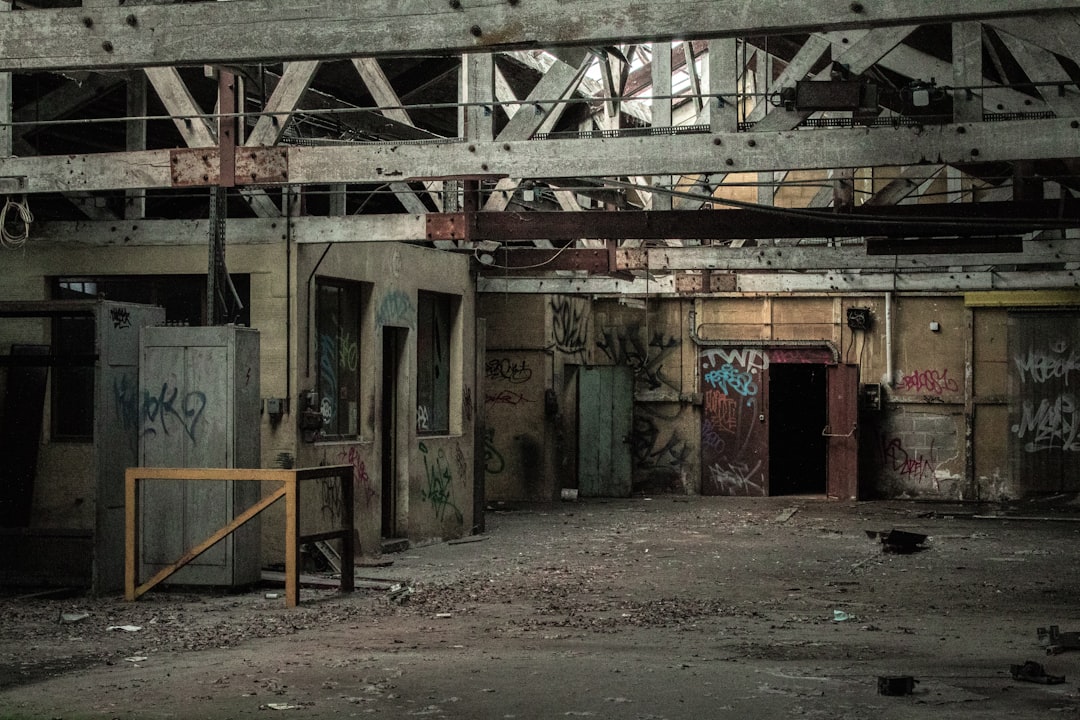
The interiors of Pyramiden’s buildings offer a haunting tableau. Apartments remain furnished, with personal belongings left behind, as if the residents intended to return. Schools still have books on desks, and the cultural palace’s stage is empty, awaiting an audience that will never come. These silent witnesses to a vanished community evoke a sense of poignant loss and the abruptness of their departure.
The Attraction for Explorers and Historians
Pyramiden has become a magnet for adventurers, photographers, and historians drawn by its unique atmosphere and historical significance. Guided tours now take visitors through the abandoned streets, offering a tangible connection to the past. The settlement serves as an open-air museum, a powerful educational tool that sparks curiosity about Soviet history and the human experience in isolated regions.
The Ecological Impact and Preservation Efforts
While the abandonment has left Pyramiden largely undisturbed, there are ongoing considerations regarding its ecological impact and the preservation of its structures. The harsh Arctic environment is slowly taking its toll, but the extreme cold has also acted as a remarkable preservative. Efforts are sometimes made to document and, where feasible, stabilize certain structures to ensure that Pyramiden continues to tell its story for generations to come.
The Enduring Enigma and its Lessons
The abandonment of Pyramiden is more than just the story of a defunct mining town; it is a microcosm of larger historical forces. It speaks to the ambitions and ideologies of the Soviet era, the economic realities that shaped its decline, and the resilience of communities in the face of profound change. Pyramiden’s silent streets and empty halls continue to whisper their tales, offering a potent reminder of the ephemeral nature of even the most ambitious human endeavors when faced with the inexorable forces of history and nature. The mystery isn’t in the act of leaving, but in the profound stillness that remains, a testament to a world that was, and a future that never arrived.
Why Did the Soviet Union Abandon This Arctic City?
FAQs
What is Pyramiden?
Pyramiden is a Russian settlement located on the archipelago of Svalbard in Norway. It was a mining town established by the Soviet Union in 1927.
Why was Pyramiden abandoned?
Pyramiden was abandoned in 1998 due to the collapse of the Soviet Union, which led to financial difficulties and a decline in coal mining operations. The town was no longer economically viable.
What was life like in Pyramiden when it was inhabited?
When Pyramiden was inhabited, it was a bustling mining town with amenities such as a school, hospital, cultural center, and sports facilities. The residents enjoyed a relatively high standard of living compared to other Soviet settlements.
Is Pyramiden open to visitors today?
Yes, Pyramiden is now a popular tourist destination in Svalbard. Visitors can take guided tours of the abandoned town, explore the empty buildings, and learn about its history.
What is the current state of Pyramiden’s infrastructure?
The infrastructure in Pyramiden is largely intact, with buildings, machinery, and personal belongings left behind when the town was abandoned. The harsh Arctic climate has preserved many of these structures, giving visitors a glimpse into the past.