The biting Arctic wind, a relentless sculptor of ice and snow, whispered through the skeletal remains of Pyramiden, a Soviet mining town frozen in time. Here, where the sun dipped below the horizon for months and the permafrost held secrets in its icy embrace, a once-thriving community now stood as a stark testament to a bygone era. The journey to this remote outpost, nestled on the Svalbard archipelago, was an expedition into the heart of a ghost town, a pilgrimage to a place where history had been abruptly put on pause.
The first glimpse of Pyramiden from the deck of the vessel was an arresting sight. Jagged mountains, their peaks dusted with perpetual snow, loomed over a cluster of stark, utilitarian buildings. The colors were muted – the gray of concrete, the rust of metal, the pervasive white of the Arctic landscape. Even from a distance, an eerie silence permeated the air, broken only by the cry of seabirds and the groan of ice. As the small Zodiac boat approached the shore, the scale of the abandonment began to reveal itself. Windows, like vacant eyes, stared out from the facades of buildings, some shattered, others coated in layers of frost. A solitary flagpole, its red Soviet star still defiantly visible, stood sentinel over the deserted harbor, a silent witness to the town’s abrupt departure.
Stepping onto Frozen Ground
The crunch of boots on the snow-covered quay was the first definitive sound that broke the silence. It felt sacrilegious, an intrusion into a place that had been left to the elements for decades. The air was crisp and impossibly clean, carrying the faint, metallic scent of the sea and the sharp tang of ice. The sheer desolation was palpable. There were no signs of recent human activity, no footprints other than those left by the few intrepid explorers who dared to venture to this forgotten corner of the world. The feeling was not one of sadness, but of profound stillness, as if the very atoms of the place were holding their breath, waiting for a time that would never return.
The Unveiling of the Landscape
The natural beauty of Pyramiden was undeniable, a raw and untamed magnificence that contrasted sharply with the artificiality of the man-made structures. The surrounding fjords, a deep, inky blue, were often dotted with icebergs, their colossal forms drifting like silent sentinels. The stark, treeless landscape, sculpted by wind and frost, possessed a rugged elegance. Yet, it was the juxtaposition of this powerful natural world with the decaying remnants of Soviet ambition that truly captivated the imagination. The relentless forces of nature were slowly, inexorably, reclaiming what had once been built with human hands.
The abandoned Soviet town in the Arctic, known for its eerie silence and haunting remnants of a once-thriving community, has sparked interest not only in its history but also in the mysteries surrounding lost technologies. This fascination is echoed in a related article that explores the enigma of ancient technologies and their potential connections to modern advancements. To delve deeper into this intriguing topic, you can read more in the article titled “The Mystery of Lost Ancient Technology” available at this link.
Echoes in the Hallways: Exploring the Abandoned Buildings
With the expedition leader’s cautionary words about structural integrity and safety echoing in their minds, the explorers ventured into the heart of the town, their flashlights cutting through the dim interiors. Each building was a time capsule, preserving a snapshot of life as it once was. The dust of decades lay thick on every surface, the only disturbance being the occasional drift of snow blown in through broken panes. The silence within was profound, amplifying the creaks and groans of the old structures, sounds that seemed to whisper stories of the past.
The Palaces of the People: Cultural Centers and Homes
The grandest of the buildings, the Palace of Culture, stood as a monument to Soviet aspirations for leisure and enlightenment. Its façade, though weathered, still hinted at its former grandeur, with large windows and decorative elements. Inside, the auditorium remained, its seats still arranged as if awaiting an audience. Faded posters, advertising theatrical performances and political rallies, clung to the walls, spectral echoes of a vibrant past. The gymnasium, with its dusty basketball hoop, evoked images of youthful energy and athletic pursuits.
The Personal Stories Held Within
Moving from public spaces to the residential blocks, the personal stories of the inhabitants became more apparent. Apartment doors stood ajar, revealing glimpses of frozen lives. A child’s toy lay abandoned on a floor, a poignant reminder of childhood innocence abruptly interrupted. Kitchens held the ghostly outlines of where stoves once stood, and bedrooms were stripped bare, save for the lingering scent of time. It was in these intimate spaces that the sheer humanity of the abandoned town truly resonated, transforming it from a mere collection of buildings into a repository of lost lives and faded dreams. The individual apartments, though largely emptied, still held a certain resonance, suggesting the routines, the joys, and the sorrows of the families who once called Pyramiden home. The presence of a worn photograph on a dusty shelf, or a child’s drawing tacked to a wall, could evoke a powerful emotional connection to those who had lived and worked here.
The Engine of Industry: Mines and Machinery
The reason for Pyramiden’s existence, its coal mines, lay on the outskirts of the town, their entrances gaping wounds in the frozen landscape. Though long sealed, the sheer scale of the mining operations was evident in the dilapidated processing plants and the rusted machinery that lay scattered across the industrial areas. These were the sinews of the town, the source of its livelihood and its eventual decline. The air here carried a different scent, a faint, mineral tang, a reminder of the earth’s bounty that had been extracted with such relentless effort.
The Legacy of the Black Gold
The coal that was once mined here powered industries and heated homes, a vital resource that sustained the Soviet Union’s Arctic ambitions. The workers who toiled in the depths of these mines were the backbone of Pyramiden, their lives inextricably linked to the black gold they extracted. The abandoned machinery, massive and imposing, spoke of a time of intense industrial activity, of human ingenuity and the relentless pursuit of progress. Yet, the silence that now surrounded these relics of industry served as a stark reminder of the eventual obsolescence of these endeavors, and the economic realities that ultimately led to Pyramiden’s demise. The sheer engineering marvels on display, even in their state of decay, offered a glimpse into the immense logistical and technological challenges of operating in such an extreme environment.
Ghosts of Governance: The Bureaucratic Heartbeat
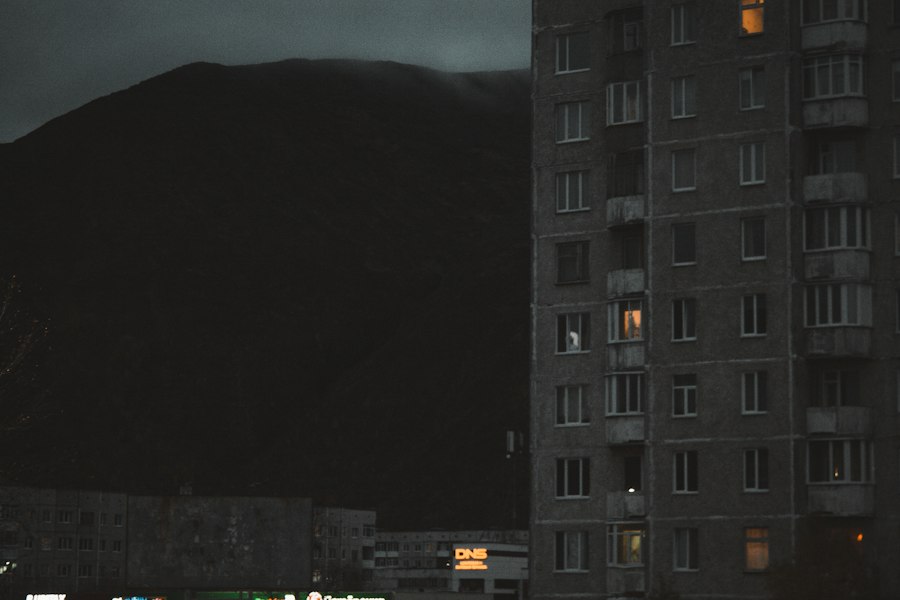
The administrative buildings of Pyramiden were the nerve center of the Soviet system, the places where decisions were made and directives were issued. The Party headquarters, the post office, and the administrative offices were all designed with a utilitarian efficiency that reflected the state’s control over every aspect of life. Here, the ideology of the Soviet Union was palpable, woven into the very fabric of the architecture and the remnants of its former inhabitants.
Symbols of Power and Ideology
Within these buildings, faded propaganda posters, extolling the virtues of communism and the strength of the Soviet Union, still adorned the walls. Portraits of Lenin and other Soviet leaders stared out from their frames, silent witnesses to the passage of time. The sheer volume of paperwork and official documents scattered across desks and filing cabinets hinted at the intricate bureaucracy that governed the lives of the town’s residents. These were not just offices; they were the physical manifestations of a powerful ideology, designed to instill order and conformity.
The Red Star’s Fading Glow
The omnipresent red star, a potent symbol of communism, appeared on flags, on buildings, and even on stationery. In Pyramiden, its presence was a constant reminder of the political system that shaped this isolated community. As the town faded into abandonment, so too did the power and relevance of these symbols. The red star, once a beacon of pride and power, now served as a melancholic emblem of a dissolved empire, its vibrant color muted by the relentless embrace of the Arctic elements. The stark contrasts between the idealized imagery on the posters and the stark reality of the abandoned town underscored the disconnect that had likely existed between the state’s grand pronouncements and the daily lives of its citizens.
The Unseen Inhabitants: Wildlife and the Arctic Embrace

While Pyramiden may be a ghost town to humans, it is far from empty. The Arctic wildlife, adapted to this harsh environment, has found a new sanctuary among the decaying structures. Reindeer, their coats blending seamlessly with the muted tones of the landscape, graze on the sparse vegetation that pushes through the permafrost. Arctic foxes, their curious eyes glinting, dart among the buildings, their agility a stark contrast to the stillness of the town.
A New Ecosystem Emerges
The buildings, once symbols of human dominance, now offer shelter and perching spots for various bird species. The silence of the town is punctuated by the calls of seabirds and the rustling of Arctic terns. The natural world, in its unyielding persistence, has begun to weave itself into the fabric of the abandoned settlement, creating a unique and unexpected ecosystem. The raw, untamed beauty of the Arctic is thus intrinsically linked to the human narrative of Pyramiden, demonstrating nature’s ability to adapt and thrive even in the face of human endeavors.
The Resilience of Life
The presence of wildlife serves as a powerful reminder of nature’s resilience. These creatures, unburdened by the ideologies and ambitions that once drove the human inhabitants, simply exist, adapting to their surroundings with remarkable grace. The abandoned town, stripped of its human purpose, has become a testament to the enduring power of life itself, a testament to the fact that even in the most desolate of places, nature finds a way. The stark contrast between the frozen, lifeless structures and the vibrant, active wildlife highlighted the cyclical nature of existence, where human endeavors rise and fall, but life, in its myriad forms, perseveres.
The abandoned Soviet town in the Arctic, known for its eerie landscapes and remnants of a once-thriving community, has drawn the attention of explorers and historians alike. This ghost town serves as a haunting reminder of the Soviet era and its impact on remote regions. For those interested in understanding the broader implications of state failure and its consequences, a related article discusses similar themes in different contexts. You can read more about it in this insightful piece on state failure and its consequences.
The Legacy of Pyramiden: A Frozen Chronicle
| Metric | Value | Notes |
|---|---|---|
| Name | Pyramiden | One of the most well-known abandoned Soviet towns in the Arctic |
| Location | Svalbard Archipelago, Norway | Arctic Ocean |
| Founded | 1910 | Originally a Swedish coal mining settlement |
| Acquired by USSR | 1927 | Renamed Pyramiden |
| Population Peak | 1,000 | During the 1960s and 1970s |
| Abandoned | 1998 | Due to economic decline and coal mine closure |
| Current Status | Tourist destination | Maintained as a ghost town with some guided tours |
| Climate | Polar tundra | Average temperature ranges from -20°C to 5°C |
| Infrastructure | Residential buildings, cultural center, school, hospital | Mostly abandoned but some buildings preserved |
As the expedition prepared to depart, leaving Pyramiden to its silent vigil, a sense of profound reflection settled upon the explorers. This abandoned Soviet town in the Arctic is more than just a collection of decaying buildings; it is a tangible artifact of history, a stark reminder of the rise and fall of ideologies, and a testament to the enduring power of nature. The stories held within its frozen walls offer a unique perspective on a complex past, a past that, much like the permafrost itself, is still slowly thawing, revealing its secrets to those willing to venture into the silence.
Lessons from the Frozen North
Pyramiden serves as a potent symbol of the impermanence of human endeavors, especially those driven by grand, ideological ambitions. It is a reminder that even the most ambitious plans can be ultimately overwhelmed by economic realities, shifting political landscapes, and the relentless forces of nature. The town’s abandonment is a silent lesson in the fragility of progress and the importance of sustainability.
Preserving the Past for the Future
The preservation of Pyramiden, as it is, is crucial. It stands as an invaluable historical site, offering a unique opportunity to study the Soviet era in a way that written accounts alone cannot fully convey. Future generations can learn from the tangible remnants of this abandoned town, gaining a deeper understanding of the human stories and the historical forces that shaped this remote Arctic outpost. The very act of venturing into and documenting such places is a form of preservation, ensuring that the echoes of Pyramiden are not entirely lost to the silent, unforgiving expanse of the Arctic. The town stands as a monument to a specific historical period, a period characterized by both immense ambition and profound limitations, and its continued existence, however silent, serves as a vital educational resource.
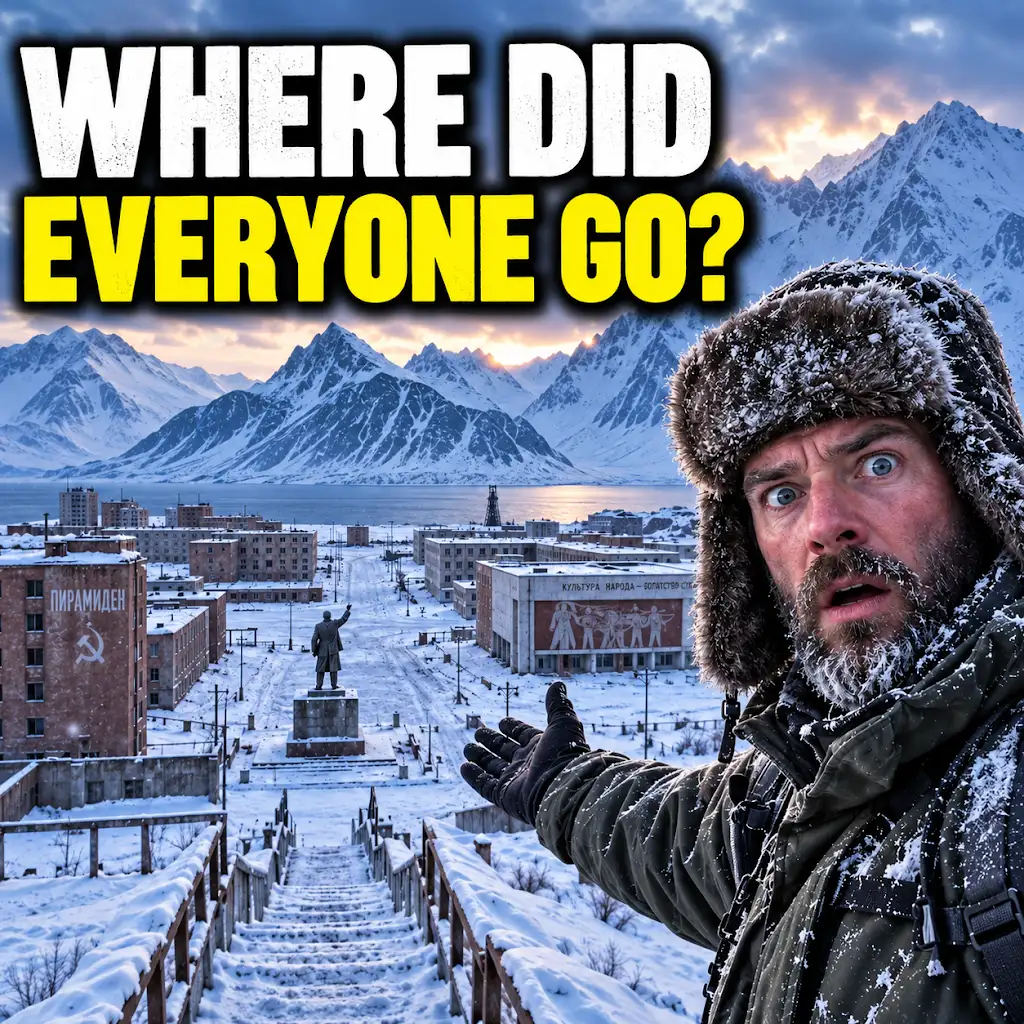
Why Did the Soviet Union Abandon This Arctic City?
FAQs
What is the abandoned Soviet town in the Arctic?
The abandoned Soviet town in the Arctic is a former settlement that was established during the Soviet era but has since been deserted and left uninhabited.
Where is the abandoned Soviet town located?
The abandoned Soviet town is located in the Arctic region, specifically in a remote area within the Arctic Circle.
Why was the Soviet town abandoned?
The Soviet town was likely abandoned due to a combination of factors such as economic decline, environmental challenges, and changes in government policies.
What is the current state of the abandoned Soviet town?
The abandoned Soviet town remains largely untouched since its abandonment, with buildings, infrastructure, and other remnants of the settlement still standing in the Arctic wilderness.
Is the abandoned Soviet town accessible to visitors?
Access to the abandoned Soviet town in the Arctic may be restricted due to its remote location and harsh environmental conditions. Visitors may require special permits or arrangements to visit the site.