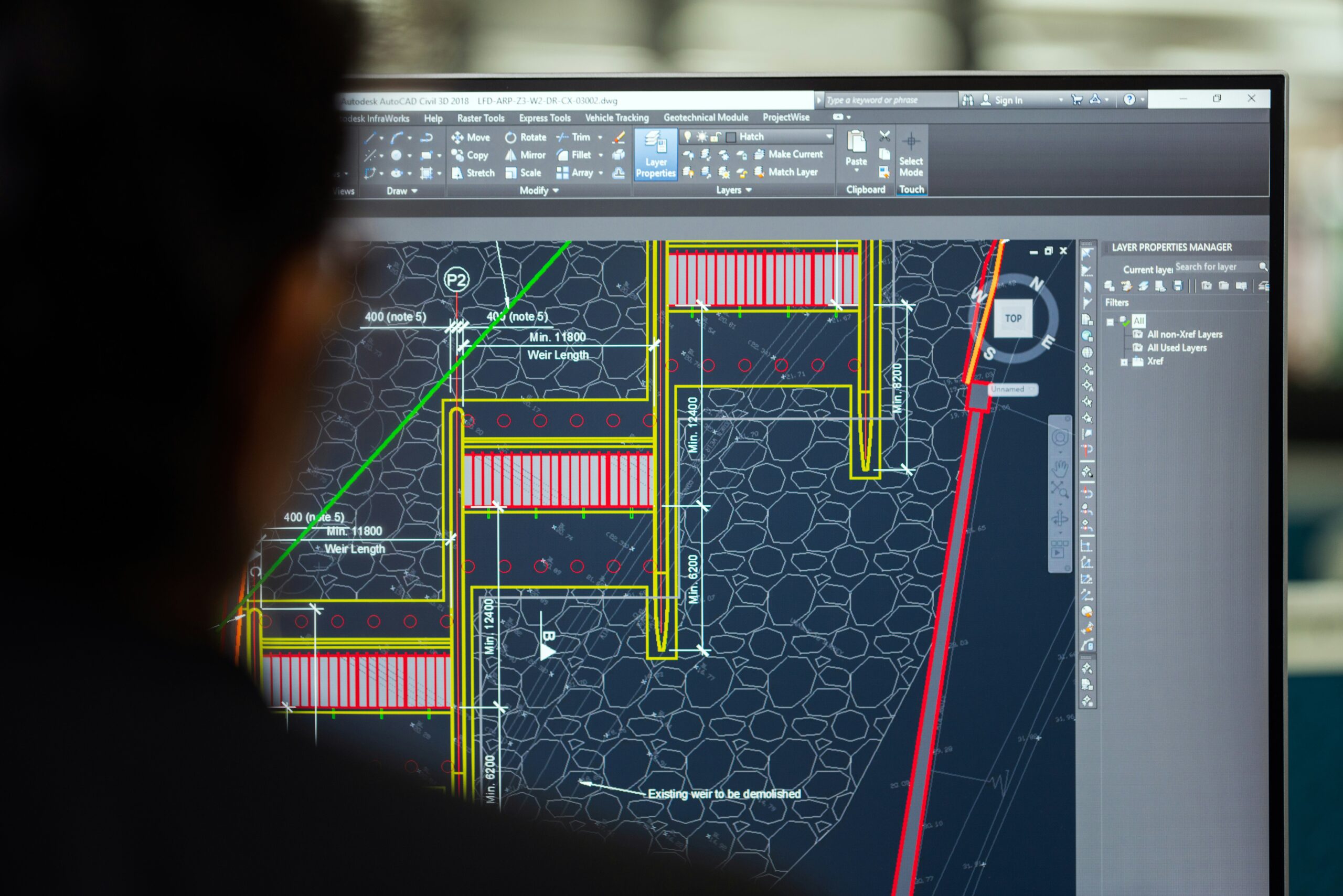
Engineering, in its boundless ingenuity, has sculpted the very contours of our world, transforming raw landscapes into vibrant, functional, and awe-inspiring urban environments. From the foundational infrastructure that supports daily life to the monumental structures that define our skylines, engineering’s hand is evident everywhere, a testament to human ambition and problem-solving. The story of human civilization is intrinsically linked to the story of engineering, a continuous narrative of innovation that has shaped not only our cities but also the broader natural and built environments in which we exist. This profound influence extends beyond mere construction; it encompasses the complex systems that manage resources, facilitate movement, and foster economic growth, fundamentally altering the relationship between humanity and its surroundings.
The pulsating heart of any thriving city lies within its meticulously engineered infrastructure. These are the unseen arteries and veins that sustain urban life, ensuring the seamless flow of essential resources and services. Without this foundational network, the vibrant tapestry of urban existence would unravel, rendering modern city living impossible. Infrastructure engineering is the silent architect of our daily routines, working tirelessly behind the scenes to provide the very elements that allow us to connect, commute, and consume.
Water and Wastewater Management: The Lifeblood of Cities
The provision of clean, potable water and the efficient removal of wastewater are paramount to public health and urban sustainability. Engineers design and manage intricate systems of reservoirs, dams, pipelines, treatment plants, and distribution networks. The complexity of these systems is staggering, involving hydrodynamics, material science, and sophisticated control systems to ensure a constant and safe supply for millions.
Ensuring Potable Water: From Source to Tap
The journey of water from its natural source to the consumer’s tap is a marvel of engineering. It begins with the identification and protection of water sources, often involving the construction of dams and reservoirs to store and regulate supply. Filtration and purification processes, employing a range of physical, chemical, and biological treatments, are crucial to remove contaminants and pathogens, ensuring the water is safe for consumption. Distribution networks, a labyrinth of pipes, pumps, and valves, then transport this treated water to every corner of the city, a feat of logistics and civil engineering.
The Challenge of Wastewater Treatment
Equally vital is the effective management of wastewater. Engineers design and operate sophisticated treatment plants that remove pollutants and pathogens before returning treated water to the environment, thereby protecting ecosystems and public health. This involves a multi-stage process, including preliminary treatment to remove solids, primary treatment to settle organic matter, secondary treatment using biological processes to break down dissolved organic pollutants, and tertiary treatment for advanced purification, such as nutrient removal or disinfection. The design of sewage collection systems, a network of underground pipes, also presents significant engineering challenges, requiring careful consideration of gradients, flow rates, and material durability.
Transportation Networks: Connecting Communities
The ability of a city to function hinges on its ability to move people and goods efficiently. Transportation engineering is responsible for the design, construction, and maintenance of roads, bridges, tunnels, railways, and airports, forming the circulatory system of urban mobility. These networks not only facilitate commerce and daily commutes but also connect communities and shape urban development patterns.
Roads and Bridges: Paving the Way for Progress
The ubiquitous presence of roads and bridges belies the immense engineering expertise required for their creation. From the intricate calculations of structural integrity for towering suspension bridges to the precise grading and paving of highways, civil engineers ensure safe and efficient travel. The selection of materials, the analysis of soil mechanics, and the understanding of traffic flow dynamics are all critical components of this discipline. Furthermore, the integration of smart technologies, such as intelligent traffic management systems, is increasingly enhancing the performance and safety of these networks.
The Evolution of Public Transit: Rail and Beyond
Public transportation systems, particularly railways and subways, are the backbone of sustainable urban mobility. Engineers design and maintain these complex networks, considering factors such as track alignment, station design, rolling stock engineering, and signaling systems. The development of high-speed rail and advanced light rail systems represents ongoing innovation, aiming to reduce travel times, decrease congestion, and minimize environmental impact. The integration of these systems with other modes of transport, such as buses and cycling infrastructure, creates a holistic and efficient urban mobility ecosystem.
Energy and Utilities: Powering Modern Life
The modern city is a voracious consumer of energy, and its reliable supply is a non-negotiable necessity. Electrical engineers, in collaboration with civil and mechanical engineers, design and manage the complex infrastructure for power generation, transmission, and distribution. This includes power plants, substations, and the vast network of electrical grids that energize our homes, businesses, and industries.
The Grid: Delivering Electricity Safely and Efficiently
The electrical grid, a vast and interconnected system, is a testament to the power of distributed engineering. Engineers design systems that can reliably transmit electricity over long distances with minimal loss, while also ensuring safety and stability. This involves the design of high-voltage transmission lines, the construction of substations to step down voltages for local distribution, and the implementation of sophisticated control systems to manage load fluctuations and prevent outages. The increasing integration of renewable energy sources, such as solar and wind power, presents new challenges and opportunities for grid modernization and smart grid technologies.
Telecommunications: The Invisible Threads of Connectivity
In an increasingly digital world, telecommunications infrastructure is as vital as traditional utilities. Electrical and telecommunications engineers design and maintain the networks of fiber optic cables, cellular towers, and satellite systems that enable instant global communication. This invisible web of connectivity underpins everything from our personal interactions to the functioning of global economies. The rapid advancement of technologies like 5G and the ongoing development of satellite internet are continuously pushing the boundaries of what is possible in terms of speed, bandwidth, and accessibility.
Human engineering has dramatically reshaped landscapes across the globe, turning once-untouched areas into thriving urban centers and agricultural hubs. An insightful article that delves into the intricate relationship between human intervention and the natural world is available at this link: Navigating the Unknown: Mapping the World Before Discovery. This piece explores how early mapping and exploration laid the groundwork for the extensive modifications we see today, highlighting the profound impact of human ingenuity on our environment.
Shaping the Horizon: Architectural and Structural Engineering
Beyond the essential utilities, engineering plays a pivotal role in creating the iconic structures that define our urban landscapes. Architectural and structural engineering collaborate to translate abstract designs into tangible realities, ensuring both aesthetic appeal and unwavering stability. These disciplines are responsible for the soaring skyscrapers, the elegant bridges, and the intricate stadiums that punctuate our skylines and serve as symbols of human achievement.
The Art and Science of Tall Buildings: Skyscraper Design
The design of skyscrapers is a pinnacle of structural engineering prowess. Engineers must consider immense vertical loads, lateral forces from wind and earthquakes, and the complex interplay of materials like steel and concrete. The development of innovative structural systems, such as exoskeletons and tuned mass dampers, has enabled the construction of ever-taller and more resilient buildings, transforming urban vistas into breathtaking spectacles.
Load Calculations and Material Science: The Foundation of Stability
At the core of skyscraper design lies meticulous load calculation and a deep understanding of material science. Engineers analyze the cumulative weight of the building’s components, its occupants, and the environmental forces it will encounter. This data informs the selection and utilization of high-strength materials, such as specialized concrete and advanced steel alloys, to ensure the structure can withstand these forces. The behavior of these materials under stress, their durability, and their resistance to environmental factors are all critical considerations.
Wind Engineering and Seismic Design: Resisting Nature’s Fury
The forces exerted by wind and earthquakes pose significant challenges to tall buildings. Wind engineering involves sophisticated computational fluid dynamics (CFD) analysis to predict wind pressures and aerodynamic effects, leading to the design of aerodynamic shapes and wind-resistant features. Seismic design focuses on creating structures that can absorb and dissipate seismic energy, preventing catastrophic collapse during earthquakes. This often involves the use of base isolation systems, damping devices, and flexible structural elements.
Iconic Bridges: Spanning the Divide
Bridges are not merely functional connectors; they are often celebrated works of art and engineering. From suspension bridges with their graceful cables to the robust arches of stone bridges, engineers employ diverse techniques to overcome geographical barriers and create iconic landmarks. The structural integrity, aesthetic harmony, and lifespan of these structures are all testaments to the skill and innovation of bridge engineers.
Suspension and Cable-Stayed Bridges: Elegance and Efficiency
Suspension and cable-stayed bridges are marvels of tensile strength and elegant design. Engineers carefully calculate the forces distributed through the main cables, the towers, and the deck to create structures that are both aesthetically pleasing and remarkably strong. The precise tensioning of cables, the design of aerodynamic decks to minimize wind-induced oscillations, and the selection of durable materials are all crucial aspects of their construction.
Arch Bridges and Beam Bridges: Traditional Strength and Modern Solutions
Arch bridges, with their inherent compressive strength, have been a staple of civil engineering for centuries. Modern variations often employ advanced materials and construction techniques to achieve greater spans and load capacities. Beam bridges, while seemingly simpler, require sophisticated analysis to ensure adequate support and prevent excessive deflection, especially for longer spans. The evolution of materials and construction methods has allowed for increasingly innovative and efficient designs across all bridge typologies.
Greening Our Metropolises: Sustainable Engineering and Environmental Design

As the world grapples with climate change and resource depletion, engineering is at the forefront of developing sustainable solutions for our urban environments. Sustainable engineering and environmental design focus on minimizing the ecological footprint of cities, promoting resource efficiency, and fostering a harmonious relationship between human activity and the natural world.
Green Buildings: Minimizing Environmental Impact
The concept of green buildings has revolutionized the construction industry, emphasizing energy efficiency, water conservation, and the use of sustainable materials. Engineers design structures that reduce their reliance on fossil fuels, incorporate renewable energy sources, and minimize waste throughout their lifecycle. This holistic approach to building design contributes to healthier living environments and a reduced impact on the planet.
Energy Efficiency and Renewable Integration
A cornerstone of green building design is maximizing energy efficiency. This involves meticulous insulation, high-performance windows, natural ventilation strategies, and the use of energy-efficient appliances and lighting systems. Furthermore, the integration of renewable energy sources, such as rooftop solar panels and geothermal heating and cooling systems, significantly reduces a building’s carbon footprint and its dependence on the traditional grid.
Water Conservation and Waste Management in Buildings
Water conservation is another critical aspect of sustainable building. This includes the use of low-flow fixtures, rainwater harvesting systems for irrigation and non-potable uses, and greywater recycling systems. Effective waste management strategies, such as on-site composting and the use of recycled building materials, also contribute to the overall sustainability of a building, minimizing landfill waste and promoting a circular economy.
Urban Planning and Smart Cities: Integrated Solutions
Sustainable engineering extends beyond individual buildings to encompass the broader urban fabric. Urban planning and smart city initiatives leverage technology and data to create more efficient, livable, and environmentally responsible cities. This involves optimizing transportation, managing resources effectively, and enhancing the quality of life for residents.
Intelligent Transportation Systems (ITS) and Traffic Management
Intelligent Transportation Systems (ITS) utilize sensors, communication networks, and data analytics to optimize traffic flow, reduce congestion, and improve safety. This includes adaptive traffic signals that respond to real-time traffic conditions, real-time traveler information systems, and integrated public transport platforms. The goal is to create a seamless and efficient mobility network that minimizes travel times and reduces the environmental impact of transportation.
Smart Grids and Resource Optimization
Smart grids represent a modernization of traditional electrical grids, enabling two-way communication between utilities and consumers. This allows for better management of energy demand, integration of distributed renewable energy sources, and improved grid reliability. Similarly, smart water management systems utilize sensors and data analytics to detect leaks, optimize water distribution, and promote water conservation. These integrated solutions are crucial for the efficient and sustainable management of urban resources.
Engineering the Earth: Geotechnical and Environmental Solutions

The very ground beneath our feet presents a unique set of engineering challenges and opportunities. Geotechnical engineering delves into the properties of soil and rock, enabling the safe construction of foundations, tunnels, and earthworks. Environmental engineering, on the other hand, focuses on mitigating the impact of human activities on the environment, developing solutions for pollution control, waste management, and ecosystem restoration.
Foundations and Earthworks: Building on Solid Ground
The stability and safety of any structure depend on the integrity of its foundation. Geotechnical engineers analyze soil conditions, assess potential risks, and design appropriate foundation systems, from shallow footings to deep piles, ensuring that buildings and infrastructure are securely anchored. Earthworks, such as the construction of dams, levees, and embankments, also rely heavily on geotechnical principles to ensure stability and prevent erosion.
Soil Mechanics and Site Investigation
Understanding the behavior of soil and rock is fundamental to geotechnical engineering. This involves rigorous site investigations, including drilling boreholes, conducting laboratory tests on soil samples, and using geophysical methods to assess subsurface conditions. Soil mechanics principles are then applied to predict how the ground will behave under various loads and environmental conditions, informing the design of stable foundations and earthworks.
Tunneling and Underground Construction
The construction of tunnels and underground structures, such as subways and utility conduits, presents unique geotechnical challenges. Engineers must contend with varying ground conditions, groundwater pressures, and the potential for ground settlement. Advanced tunneling techniques, including the use of tunnel boring machines (TBMs) and sophisticated excavation support systems, are employed to ensure the safe and efficient completion of these complex projects.
Environmental Remediation and Pollution Control
Environmental engineering is dedicated to protecting and restoring our natural world. This includes developing technologies and strategies for cleaning up contaminated sites, managing hazardous waste, and controlling air and water pollution. The goal is to minimize the negative impacts of industrial and urban activities and to promote ecological balance.
Hazardous Waste Management and Site Cleanup
The responsible management of hazardous waste is a critical environmental imperative. Environmental engineers design and implement systems for the safe collection, treatment, and disposal of hazardous materials, minimizing the risk of contamination. They also develop strategies for the remediation of polluted sites, employing techniques such as soil excavation and treatment, groundwater pump-and-treat systems, and bioremediation to restore degraded land to a safe and usable condition.
Air and Water Quality Management
Ensuring clean air and water is essential for public health and ecosystem integrity. Environmental engineers design and operate air pollution control devices for industrial emissions, develop strategies for reducing vehicle emissions, and implement water treatment technologies to remove pollutants from rivers, lakes, and oceans. This includes the design of wastewater treatment plants, storm water management systems, and the monitoring of air and water quality to ensure compliance with environmental regulations.
Human engineering has dramatically reshaped our environment, creating remarkable places that showcase the ingenuity of civilization. From the intricate canals of Venice to the towering skyscrapers of modern cities, these transformations highlight our ability to adapt and innovate. For those intrigued by the mysteries of human history and the artifacts that accompany these transformations, a fascinating article can be found here, exploring the unexplained ancient artifacts that continue to baffle researchers and historians alike. These sites not only serve as a testament to our engineering prowess but also invite us to ponder the stories and secrets of the past.
The Future is Engineered: Innovation and Tomorrow’s Landscapes
| Place | Type of Engineering | Purpose | Area Covered | Year Completed | Notable Features |
|---|---|---|---|---|---|
| Panama Canal | Hydraulic and Civil Engineering | Connect Atlantic and Pacific Oceans | 82 km (51 miles) | 1914 | Locks system, artificial lakes |
| Three Gorges Dam, China | Hydroelectric Engineering | Flood control, power generation | 1,084 km² reservoir | 2012 | World’s largest power station by capacity |
| Dubai Palm Islands | Land Reclamation and Marine Engineering | Residential and tourism development | Over 5,600 hectares | 2006 (Palm Jumeirah) | Artificial archipelago, unique palm tree shape |
| Hoover Dam, USA | Concrete Arch-Gravity Dam Engineering | Hydroelectric power, water storage | Dam height: 221 m | 1936 | Creates Lake Mead reservoir |
| Netherlands Delta Works | Coastal and Hydraulic Engineering | Flood protection | Over 1,000 km of dams and barriers | 1997 | Series of dams, sluices, locks, dikes |
The relentless march of engineering innovation continues to shape our future, promising even more transformative changes to our cities and landscapes. Emerging technologies, from advanced materials and artificial intelligence to robotics and space exploration, are opening up new frontiers for engineering endeavors, pushing the boundaries of what we can achieve and redefining our relationship with the built and natural world.
Advanced Materials and Construction Techniques
The development of new materials, such as self-healing concrete, advanced composites, and bio-inspired materials, is revolutionizing construction. These materials offer enhanced strength, durability, sustainability, and novel functionalities, enabling the creation of structures that were previously unimaginable. Coupled with advanced construction techniques, including 3D printing and robotic assembly, these innovations are poised to accelerate construction, reduce waste, and create more resilient and adaptable urban environments.
Robotics and Automation in Construction
The integration of robotics and automation into the construction industry is transforming how projects are planned and executed. Drones are used for site surveying and monitoring, autonomous vehicles are employed for material handling, and robotic arms are undertaking complex assembly tasks. This not only enhances efficiency and safety but also opens up possibilities for construction in hazardous environments and for the creation of highly intricate and precise structures.
Engineering for a Changing Climate: Resilience and Adaptation
As the impacts of climate change become increasingly evident, engineering plays a crucial role in building resilience and adapting our infrastructure. This includes designing coastal defenses against rising sea levels, developing more robust flood control systems, and creating energy-efficient buildings and cities that can withstand extreme weather events. Engineering solutions are vital for ensuring the long-term sustainability and habitability of our planet in the face of evolving environmental challenges.
In conclusion, engineering is not merely a discipline; it is a fundamental force that has shaped and continues to shape the very fabric of our existence. From the unseen infrastructure that sustains our daily lives to the iconic structures that define our skylines, the impact of engineering is profound and far-reaching. As we look towards the future, the continued innovation and application of engineering principles will be paramount in addressing the complex challenges facing our world, forging a path towards more sustainable, resilient, and inspiring urban and natural landscapes for generations to come.

A Dam Brought the Aral Sea Back—But Only Part of It
FAQs
What is human engineering?
Human engineering refers to the application of scientific and engineering principles to improve the interaction between humans and their environment. It involves designing and creating systems, products, and environments that are safe, efficient, and comfortable for human use.
How have places been transformed by human engineering?
Places have been transformed by human engineering through various means such as building infrastructure like roads, bridges, and buildings, creating artificial landscapes like parks and gardens, and implementing technologies for transportation, communication, and energy production.
What are some examples of places transformed by human engineering?
Examples of places transformed by human engineering include cities like Dubai with its artificial islands and skyscrapers, the Panama Canal which connects the Atlantic and Pacific Oceans, and the Great Wall of China which was built for defense purposes.
What are the benefits of human engineering in transforming places?
The benefits of human engineering in transforming places include improved accessibility and connectivity, enhanced safety and security, increased efficiency and productivity, and the creation of aesthetically pleasing environments that enhance quality of life for residents and visitors.
What are some challenges associated with human engineering in transforming places?
Challenges associated with human engineering in transforming places include environmental impact, cost considerations, social implications such as displacement of communities, and the need to balance development with preservation of natural resources and cultural heritage.