The planet’s aquatic arteries are thinning, its shimmering surfaces receding, leaving behind cracked earth and haunting echoes of what once was. This stark reality is the subject of “Vanishing Lakes: A World’s Disappearing Documentary,” a compelling cinematic exploration that plumbs the depths of a global crisis, revealing the intricate web of factors contributing to the decline of freshwater bodies and the profound consequences for ecosystems and human populations alike. The documentary doesn’t just present a series of environmental tragedies; it weaves a narrative of interconnectedness, of human impact, and the urgent need for collective action.
“Vanishing Lakes” opens with a series of sweeping aerial shots, each frame a testament to the sheer beauty and abundance of the world’s freshwater. Vast, cerulean expanses shimmer under the sun, teeming with life, vital arteries sustaining myriad ecosystems. Yet, as the documentary progresses, this initial awe gives way to a growing disquiet. The camera pans across landscapes that were once vibrant aquatic hubs, now starkly barren. The iconic Aral Sea, a once-mighty inland body of water, is presented as a poignant emblem of this desiccation, its former shorelines now monuments to ecological devastation, littered with the skeletal remains of ships stranded on a parched sea bed.
A Mosaic of Despair: Case Studies from Around the Globe
The documentary meticulously curates a collection of case studies, each representing a distinct geographical region and a unique set of contributing factors. From the shrinking Great Salt Lake in North America to the desiccated Lake Chad in Africa, the film paints a global picture of a shared vulnerability. The filmmakers delve into the specific histories of these lakes, tracing the historical reliance of surrounding communities on their waters for agriculture, industry, and sustenance. The contrast between archival footage showcasing bountiful waters and contemporary shots of arid desolation is stark and deeply unsettling.
The Aral Sea: A Monument to Mismanagement
The story of the Aral Sea is perhaps the most potent and heart-wrenching segment of the documentary. Once the fourth-largest lake in the world, its dramatic shrinkage, primarily attributed to the diversion of its feeder rivers for cotton irrigation during the Soviet era, serves as a chilling cautionary tale. The film interviews former fishermen, their voices etched with the sorrow of lost livelihoods and the dust of a former sea. The ecological fallout is palpable: the salinization of the remaining water, the desertification of surrounding lands, and the severe respiratory illnesses plaguing local populations due to toxic dust storms.
Lake Chad: A Crisis on the Frontlines of Climate Change
In Africa, Lake Chad’s plight is presented as a grim indicator of the frontlines of climate change and human pressure. The documentary highlights how a combination of increased demand for water from a rapidly growing population and the vagaries of a changing climate have reduced this once-gigantic lake to a fraction of its former size. The film vividly portrays the impact on the millions of people who depend on the lake for fishing, agriculture, and pastoralism, pushing communities into cycles of displacement and conflict. The barren, cracked earth where water once flowed freely is a stark visual representation of their struggle.
The Great Salt Lake: A Delicate Balancing Act Undone
The documentary also turns its lens to North America, focusing on the diminishing Great Salt Lake in Utah. While often perceived as a saline curiosity, the Great Salt Lake plays a crucial role in the regional ecosystem and the livelihoods of those who depend on its mineral extraction and tourism. The film explains how reduced inflows from rivers, coupled with increased evaporation due to rising temperatures, have led to a precipitous drop in water levels. The increase in salinity poses a threat to the brine shrimp and brine flies, the base of the lake’s food web, with ripple effects on migratory birds and the regional economy.
In the wake of the alarming trends highlighted in the documentary about the world’s disappearing lakes, it’s essential to explore related topics that delve into environmental changes and their historical context. One such article, which examines the intersection of ancient technology and environmental sustainability, can provide valuable insights into how past civilizations adapted to their changing landscapes. For a deeper understanding, you can read more in this article about ancient tech and its relevance today: Uncovering Ancient Tech: The Lore and Order.
The Thirsty Earth: Unpacking the Drivers of Decline
“Vanishing Lakes” doesn’t shy away from dissecting the multifaceted causes behind the disappearance of these vital water bodies. It moves beyond simplistic explanations, illustrating how a complex interplay of human activities and environmental shifts converge to create these ecological crises. The film meticulously unpacks the intricate hydrological systems and the delicate balance that sustains them.
Agricultural Demands: The Unquenchable Thirst of Modern Farming
A significant portion of the documentary is dedicated to the insatiable appetite of modern agriculture for water. The film showcases vast irrigation systems, often drawing water from the very rivers and aquifers that feed the lakes. It highlights the inefficiencies inherent in many irrigation techniques, leading to substantial water loss through evaporation and runoff. The pursuit of monocultures and cash crops, often water-intensive, is presented as a major contributor to the strain on freshwater resources.
The Ghost of Irrigated Fields: Water Diversion and its Consequences
The filmmakers interview farmers who, while often caught in a cycle of economic pressure, acknowledge the strain their water usage places on downstream ecosystems. The documentary explores the concept of “virtual water” – the water embedded in agricultural products – and how global demand for certain crops can exert immense pressure on distant water sources. The visual juxtaposition of lush, irrigated fields with the receding shores of lakes provides a potent commentary on the trade-offs involved.
Climate Change: A Warming Planet, a Shrinking Reservoir
The undeniable impact of climate change is a recurring theme throughout “Vanishing Lakes.” The documentary presents scientific evidence illustrating how rising global temperatures are exacerbating evaporation rates from lakes, accelerating melt from glaciers that feed many freshwater systems, and altering precipitation patterns. The film interviews climatologists who explain the intricate feedback loops at play, where warming leads to less snowpack, reduced river flows, and consequently, smaller lakes.
The Evaporative Cycle: Heat’s Silent Consumption
The film uses time-lapse photography and scientific visualizations to illustrate the sheer volume of water lost to evaporation. It emphasizes that even in regions with seemingly abundant rainfall, the increased heat can lead to a net loss of water from surface bodies. This phenomenon is particularly pronounced in arid and semi-arid regions, where lakes are already more vulnerable to fluctuations in water availability.
Shifting Rain Patterns: The Unpredictability of Nature
The documentary also explores how climate change is disrupting historical rainfall patterns. Some regions are experiencing prolonged droughts, while others face more intense but less frequent rainfall events. This unpredictability makes it difficult for both natural ecosystems and human communities to adapt, further stressing already depleted water sources. The film highlights how traditional water management practices, often based on predictable seasonal cycles, are becoming increasingly obsolete.
Urbanization and Industrialization: The Dual Pressures
The film also examines the impact of burgeoning urban centers and industrial activities on freshwater bodies. Increased demand for water for domestic use, sanitation, and industrial processes places an immense strain on available resources. Furthermore, the documentary addresses the issue of pollution, with untreated wastewater and industrial discharge contaminating lakes, rendering them unusable and further diminishing their ecological value.
The Concrete Jungle’s Thirst: Water Consumption in Cities
“Vanishing Lakes” explores the water footprint of rapidly growing cities, showcasing the vast infrastructure required to supply their needs. The film interviews urban planners and water resource managers who grapple with the challenge of meeting ever-increasing demand while simultaneously trying to conserve dwindling supplies. The expansion of urban areas often encroaches on natural water catchments, further exacerbating the problem.
The Poisoned Well: Pollution’s Devastating Impact
The documentary doesn’t just focus on the volume of water but also its quality. It provides stark examples of lakes choked with algae blooms, caused by nutrient runoff from agricultural and urban areas, and lakes contaminated with industrial chemicals and heavy metals. These polluted waters become toxic environments, incapable of supporting life and posing serious health risks to nearby communities. The film interviews environmental scientists who explain the long-term consequences of such pollution, often taking decades to remediate.
The Ripple Effect: Ecological and Social Ramifications

The disappearance of lakes is not merely an aesthetic loss; it triggers a cascade of detrimental effects on both the natural world and human societies. “Vanishing Lakes” masterfully illustrates these interconnected consequences, demonstrating that the fate of these aquatic bodies is inextricably linked to our own.
The documentary on the world’s disappearing lakes sheds light on the alarming environmental changes affecting our planet’s water bodies, which are crucial for sustaining ecosystems and human life. In a related exploration of how ancient civilizations adapted to their environments, an article discusses the advanced technologies they developed to manage water resources effectively. This connection between past and present highlights the importance of innovation in addressing contemporary challenges. For more insights on this topic, you can read about it in this fascinating article.
Ecosystem Collapse: The Unraveling of Nature’s Fabric
The documentary powerfully portrays the ecological devastation that accompanies the shrinking of lakes. The loss of habitat for countless species of fish, amphibians, birds, and invertebrates leads to a decline in biodiversity. The film features interviews with ecologists who explain how the entire food web is disrupted, with cascading effects that can lead to the extinction of entire populations. The arid landscapes that replace vibrant aquatic ecosystems become desolate, offering little in the way of sustenance or shelter for wildlife.
The Disappearing Habitats: A Home Lost to the Dryness
The film uses striking visuals of birds struggling to find water, of fish stranded on muddy banks, and of once-thriving wetlands reduced to dust bowls. It highlights the specific vulnerabilities of species that are adapted to specific aquatic environments, emphasizing that their survival is directly threatened by the diminishing water. The importance of lakes as migratory stopover points for birds is also underscored, with their disappearance leading to increased mortality and reduced breeding success.
The Chain Reaction: From Plankton to Predators
The documentary delves into the intricacies of aquatic food webs, explaining how the decline of microscopic organisms like plankton, which form the base of many lake ecosystems, can have devastating consequences for larger animals. The loss of insect populations that rely on the water for their life cycles also has far-reaching implications for terrestrial ecosystems that depend on them for pollination and as a food source.
Human Displacement and Conflict: The Scarcity of Survival
The social and economic consequences of vanishing lakes are equally profound. The film highlights how entire communities, historically reliant on these water bodies for their livelihoods, are forced to migrate. This displacement often leads to increased competition for scarce resources, fueling social unrest and even conflict. The documentary interviews individuals who have lost their homes, their farms, and their cultural heritage due to the drying up of their ancestral waters.
The Exodus from Dry Lands: A Search for Water and Hope
The film paints a vivid picture of the human toll of water scarcity. It shows the challenges faced by refugees from drought-stricken regions, often facing hostility and further hardship in unfamiliar lands. The loss of traditional ways of life, tied to the rhythms of the lakes, is a deeply poignant aspect of these narratives. The documentary underscores the fact that the fight for water can become a fight for survival.
The Seeds of Strife: Resource Competition and Tensions
“Vanishing Lakes” explores how the dwindling availability of water can exacerbate existing tensions between communities and even between nations that share water resources. The documentary presents examples of disputes over river water allocation and the potential for conflict as water becomes an increasingly precious commodity. The film argues that sustainable water management is not just an environmental imperative but a crucial component of global peace and stability.
The Architects of Change: Solutions and the Path Forward
While “Vanishing Lakes” unflinchingly portrays the gravity of the crisis, it also offers a glimmer of hope by highlighting the innovative solutions and the dedicated individuals working to reverse the trend. The documentary shifts from a tone of despair to one of proactive engagement, showcasing what is being done and what more needs to be done.
Restoring the Flow: Innovative Approaches to Water Management
The film explores a range of solutions, from technological innovations to community-based initiatives. It showcases successful examples of water conservation in agriculture, such as the adoption of drip irrigation and drought-resistant crops. The documentary also highlights the importance of watershed management, emphasizing the need to protect the natural landscapes that replenish lakes and rivers.
The Smart Water Grid: Technology’s Role in Conservation
“Vanishing Lakes” introduces viewers to cutting-edge technologies aimed at optimizing water use. This includes smart irrigation systems that monitor soil moisture and deliver water precisely where and when it’s needed, as well as advanced water recycling and desalination technologies. The film explores how these innovations, when implemented effectively, can significantly reduce the demand on freshwater sources.
Reconnecting with Nature: The Power of Ecosystem Restoration
The documentary emphasizes the vital role of natural ecosystems in maintaining water cycles. It showcases projects focused on reforestation, wetland restoration, and the protection of natural springs and aquifers. These initiatives aim to rebuild the natural infrastructure that sustains freshwater bodies, demonstrating that ecological restoration can be a powerful tool for water security.
Policy and Governance: The Imperative for Collective Action
Beyond technological solutions, “Vanishing Lakes” underscores the critical need for effective policies and strong governance to address the vanishing lake crisis. The film argues that international cooperation, robust environmental regulations, and sustainable development strategies are essential for long-term water security. It calls for a shift in priorities, recognizing water as a precious resource that demands careful stewardship.
The Water Treaty: Diplomacy for a Shared Future
The documentary highlights the importance of transboundary water agreements and international collaboration. It showcases instances where nations have successfully negotiated equitable water-sharing arrangements, demonstrating that diplomacy can be a powerful tool in preventing conflict and ensuring sustainable water management. The film emphasizes that water issues transcend national borders and require a global perspective.
The Citizen’s Voice: Advocacy and Awareness
Finally, “Vanishing Lakes” empowers its audience by highlighting the role of individual action and citizen advocacy. The film encourages viewers to become informed about their local water resources, to support sustainable practices, and to engage with policymakers. It suggests that collective awareness and pressure can drive the systemic changes necessary to protect the world’s vanishing lakes and ensure a water-secure future for generations to come. The closing images are not of desolation, but of resilient communities working together, of newly planted trees, and of water slowly, tentatively, returning to parched lands. The documentary leaves the viewer with a call to action, a profound understanding of the stakes, and a belief that even in the face of overwhelming challenges, the tide can, and must, be turned.
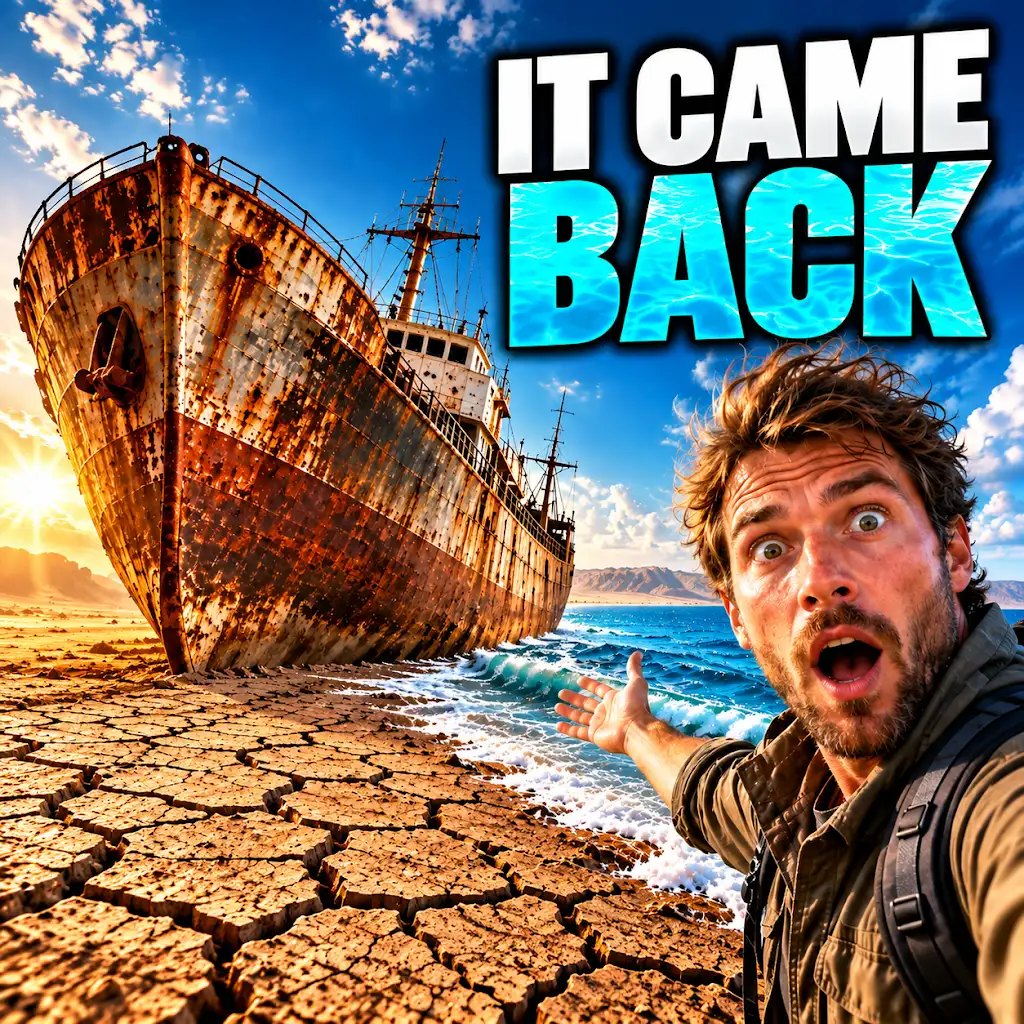
A Dam Brought the Aral Sea Back—But Only Part of It
FAQs
What is the documentary “World’s Disappearing Lakes” about?
The documentary “World’s Disappearing Lakes” explores the phenomenon of lakes around the world shrinking or disappearing due to various environmental factors.
Which lakes are featured in the documentary?
The documentary showcases lakes such as the Aral Sea, Lake Urmia, Lake Chad, and the Salton Sea, among others, that have been significantly impacted by human activities and climate change.
What are the main causes of lakes disappearing?
The main causes of lakes disappearing include over-extraction of water for agriculture and industry, diversion of rivers, climate change leading to reduced precipitation, and pollution from human activities.
What are the consequences of disappearing lakes?
The consequences of disappearing lakes include loss of biodiversity, displacement of communities that rely on the lakes for water and livelihoods, increased desertification in surrounding areas, and environmental degradation.
What can be done to address the issue of disappearing lakes?
To address the issue of disappearing lakes, sustainable water management practices, conservation efforts, international cooperation, and raising awareness about the importance of preserving these ecosystems are crucial steps that can be taken.